
Predictive perception
Sensory Signals
How the Brain Predicts What You Are About to Perceive becomes clearer when researchers examine sensory signals. Researchers approach this part of the story by combining direct observations with measurements that can be repeated and compared. The important distinction is between what an instrument records and the explanation used to connect those records. A convincing explanation must predict patterns that were not simply assumed at the beginning.
For how to read the evidence, scale and context matter. A process demonstrated in one sample, site or model may be genuine without controlling every case. Scientists therefore compare locations, times and methods, looking for agreements that survive reasonable changes in technique. When results disagree, the disagreement can reveal an overlooked variable rather than ending the investigation.
In evidence about how to read the evidence, the evidence is strongest when independent methods have different weaknesses but point toward the same account. Calibration, sample selection and uncertainty remain part of the conclusion. This is why responsible summaries describe both the established mechanism and the boundary beyond which the available observations do not yet justify certainty.
Prior Expectations
How the Brain Predicts What You Are About to Perceive becomes clearer when researchers examine prior expectations. Researchers approach this part of the story by combining direct observations with measurements that can be repeated and compared. The important distinction is between what an instrument records and the explanation used to connect those records. A convincing explanation must predict patterns that were not simply assumed at the beginning.
For prior expectations, scale and context matter. A process demonstrated in one sample, site or model may be genuine without controlling every case. Scientists therefore compare locations, times and methods, looking for agreements that survive reasonable changes in technique. When results disagree, the disagreement can reveal an overlooked variable rather than ending the investigation.
In evidence about prior expectations, the evidence is strongest when independent methods have different weaknesses but point toward the same account. Calibration, sample selection and uncertainty remain part of the conclusion. This is why responsible summaries describe both the established mechanism and the boundary beyond which the available observations do not yet justify certainty.
Prediction Errors
How the Brain Predicts What You Are About to Perceive becomes clearer when researchers examine prediction errors. Researchers approach this part of the story by combining direct observations with measurements that can be repeated and compared. The important distinction is between what an instrument records and the explanation used to connect those records. A convincing explanation must predict patterns that were not simply assumed at the beginning.
For prediction errors, scale and context matter. A process demonstrated in one sample, site or model may be genuine without controlling every case. Scientists therefore compare locations, times and methods, looking for agreements that survive reasonable changes in technique. When results disagree, the disagreement can reveal an overlooked variable rather than ending the investigation.
In evidence about prediction errors, the evidence is strongest when independent methods have different weaknesses but point toward the same account. Calibration, sample selection and uncertainty remain part of the conclusion. This is why responsible summaries describe both the established mechanism and the boundary beyond which the available observations do not yet justify certainty.
Visual Context
How the Brain Predicts What You Are About to Perceive becomes clearer when researchers examine visual context. Researchers approach this part of the story by combining direct observations with measurements that can be repeated and compared. The important distinction is between what an instrument records and the explanation used to connect those records. A convincing explanation must predict patterns that were not simply assumed at the beginning.
For visual context, scale and context matter. A process demonstrated in one sample, site or model may be genuine without controlling every case. Scientists therefore compare locations, times and methods, looking for agreements that survive reasonable changes in technique. When results disagree, the disagreement can reveal an overlooked variable rather than ending the investigation.
In evidence about visual context, the evidence is strongest when independent methods have different weaknesses but point toward the same account. Calibration, sample selection and uncertainty remain part of the conclusion. This is why responsible summaries describe both the established mechanism and the boundary beyond which the available observations do not yet justify certainty.
Auditory Restoration
How the Brain Predicts What You Are About to Perceive becomes clearer when researchers examine auditory restoration. Researchers approach this part of the story by combining direct observations with measurements that can be repeated and compared. The important distinction is between what an instrument records and the explanation used to connect those records. A convincing explanation must predict patterns that were not simply assumed at the beginning.
For auditory restoration, scale and context matter. A process demonstrated in one sample, site or model may be genuine without controlling every case. Scientists therefore compare locations, times and methods, looking for agreements that survive reasonable changes in technique. When results disagree, the disagreement can reveal an overlooked variable rather than ending the investigation.
In evidence about auditory restoration, the evidence is strongest when independent methods have different weaknesses but point toward the same account. Calibration, sample selection and uncertainty remain part of the conclusion. This is why responsible summaries describe both the established mechanism and the boundary beyond which the available observations do not yet justify certainty.
Attention
How the Brain Predicts What You Are About to Perceive becomes clearer when researchers examine attention. Researchers approach this part of the story by combining direct observations with measurements that can be repeated and compared. The important distinction is between what an instrument records and the explanation used to connect those records. A convincing explanation must predict patterns that were not simply assumed at the beginning.
For attention, scale and context matter. A process demonstrated in one sample, site or model may be genuine without controlling every case. Scientists therefore compare locations, times and methods, looking for agreements that survive reasonable changes in technique. When results disagree, the disagreement can reveal an overlooked variable rather than ending the investigation.
In evidence about attention, the evidence is strongest when independent methods have different weaknesses but point toward the same account. Calibration, sample selection and uncertainty remain part of the conclusion. This is why responsible summaries describe both the established mechanism and the boundary beyond which the available observations do not yet justify certainty.
Motor Prediction
How the Brain Predicts What You Are About to Perceive becomes clearer when researchers examine motor prediction. Researchers approach this part of the story by combining direct observations with measurements that can be repeated and compared. The important distinction is between what an instrument records and the explanation used to connect those records. A convincing explanation must predict patterns that were not simply assumed at the beginning.
For motor prediction, scale and context matter. A process demonstrated in one sample, site or model may be genuine without controlling every case. Scientists therefore compare locations, times and methods, looking for agreements that survive reasonable changes in technique. When results disagree, the disagreement can reveal an overlooked variable rather than ending the investigation.
In evidence about motor prediction, the evidence is strongest when independent methods have different weaknesses but point toward the same account. Calibration, sample selection and uncertainty remain part of the conclusion. This is why responsible summaries describe both the established mechanism and the boundary beyond which the available observations do not yet justify certainty.
Bayesian Models
How the Brain Predicts What You Are About to Perceive becomes clearer when researchers examine Bayesian models. Researchers approach this part of the story by combining direct observations with measurements that can be repeated and compared. The important distinction is between what an instrument records and the explanation used to connect those records. A convincing explanation must predict patterns that were not simply assumed at the beginning.
For bayesian models, scale and context matter. A process demonstrated in one sample, site or model may be genuine without controlling every case. Scientists therefore compare locations, times and methods, looking for agreements that survive reasonable changes in technique. When results disagree, the disagreement can reveal an overlooked variable rather than ending the investigation.
In evidence about bayesian models, the evidence is strongest when independent methods have different weaknesses but point toward the same account. Calibration, sample selection and uncertainty remain part of the conclusion. This is why responsible summaries describe both the established mechanism and the boundary beyond which the available observations do not yet justify certainty.
Brain Imaging
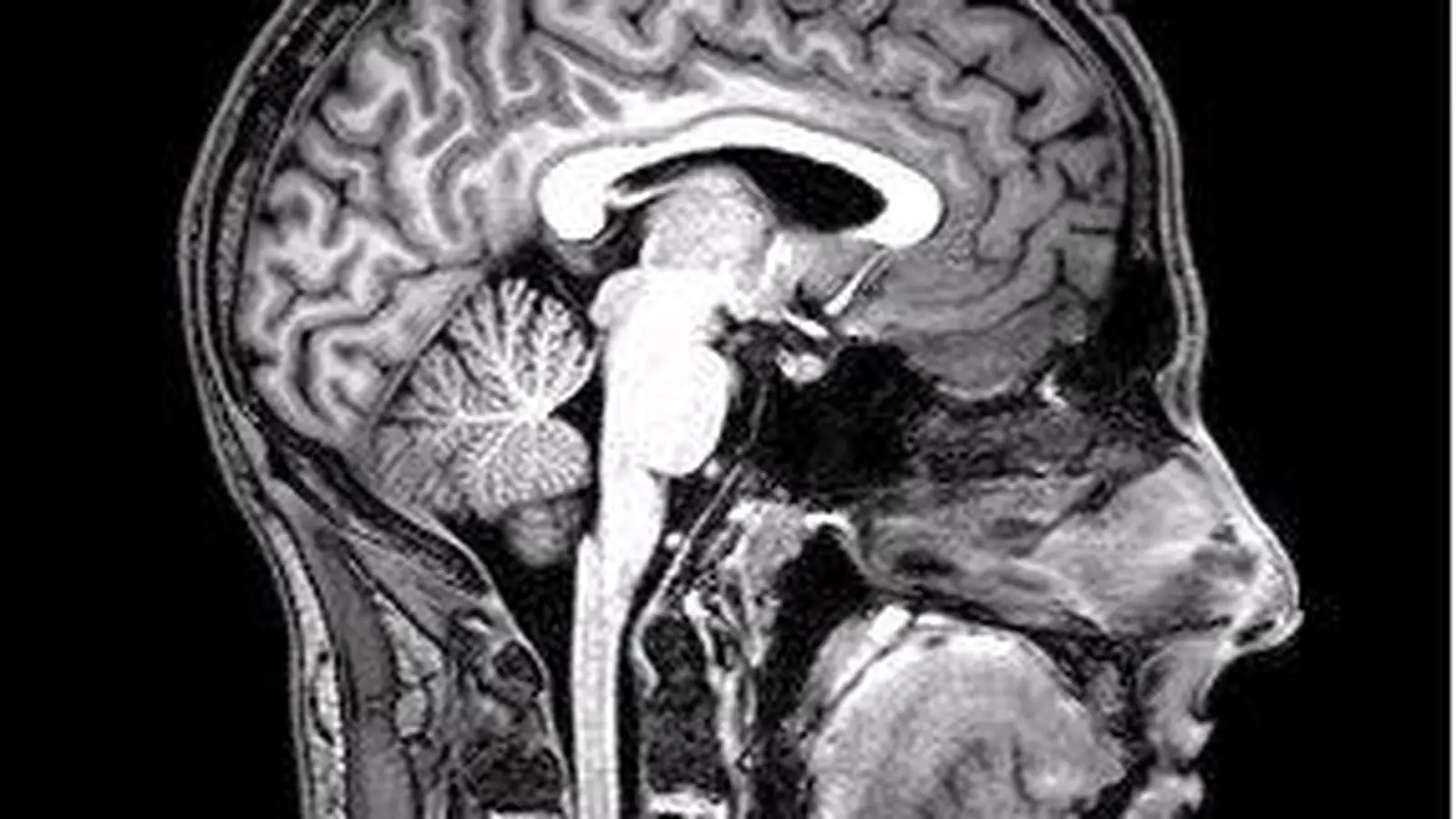
How the Brain Predicts What You Are About to Perceive becomes clearer when researchers examine brain imaging. Researchers approach this part of the story by combining direct observations with measurements that can be repeated and compared. The important distinction is between what an instrument records and the explanation used to connect those records. A convincing explanation must predict patterns that were not simply assumed at the beginning.
For brain imaging, scale and context matter. A process demonstrated in one sample, site or model may be genuine without controlling every case. Scientists therefore compare locations, times and methods, looking for agreements that survive reasonable changes in technique. When results disagree, the disagreement can reveal an overlooked variable rather than ending the investigation.
In evidence about brain imaging, the evidence is strongest when independent methods have different weaknesses but point toward the same account. Calibration, sample selection and uncertainty remain part of the conclusion. This is why responsible summaries describe both the established mechanism and the boundary beyond which the available observations do not yet justify certainty.
Development
How the Brain Predicts What You Are About to Perceive becomes clearer when researchers examine development. Researchers approach this part of the story by combining direct observations with measurements that can be repeated and compared. The important distinction is between what an instrument records and the explanation used to connect those records. A convincing explanation must predict patterns that were not simply assumed at the beginning.
For development, scale and context matter. A process demonstrated in one sample, site or model may be genuine without controlling every case. Scientists therefore compare locations, times and methods, looking for agreements that survive reasonable changes in technique. When results disagree, the disagreement can reveal an overlooked variable rather than ending the investigation.
In evidence about development, the evidence is strongest when independent methods have different weaknesses but point toward the same account. Calibration, sample selection and uncertainty remain part of the conclusion. This is why responsible summaries describe both the established mechanism and the boundary beyond which the available observations do not yet justify certainty.
Illusions
How the Brain Predicts What You Are About to Perceive becomes clearer when researchers examine illusions. Researchers approach this part of the story by combining direct observations with measurements that can be repeated and compared. The important distinction is between what an instrument records and the explanation used to connect those records. A convincing explanation must predict patterns that were not simply assumed at the beginning.
For illusions, scale and context matter. A process demonstrated in one sample, site or model may be genuine without controlling every case. Scientists therefore compare locations, times and methods, looking for agreements that survive reasonable changes in technique. When results disagree, the disagreement can reveal an overlooked variable rather than ending the investigation.
In evidence about illusions, the evidence is strongest when independent methods have different weaknesses but point toward the same account. Calibration, sample selection and uncertainty remain part of the conclusion. This is why responsible summaries describe both the established mechanism and the boundary beyond which the available observations do not yet justify certainty.
Clinical Caution
How the Brain Predicts What You Are About to Perceive becomes clearer when researchers examine clinical caution. Researchers approach this part of the story by combining direct observations with measurements that can be repeated and compared. The important distinction is between what an instrument records and the explanation used to connect those records. A convincing explanation must predict patterns that were not simply assumed at the beginning.
For clinical caution, scale and context matter. A process demonstrated in one sample, site or model may be genuine without controlling every case. Scientists therefore compare locations, times and methods, looking for agreements that survive reasonable changes in technique. When results disagree, the disagreement can reveal an overlooked variable rather than ending the investigation.
In evidence about clinical caution, the evidence is strongest when independent methods have different weaknesses but point toward the same account. Calibration, sample selection and uncertainty remain part of the conclusion. This is why responsible summaries describe both the established mechanism and the boundary beyond which the available observations do not yet justify certainty.
Replication
How the Brain Predicts What You Are About to Perceive becomes clearer when researchers examine replication. Researchers approach this part of the story by combining direct observations with measurements that can be repeated and compared. The important distinction is between what an instrument records and the explanation used to connect those records. A convincing explanation must predict patterns that were not simply assumed at the beginning.
For replication, scale and context matter. A process demonstrated in one sample, site or model may be genuine without controlling every case. Scientists therefore compare locations, times and methods, looking for agreements that survive reasonable changes in technique. When results disagree, the disagreement can reveal an overlooked variable rather than ending the investigation.
In evidence about replication, the evidence is strongest when independent methods have different weaknesses but point toward the same account. Calibration, sample selection and uncertainty remain part of the conclusion. This is why responsible summaries describe both the established mechanism and the boundary beyond which the available observations do not yet justify certainty.
Open Debates
How the Brain Predicts What You Are About to Perceive becomes clearer when researchers examine open debates. Researchers approach this part of the story by combining direct observations with measurements that can be repeated and compared. The important distinction is between what an instrument records and the explanation used to connect those records. A convincing explanation must predict patterns that were not simply assumed at the beginning.
For open debates, scale and context matter. A process demonstrated in one sample, site or model may be genuine without controlling every case. Scientists therefore compare locations, times and methods, looking for agreements that survive reasonable changes in technique. When results disagree, the disagreement can reveal an overlooked variable rather than ending the investigation.
In evidence about open debates, the evidence is strongest when independent methods have different weaknesses but point toward the same account. Calibration, sample selection and uncertainty remain part of the conclusion. This is why responsible summaries describe both the established mechanism and the boundary beyond which the available observations do not yet justify certainty.
How to read the evidence
This feature uses institutional references and peer-reviewed research to distinguish measured results from interpretation. Specialist review remains required before publication, and the source register should be revisited when major new evidence appears.
What researchers will test next
Progress now depends on measurements that connect controlled experiments with the complexity of the wider world. Researchers need observations collected across different locations, instruments and timescales, with methods described clearly enough for independent teams to repeat them. Larger samples can reveal whether an apparent pattern is widespread or driven by a few unusual cases. Longer records can separate temporary variation from a durable change.
New instruments may improve precision, but precision alone does not guarantee a better explanation. Scientists must still test alternative causes, disclose uncertainty and check whether an analysis gives the same answer when reasonable assumptions change. Open data and carefully documented methods allow other researchers to find errors, reproduce results and combine evidence that was gathered for different purposes.
The most useful future studies will make competing explanations face distinct predictions. When several independent tests agree, confidence can grow. When they disagree, the mismatch becomes evidence about what the original account was missing. Barnakle treats this process as a strength of science: conclusions can be reliable without being final, and responsible reporting should explain both what is known and what observation could change the picture.
Sources and further reading
Keep exploring.
One remarkable idea at a time—nature, science, history and beyond.
Sources and further reading
Barnakle uses credible primary and authoritative sources wherever possible.
- NIH Brain Basics
- https://www.ninds.nih.gov/health-information/public-education/brain-basics
- Nature Reviews Neuroscience predictive coding
- https://doi.org/10.1038/nrn2787
- University College London neuroscience
- https://www.ucl.ac.uk/icn/
Last reviewed September 23, 2026.

menelaosanas
A member of the Barnakle editorial team, exploring remarkable ideas with clarity, curiosity and care.
More from this author →