Why Does Glue Stick Things Together?
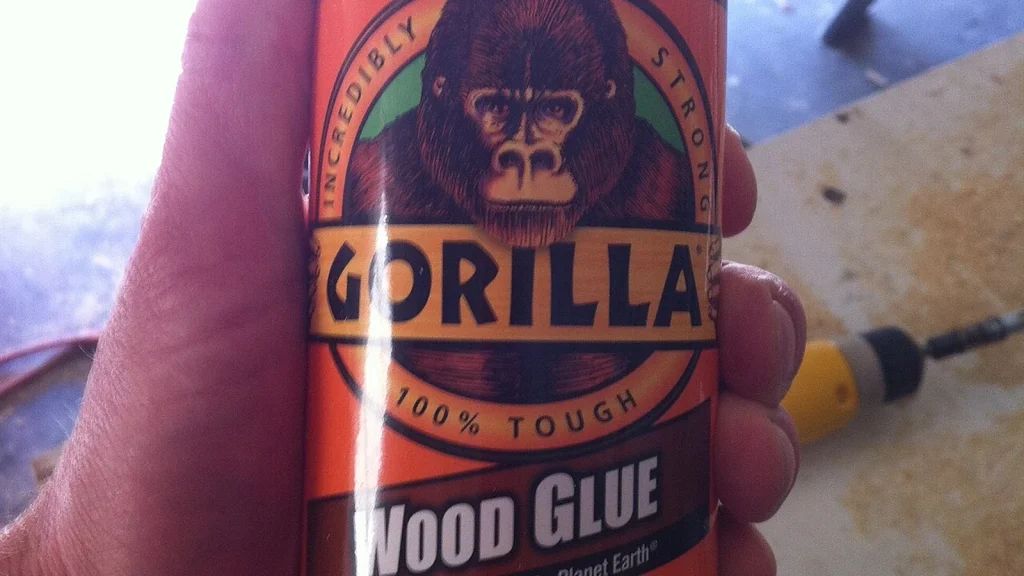
Glue works by first spreading across and conforming to two surfaces, then developing attraction at each interface and strength within the adhesive layer. Wetting…
Oct 15, 2026 • 3 min readExplore scientific questions, experiments and discoveries, with explanations of the evidence and methods behind what researchers conclude.

Science advances by turning questions into testable ideas, confronting them with evidence and revising what we think we know. Here is how that process really works—and why uncertainty is a strength, not a flaw.
Sep 12, 2026 • 8 min readRead the discovery →New stories, explanations and research from Science.
Glue works by first spreading across and conforming to two surfaces, then developing attraction at each interface and strength within the adhesive layer. Wetting…
Oct 15, 2026 • 3 min read
Ceramic expands when heated and contracts when cooled. If boiling liquid warms the inside of a cold mug faster than heat reaches the outside,…
Oct 15, 2026 • 3 min read
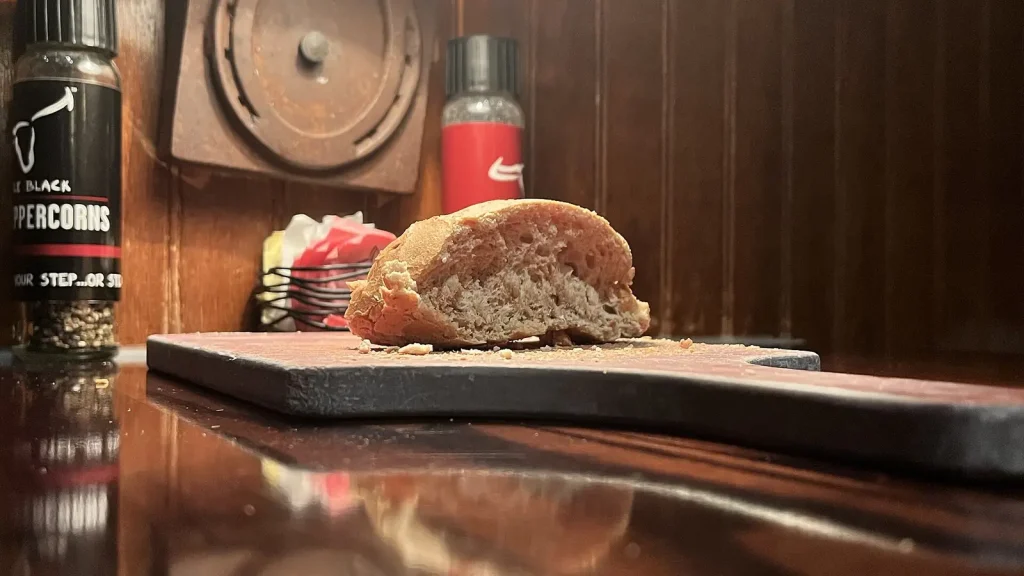
Bread goes stale mainly because gelatinized starch molecules reorganize after baking. Amylopectin gradually forms more ordered structures, a process called retrogradation, while water redistributes…
Oct 14, 2026 • 3 min read
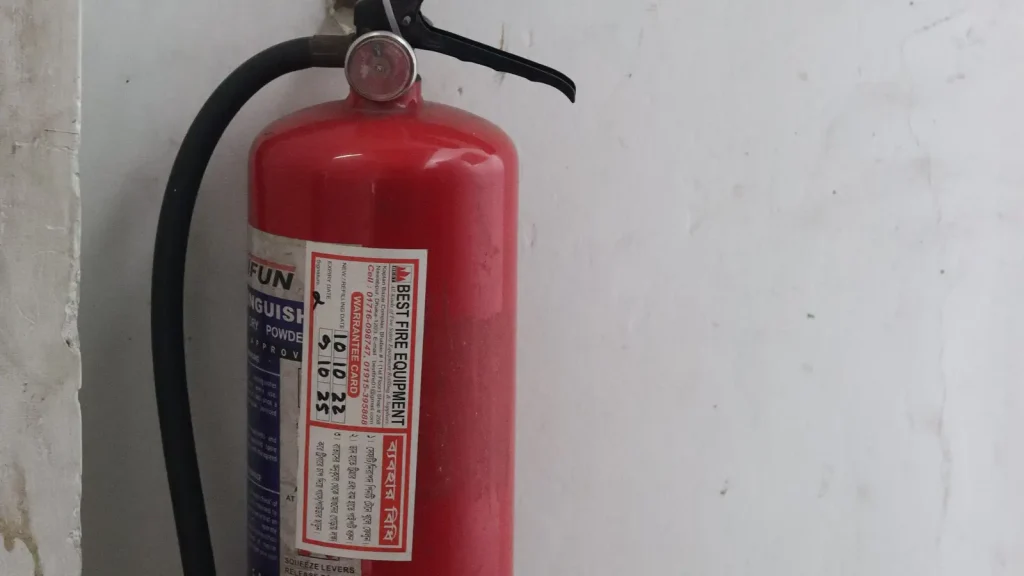
Portable fire extinguishers suppress small fires by removing heat, separating fuel from oxygen, interrupting flame chemistry or combining these effects. Water cools suitable ordinary…
Oct 14, 2026 • 4 min read
A vacuum flask slows heat transfer between its contents and the surroundings. The evacuated gap between two walls contains almost no matter, greatly reducing…
Oct 14, 2026 • 3 min read
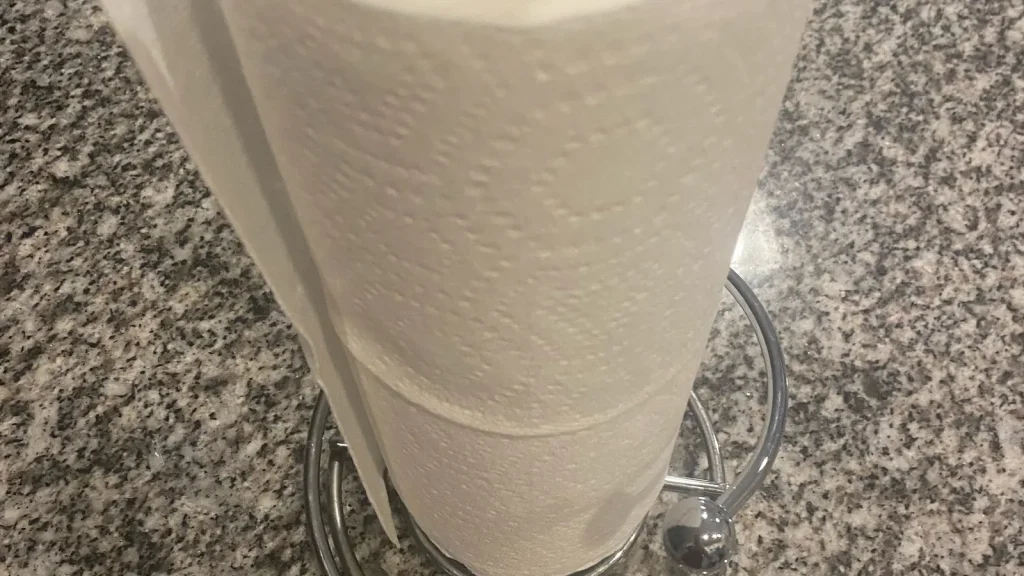
Paper towels absorb water because cellulose fibres are hydrophilic and their porous network contains many connected spaces. Water adheres to cellulose surfaces through molecular…
Oct 14, 2026 • 3 min read
Superglue cures quickly because its cyanoacrylate molecules polymerize when exposed to traces of water and weakly basic substances on most surfaces. The reaction links…
Oct 14, 2026 • 3 min read
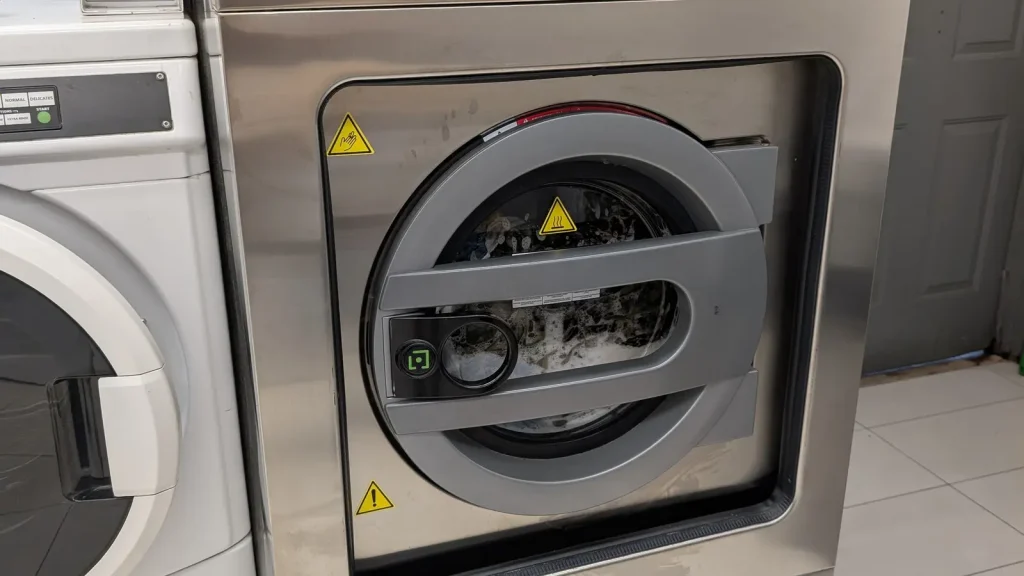
Clothes shrink when fibres, yarns or fabric structures change dimensions during washing and drying. Manufacturing can leave fibres and yarns stretched or under tension;…
Oct 13, 2026 • 3 min read
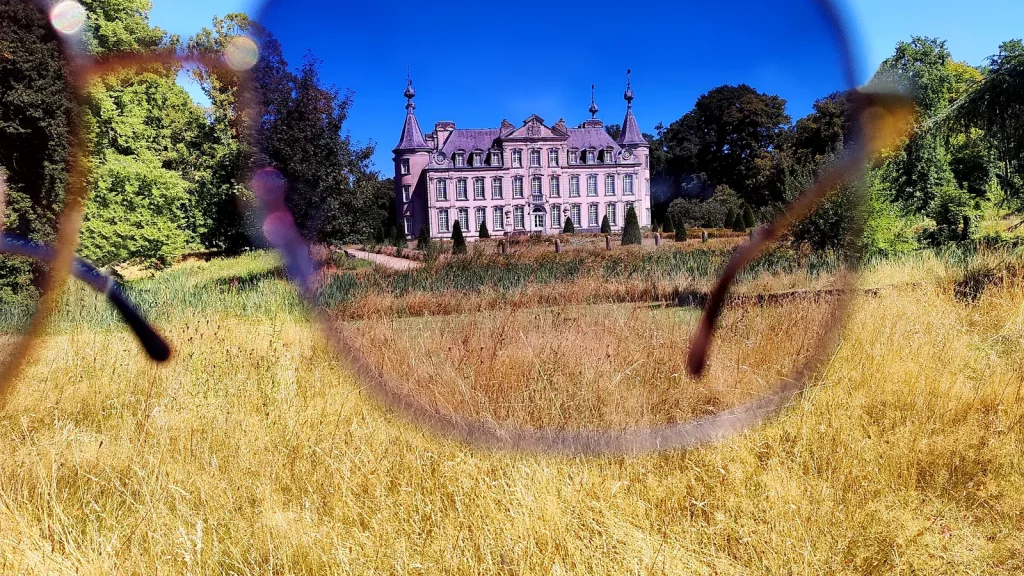
Polarized sunglasses reduce glare by transmitting light that oscillates mainly in one orientation while absorbing the perpendicular component. Reflection from horizontal non-metallic surfaces such…
Oct 13, 2026 • 3 min read
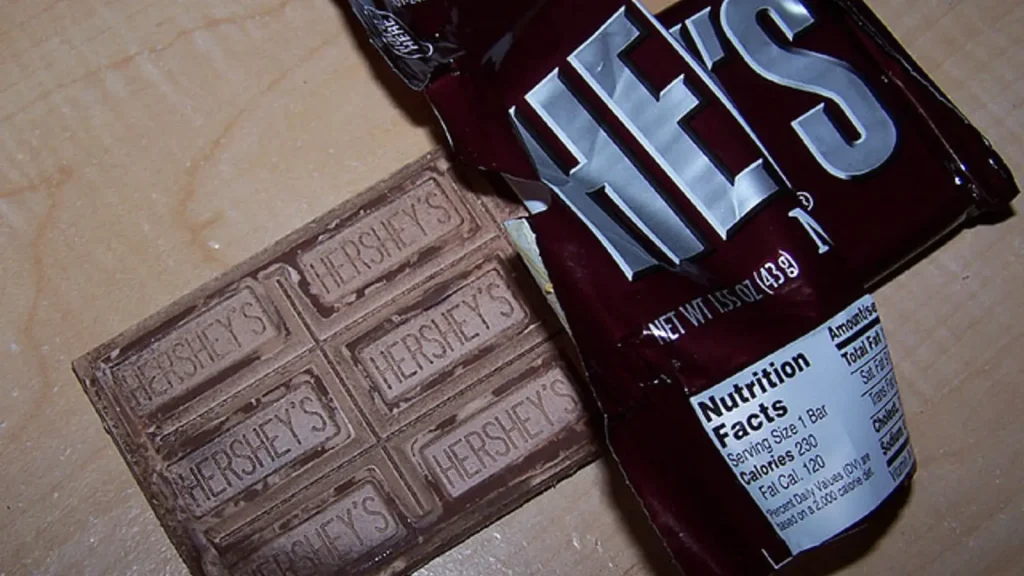
Chocolate develops a white or grey coating through fat bloom or sugar bloom. Fat bloom occurs when cocoa butter crystals rearrange or fat migrates…
Oct 13, 2026 • 3 min read
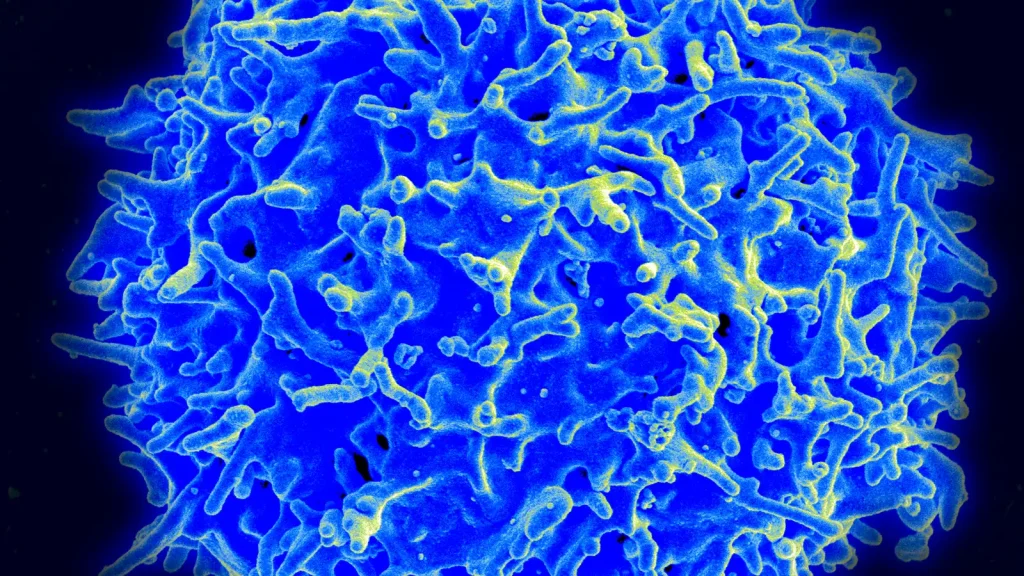
Layered recognition, cellular education and regulatory brakes let immunity respond to danger without routinely attacking the body it protects.
Sep 21, 2026 • 8 min read
CRISPR-Cas9 uses a guide RNA and a DNA-cutting enzyme to target a sequence. The final edit depends on delivery, target recognition and what happens…
Sep 19, 2026 • 3 min read
Learn what statistical significance and p-values do—and do not—tell you about effect size, uncertainty, practical importance and scientific evidence.
Sep 12, 2026 • 6 min read
Discover how scientific consensus emerges from converging evidence, expert scrutiny and replication—and why responsible consensus can change.
Sep 12, 2026 • 6 min readOne remarkable idea at a time—nature, science, history and beyond.