

Physics
Why Does Metal Feel Colder Than Wood?
Metal feels colder than wood because it has much higher thermal conductivity and thermal effusivity. When your warm hand touches an object at room…
Oct 10, 2026 • 13 min readThe latest stories, clear explanations and essential discoveries from Physics.
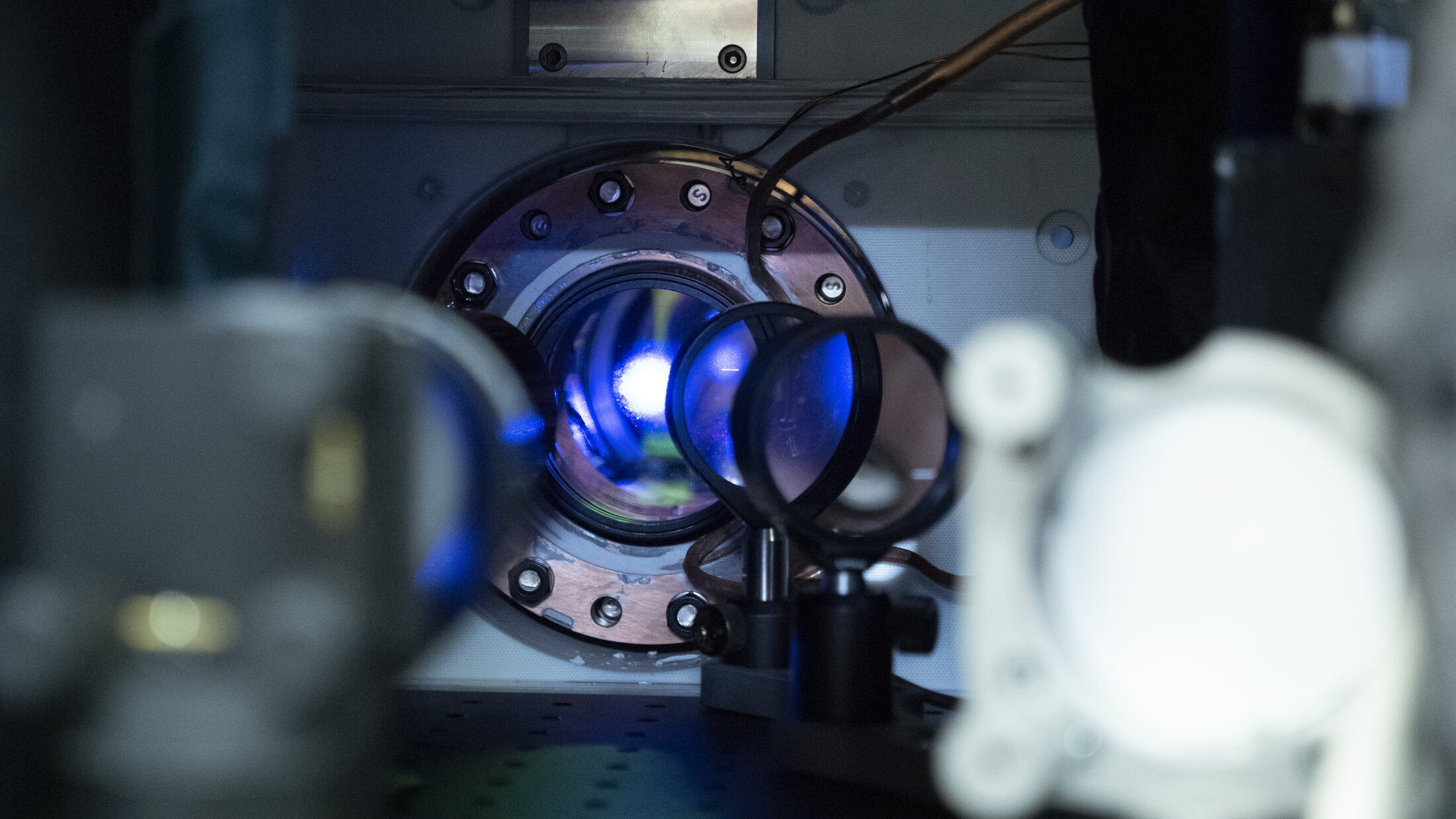
Learn why speed and gravity change elapsed time, how atomic clocks test relativity and why GPS depends on Einstein’s physics.
Sep 12, 2026 • 12 min readRead the discovery →New stories, explanations and research from Physics.
Metal feels colder than wood because it has much higher thermal conductivity and thermal effusivity. When your warm hand touches an object at room…
Oct 10, 2026 • 13 min read
We hear an echo when sound waves travel to a surface, reflect and return after a noticeable delay. Because sound moves through air at…
Oct 10, 2026 • 13 min read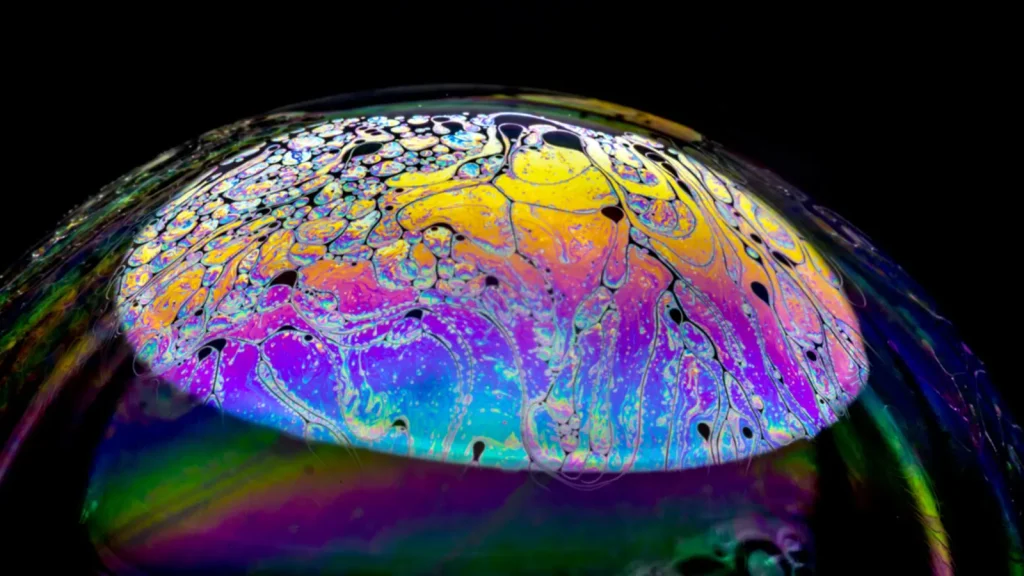
A free bubble becomes round because surface tension tries to minimize the area of its thin liquid film. For a given enclosed volume, a…
Oct 10, 2026 • 13 min read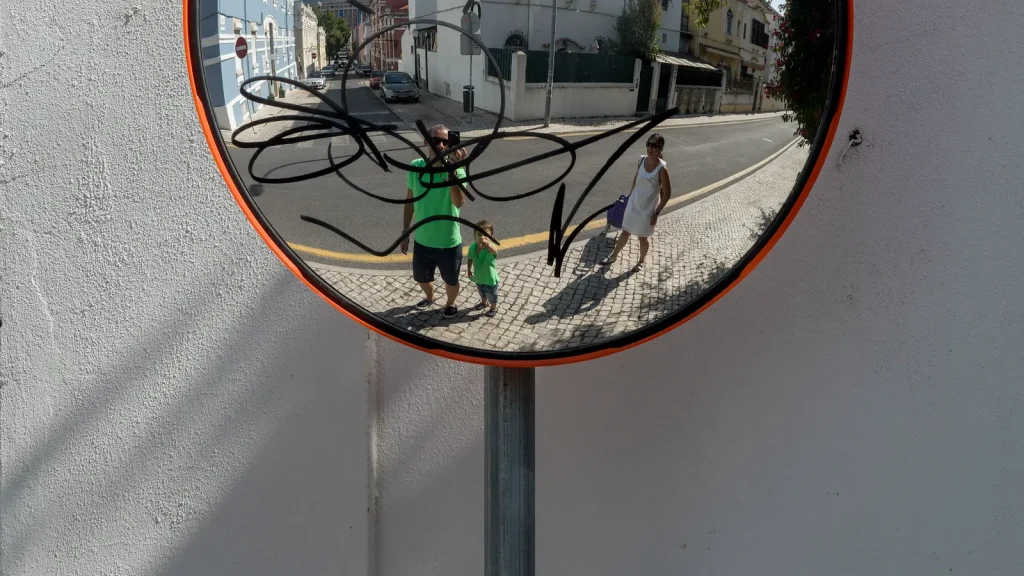
Mirrors do not physically swap left and right. A flat mirror reverses front and back: light that travelled toward the mirror returns from it,…
Oct 9, 2026 • 13 min read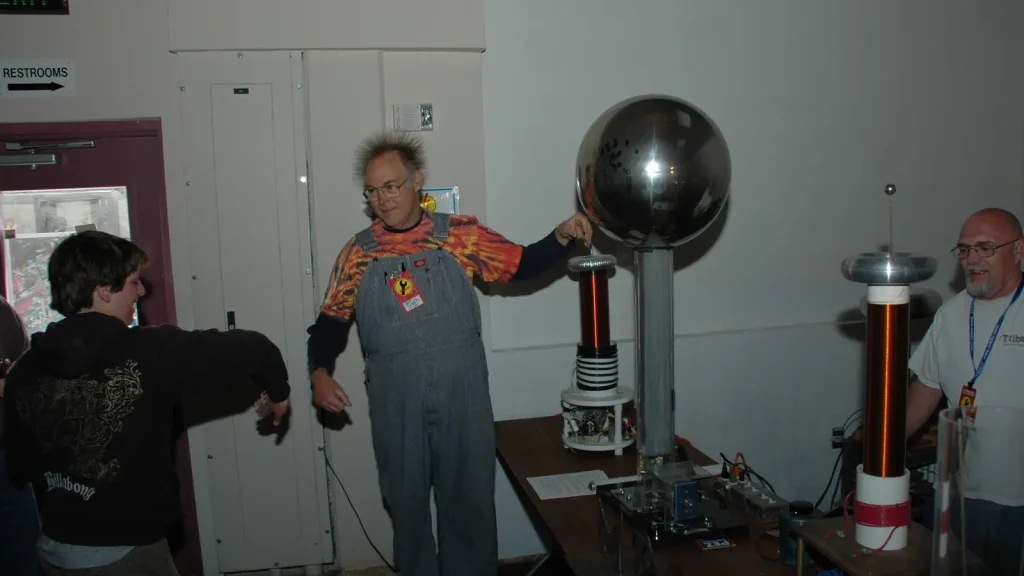
Static electricity makes hair stand up when electrons move between materials and leave many hairs with the same net charge. Like charges repel, so…
Oct 9, 2026 • 13 min read
Ordinary clear glass is transparent to visible light because its electrons do not have readily available energy transitions that match most visible photons. Much…
Oct 7, 2026 • 13 min read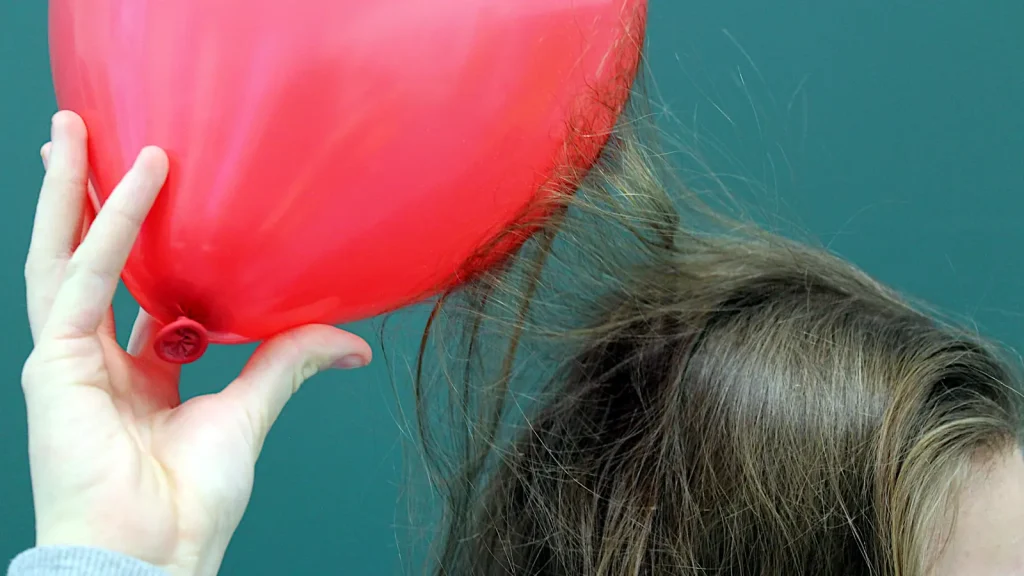
Static electricity builds when electrons are transferred or separated between materials faster than the charge can leak away. Rubbing often increases contact and separation,…
Oct 6, 2026 • 13 min read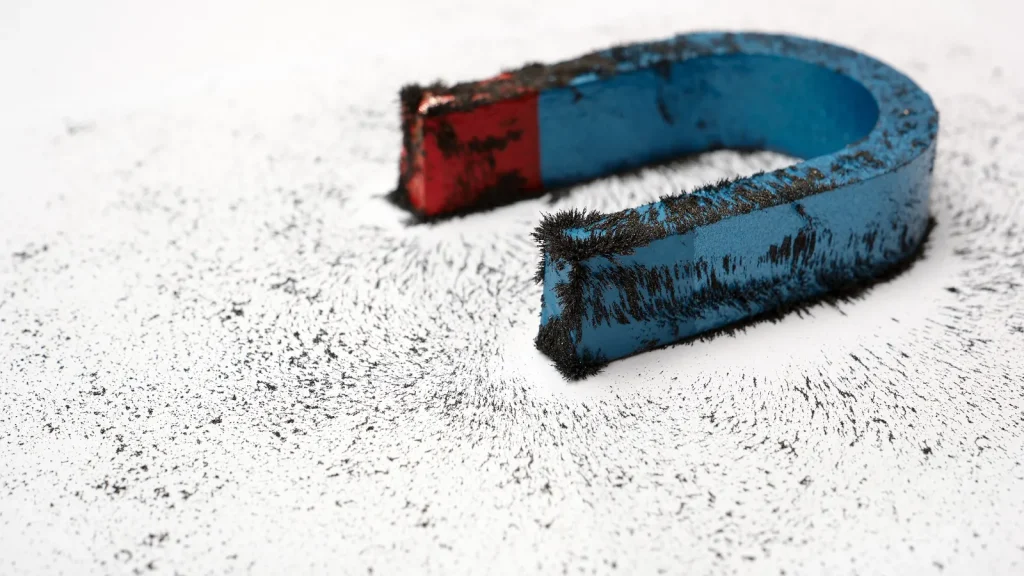
Magnets work through the electromagnetic interaction. Moving electric charges and intrinsic properties of electrons create magnetic moments and fields. In permanent magnets, many atomic-scale…
Sep 26, 2026 • 13 min read
Metal feels colder than wood because it has much higher thermal conductivity and thermal effusivity. When your warm hand touches an object at room…
Oct 10, 2026 • 13 min read
We hear an echo when sound waves travel to a surface, reflect and return after a noticeable delay. Because sound moves through air at…
Oct 10, 2026 • 13 min read
A free bubble becomes round because surface tension tries to minimize the area of its thin liquid film. For a given enclosed volume, a…
Oct 10, 2026 • 13 min read
Mirrors do not physically swap left and right. A flat mirror reverses front and back: light that travelled toward the mirror returns from it,…
Oct 9, 2026 • 13 min readOne remarkable idea at a time—nature, science, history and beyond.