
Climate & Water
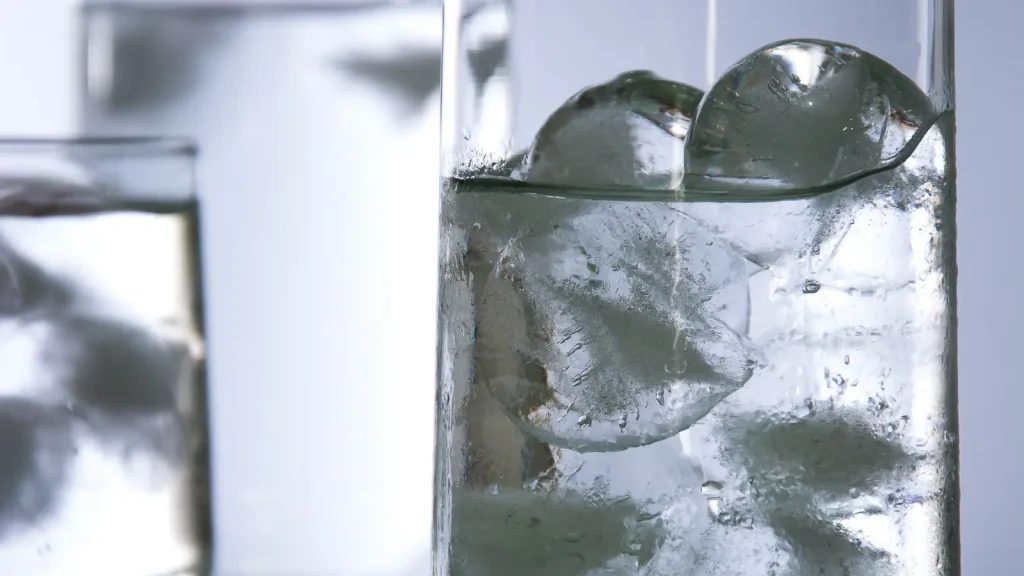
Why Does Ice Float on Water?
Ice floats because ordinary solid water is less dense than liquid water. As water freezes under everyday pressure, hydrogen bonds organize molecules into an…
Oct 9, 2026 • 13 min readJourney through the forces, places and systems that define our extraordinary planet.
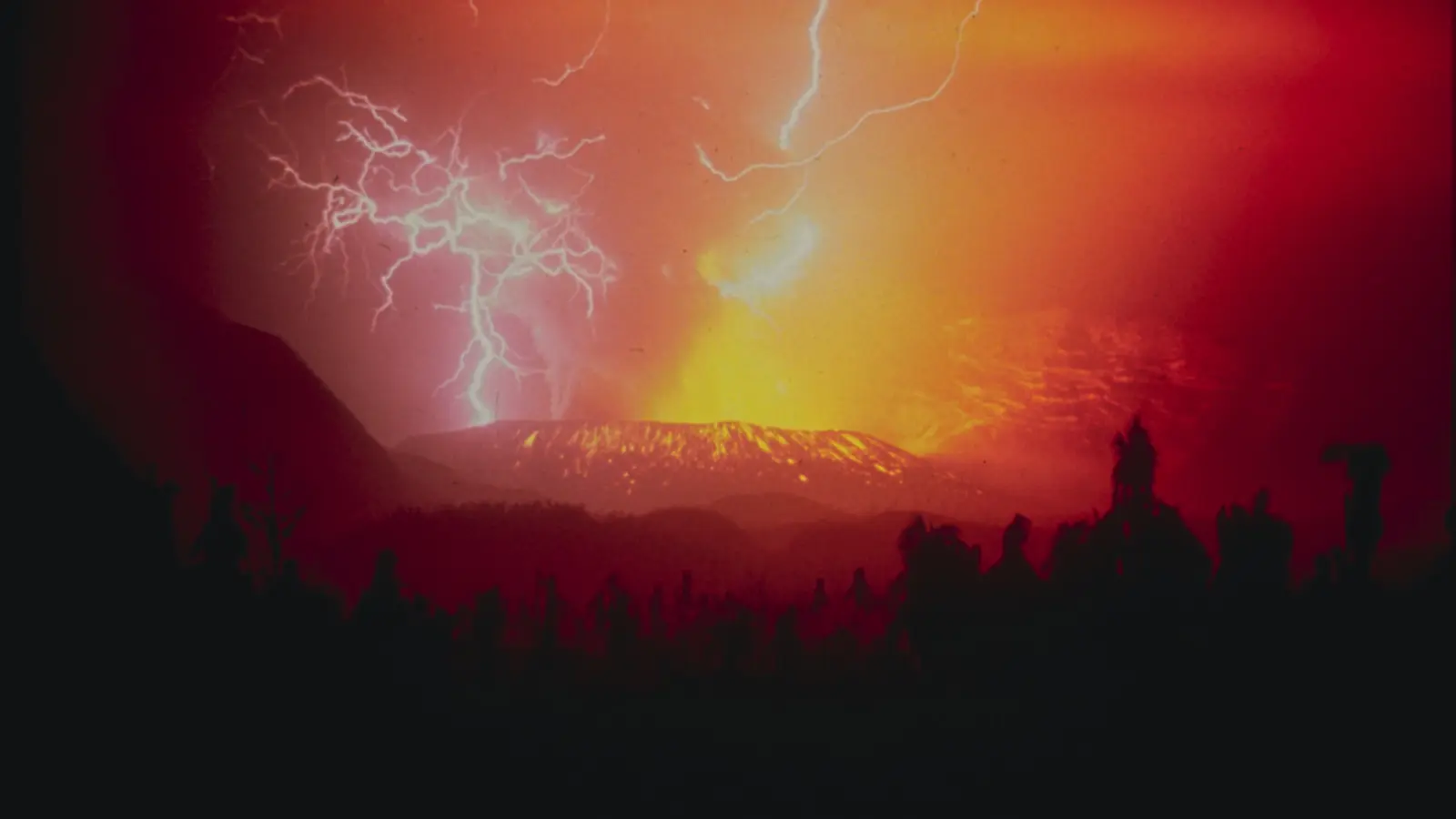
Inside an eruption cloud, colliding ash, ice and fragmented rock can separate electric charge until the plume discharges like a violent thunderstorm.
Sep 16, 2026 • 4 min readRead the discovery →New stories, explanations and research from Earth & The Planet.
Ice floats because ordinary solid water is less dense than liquid water. As water freezes under everyday pressure, hydrogen bonds organize molecules into an…
Oct 9, 2026 • 13 min read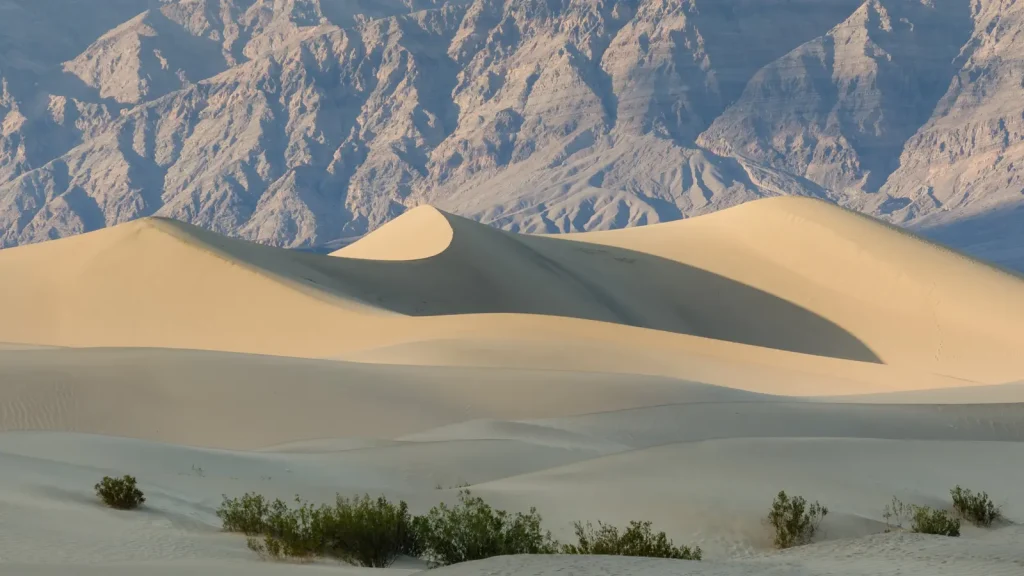
Sand dunes migrate when wind transports grains up their windward slope and deposits them near the crest. Sand then avalanches down the steeper sheltered…
Oct 6, 2026 • 13 min read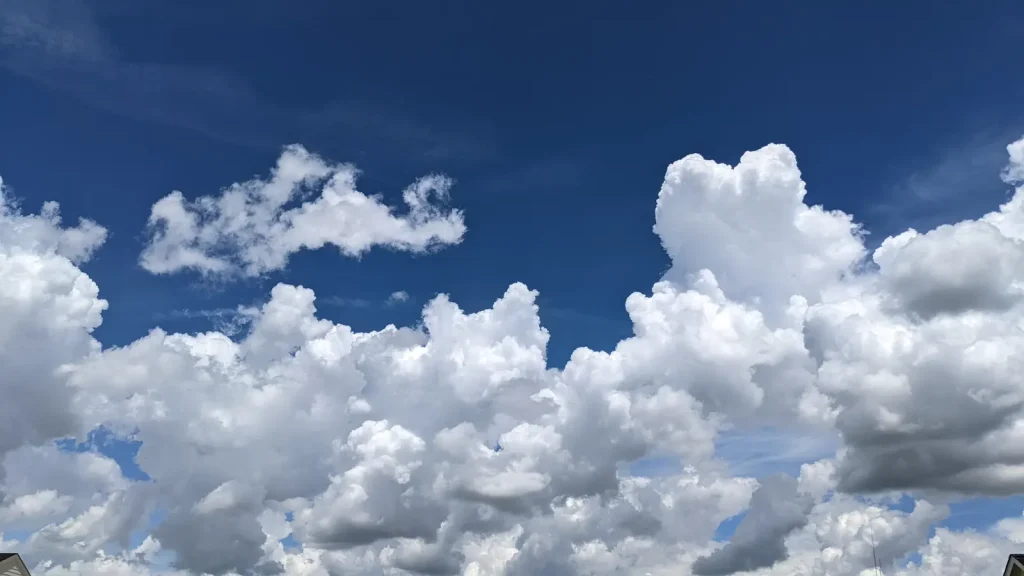
Cloud droplets and ice crystals are heavier than air, so gravity does pull them downward. They remain aloft because individual particles are tiny and…
Oct 6, 2026 • 13 min read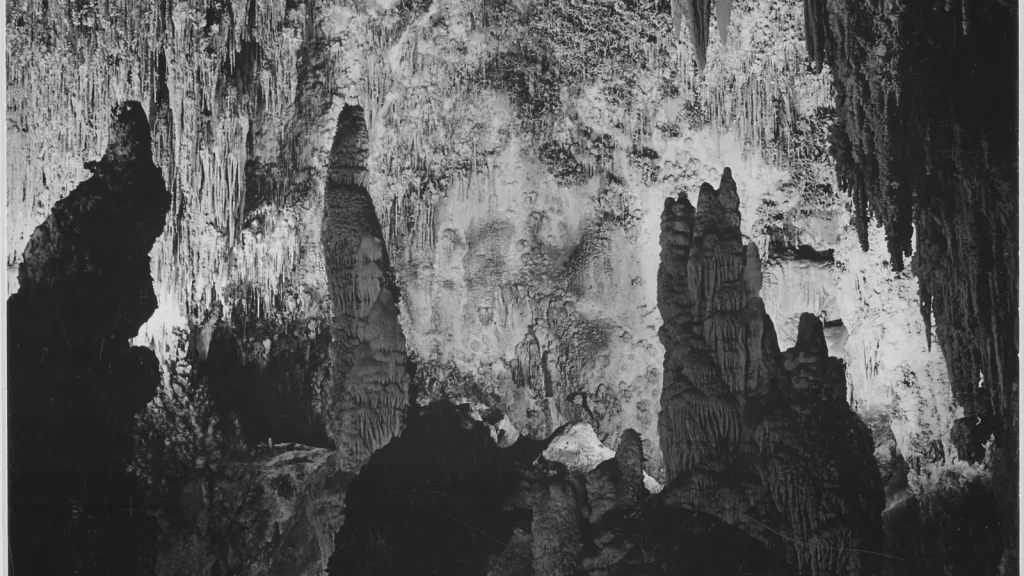
Most familiar caverns form when mildly acidic groundwater dissolves soluble rock, especially limestone, along fractures and bedding planes. Flow enlarges openings into passages; later…
Oct 5, 2026 • 12 min read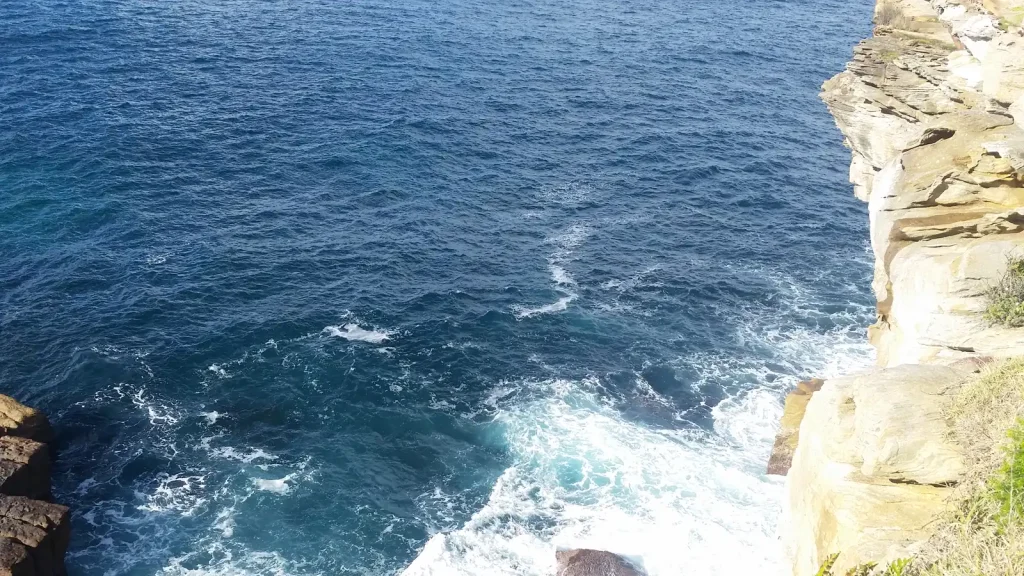
Most everyday ocean waves form when wind transfers energy to the surface. Size depends mainly on wind speed, duration and fetch—the uninterrupted distance across…
Oct 4, 2026 • 13 min read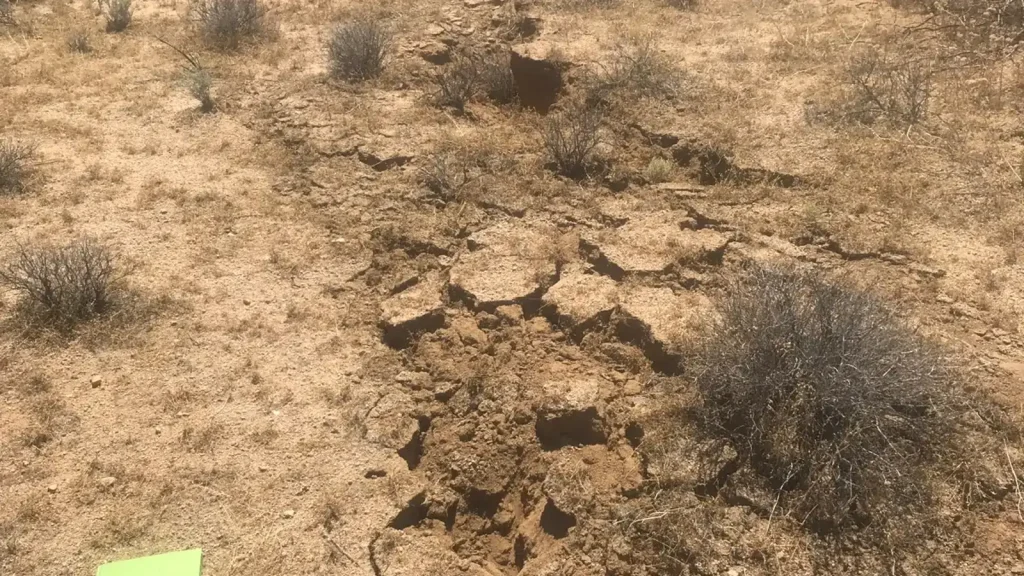
Most earthquakes happen when tectonic forces slowly deform rock on opposite sides of a fault. Friction keeps the fault locked while elastic strain accumulates.…
Oct 3, 2026 • 12 min read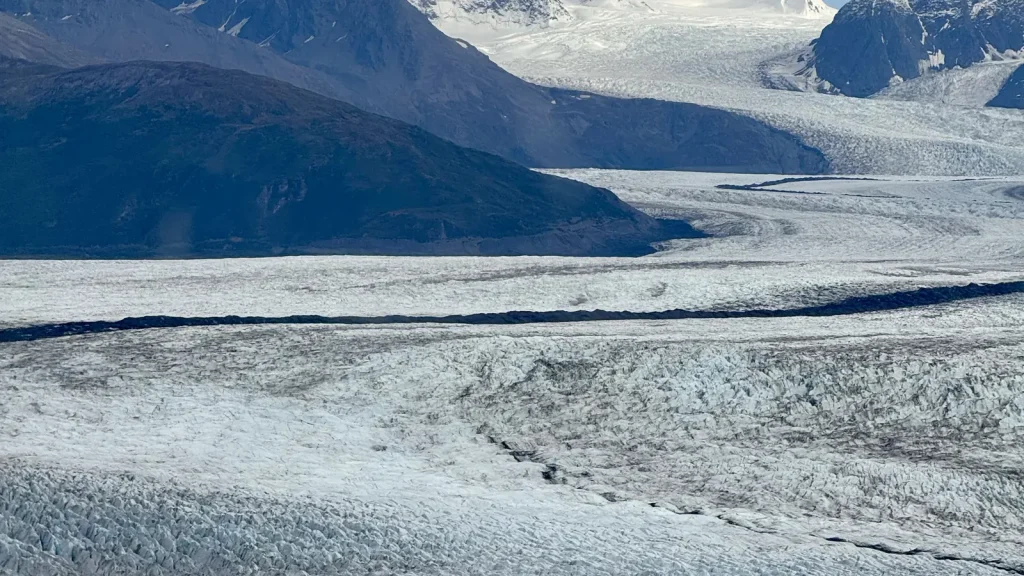
Glaciers move because gravity pulls their enormous mass downhill. Ice deforms internally as crystals change shape and slide past one another, while many glaciers…
Oct 1, 2026 • 12 min read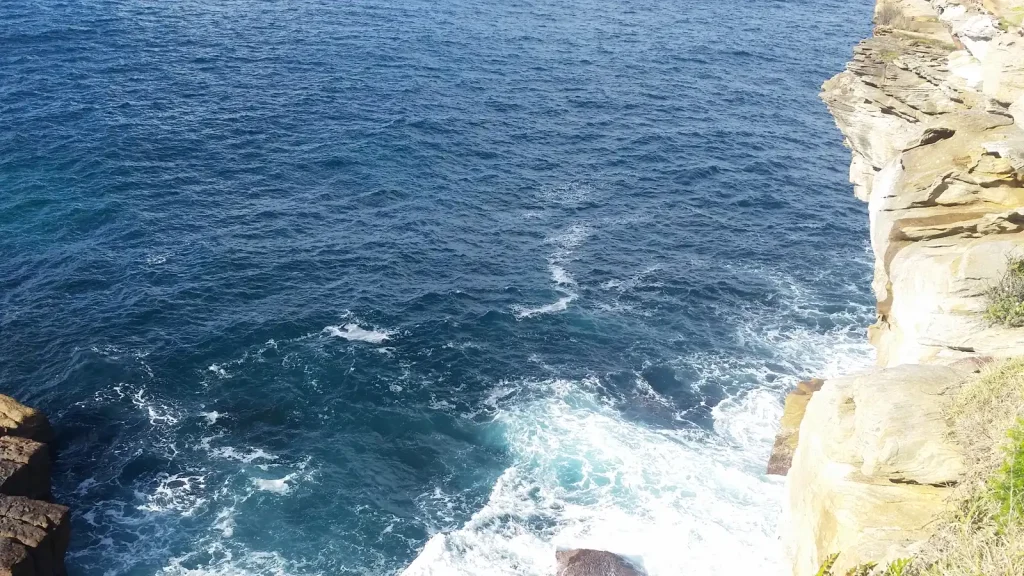
The ocean is salty because water dissolves ions from rocks and carries them to the sea, while seafloor reactions add or exchange more dissolved…
Oct 1, 2026 • 13 min read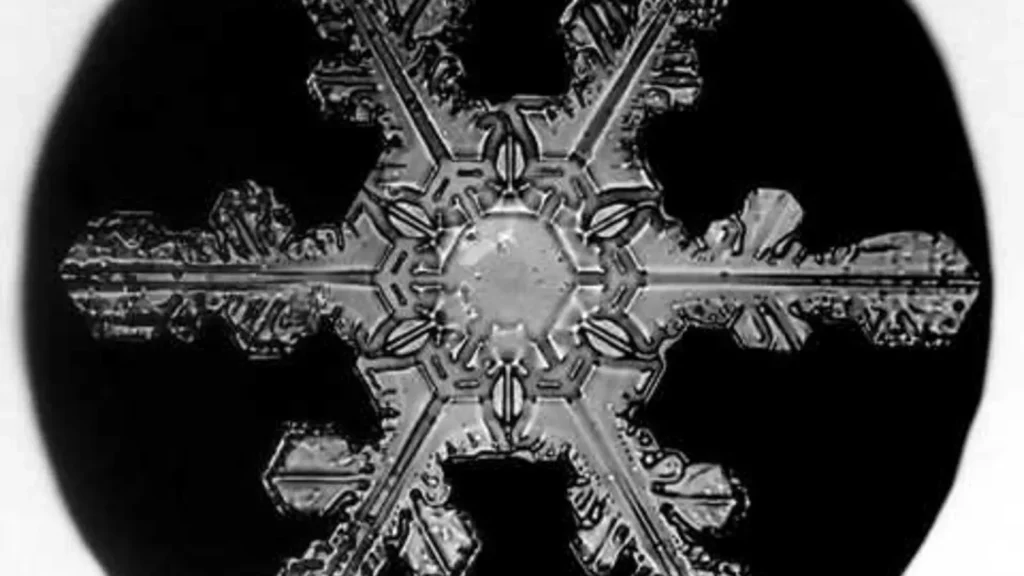
A snow crystal begins when water vapour deposits as ice around a tiny particle in a cold cloud. The hexagonal arrangement of water molecules…
Oct 1, 2026 • 14 min read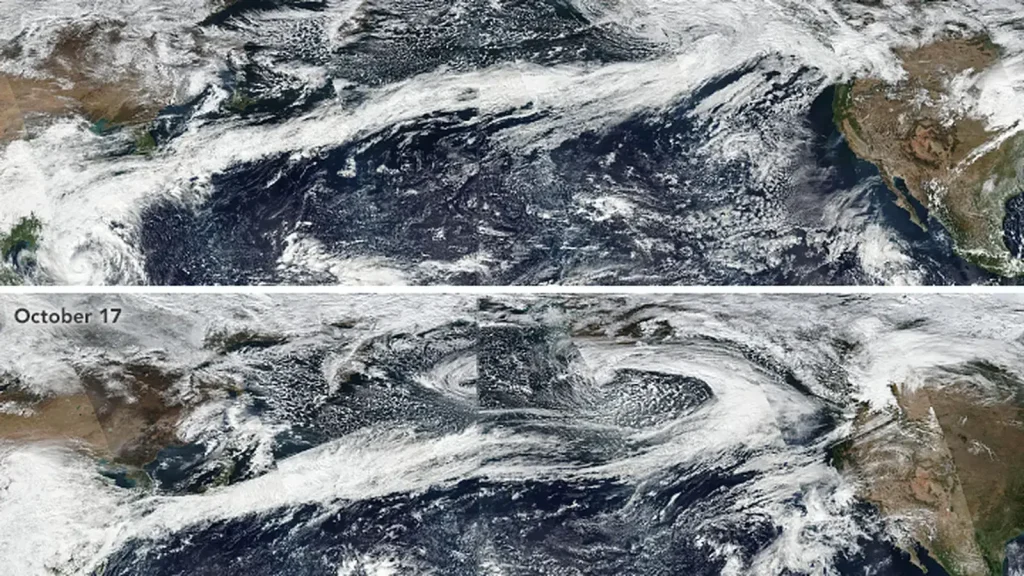
Long, narrow corridors of water vapour transport enormous quantities of moisture, sometimes relieving drought and sometimes producing destructive flooding.
Sep 30, 2026 • 12 min read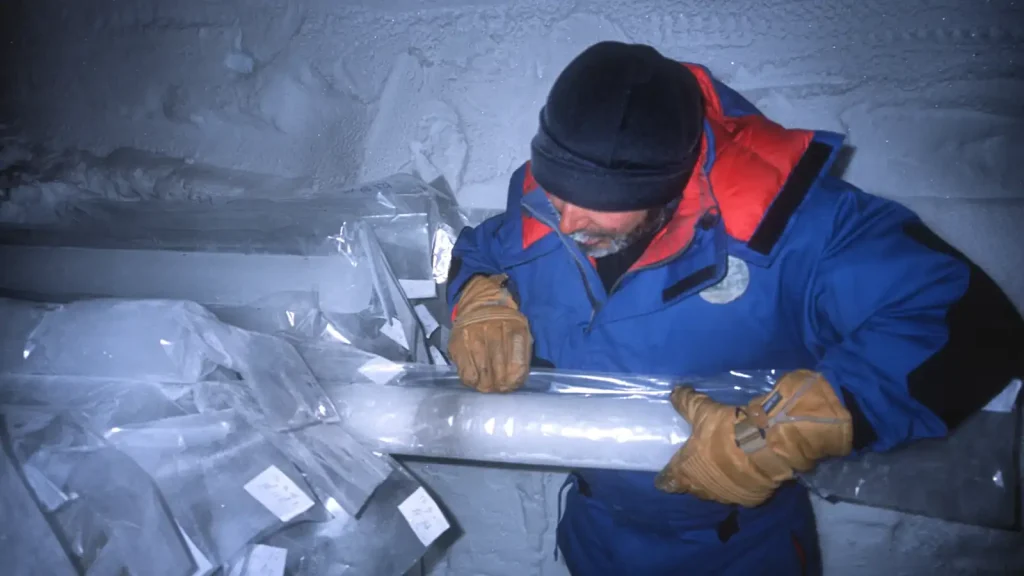
Layered polar ice stores old air, volcanic fallout, dust and water chemistry that scientists use to reconstruct past climates.
Sep 21, 2026 • 12 min read
Earthquakes send different kinds of waves through the planet, allowing researchers to map boundaries, materials and motion far below any drill.
Sep 19, 2026 • 12 min read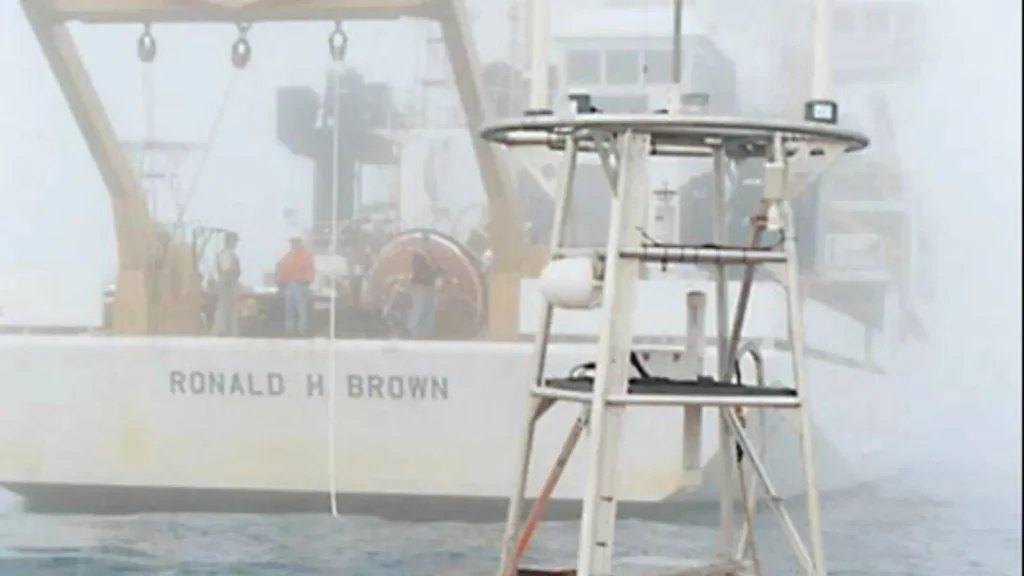
Seismometers, satellite positioning, seabed pressure sensors and coastal gauges transform an offshore disturbance into a rapidly updated warning.
Sep 13, 2026 • 13 min read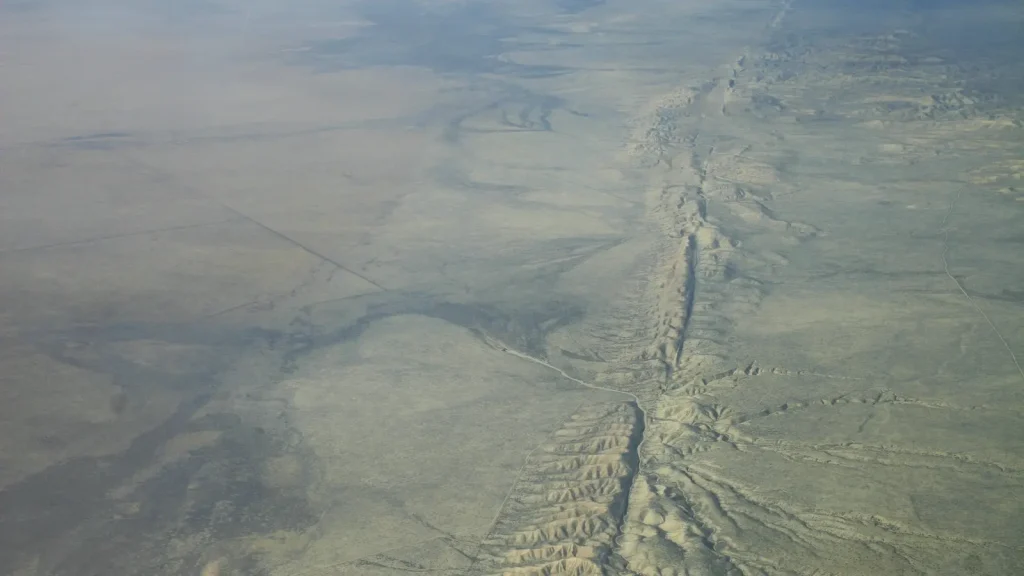
Ocean floors are created and consumed, continents collide and landscapes rise and erode within one measurable planetary system.
Sep 13, 2026 • 13 min readOne remarkable idea at a time—nature, science, history and beyond.