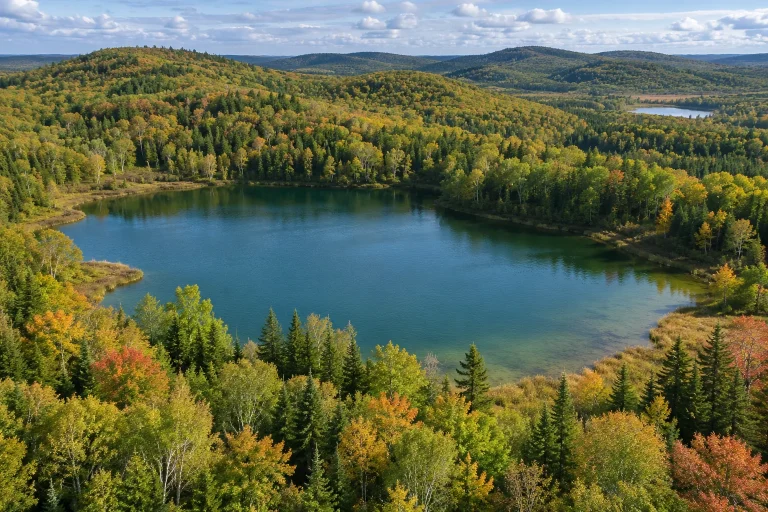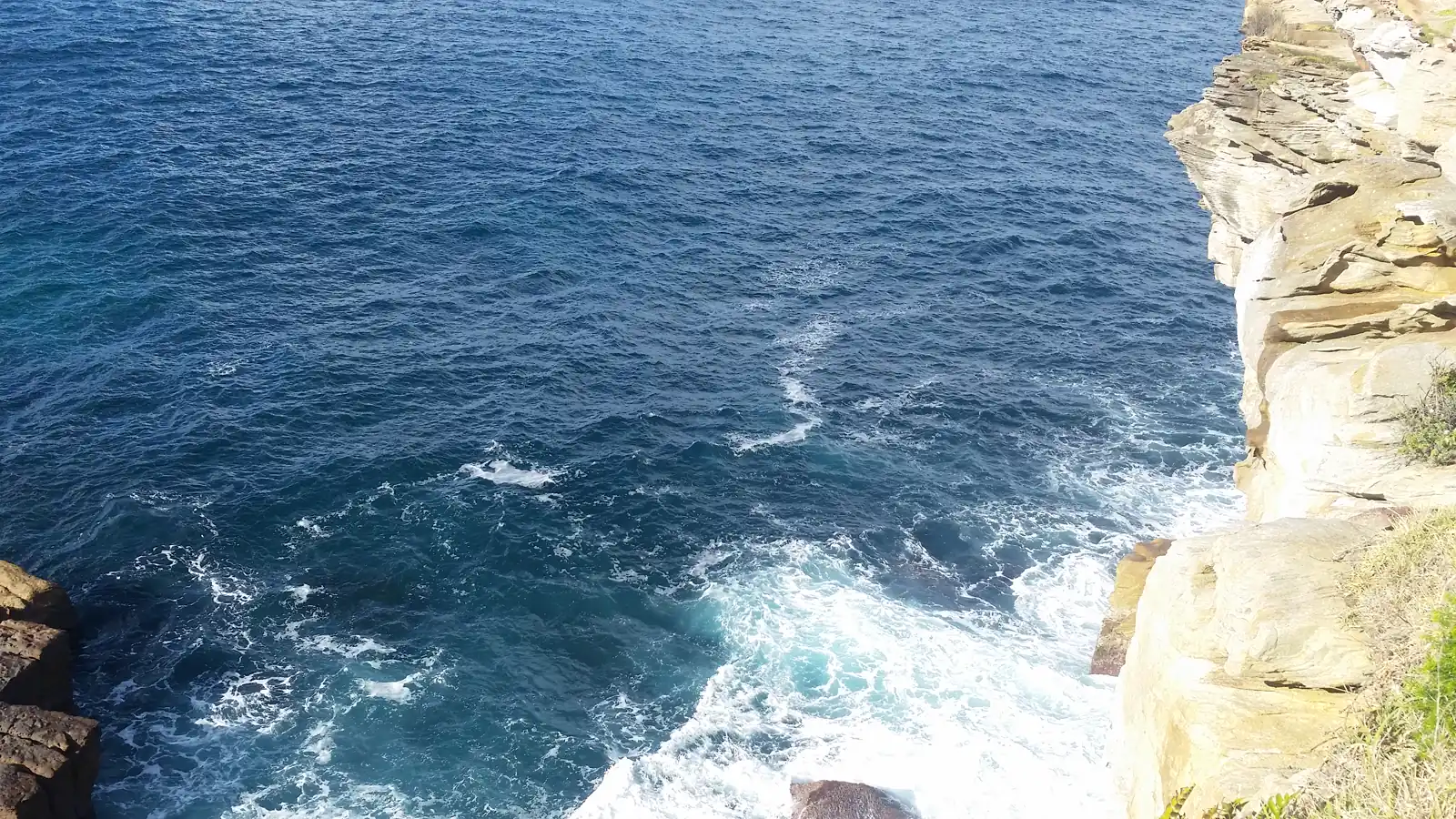
Rock weathering, rivers and seafloor chemistry built a vast ionic reservoir
The short answer
Seawater contains far more than table salt. Sodium and chloride dominate, but magnesium, sulfate, calcium, potassium and many trace ions are present. Their proportions reflect billions of years of interaction among rain, rivers, rocks, life, ocean crust and the water cycle. Salinity is both a chemical inventory and an active Earth-system signal.
Rain starts rock weathering
Carbon dioxide dissolves in rain and forms weak carbonic acid. Moving through soil and fractured rock, that water reacts with minerals and releases dissolved ions. The effect is small at one surface but enormous across continents and geological time.
Rivers deliver dilute ions
Streams and groundwater gather weathering products and carry them toward the sea. River water usually tastes fresh because concentrations are low, yet the global flow continuously supplies material. Suspended sediment adds another route for later chemical exchange.
Evaporation leaves salts behind
Solar energy transfers water molecules into the atmosphere while almost all ions remain. Vapour later condenses as freshwater rain or snow. This selective removal concentrates seawater wherever evaporation exceeds precipitation and river inflow.
Sodium and chloride dominate
Sodium and chloride together make up roughly 85 percent of dissolved ions by mass. Magnesium and sulfate contribute much of the remainder. Calling everything salt is convenient, but marine chemistry depends on the full ionic mixture.
The seafloor exchanges chemicals
Seawater enters cracks in young crust, heats near magma and reacts with basalt. Hydrothermal circulation removes magnesium and sulfate while adding metals and other substances. Vents transform ocean chemistry rather than acting as simple one-way salt taps.
Removal balances addition
Ions leave seawater through mineral precipitation, sediment burial, crustal reactions, sea spray deposited on land and incorporation into shells. Each ion has a characteristic residence time, allowing broad chemical stability while atoms continue circulating.
Average salinity is near 35
Open-ocean water commonly contains about 35 grams of dissolved salts per kilogram. Instruments infer salinity from conductivity, temperature and pressure. The familiar value is an average, not a constant shared by every depth and basin.
Freshwater inputs dilute regions
Rain, rivers and melting ice lower surface salinity by adding water with few dissolved ions. Estuaries and rainy equatorial regions can be markedly fresher than subtropical seas. Currents and mixing determine how far the anomaly spreads.
Sea ice rejects most salt
Growing sea ice excludes much of the dissolved material into concentrated brine, making nearby water denser. Melting later freshens the surface. This seasonal cycle helps shape polar layering and deep-water formation.
Salinity changes density
Saltier water is generally denser, while warming makes water less dense. Temperature and salinity together determine buoyancy and help drive overturning circulation that moves heat, oxygen, nutrients and carbon around the planet.
Enclosed seas differ
The Baltic is relatively fresh because river input is large, while the Red Sea is saltier because evaporation is intense and freshwater input is limited. Basin shape and narrow straits can preserve these regional balances.
Seawater worsens dehydration
Human kidneys cannot excrete a large seawater salt load using less water than was swallowed. Processing the extra ions produces a net water loss. Desalination works by physically separating water molecules from dissolved material.
Common misconceptions
The ocean is not salty because one ancient sea evaporated, and its salinity is not identical everywhere. Rivers continuously deliver dilute ions, while sediments, organisms and crustal reactions continuously remove them. Evaporation changes concentration locally but does not explain the origin of every ion.
How scientists know
Oceanographers analyse water collected at depth, use conductivity-temperature-depth instruments, map river chemistry and sample hydrothermal fluids. Isotopes, mineral equilibria and circulation models connect observations to weathering, seafloor reactions and transport. Ships, floats and satellites reveal how salinity changes with the water cycle.
Why is rain not salty?
Evaporation lifts water molecules while leaving nearly all ions behind. Sea spray can carry droplets locally, but atmospheric vapour is comparatively fresh.
Why are most lakes fresh?
Many lakes have outlets that carry dissolved material onward. Closed basins with strong evaporation can become extremely salty.
Is salinity increasing?
Global average composition is constrained by long chemical cycles, while regional surface salinity changes with rainfall, evaporation, currents and ice melt.
Can seawater be drinkable?
Reverse osmosis or distillation can remove ions, but both require energy, maintenance and responsible brine management.
Was the early ocean salty?
Early oceans acquired ions through rock-water reactions, volcanism and weathering; their composition changed with the crust, atmosphere and life.
Key takeaways
- Weathering and rivers are major sources of dissolved ions.
- Evaporation concentrates salts because water leaves while ions remain.
- Seafloor reactions add, remove and transform material.
- Salinity varies and helps drive ocean circulation.
Continue exploring
Sources and further reading
Keep exploring.
One remarkable idea at a time—nature, science, history and beyond.
Last updated October 29, 2026.

Barnakle Editorial Team
Barnakle Editorial Team is the collective byline used for Barnakle’s editorial articles. The contributor profile explains the team identity and links to the publication’s editorial policies.
More from the editorial team →