
Astronomy
Why Do Stars Twinkle?
The familiar flicker reveals the air between an observer and a distant star.
Oct 3, 2026 • 6 min readExplore the universe, from planets and stars to galaxies and cosmic history, through astronomy, space missions and scientific questions.
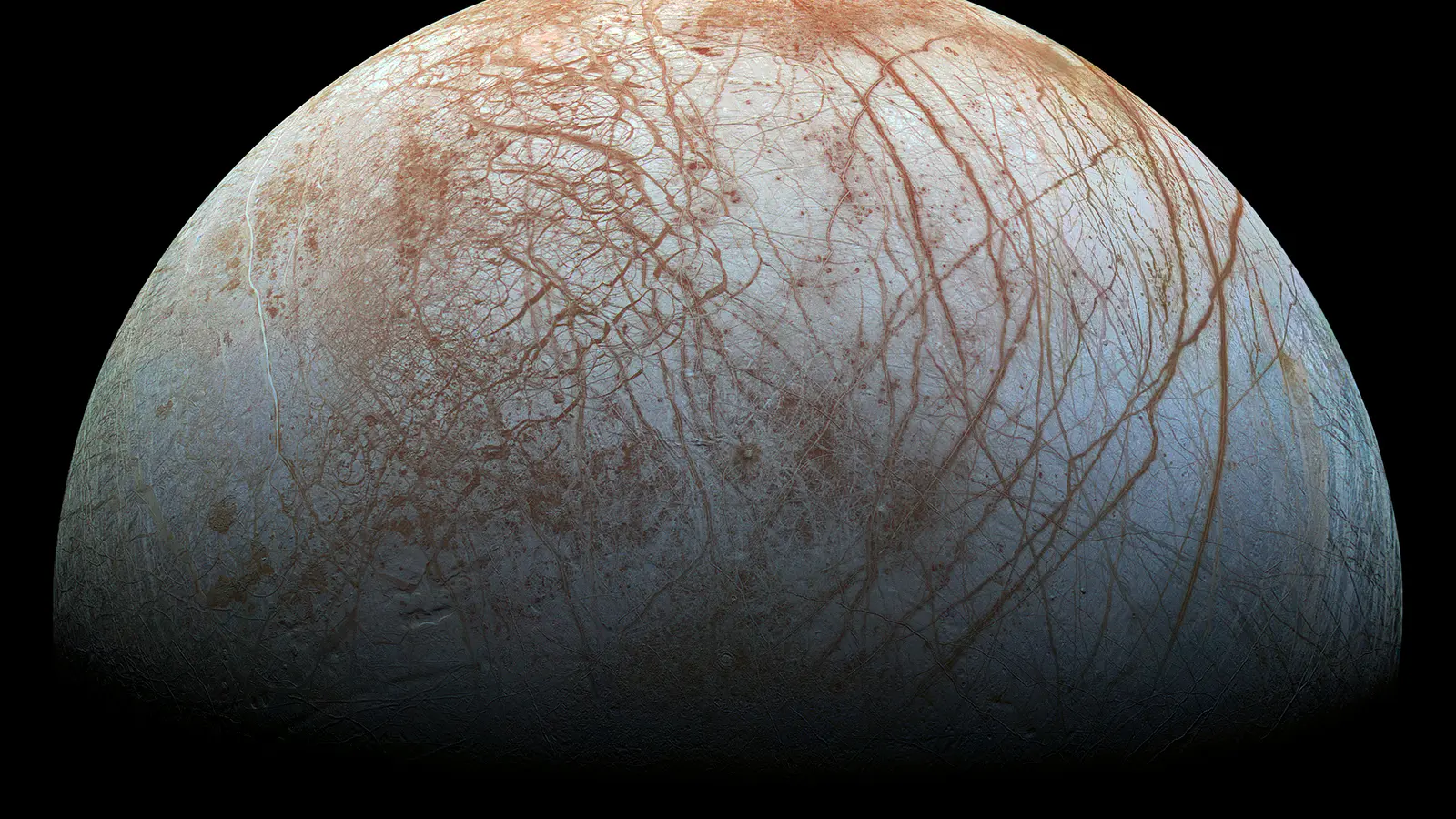
Some of the solar system’s largest oceans never see the Sun. Gravity, magnetic fields and plumes reveal liquid water beneath the ice of distant moons.
Sep 16, 2026 • 4 min readRead the discovery →New stories, explanations and research from Space & The Universe.
The familiar flicker reveals the air between an observer and a distant star.
Oct 3, 2026 • 6 min read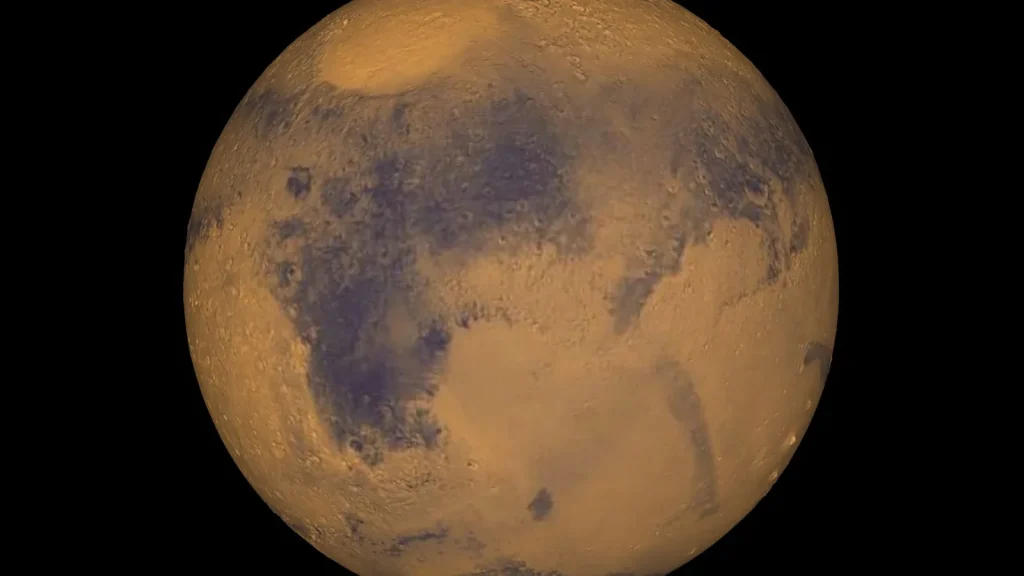
Mars looks red because iron-bearing minerals in its rocks and dust became oxidized. Ferric iron compounds absorb more blue and green light and reflect…
Oct 1, 2026 • 4 min read
Mercury is closer to the Sun, but Venus is hotter because its massive carbon-dioxide atmosphere traps outgoing infrared energy. Venus averages about 464°C at…
Oct 1, 2026 • 4 min read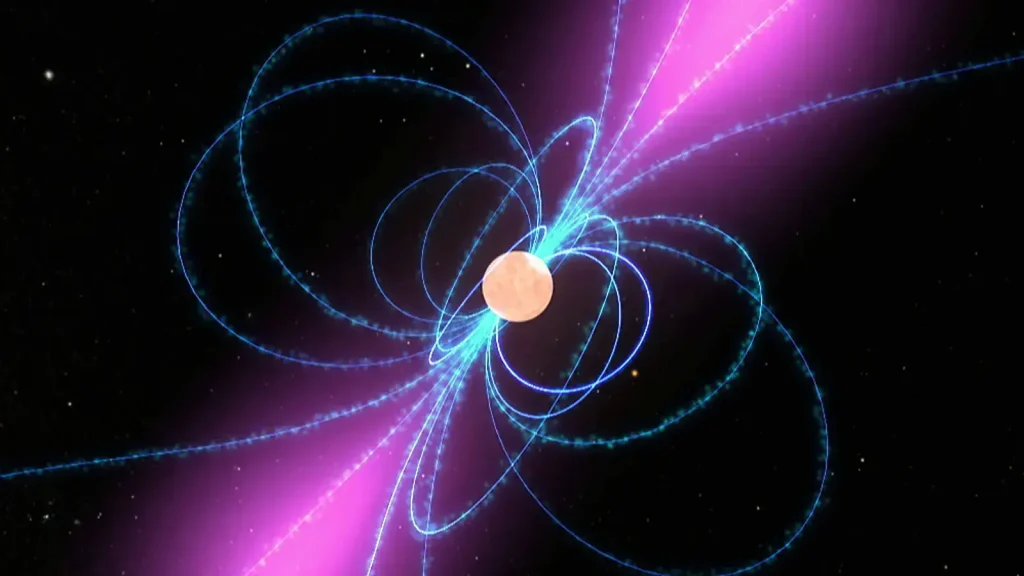
Rapidly rotating neutron stars sweep radio or high-energy beams past Earth with extraordinary regularity, making them tools for studying gravity and interstellar space.
Sep 30, 2026 • 2 min read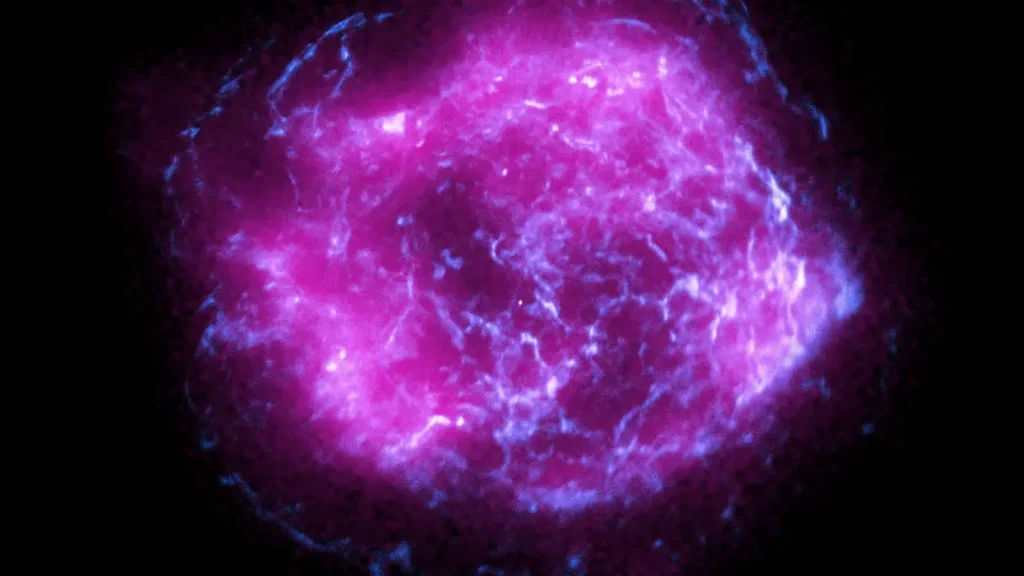
A high-energy cosmic ray can trigger a cascade of secondary particles in the atmosphere. Ground arrays and fluorescence telescopes reconstruct the event from its…
Sep 30, 2026 • 3 min read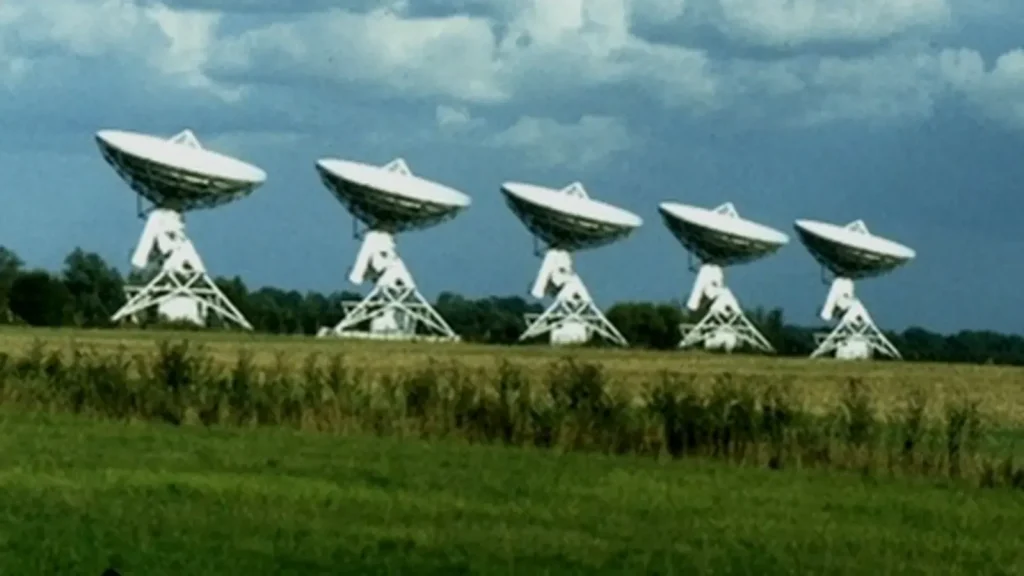
Radio interferometry combines signals from separated antennas to resolve fine structure. Baselines determine detail, while collecting area and coverage determine what can be reconstructed.
Sep 30, 2026 • 3 min read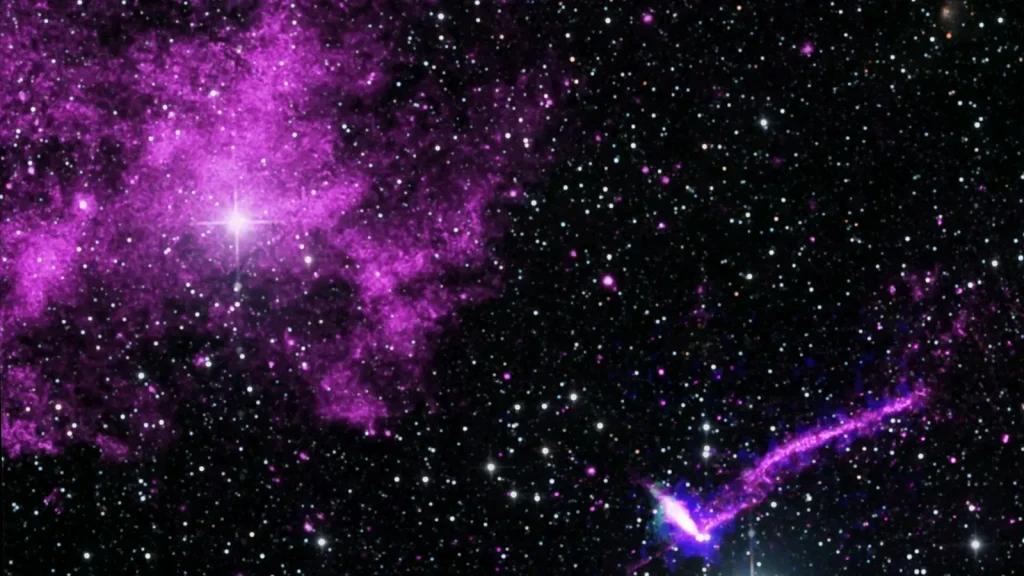
Rapidly rotating neutron stars can sweep radio beams past Earth with extraordinary regularity, allowing astronomers to test gravity, map interstellar matter and search for…
Sep 28, 2026 • 2 min read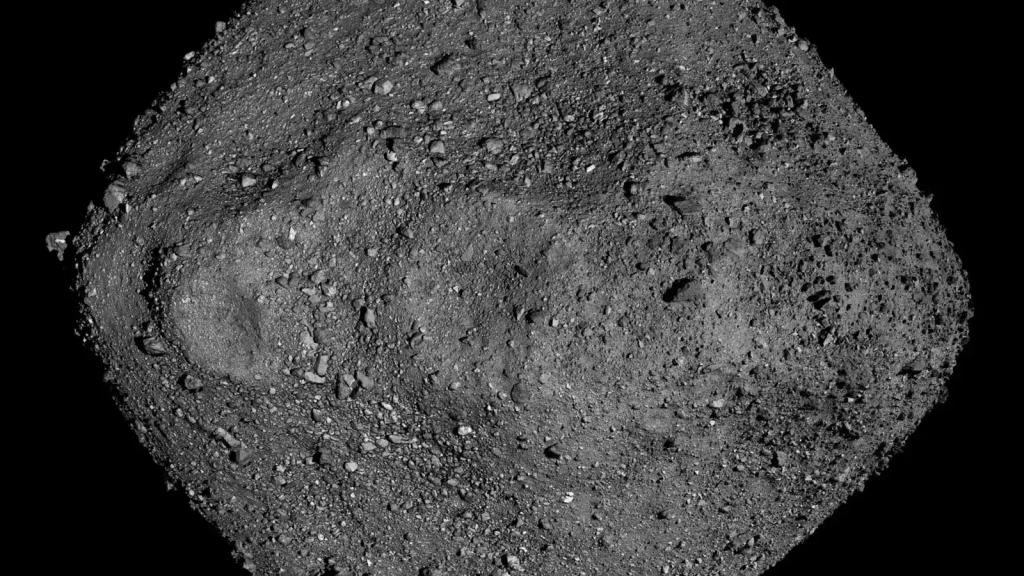
Asteroid sample return combines navigation, brief surface contact, protected storage and an Earth-entry capsule. Clean handling preserves the evidence after the spacecraft’s journey ends.
Sep 28, 2026 • 3 min read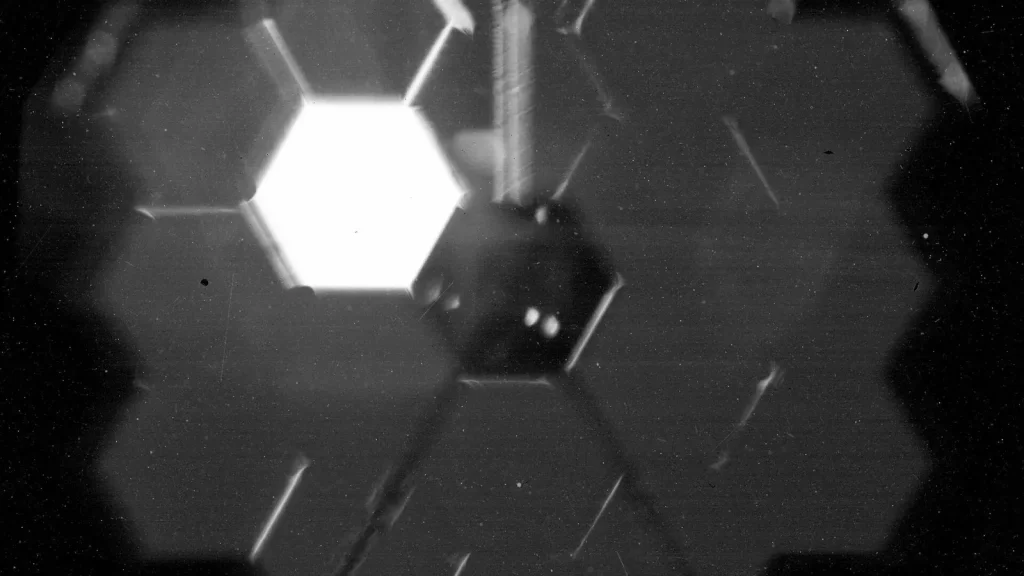
Lagrange points are equilibrium locations in a rotating orbital model. Spacecraft use nearby trajectories for useful observing geometry, with station-keeping at unstable points.
Sep 28, 2026 • 3 min read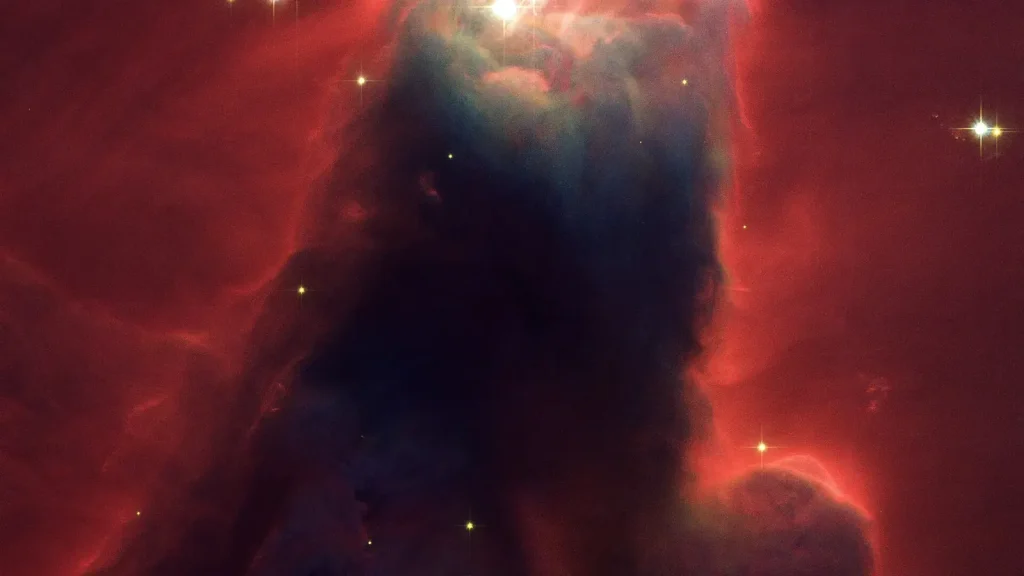
Stars begin in dense regions of cold gas clouds. Gravity drives collapse, while rotation, magnetic fields and feedback shape how material reaches a growing…
Sep 28, 2026 • 3 min read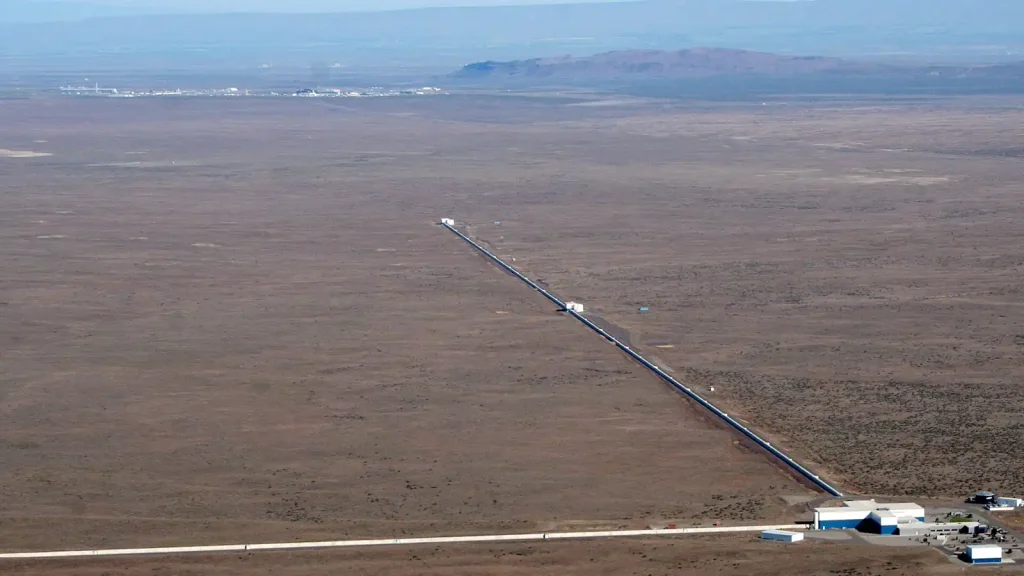
Kilometre-scale laser interferometers measure minute changes in spacetime and reconstruct mergers far beyond the Milky Way.
Sep 21, 2026 • 12 min read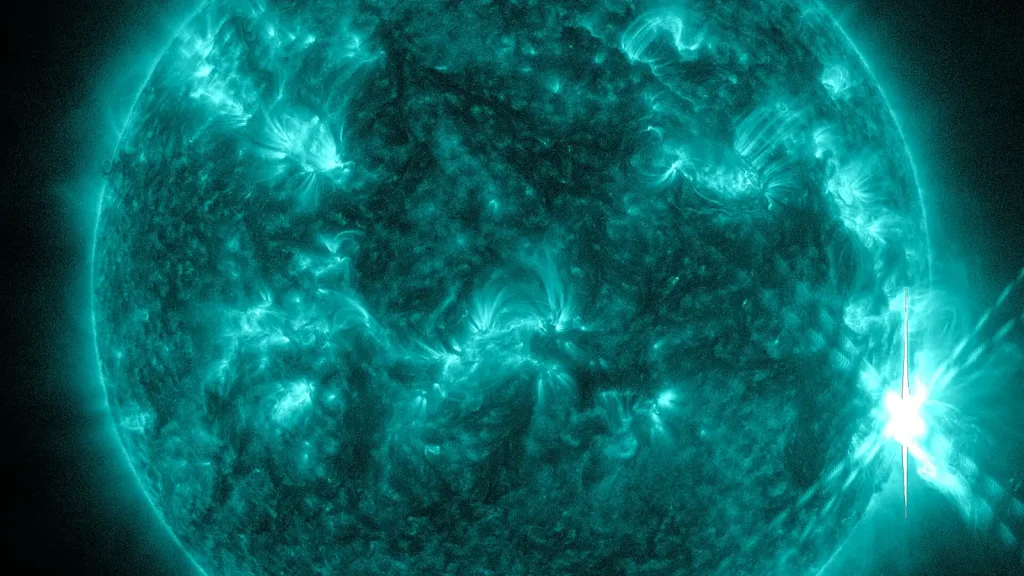
Solar flares, energetic particles and geomagnetic disturbances affect technology through different mechanisms. Impacts depend on the event, its connection to Earth and the system…
Sep 21, 2026 • 3 min read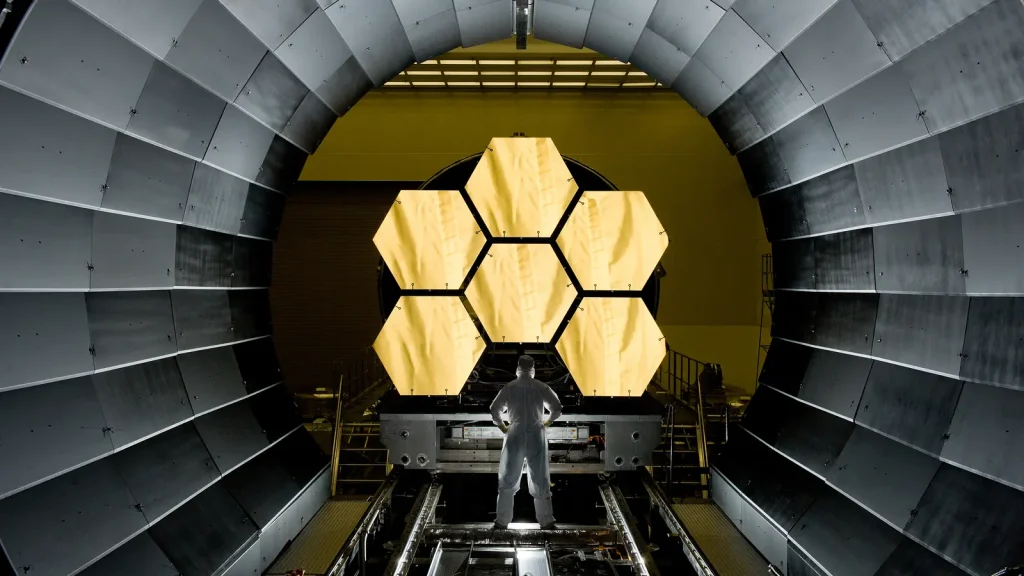
Astronomers separate tiny planetary fingerprints from starlight to infer gases, clouds, temperatures and winds on worlds light-years away.
Sep 13, 2026 • 9 min read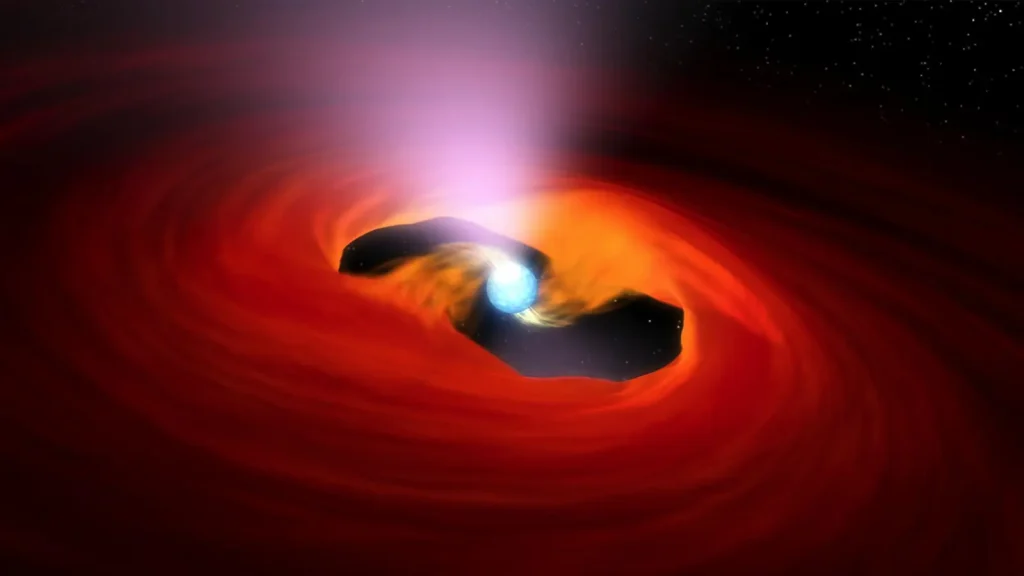
A neutron star compresses more mass than the Sun into a sphere the size of a city, turning its interior into a laboratory for…
Sep 13, 2026 • 11 min readOne remarkable idea at a time—nature, science, history and beyond.