
Astronomy
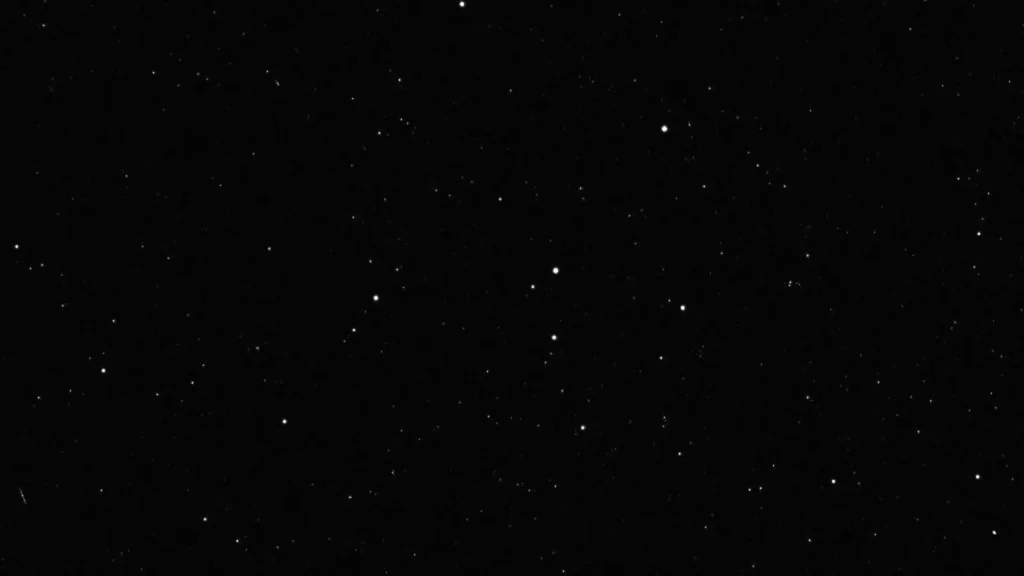
Why Do Stars Twinkle?
The familiar flicker reveals the air between an observer and a distant star.
Oct 3, 2026 • 6 min readExplore stars, galaxies, telescopes and the methods astronomers use to investigate objects far beyond Earth.
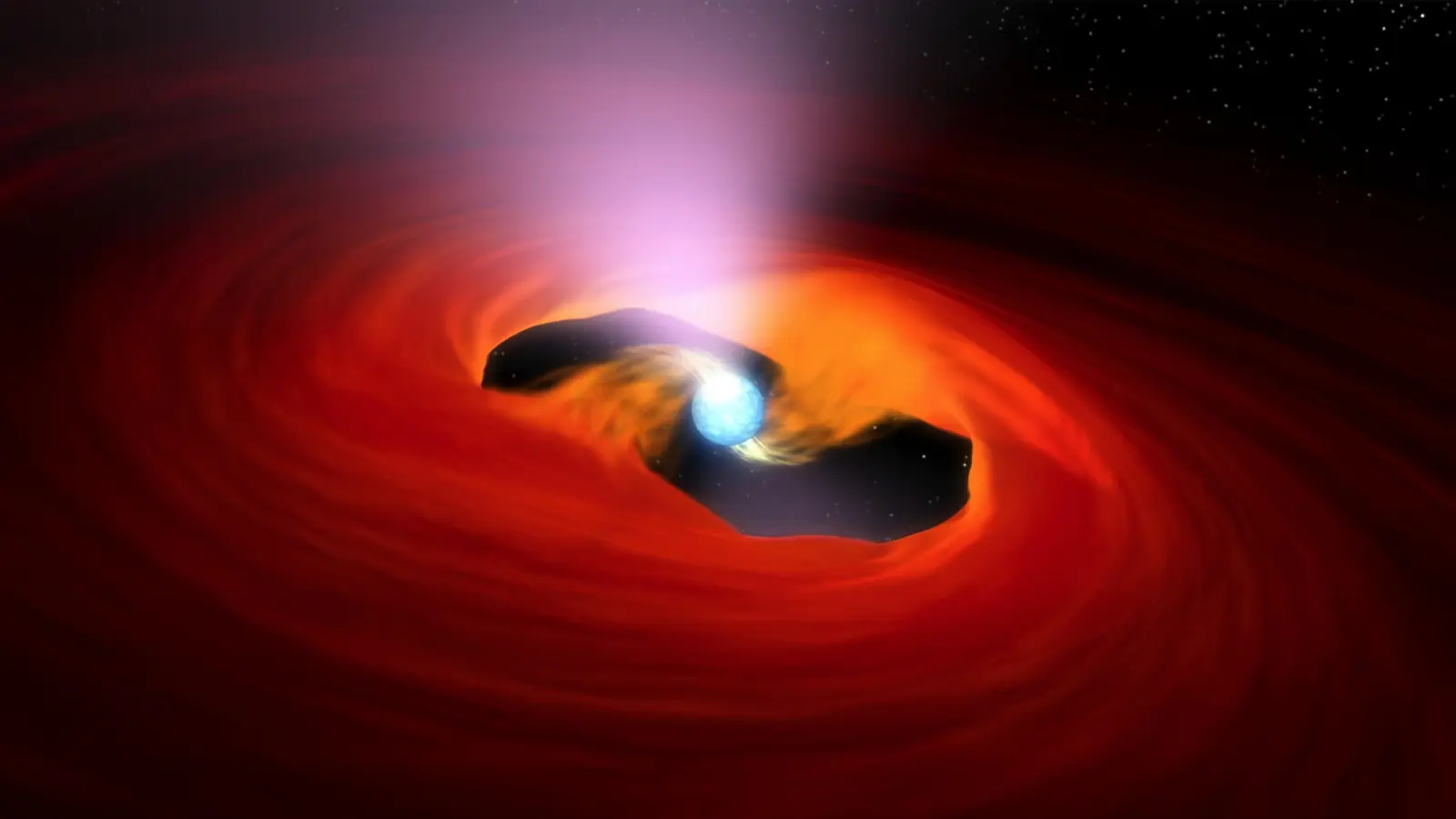
A neutron star compresses more mass than the Sun into a sphere the size of a city, turning its interior into a laboratory for matter beyond terrestrial reach.
Sep 13, 2026 • 11 min readRead the discovery →New stories, explanations and research from Astronomy.
The familiar flicker reveals the air between an observer and a distant star.
Oct 3, 2026 • 6 min read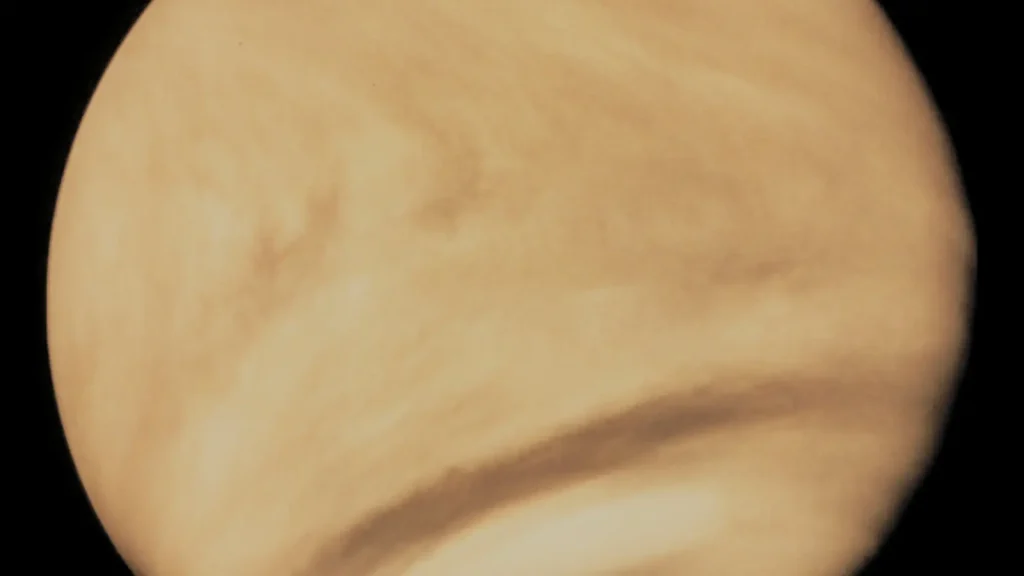
Mercury is closer to the Sun, but Venus is hotter because its massive carbon-dioxide atmosphere traps outgoing infrared energy. Venus averages about 464°C at…
Oct 1, 2026 • 4 min read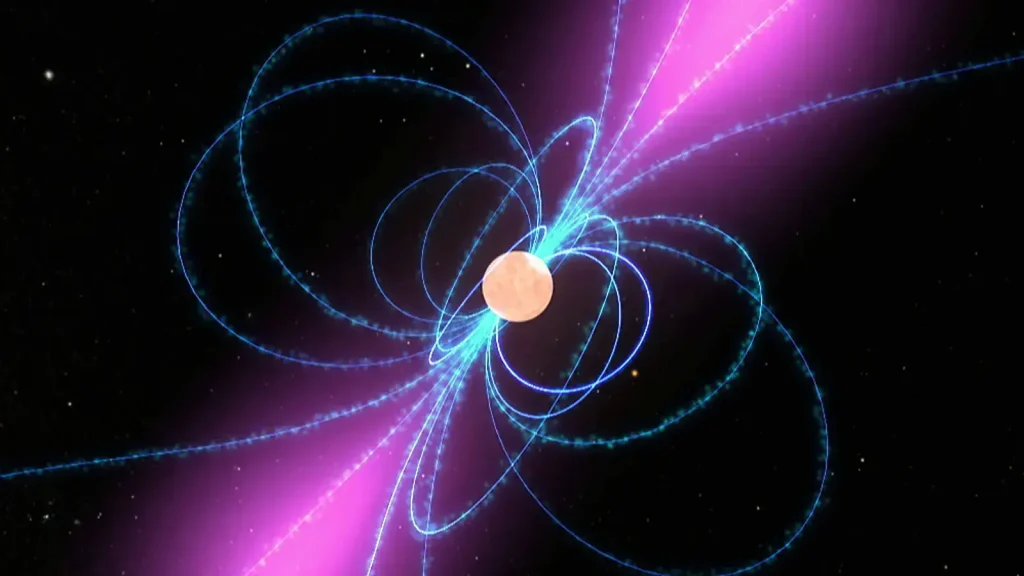
Rapidly rotating neutron stars sweep radio or high-energy beams past Earth with extraordinary regularity, making them tools for studying gravity and interstellar space.
Sep 30, 2026 • 2 min read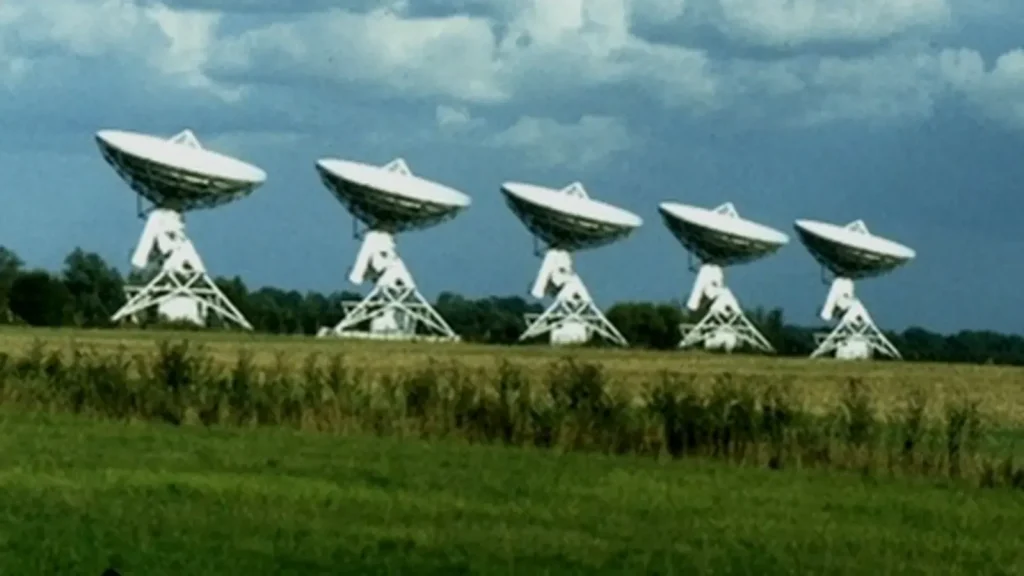
Radio interferometry combines signals from separated antennas to resolve fine structure. Baselines determine detail, while collecting area and coverage determine what can be reconstructed.
Sep 30, 2026 • 3 min read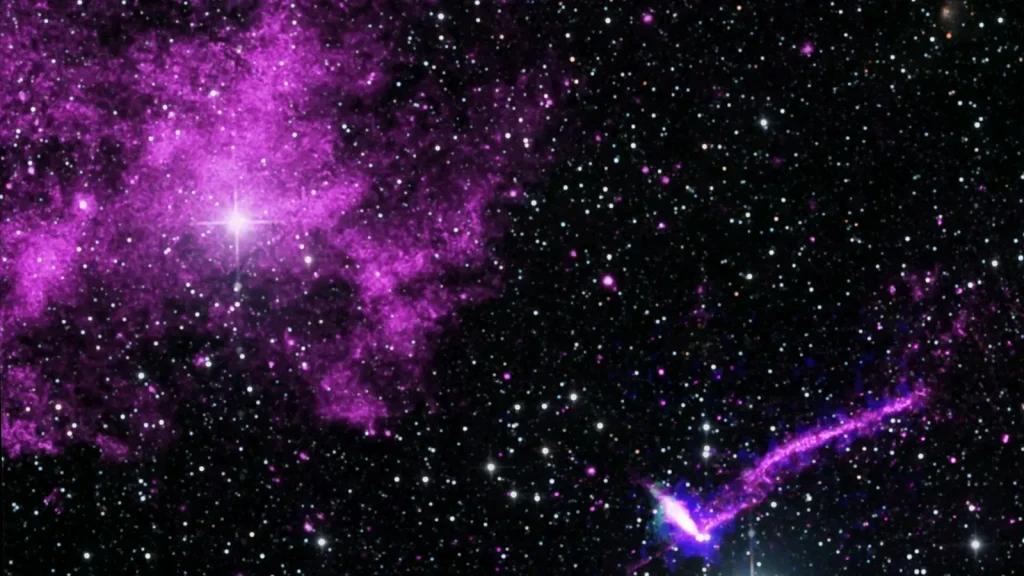
Rapidly rotating neutron stars can sweep radio beams past Earth with extraordinary regularity, allowing astronomers to test gravity, map interstellar matter and search for…
Sep 28, 2026 • 2 min read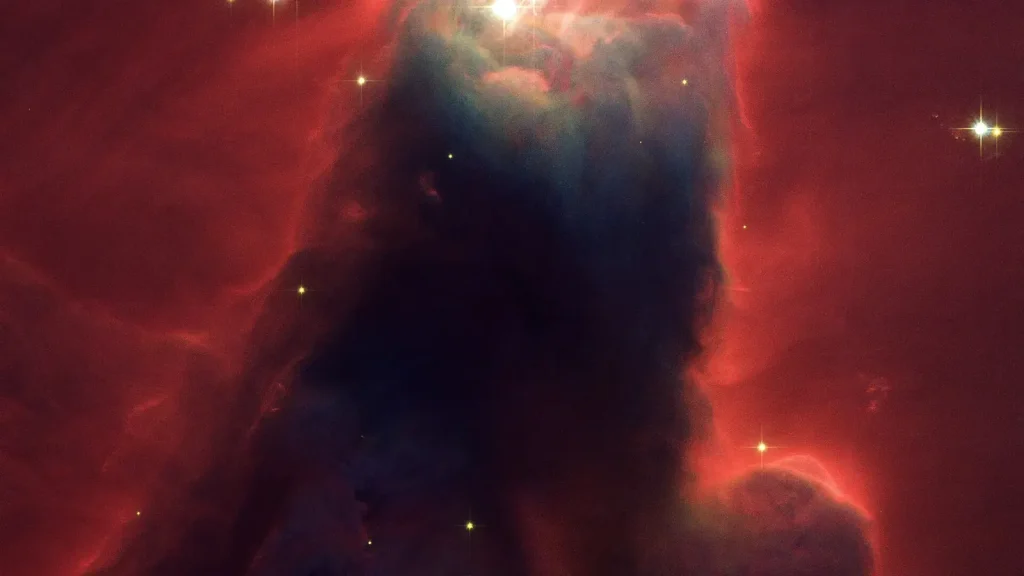
Stars begin in dense regions of cold gas clouds. Gravity drives collapse, while rotation, magnetic fields and feedback shape how material reaches a growing…
Sep 28, 2026 • 3 min read
Mass bends spacetime and therefore the paths of light, allowing galaxies and clusters to magnify, distort or multiply the images of more distant objects…
Sep 24, 2026 • 3 min read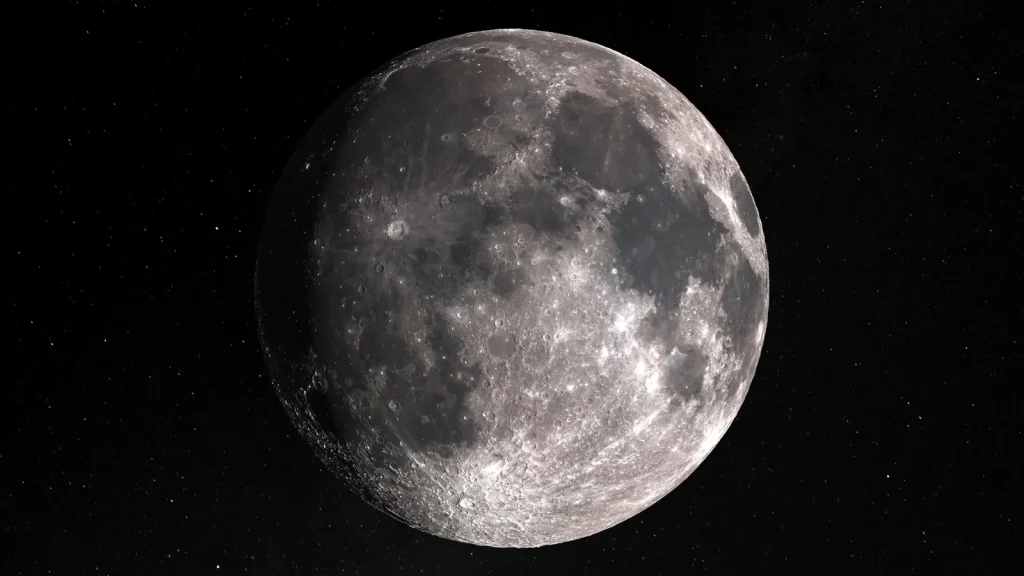
The Moon does not physically change shape. Half of it is illuminated by the Sun at almost all times, and its phases occur because…
Sep 23, 2026 • 5 min read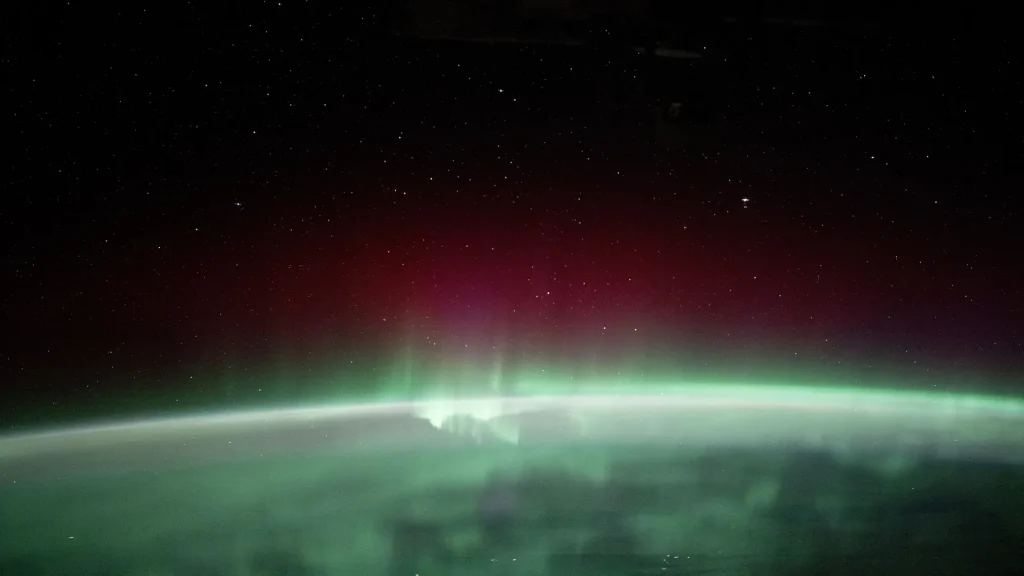
The northern lights form when energetic charged particles guided by Earth’s magnetic field collide with atoms and molecules in the upper atmosphere. Those gases…
Sep 23, 2026 • 5 min read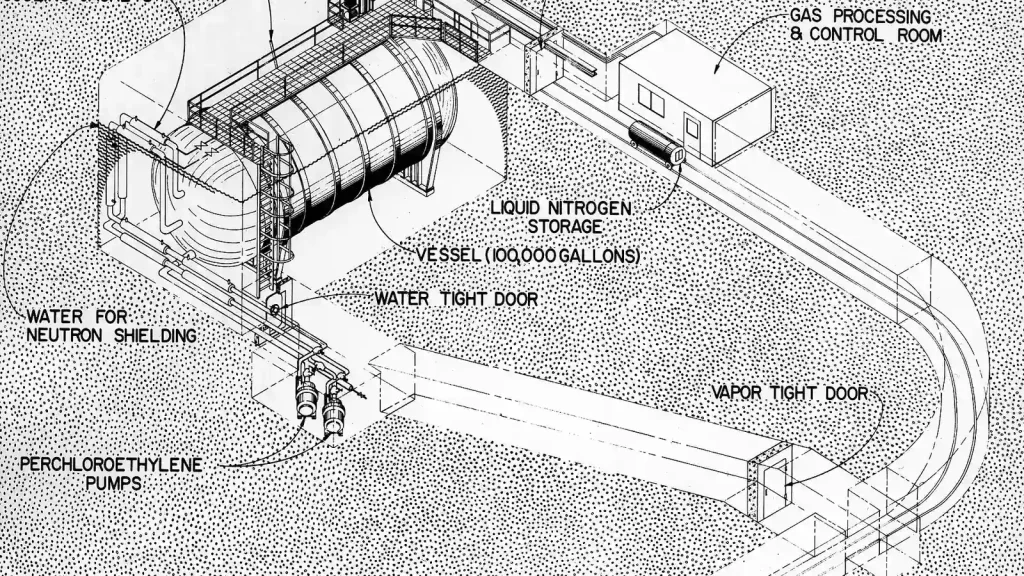
Solar neutrinos carry evidence of fusion from deep inside the Sun. Underground detectors measure rare interactions and distinguish changes in flavour from missing energy.
Sep 23, 2026 • 3 min read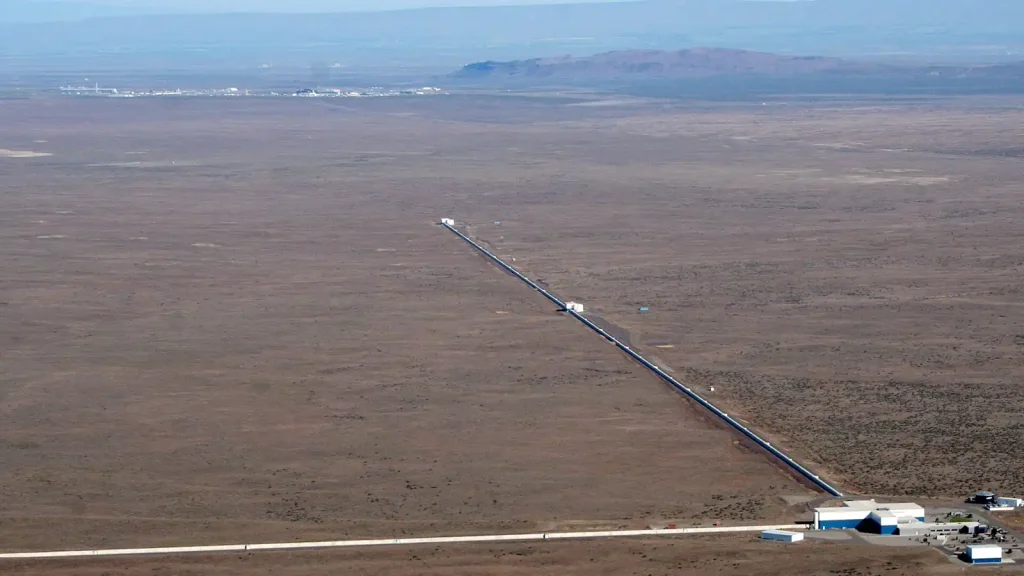
Kilometre-scale laser interferometers measure minute changes in spacetime and reconstruct mergers far beyond the Milky Way.
Sep 21, 2026 • 12 min readOne remarkable idea at a time—nature, science, history and beyond.