How Scientists Study the Atmospheres of Distant Planets
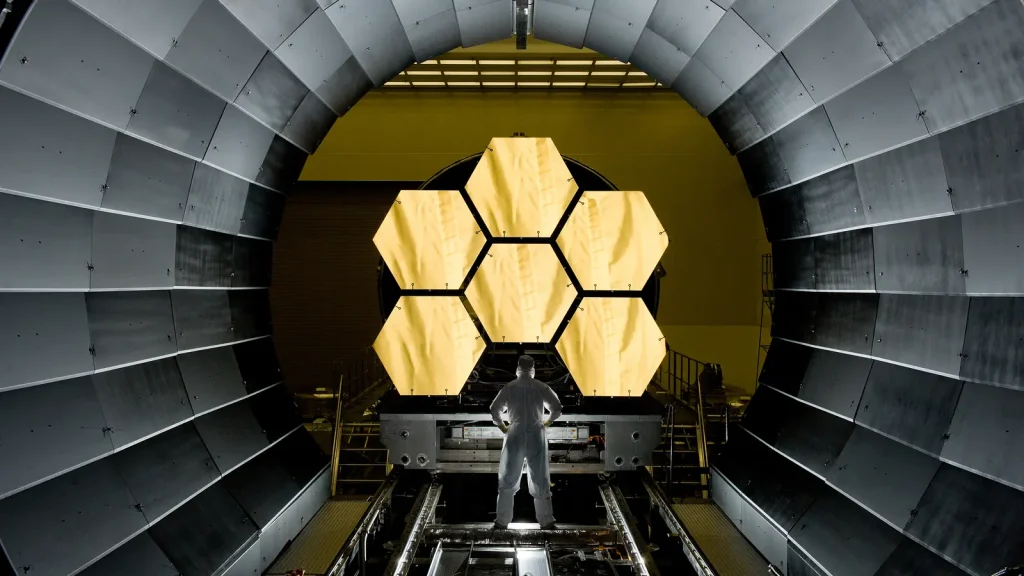
Astronomers separate tiny planetary fingerprints from starlight to infer gases, clouds, temperatures and winds on worlds light-years away.
Sep 13, 2026 • 8 min readExplore the universe, from planets and stars to galaxies and cosmic history, through astronomy, space missions and scientific questions.
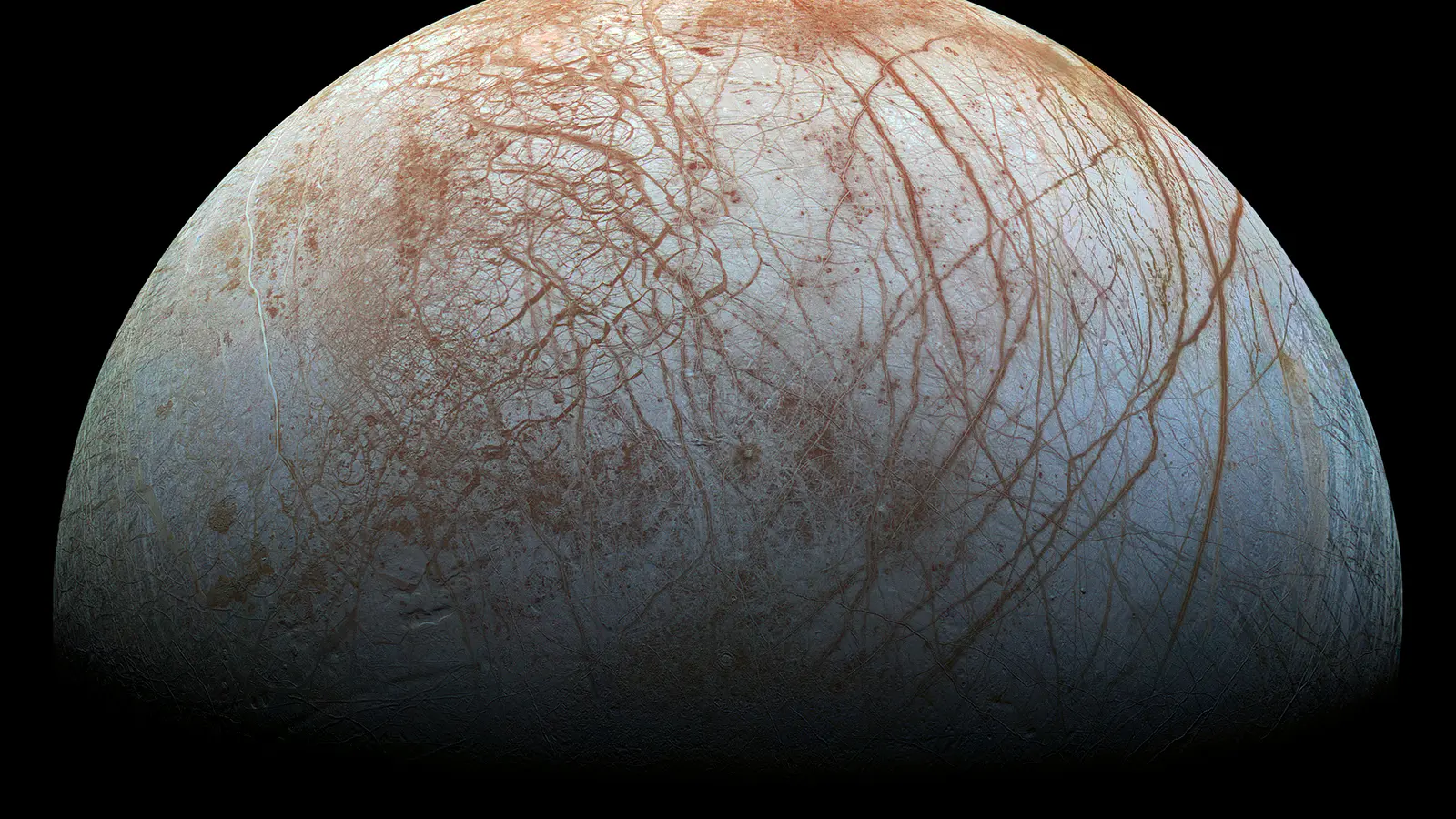
Some of the solar system’s largest oceans never see the Sun. Gravity, magnetic fields and plumes reveal liquid water beneath the ice of distant moons.
Sep 16, 2026 • 4 min readRead the discovery →New stories, explanations and research from Space & The Universe.
Astronomers separate tiny planetary fingerprints from starlight to infer gases, clouds, temperatures and winds on worlds light-years away.
Sep 13, 2026 • 8 min read

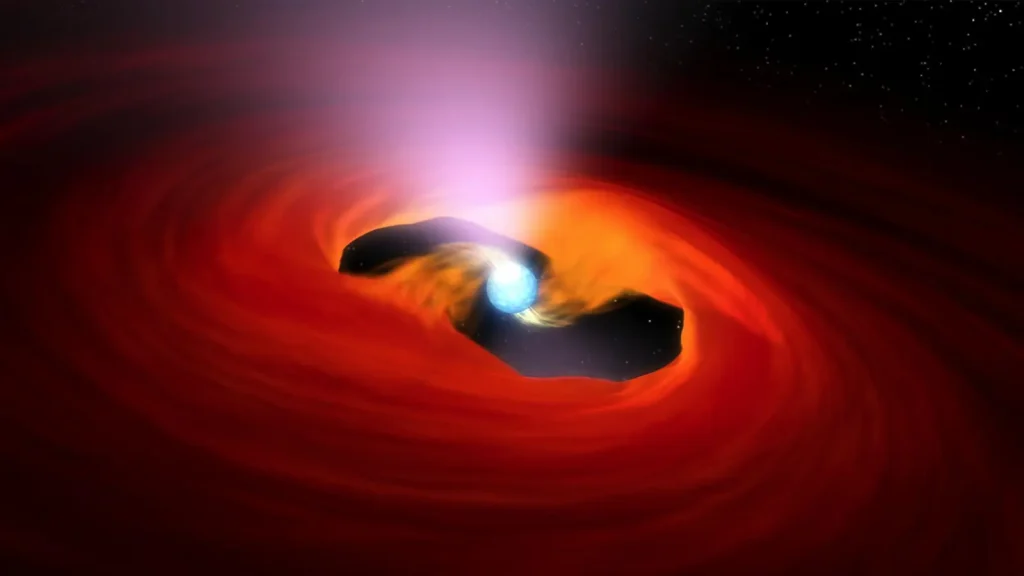
A neutron star compresses more mass than the Sun into a sphere the size of a city, turning its interior into a laboratory for…
Sep 13, 2026 • 11 min read
What happens at a black hole event horizon? Follow the view from far away and in free fall, from time dilation to tidal forces…
Sep 12, 2026 • 12 min read
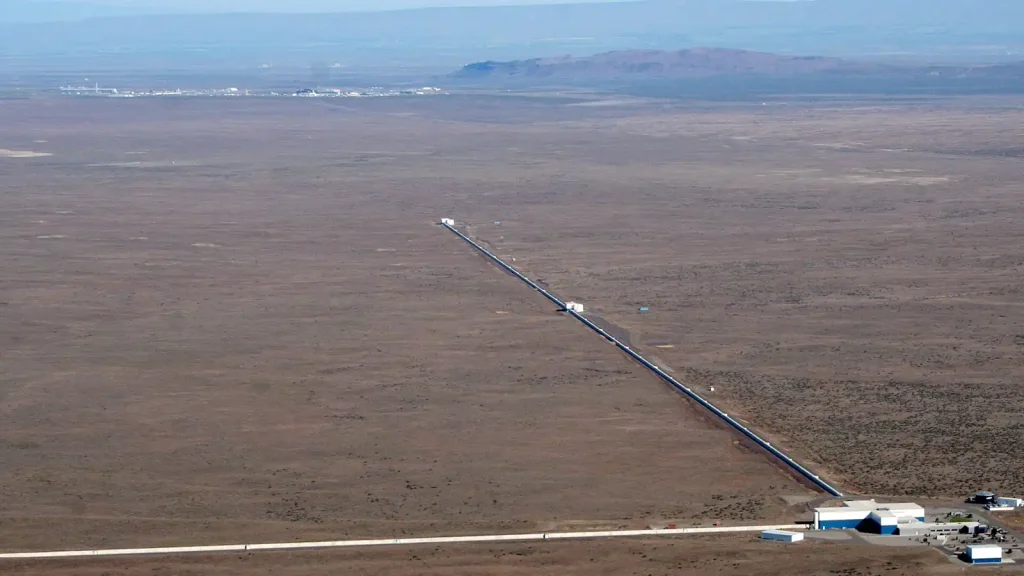
Kilometre-scale laser interferometers measure minute changes in spacetime and reconstruct mergers far beyond the Milky Way.
Sep 21, 2026 • 12 min read
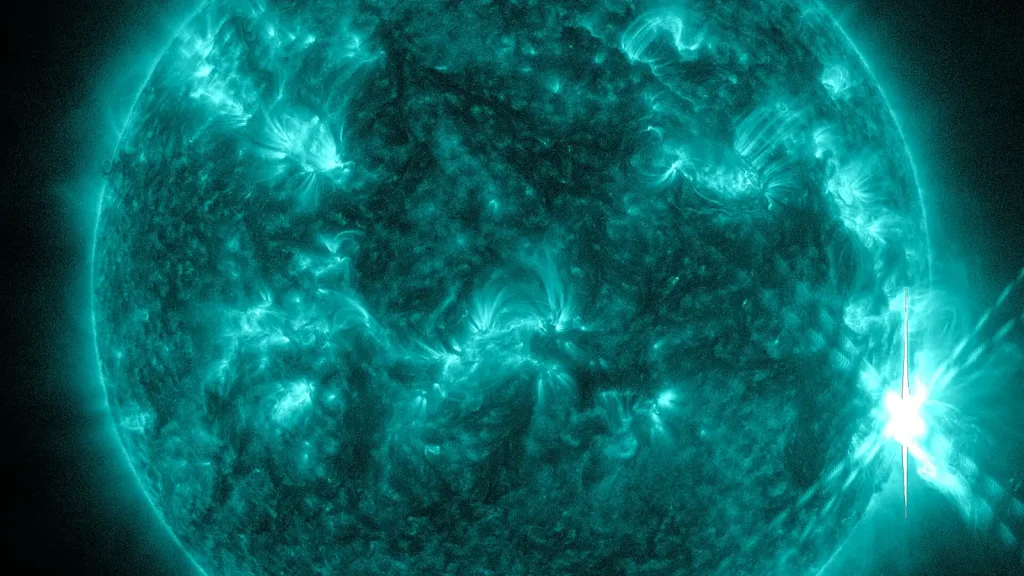
Activity on the Sun can launch radiation and magnetized plasma that disrupt radio, satellites, navigation and power systems near Earth.
Sep 21, 2026 • 13 min read
Astronomers separate tiny planetary fingerprints from starlight to infer gases, clouds, temperatures and winds on worlds light-years away.
Sep 13, 2026 • 8 min read
A neutron star compresses more mass than the Sun into a sphere the size of a city, turning its interior into a laboratory for…
Sep 13, 2026 • 11 min readOne remarkable idea at a time—nature, science, history and beyond.