
Earth & The Planet
How Earth’s Magnetic Field Reverses
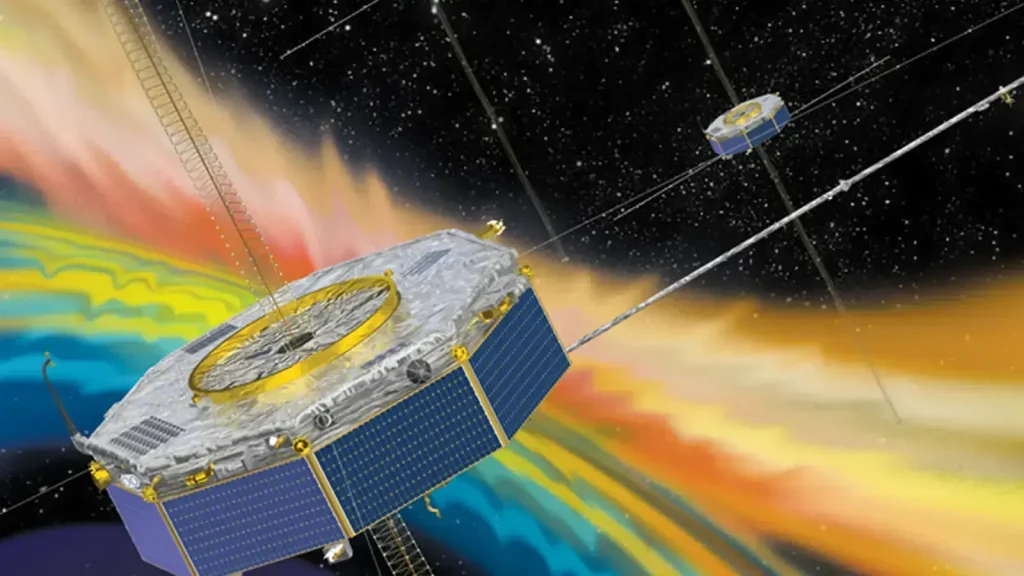
Ancient rocks record changes in magnetic polarity. Reversals reflect the changing geodynamo deep inside Earth, not the planet physically turning upside down.
Sep 30, 2026 • 4 min readExplore Earth's landscapes, oceans, atmosphere and changing systems, from geological processes to the environments that support life.
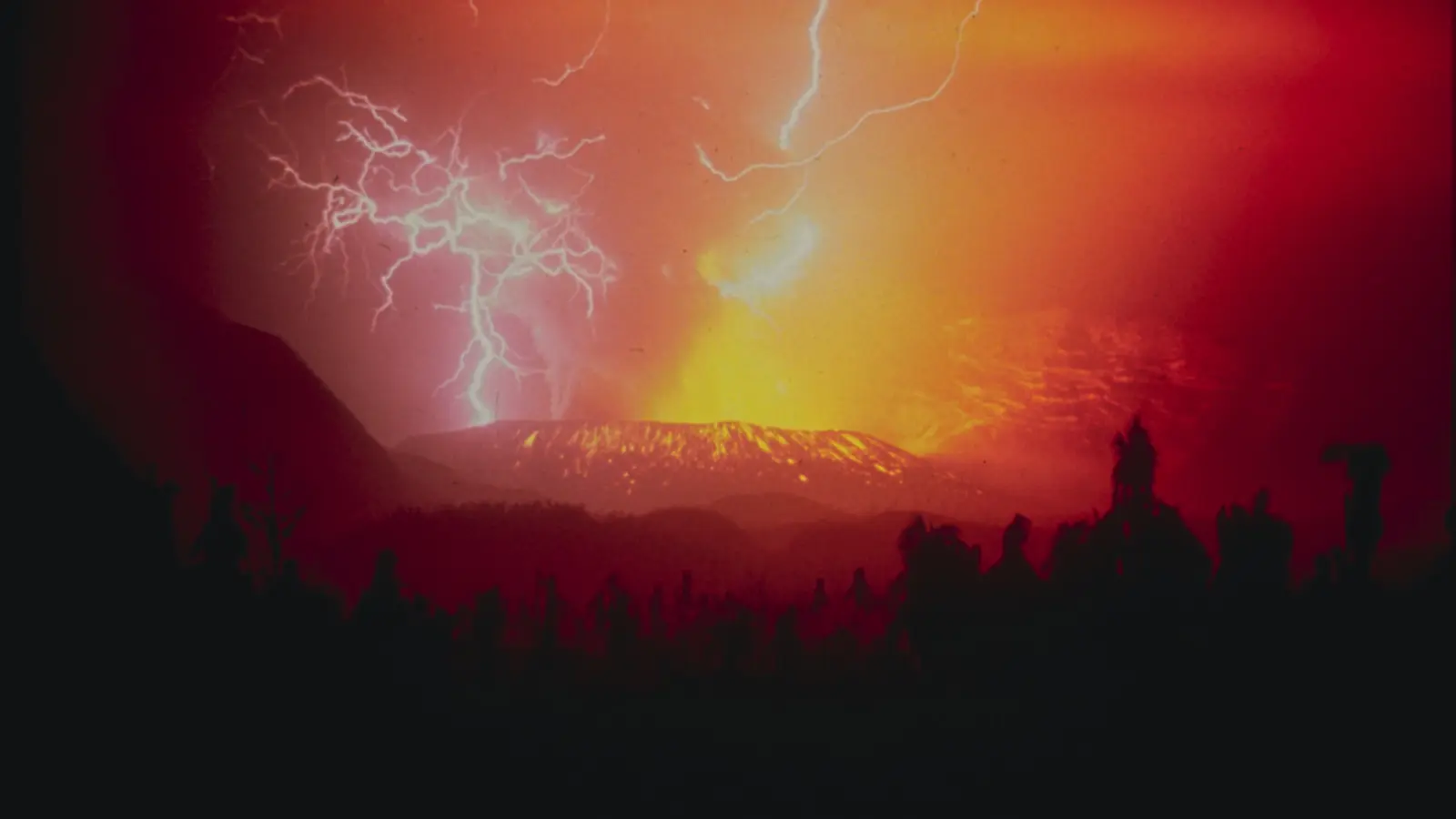
Inside an eruption cloud, colliding ash, ice and fragmented rock can separate electric charge until the plume discharges like a violent thunderstorm.
Sep 16, 2026 • 4 min readRead the discovery →New stories, explanations and research from Earth & The Planet.
Ancient rocks record changes in magnetic polarity. Reversals reflect the changing geodynamo deep inside Earth, not the planet physically turning upside down.
Sep 30, 2026 • 4 min read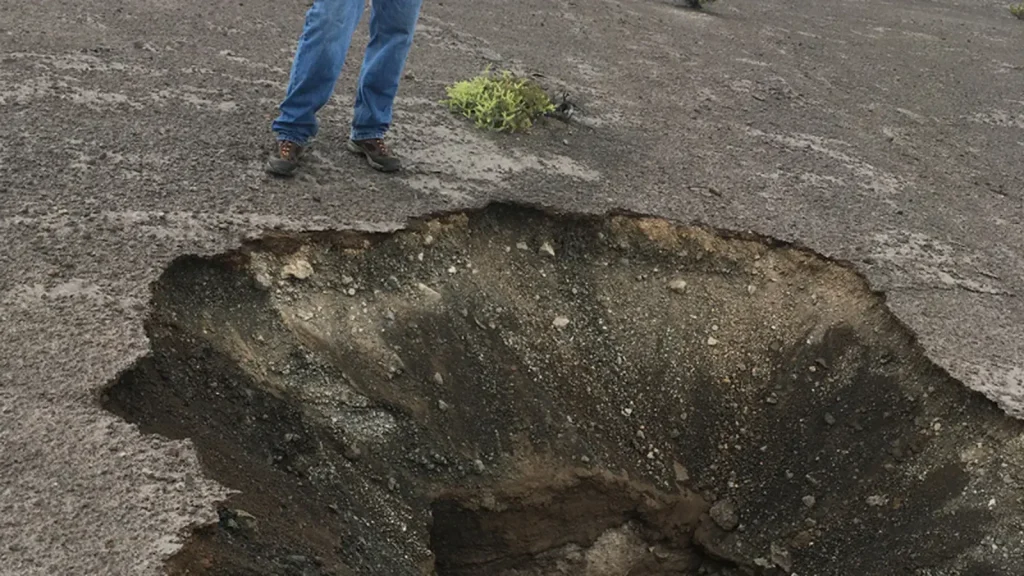
Sinkholes develop when underground material is removed and the surface subsides or collapses. Soluble rock, sediment and groundwater changes shape how—and how quickly—they appear.
Sep 30, 2026 • 3 min read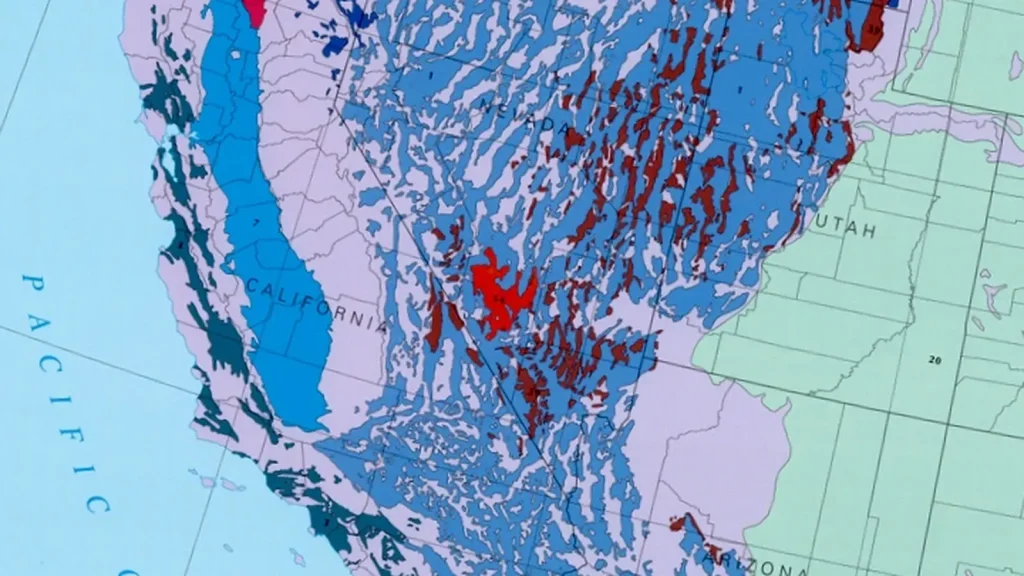
Aquifers store groundwater in pores and fractures and transmit it through connected pathways. Recharge, pressure and pumping determine how that water becomes available.
Sep 30, 2026 • 3 min read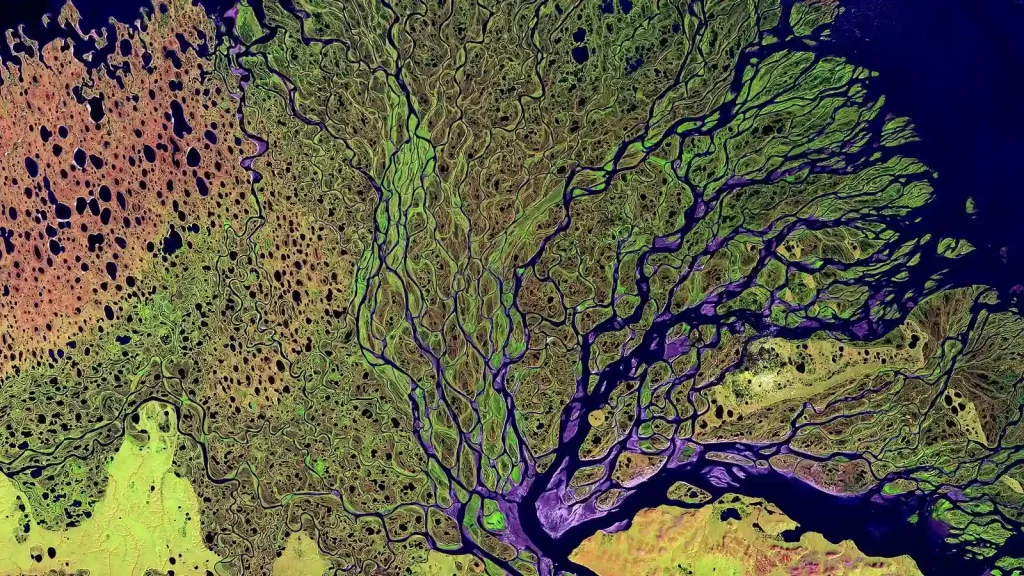
Deltas grow when rivers deposit sediment faster than waves, currents and sinking remove it, but dams, extraction and rising seas can upset that balance.
Sep 29, 2026 • 12 min read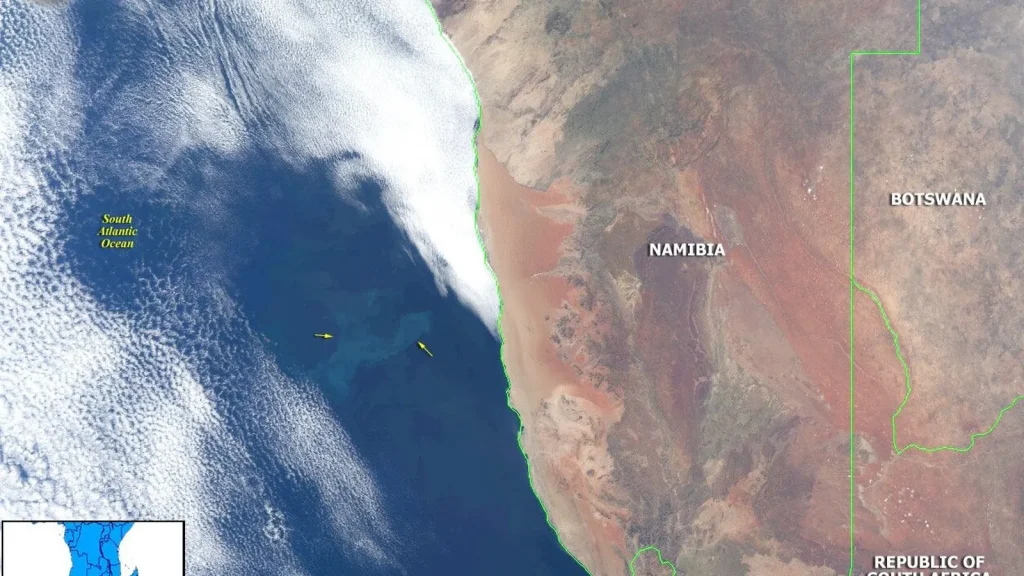
The ocean usually looks blue because water absorbs longer red, orange and yellow wavelengths more strongly while blue light penetrates farther and is scattered…
Sep 29, 2026 • 14 min read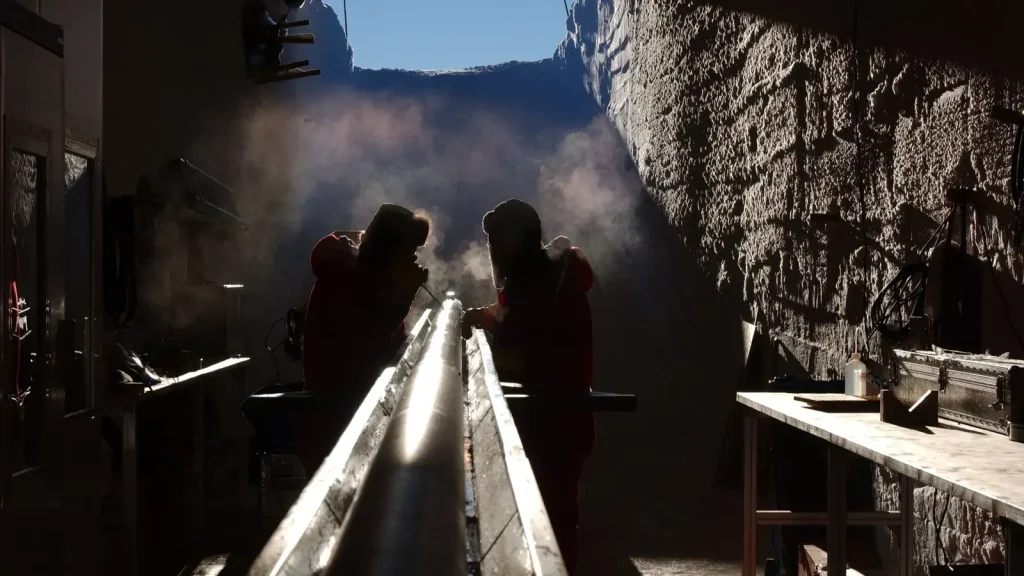
Snow compressed into glacier ice can preserve bubbles, dust, isotopes and chemicals that allow researchers to reconstruct parts of Earth’s atmospheric and climate history.
Sep 28, 2026 • 12 min read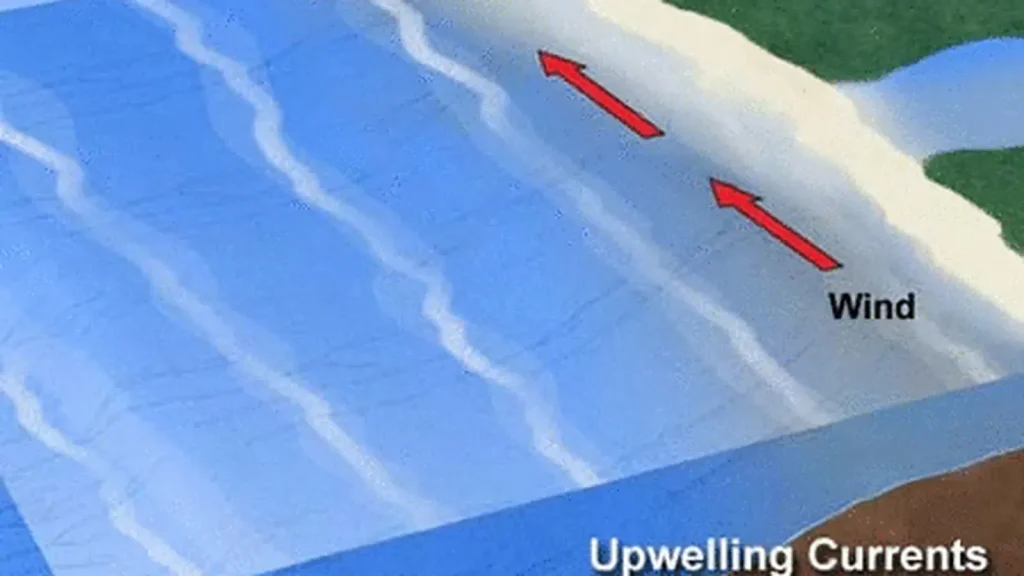
Coastal winds and Earth’s rotation can move surface water away from shore, allowing colder, nutrient-rich water to rise and fuel highly productive marine food…
Sep 28, 2026 • 12 min read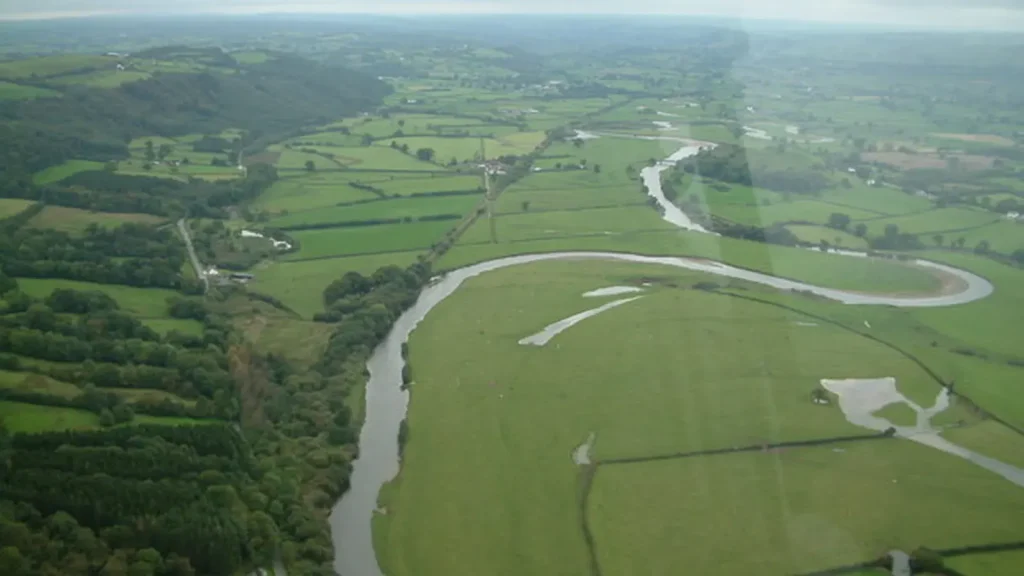
Flow moves faster along the outside of a river bend and more slowly along the inside, encouraging erosion, deposition and gradual migration that can…
Sep 28, 2026 • 12 min read
Most earthquakes occur when stress built up by tectonic motion overcomes friction on a fault, causing rocks on either side to slip suddenly. The…
Sep 26, 2026 • 13 min read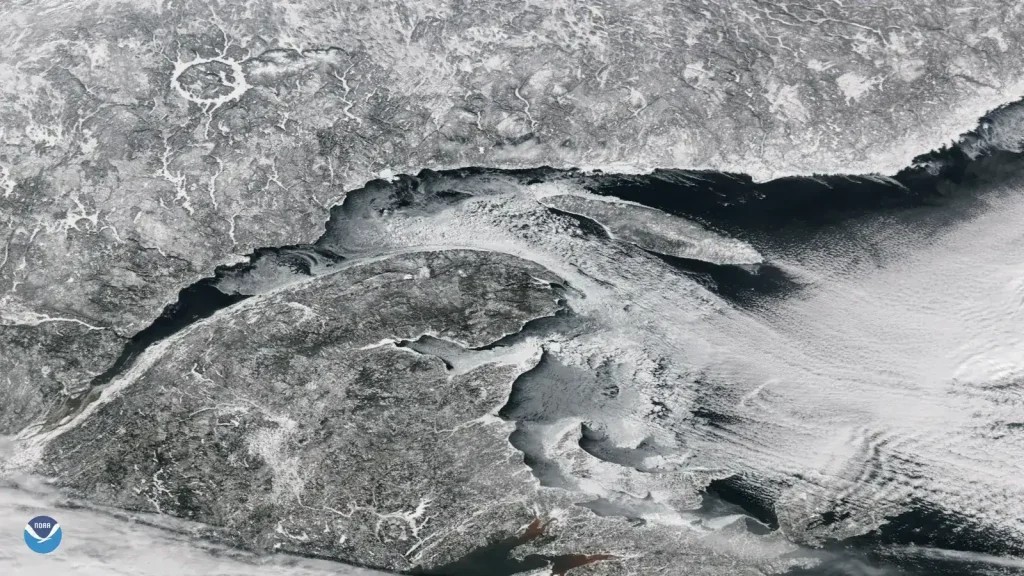
Ocean tides are long-period changes in sea level driven mainly by differences in the Moon’s gravitational pull across Earth, with an important contribution from…
Sep 25, 2026 • 14 min read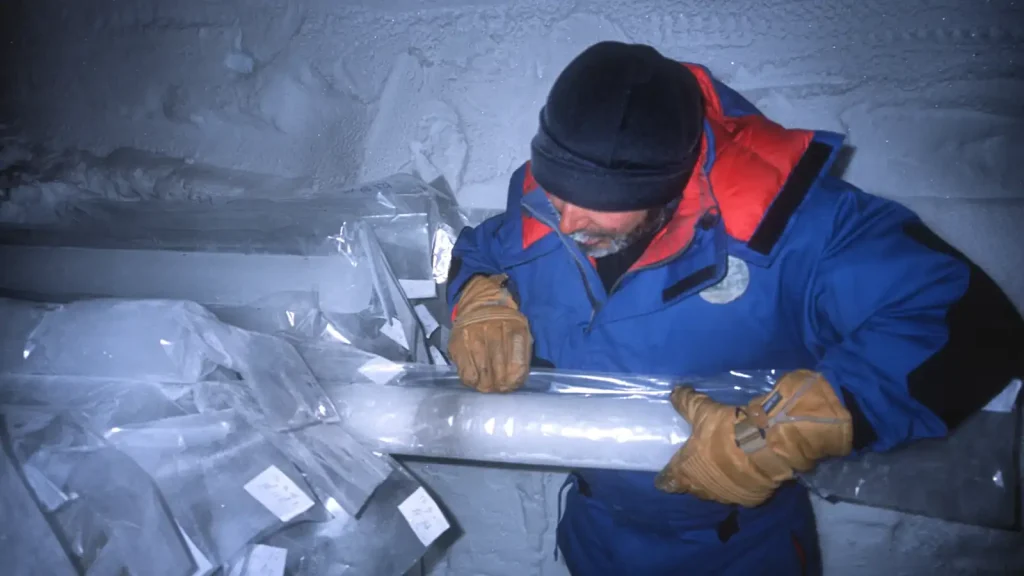
Layered polar ice stores old air, volcanic fallout, dust and water chemistry that scientists use to reconstruct past climates.
Sep 21, 2026 • 12 min read
Earthquakes send different kinds of waves through the planet, allowing researchers to map boundaries, materials and motion far below any drill.
Sep 19, 2026 • 12 min read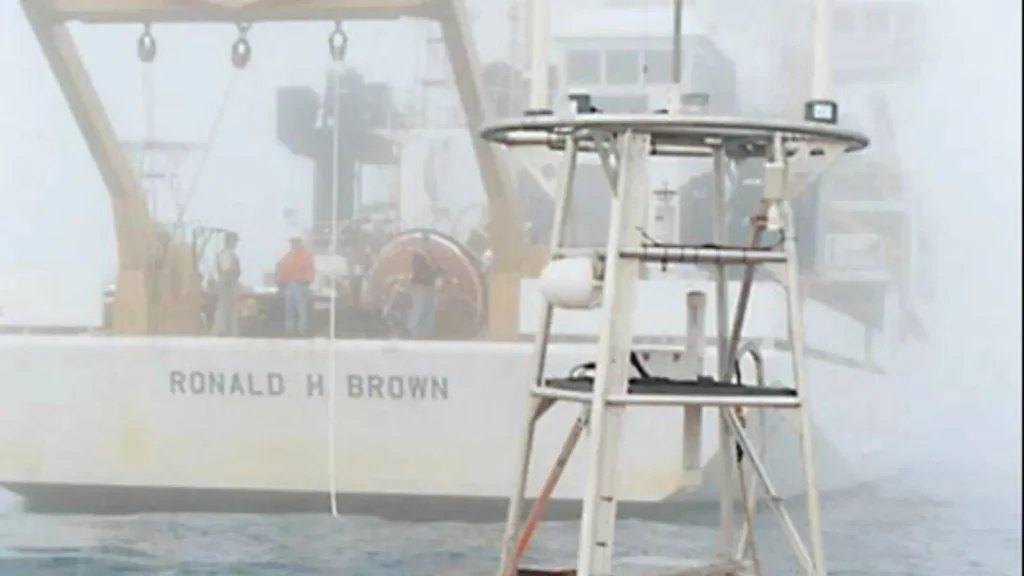
Seismometers, satellite positioning, seabed pressure sensors and coastal gauges transform an offshore disturbance into a rapidly updated warning.
Sep 13, 2026 • 13 min read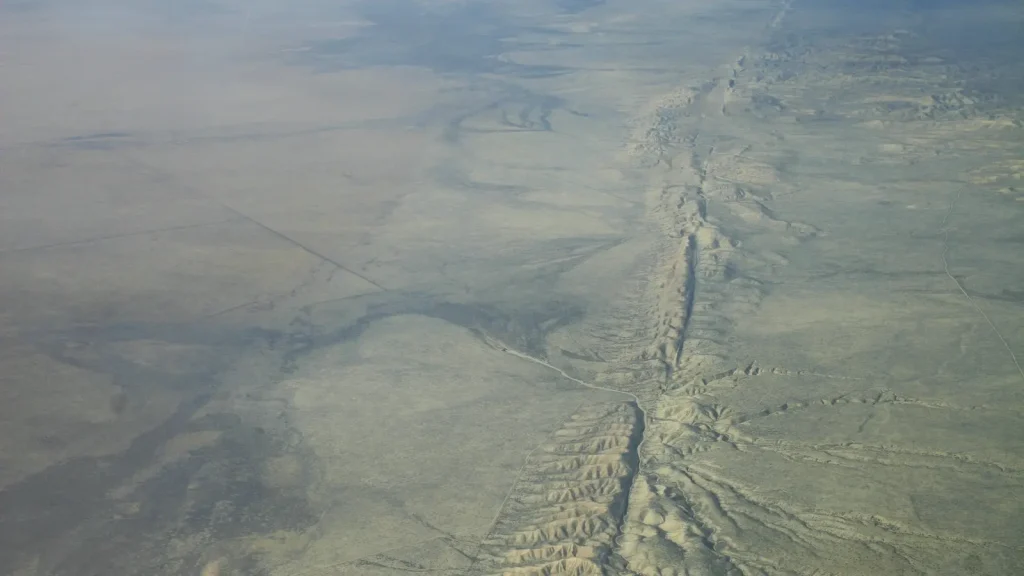
Ocean floors are created and consumed, continents collide and landscapes rise and erode within one measurable planetary system.
Sep 13, 2026 • 13 min readOne remarkable idea at a time—nature, science, history and beyond.