Skip to content
OUR LIVING PLANET

Earth & The Planet

Explore Earth's landscapes, oceans, atmosphere and changing systems, from geological processes to the environments that support life.

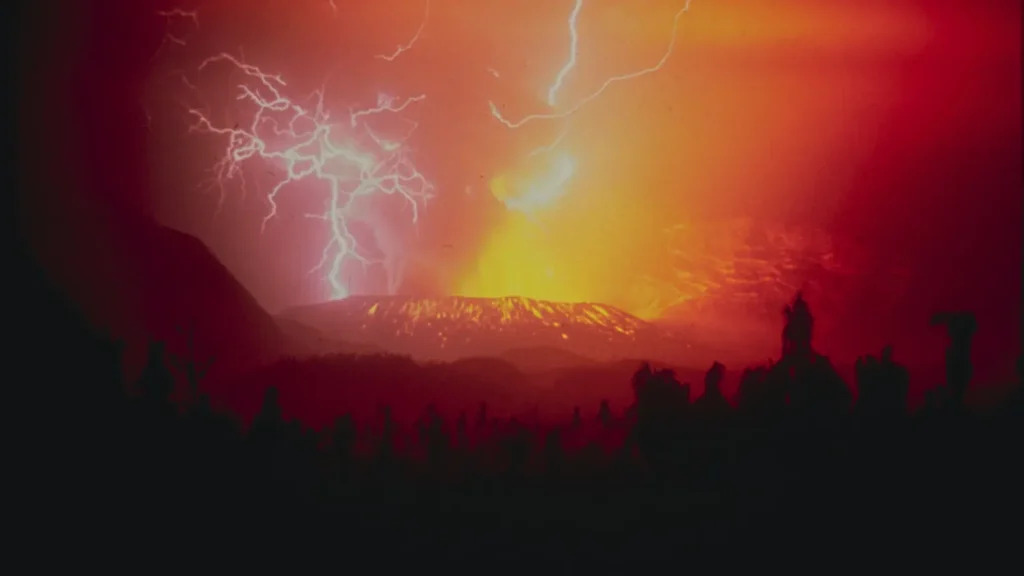
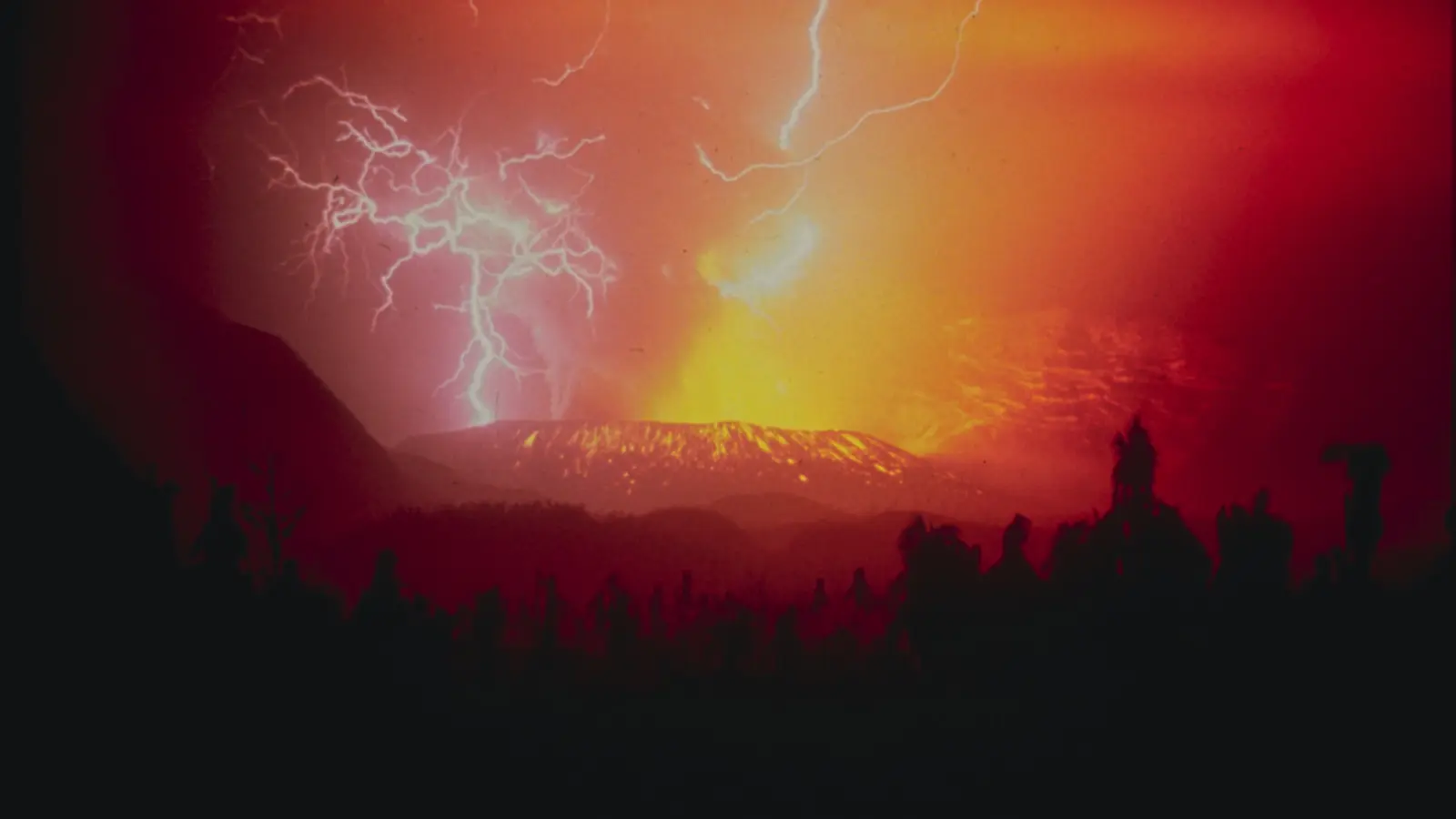
Lightning flashing through the ash cloud above Galunggung volcano
EDITOR’S PICK

Why Volcanoes Produce Lightning

Inside an eruption cloud, colliding ash, ice and fragmented rock can separate electric charge until the plume discharges like a violent thunderstorm.

Sep 16, 2026 • 4 min readRead the discovery →
LATEST

Latest discoveries

New stories, explanations and research from Earth & The Planet.

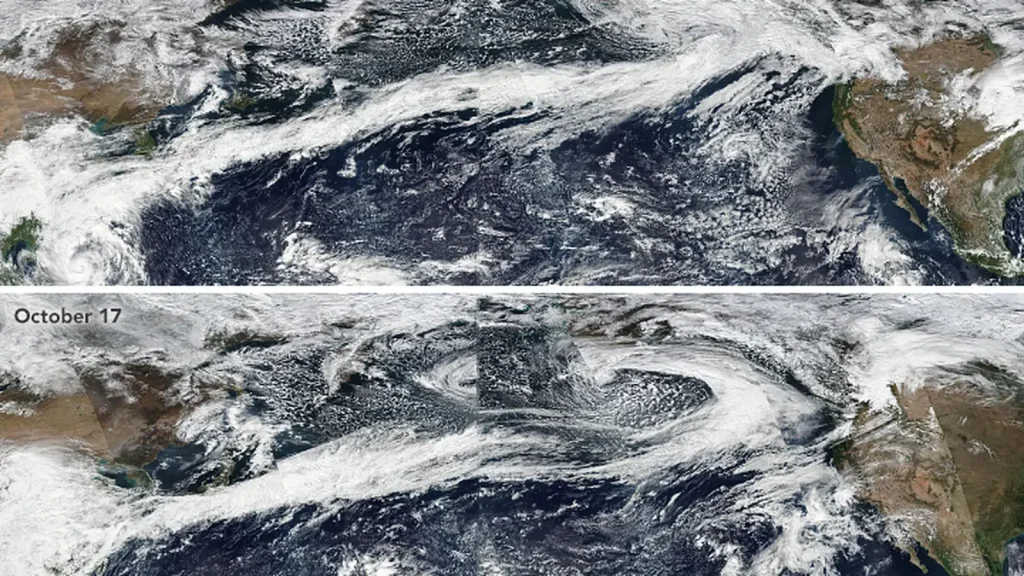
How Atmospheric Rivers Move Water Across the Sky featured reference image
Climate & Weather

How Atmospheric Rivers Move Water Across the Sky

Atmospheric rivers are long, concentrated corridors of water vapour that transport moisture from warm regions and can produce beneficial rain, heavy snow or damaging…

Sep 24, 2026 • 12 min read

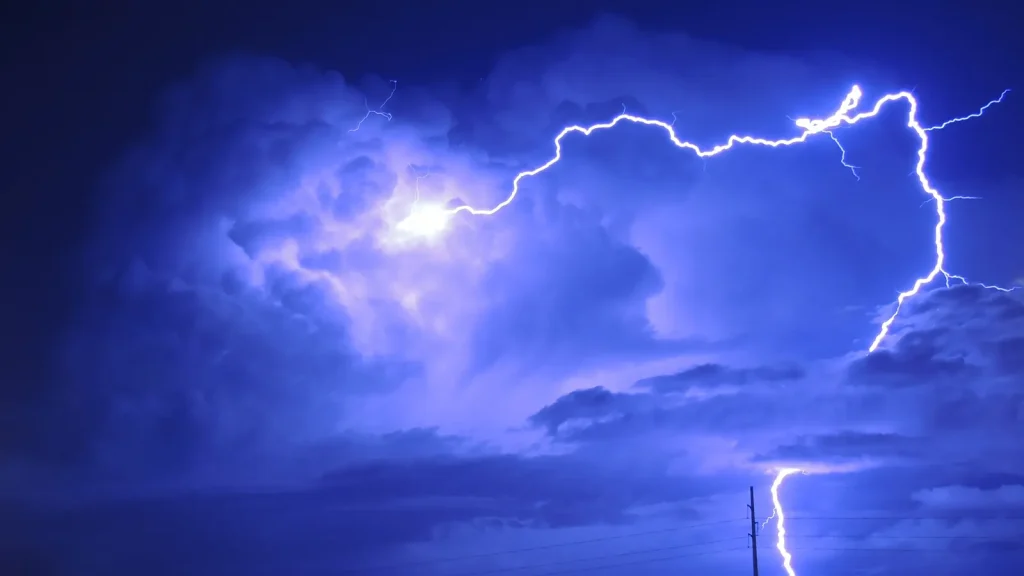
What Causes Lightning and Thunder? — documentary reference image
Earth & The Planet

What Causes Lightning and Thunder?

Lightning is a rapid electrical discharge produced when separated charges create an electric field strong enough to break down the insulating air. Thunder is…

Sep 23, 2026 • 14 min read
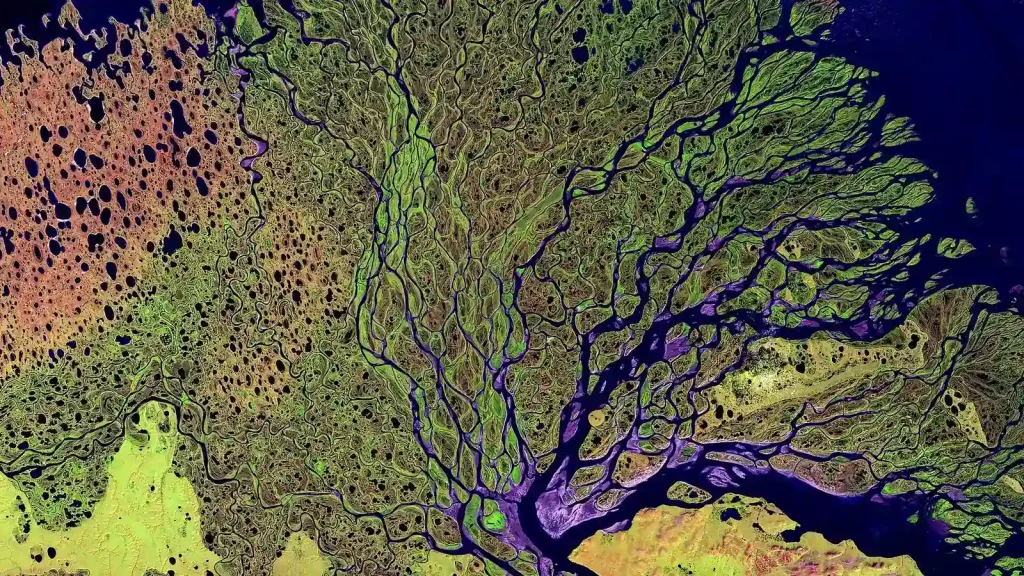
Satellite view of branching channels across the Lena River delta
Earth & The Planet

How River Deltas Build and Lose Land

Deltas grow where rivers deposit sediment faster than waves, tides and sinking remove it, making their coastlines records of both natural processes and human…

Sep 23, 2026 • 12 min read
Close aerial view of curved fractures and flow lines across glacier ice
Climate Systems

How Glaciers Create Signals Scientists Can Hear

Cracking ice, sliding and calving generate vibrations. Seismic instruments help separate these processes, but a glacier recording needs context before it becomes an explanation.

Sep 23, 2026 • 2 min read
Lightning flashing through the ash cloud above Galunggung volcano
Earth & The Planet

Why Volcanoes Produce Lightning

Inside an eruption cloud, colliding ash, ice and fragmented rock can separate electric charge until the plume discharges like a violent thunderstorm.

Sep 16, 2026 • 4 min read