
Water, rock chemistry, fractures and time create underground passages by several routes
The short answer
Most familiar caverns form when mildly acidic groundwater dissolves soluble rock, especially limestone, along fractures and bedding planes. Flow enlarges openings into passages; later drainage exposes chambers where mineral-rich drips build stalactites and stalagmites. Lava, ice, waves and hydrothermal fluids can create other cave types.
A cave is not simply an empty bubble inside a mountain. It records moving water, rock structure, chemistry and changing landscapes. Its geometry may preserve conditions that existed hundreds of thousands or millions of years ago.
Carbon dioxide acidifies water
Rain absorbs carbon dioxide from air and soil, forming weak carbonic acid capable of dissolving calcium carbonate in limestone and marble.
Understanding Carbon dioxide acidifies water requires separating the immediate mechanism from the conditions that make it stronger, weaker or easier to observe. Researchers measure those variables independently, compare natural examples and test whether the same explanation predicts new results. This turns a plausible story into an evidence-based account.
The evidence for Carbon dioxide acidifies water comes from methods that fail in different ways. Direct observation establishes what occurs, instruments quantify timing or structure, experiments isolate candidate causes and models test whether known rules reproduce the pattern. Agreement across methods is more persuasive than repetition of one memorable example.
Context also matters for Carbon dioxide acidifies water. Scale, species, location, temperature, geometry and measurement limits can change the result without overturning the underlying process. Careful reporting preserves that variation, states uncertainty and prevents a useful explanation from becoming an exaggerated universal rule.
A practical explanation should also answer what would change the observation. Following that question reveals the limits of the evidence and identifies the next measurement needed.
Fractures guide flow
Joints, faults and bedding planes provide pathways. Small differences in aperture and connectivity determine which routes enlarge fastest.
Understanding Fractures guide flow requires separating the immediate mechanism from the conditions that make it stronger, weaker or easier to observe. Researchers measure those variables independently, compare natural examples and test whether the same explanation predicts new results. This turns a plausible story into an evidence-based account.
The evidence for Fractures guide flow comes from methods that fail in different ways. Direct observation establishes what occurs, instruments quantify timing or structure, experiments isolate candidate causes and models test whether known rules reproduce the pattern. Agreement across methods is more persuasive than repetition of one memorable example.
Context also matters for Fractures guide flow. Scale, species, location, temperature, geometry and measurement limits can change the result without overturning the underlying process. Careful reporting preserves that variation, states uncertainty and prevents a useful explanation from becoming an exaggerated universal rule.
A practical explanation should also answer what would change the observation. Following that question reveals the limits of the evidence and identifies the next measurement needed.
Dissolution widens passages
Acidic water reacts with calcite and carries dissolved ions away. Enlargement focuses more flow and progressively expands conduits.
Understanding Dissolution widens passages requires separating the immediate mechanism from the conditions that make it stronger, weaker or easier to observe. Researchers measure those variables independently, compare natural examples and test whether the same explanation predicts new results. This turns a plausible story into an evidence-based account.
The evidence for Dissolution widens passages comes from methods that fail in different ways. Direct observation establishes what occurs, instruments quantify timing or structure, experiments isolate candidate causes and models test whether known rules reproduce the pattern. Agreement across methods is more persuasive than repetition of one memorable example.
Context also matters for Dissolution widens passages. Scale, species, location, temperature, geometry and measurement limits can change the result without overturning the underlying process. Careful reporting preserves that variation, states uncertainty and prevents a useful explanation from becoming an exaggerated universal rule.
A practical explanation should also answer what would change the observation. Following that question reveals the limits of the evidence and identifies the next measurement needed.
Water tables shape levels
Passages can begin below the water table as rounded tubes or mazes. Falling water tables abandon upper caves while lower routes develop.
Understanding Water tables shape levels requires separating the immediate mechanism from the conditions that make it stronger, weaker or easier to observe. Researchers measure those variables independently, compare natural examples and test whether the same explanation predicts new results. This turns a plausible story into an evidence-based account.
The evidence for Water tables shape levels comes from methods that fail in different ways. Direct observation establishes what occurs, instruments quantify timing or structure, experiments isolate candidate causes and models test whether known rules reproduce the pattern. Agreement across methods is more persuasive than repetition of one memorable example.
Context also matters for Water tables shape levels. Scale, species, location, temperature, geometry and measurement limits can change the result without overturning the underlying process. Careful reporting preserves that variation, states uncertainty and prevents a useful explanation from becoming an exaggerated universal rule.
A practical explanation should also answer what would change the observation. Following that question reveals the limits of the evidence and identifies the next measurement needed.
Streams reshape caves
After drainage, underground rivers cut sediment, undercut walls and transport debris. Flood deposits and scallops record flow direction and energy.
Understanding Streams reshape caves requires separating the immediate mechanism from the conditions that make it stronger, weaker or easier to observe. Researchers measure those variables independently, compare natural examples and test whether the same explanation predicts new results. This turns a plausible story into an evidence-based account.
The evidence for Streams reshape caves comes from methods that fail in different ways. Direct observation establishes what occurs, instruments quantify timing or structure, experiments isolate candidate causes and models test whether known rules reproduce the pattern. Agreement across methods is more persuasive than repetition of one memorable example.
Context also matters for Streams reshape caves. Scale, species, location, temperature, geometry and measurement limits can change the result without overturning the underlying process. Careful reporting preserves that variation, states uncertainty and prevents a useful explanation from becoming an exaggerated universal rule.
A practical explanation should also answer what would change the observation. Following that question reveals the limits of the evidence and identifies the next measurement needed.
Stalactites grow downward
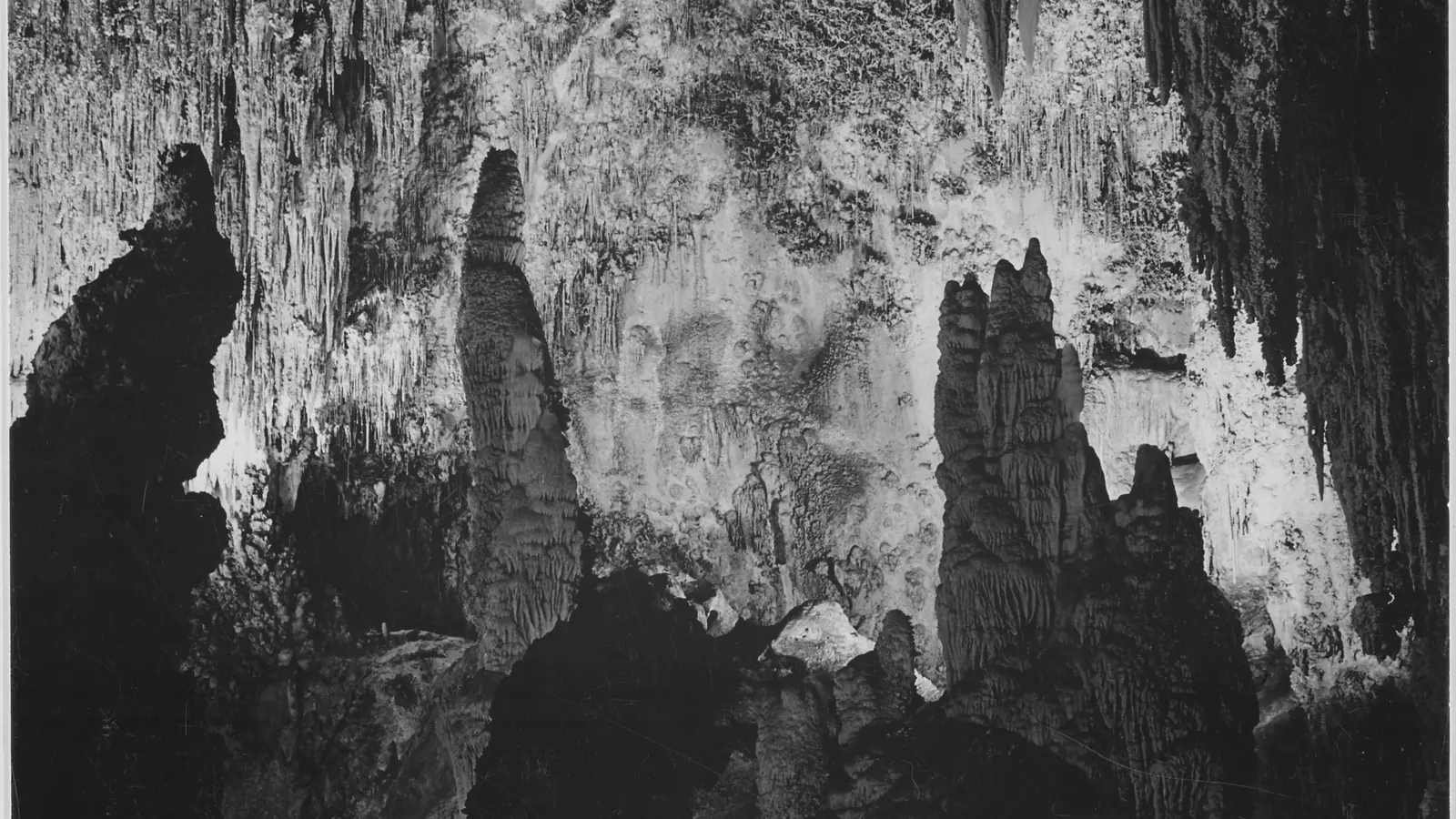
Calcium-rich water entering cave air loses carbon dioxide and deposits calcite. Repeated drops lengthen and thicken ceiling formations.
Understanding Stalactites grow downward requires separating the immediate mechanism from the conditions that make it stronger, weaker or easier to observe. Researchers measure those variables independently, compare natural examples and test whether the same explanation predicts new results. This turns a plausible story into an evidence-based account.
The evidence for Stalactites grow downward comes from methods that fail in different ways. Direct observation establishes what occurs, instruments quantify timing or structure, experiments isolate candidate causes and models test whether known rules reproduce the pattern. Agreement across methods is more persuasive than repetition of one memorable example.
Context also matters for Stalactites grow downward. Scale, species, location, temperature, geometry and measurement limits can change the result without overturning the underlying process. Careful reporting preserves that variation, states uncertainty and prevents a useful explanation from becoming an exaggerated universal rule.
A practical explanation should also answer what would change the observation. Following that question reveals the limits of the evidence and identifies the next measurement needed.
Stalagmites grow upward
Drops striking the floor leave mineral layers. Upward and downward formations can eventually meet as a column.
Understanding Stalagmites grow upward requires separating the immediate mechanism from the conditions that make it stronger, weaker or easier to observe. Researchers measure those variables independently, compare natural examples and test whether the same explanation predicts new results. This turns a plausible story into an evidence-based account.
The evidence for Stalagmites grow upward comes from methods that fail in different ways. Direct observation establishes what occurs, instruments quantify timing or structure, experiments isolate candidate causes and models test whether known rules reproduce the pattern. Agreement across methods is more persuasive than repetition of one memorable example.
Context also matters for Stalagmites grow upward. Scale, species, location, temperature, geometry and measurement limits can change the result without overturning the underlying process. Careful reporting preserves that variation, states uncertainty and prevents a useful explanation from becoming an exaggerated universal rule.
A practical explanation should also answer what would change the observation. Following that question reveals the limits of the evidence and identifies the next measurement needed.
Formations record climate
Speleothems trap isotope and trace-element signals. Uranium-series dating helps reconstruct past rainfall and vegetation.
Understanding Formations record climate requires separating the immediate mechanism from the conditions that make it stronger, weaker or easier to observe. Researchers measure those variables independently, compare natural examples and test whether the same explanation predicts new results. This turns a plausible story into an evidence-based account.
The evidence for Formations record climate comes from methods that fail in different ways. Direct observation establishes what occurs, instruments quantify timing or structure, experiments isolate candidate causes and models test whether known rules reproduce the pattern. Agreement across methods is more persuasive than repetition of one memorable example.
Context also matters for Formations record climate. Scale, species, location, temperature, geometry and measurement limits can change the result without overturning the underlying process. Careful reporting preserves that variation, states uncertainty and prevents a useful explanation from becoming an exaggerated universal rule.
A practical explanation should also answer what would change the observation. Following that question reveals the limits of the evidence and identifies the next measurement needed.
Collapse opens entrances
Roofs fail when erosion removes support. Sinkholes funnel water underground and can create hazards in developed karst terrain.
Understanding Collapse opens entrances requires separating the immediate mechanism from the conditions that make it stronger, weaker or easier to observe. Researchers measure those variables independently, compare natural examples and test whether the same explanation predicts new results. This turns a plausible story into an evidence-based account.
The evidence for Collapse opens entrances comes from methods that fail in different ways. Direct observation establishes what occurs, instruments quantify timing or structure, experiments isolate candidate causes and models test whether known rules reproduce the pattern. Agreement across methods is more persuasive than repetition of one memorable example.
Context also matters for Collapse opens entrances. Scale, species, location, temperature, geometry and measurement limits can change the result without overturning the underlying process. Careful reporting preserves that variation, states uncertainty and prevents a useful explanation from becoming an exaggerated universal rule.
A practical explanation should also answer what would change the observation. Following that question reveals the limits of the evidence and identifies the next measurement needed.
Lava tubes form differently
A lava flow can develop a solid roof while molten rock continues beneath it, then drains away and leaves a tunnel.
Understanding Lava tubes form differently requires separating the immediate mechanism from the conditions that make it stronger, weaker or easier to observe. Researchers measure those variables independently, compare natural examples and test whether the same explanation predicts new results. This turns a plausible story into an evidence-based account.
The evidence for Lava tubes form differently comes from methods that fail in different ways. Direct observation establishes what occurs, instruments quantify timing or structure, experiments isolate candidate causes and models test whether known rules reproduce the pattern. Agreement across methods is more persuasive than repetition of one memorable example.
Context also matters for Lava tubes form differently. Scale, species, location, temperature, geometry and measurement limits can change the result without overturning the underlying process. Careful reporting preserves that variation, states uncertainty and prevents a useful explanation from becoming an exaggerated universal rule.
A practical explanation should also answer what would change the observation. Following that question reveals the limits of the evidence and identifies the next measurement needed.
Waves and ice make caves
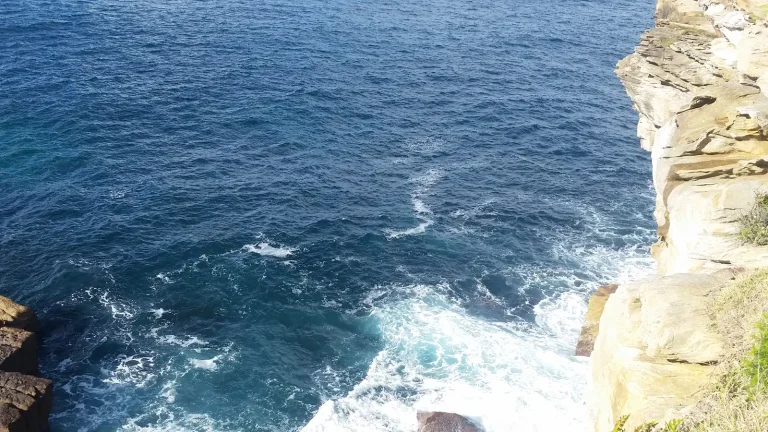
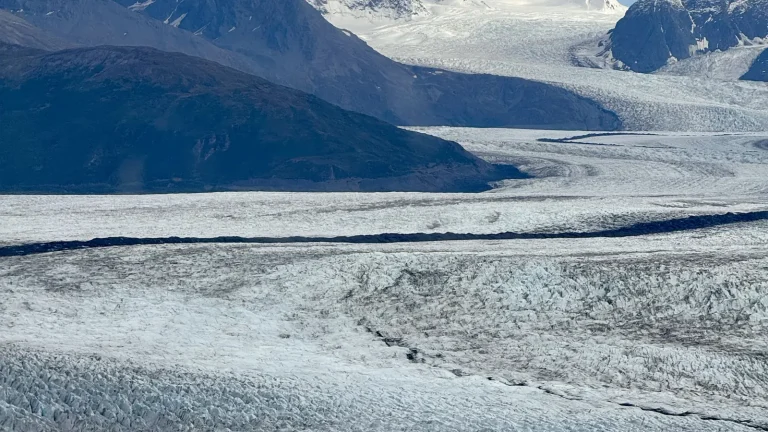
Sea caves form where waves exploit coastal weaknesses. Glacier caves are melted by water or geothermal heat and can change rapidly.
Understanding Waves and ice make caves requires separating the immediate mechanism from the conditions that make it stronger, weaker or easier to observe. Researchers measure those variables independently, compare natural examples and test whether the same explanation predicts new results. This turns a plausible story into an evidence-based account.
The evidence for Waves and ice make caves comes from methods that fail in different ways. Direct observation establishes what occurs, instruments quantify timing or structure, experiments isolate candidate causes and models test whether known rules reproduce the pattern. Agreement across methods is more persuasive than repetition of one memorable example.
Context also matters for Waves and ice make caves. Scale, species, location, temperature, geometry and measurement limits can change the result without overturning the underlying process. Careful reporting preserves that variation, states uncertainty and prevents a useful explanation from becoming an exaggerated universal rule.
A practical explanation should also answer what would change the observation. Following that question reveals the limits of the evidence and identifies the next measurement needed.
Caves are vulnerable habitats
Stable darkness and humidity support specialized life and preserve fossils or archaeology. Pollution, touching and altered drainage cause lasting damage.
Understanding Caves are vulnerable habitats requires separating the immediate mechanism from the conditions that make it stronger, weaker or easier to observe. Researchers measure those variables independently, compare natural examples and test whether the same explanation predicts new results. This turns a plausible story into an evidence-based account.
The evidence for Caves are vulnerable habitats comes from methods that fail in different ways. Direct observation establishes what occurs, instruments quantify timing or structure, experiments isolate candidate causes and models test whether known rules reproduce the pattern. Agreement across methods is more persuasive than repetition of one memorable example.
Context also matters for Caves are vulnerable habitats. Scale, species, location, temperature, geometry and measurement limits can change the result without overturning the underlying process. Careful reporting preserves that variation, states uncertainty and prevents a useful explanation from becoming an exaggerated universal rule.
A practical explanation should also answer what would change the observation. Following that question reveals the limits of the evidence and identifies the next measurement needed.
Common misconceptions
Large limestone caves were not necessarily carved quickly by one underground river. Passages may begin fully flooded and later be modified after drainage. Not every cave forms by limestone dissolution, and growth rates are not constant.
A concise explanation is useful only when it preserves the causal chain. It becomes misleading when it substitutes a familiar label for a mechanism, confuses association with cause or extends evidence beyond the conditions actually studied.
How scientists know
Geologists map passages, measure water chemistry and trace underground flow with dyes. They analyse sediments and mineral layers, use uranium-series dating, laser scanning and geophysical techniques to investigate inaccessible structure.
No single measurement carries the conclusion. Observations, experiments, physical theory and repeated records provide independent checks, while disagreement points to an uncontrolled variable or a question that still needs a better test.
Frequently asked questions
What is karst?
Terrain shaped by soluble-rock dissolution, often with sinkholes, springs and disappearing streams.
How long does a cave take?
Large systems commonly develop episodically over hundreds of thousands to millions of years.
Do formations grow forever?
Only while mineral-bearing water arrives under suitable chemical conditions.
Can caves collapse?
Yes. Roof failure and sinkholes are natural processes sometimes affected by pumping or construction.
Are cave formations alive?
No, though microbes may influence mineral chemistry and inhabit their surfaces.
Key takeaways
- Acidic groundwater dissolves limestone along fractures.
- Changing water tables create different passage levels.
- Mineral-rich drips build speleothems.
- Lava, waves and ice create other cave types.
Continue exploring
Sources and further reading
Keep exploring.
One remarkable idea at a time—nature, science, history and beyond.
Sources and further reading
Barnakle uses credible primary and authoritative sources wherever possible.
- National Park Service — Caves and karst
- https://www.nps.gov/subjects/caves/index.htm
- USGS — Karst aquifers
- https://www.usgs.gov/mission-areas/water-resources/science/karst-aquifers
- National Park Service — Speleothems
- https://www.nps.gov/subjects/caves/speleothems.htm
- USGS — Sinkholes
- https://www.usgs.gov/programs/water-resources/science/sinkholes
Last reviewed October 5, 2026.

Barnakle Editorial Team
A member of the Barnakle editorial team, exploring remarkable ideas with clarity, curiosity and care.
More from this author →