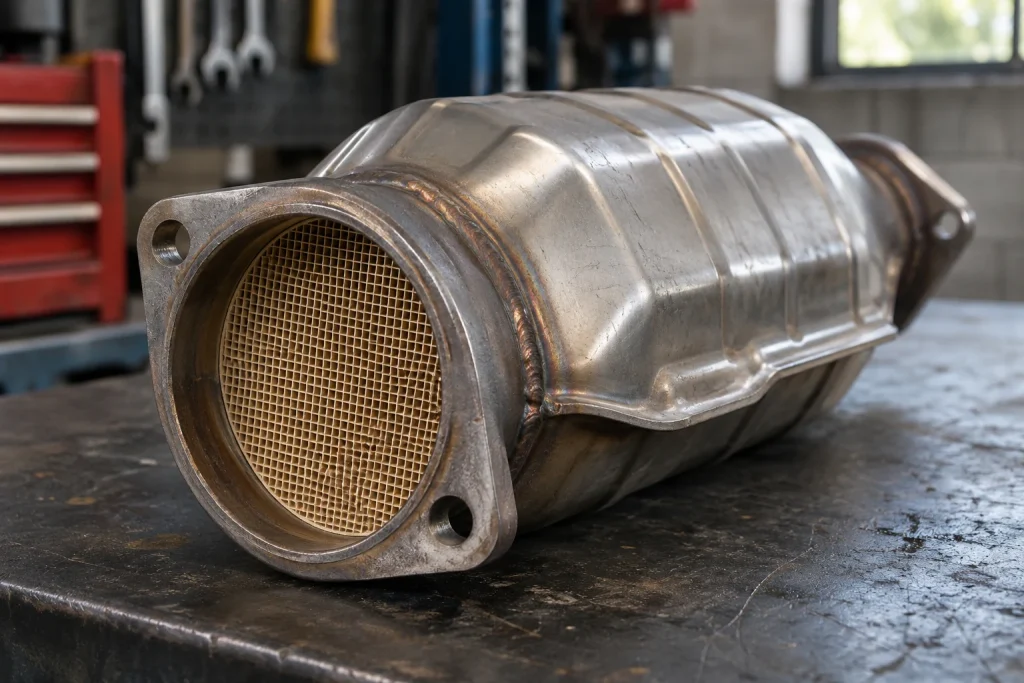
How Do Catalytic Converters Work?
Follow exhaust through a catalytic converter to see how surface reactions reduce certain pollutants—and why mixture control, heat and other aftertreatment components matter.
Nov 8, 2026 • 7 min readExplore atoms, molecules and reactions, connecting chemical principles to materials, living systems and familiar everyday experiences.

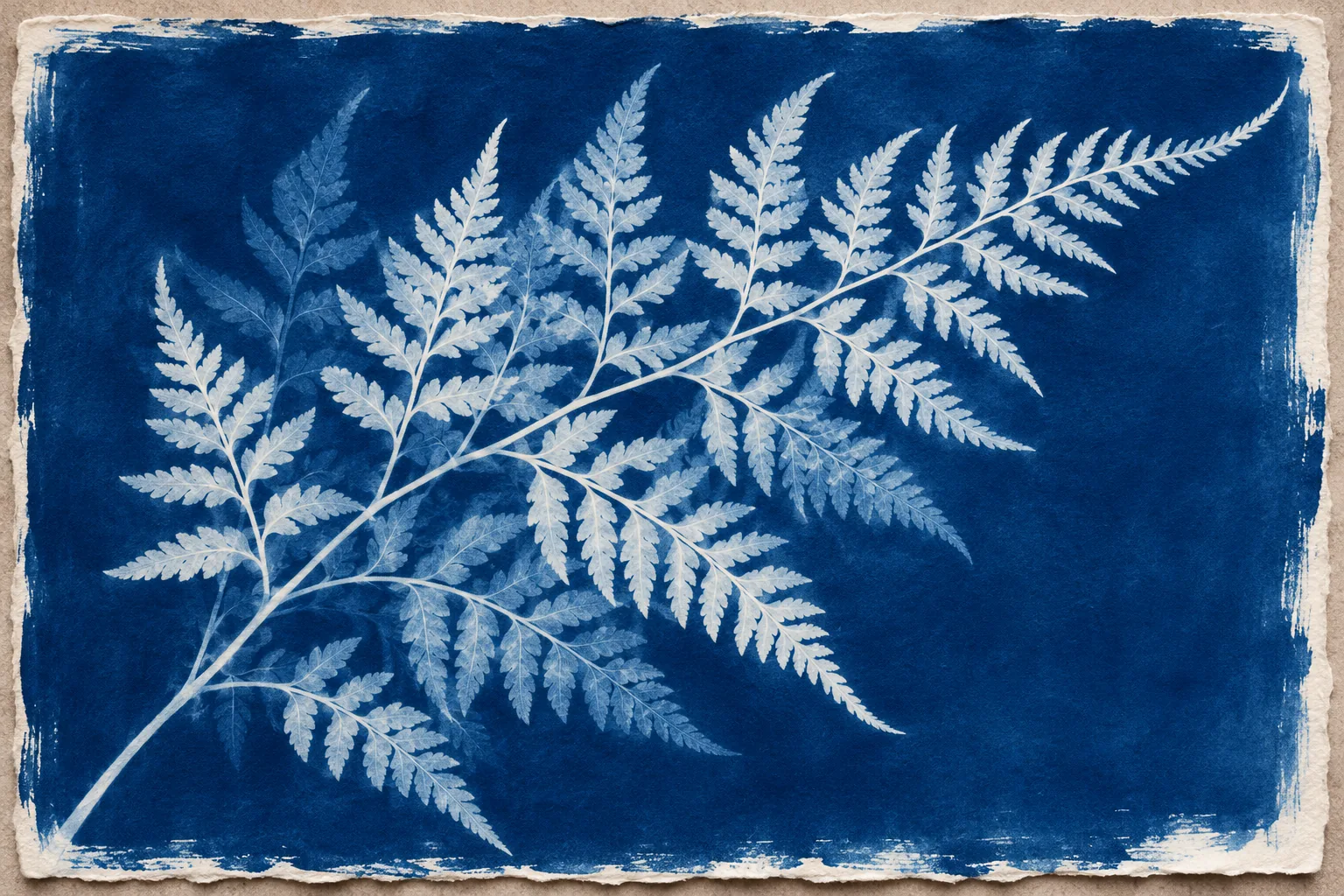
On a botanical sun print, the plant makes the light areas. An iron-based pigment forms where light can reach the coated sheet.
Nov 18, 2026 • 5 min readRead the discovery →New stories, explanations and research from Chemistry.
Follow exhaust through a catalytic converter to see how surface reactions reduce certain pollutants—and why mixture control, heat and other aftertreatment components matter.
Nov 8, 2026 • 7 min read
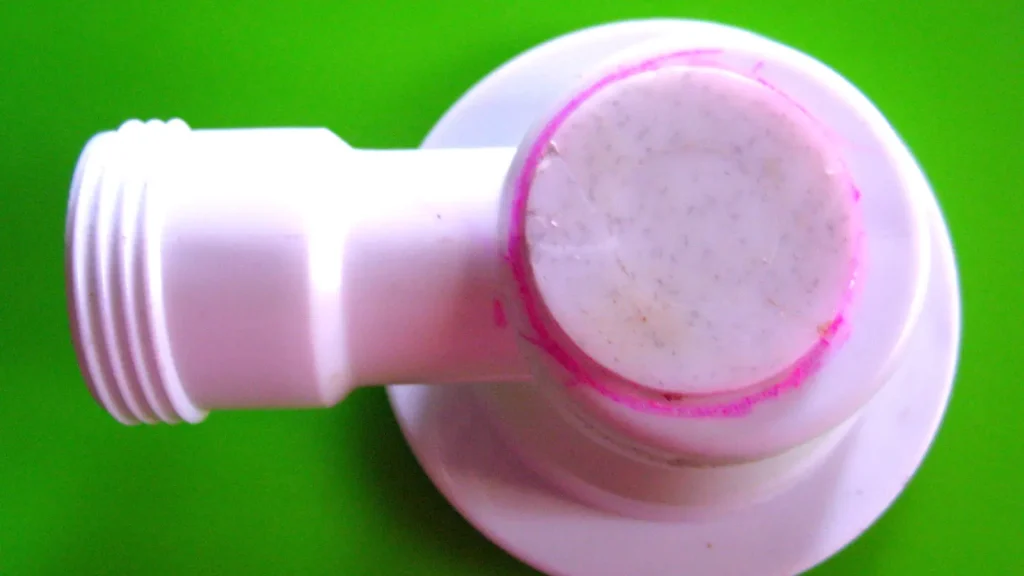
Copper turns green when chemical reactions at its surface produce a patina containing copper compounds. Weathering can first darken the metal, then develop blue-green…
Nov 5, 2026 • 7 min read
Superglue cures quickly because its cyanoacrylate molecules polymerize when exposed to traces of water and weakly basic substances on most surfaces. The reaction links…
Oct 14, 2026 • 3 min read
Glow sticks produce light through chemiluminescence. Bending the plastic tube breaks a small inner glass vial and mixes hydrogen peroxide with an oxalate ester…
Oct 9, 2026 • 3 min read
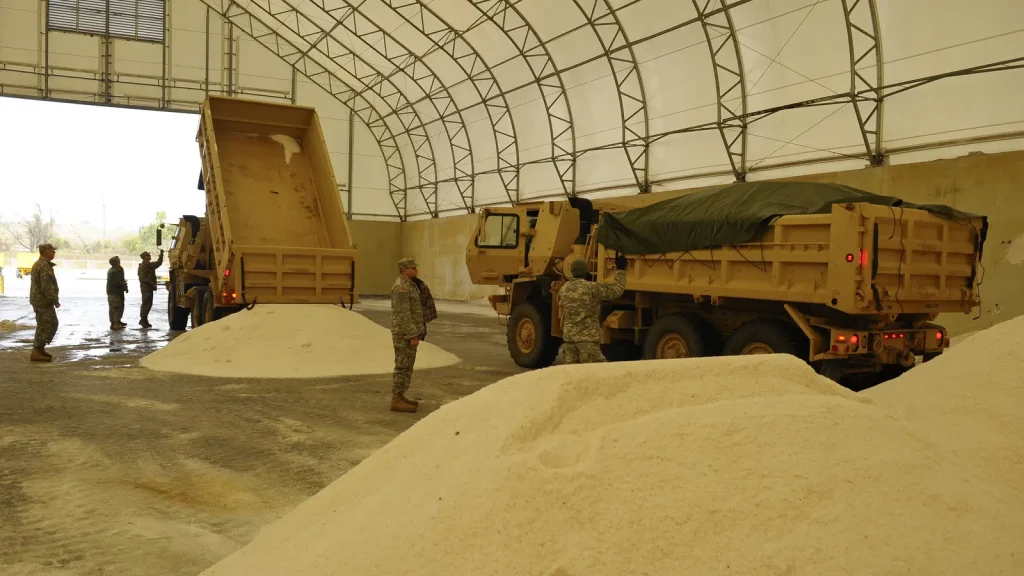
Salt melts ice by dissolving in the thin layer of liquid water that naturally exists on an ice surface. Sodium and chloride ions make…
Oct 7, 2026 • 4 min read
Soap removes grease because each surfactant molecule has a water-attracting head and an oil-attracting tail. The tails associate with grease while the heads remain…
Oct 6, 2026 • 3 min read
Cutting onion tissue starts an enzyme-driven reaction that releases a volatile irritant. The tear response comes from exposure at the eyes, not from the…
Oct 3, 2026 • 4 min read
Follow exhaust through a catalytic converter to see how surface reactions reduce certain pollutants—and why mixture control, heat and other aftertreatment components matter.
Nov 8, 2026 • 7 min read
Copper turns green when chemical reactions at its surface produce a patina containing copper compounds. Weathering can first darken the metal, then develop blue-green…
Nov 5, 2026 • 7 min read
Superglue cures quickly because its cyanoacrylate molecules polymerize when exposed to traces of water and weakly basic substances on most surfaces. The reaction links…
Oct 14, 2026 • 3 min read
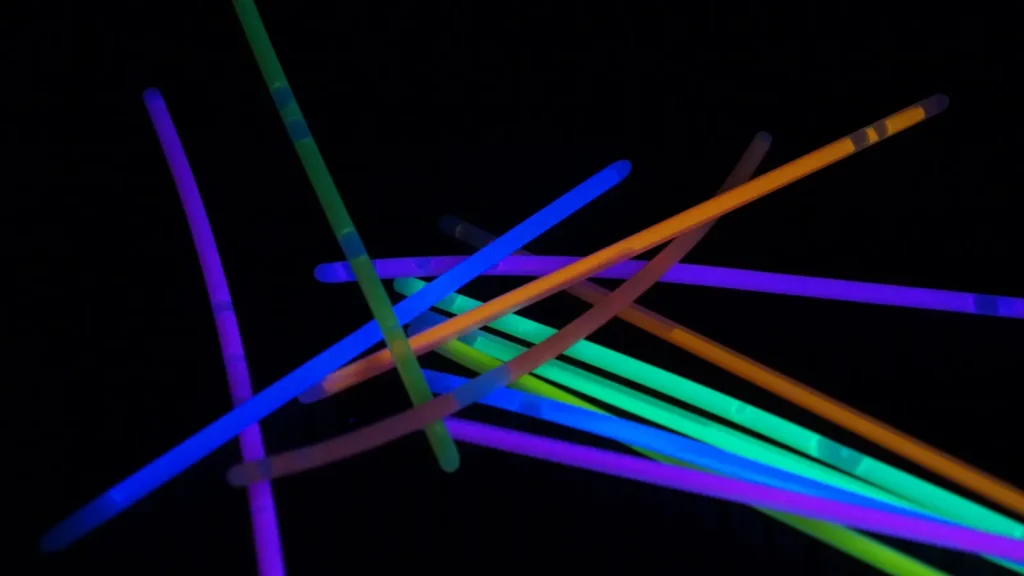
Glow sticks produce light through chemiluminescence. Bending the plastic tube breaks a small inner glass vial and mixes hydrogen peroxide with an oxalate ester…
Oct 9, 2026 • 3 min readOne remarkable idea at a time—nature, science, history and beyond.