
Surfactant molecules connect oily dirt to water so it can be lifted, suspended and rinsed away
The short answer
Soap removes grease because each surfactant molecule has a water-attracting head and an oil-attracting tail. The tails associate with grease while the heads remain in water. Agitation breaks oily material into small droplets surrounded by surfactant, forming structures that stay dispersed long enough to be rinsed away.
Water and cooking oil separate because their molecules interact differently. Soap does not make that chemical difference disappear; it creates a molecular bridge across the boundary. This lowers surface tension, helps water wet a dirty surface and stabilizes droplets that would otherwise merge back into a greasy layer.
Soap molecules have two personalities
A soap ion contains a charged hydrophilic head and a long hydrocarbon tail that avoids water and associates with oils. This amphiphilic structure is the key to cleaning.
Understanding Soap molecules have two personalities means separating the immediate mechanism from the conditions that change its strength, timing or visibility. Researchers measure those variables independently, compare natural examples and test whether the explanation predicts new observations. That turns a plausible story into an evidence-based account.
The evidence comes from methods that fail in different ways. Direct observation establishes what occurs, instruments quantify structure or timing, experiments isolate candidate causes and models test whether known physical or biological rules reproduce the pattern. Agreement among methods is stronger than repetition of one memorable example.
Context also matters. Scale, composition, temperature, geometry, environment and measurement limits can change an outcome without overturning the underlying process. Accurate reporting preserves this variation, states uncertainty and avoids turning a useful explanation into a universal rule.
A practical explanation should identify what would change the observation. Following that question reveals the limits of present evidence and the next measurement needed.
This mechanism connects a reader-level question with a broader scientific principle. Following matter, energy or information through each stage shows where the explanation is established, where natural variation enters and why a superficially similar event may have another cause.
Scientists also test alternatives rather than stopping at the first plausible account. A strong explanation predicts several linked observations, survives controlled comparison and specifies where it should fail. That approach keeps a clear answer accurate without hiding complexity.
Water alone leaves grease behind
Water molecules form strong networks with one another, while nonpolar oils cannot participate effectively. The two liquids minimize contact and separate into phases.
Understanding Water alone leaves grease behind means separating the immediate mechanism from the conditions that change its strength, timing or visibility. Researchers measure those variables independently, compare natural examples and test whether the explanation predicts new observations. That turns a plausible story into an evidence-based account.
The evidence comes from methods that fail in different ways. Direct observation establishes what occurs, instruments quantify structure or timing, experiments isolate candidate causes and models test whether known physical or biological rules reproduce the pattern. Agreement among methods is stronger than repetition of one memorable example.
Context also matters. Scale, composition, temperature, geometry, environment and measurement limits can change an outcome without overturning the underlying process. Accurate reporting preserves this variation, states uncertainty and avoids turning a useful explanation into a universal rule.
A practical explanation should identify what would change the observation. Following that question reveals the limits of present evidence and the next measurement needed.
This mechanism connects a reader-level question with a broader scientific principle. Following matter, energy or information through each stage shows where the explanation is established, where natural variation enters and why a superficially similar event may have another cause.
Scientists also test alternatives rather than stopping at the first plausible account. A strong explanation predicts several linked observations, survives controlled comparison and specifies where it should fail. That approach keeps a clear answer accurate without hiding complexity.
Surfactants gather at interfaces
Soap molecules orient at boundaries between water, oil and air. Their tails enter grease while their heads remain hydrated, lowering interfacial tension.
Understanding Surfactants gather at interfaces means separating the immediate mechanism from the conditions that change its strength, timing or visibility. Researchers measure those variables independently, compare natural examples and test whether the explanation predicts new observations. That turns a plausible story into an evidence-based account.
The evidence comes from methods that fail in different ways. Direct observation establishes what occurs, instruments quantify structure or timing, experiments isolate candidate causes and models test whether known physical or biological rules reproduce the pattern. Agreement among methods is stronger than repetition of one memorable example.
Context also matters. Scale, composition, temperature, geometry, environment and measurement limits can change an outcome without overturning the underlying process. Accurate reporting preserves this variation, states uncertainty and avoids turning a useful explanation into a universal rule.
A practical explanation should identify what would change the observation. Following that question reveals the limits of present evidence and the next measurement needed.
This mechanism connects a reader-level question with a broader scientific principle. Following matter, energy or information through each stage shows where the explanation is established, where natural variation enters and why a superficially similar event may have another cause.
Scientists also test alternatives rather than stopping at the first plausible account. A strong explanation predicts several linked observations, survives controlled comparison and specifies where it should fail. That approach keeps a clear answer accurate without hiding complexity.
Agitation breaks grease into droplets
Rubbing, stirring or machine motion deforms an oily layer and exposes new surface. Surfactant rapidly covers that surface and slows droplets from joining again.
Understanding Agitation breaks grease into droplets means separating the immediate mechanism from the conditions that change its strength, timing or visibility. Researchers measure those variables independently, compare natural examples and test whether the explanation predicts new observations. That turns a plausible story into an evidence-based account.
The evidence comes from methods that fail in different ways. Direct observation establishes what occurs, instruments quantify structure or timing, experiments isolate candidate causes and models test whether known physical or biological rules reproduce the pattern. Agreement among methods is stronger than repetition of one memorable example.
Context also matters. Scale, composition, temperature, geometry, environment and measurement limits can change an outcome without overturning the underlying process. Accurate reporting preserves this variation, states uncertainty and avoids turning a useful explanation into a universal rule.
A practical explanation should identify what would change the observation. Following that question reveals the limits of present evidence and the next measurement needed.
This mechanism connects a reader-level question with a broader scientific principle. Following matter, energy or information through each stage shows where the explanation is established, where natural variation enters and why a superficially similar event may have another cause.
Scientists also test alternatives rather than stopping at the first plausible account. A strong explanation predicts several linked observations, survives controlled comparison and specifies where it should fail. That approach keeps a clear answer accurate without hiding complexity.
Micelles can carry oily material
Above a concentration threshold, surfactants assemble with tails inward and heads outward. Grease and hydrophobic molecules can be incorporated into these dynamic aggregates.
Understanding Micelles can carry oily material means separating the immediate mechanism from the conditions that change its strength, timing or visibility. Researchers measure those variables independently, compare natural examples and test whether the explanation predicts new observations. That turns a plausible story into an evidence-based account.
The evidence comes from methods that fail in different ways. Direct observation establishes what occurs, instruments quantify structure or timing, experiments isolate candidate causes and models test whether known physical or biological rules reproduce the pattern. Agreement among methods is stronger than repetition of one memorable example.
Context also matters. Scale, composition, temperature, geometry, environment and measurement limits can change an outcome without overturning the underlying process. Accurate reporting preserves this variation, states uncertainty and avoids turning a useful explanation into a universal rule.
A practical explanation should identify what would change the observation. Following that question reveals the limits of present evidence and the next measurement needed.
This mechanism connects a reader-level question with a broader scientific principle. Following matter, energy or information through each stage shows where the explanation is established, where natural variation enters and why a superficially similar event may have another cause.
Scientists also test alternatives rather than stopping at the first plausible account. A strong explanation predicts several linked observations, survives controlled comparison and specifies where it should fail. That approach keeps a clear answer accurate without hiding complexity.
Rinsing removes the suspension
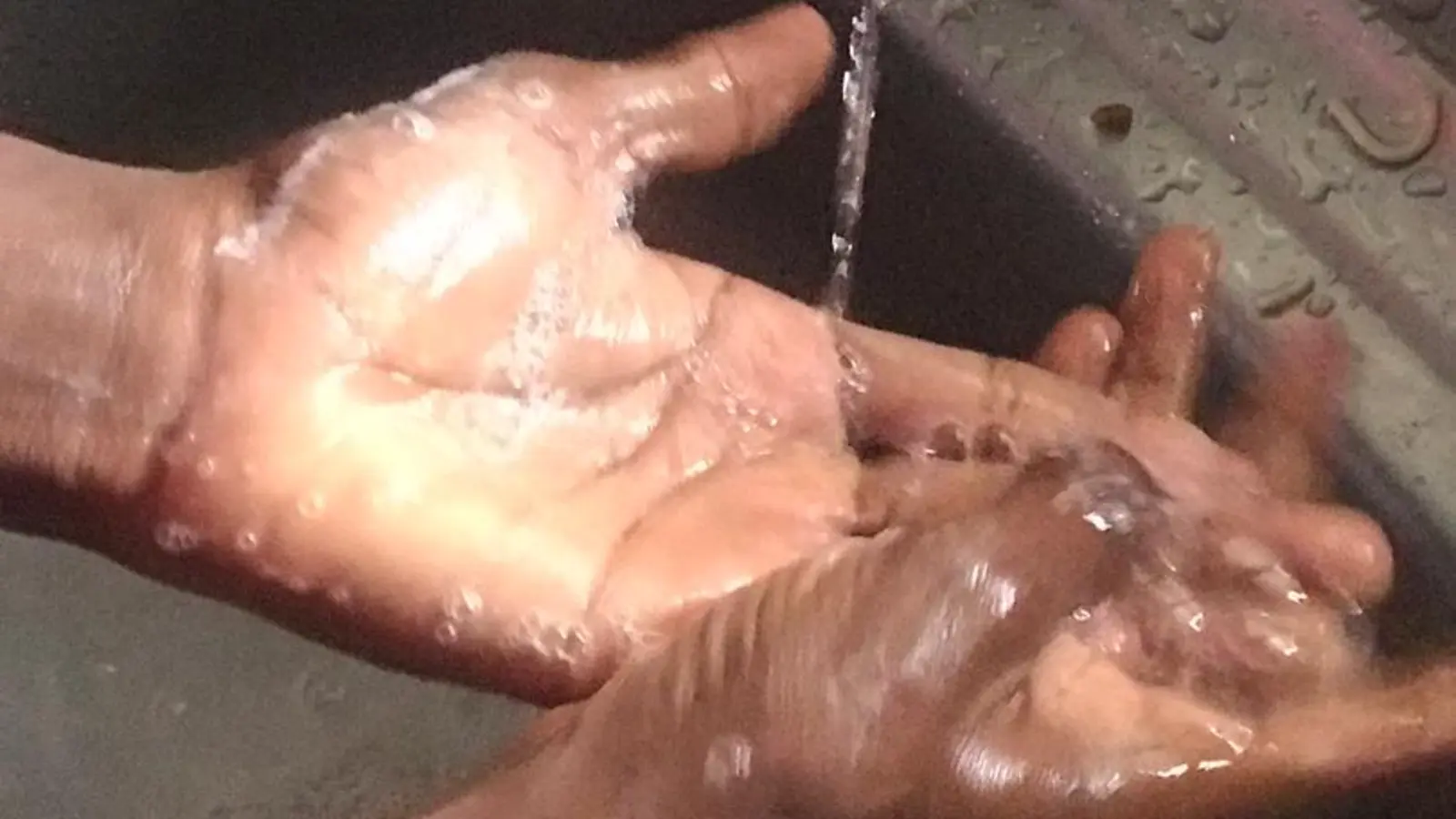
Flowing water transports surfactant-coated droplets away. Sufficient water matters because concentrated dirty solution can redeposit material on a surface.
Understanding Rinsing removes the suspension means separating the immediate mechanism from the conditions that change its strength, timing or visibility. Researchers measure those variables independently, compare natural examples and test whether the explanation predicts new observations. That turns a plausible story into an evidence-based account.
The evidence comes from methods that fail in different ways. Direct observation establishes what occurs, instruments quantify structure or timing, experiments isolate candidate causes and models test whether known physical or biological rules reproduce the pattern. Agreement among methods is stronger than repetition of one memorable example.
Context also matters. Scale, composition, temperature, geometry, environment and measurement limits can change an outcome without overturning the underlying process. Accurate reporting preserves this variation, states uncertainty and avoids turning a useful explanation into a universal rule.
A practical explanation should identify what would change the observation. Following that question reveals the limits of present evidence and the next measurement needed.
This mechanism connects a reader-level question with a broader scientific principle. Following matter, energy or information through each stage shows where the explanation is established, where natural variation enters and why a superficially similar event may have another cause.
Scientists also test alternatives rather than stopping at the first plausible account. A strong explanation predicts several linked observations, survives controlled comparison and specifies where it should fail. That approach keeps a clear answer accurate without hiding complexity.
Traditional soap reacts with hard water
Calcium and magnesium ions can form insoluble deposits with fatty-acid soaps. Many synthetic detergents are designed to remain effective in mineral-rich water.
Understanding Traditional soap reacts with hard water means separating the immediate mechanism from the conditions that change its strength, timing or visibility. Researchers measure those variables independently, compare natural examples and test whether the explanation predicts new observations. That turns a plausible story into an evidence-based account.
The evidence comes from methods that fail in different ways. Direct observation establishes what occurs, instruments quantify structure or timing, experiments isolate candidate causes and models test whether known physical or biological rules reproduce the pattern. Agreement among methods is stronger than repetition of one memorable example.
Context also matters. Scale, composition, temperature, geometry, environment and measurement limits can change an outcome without overturning the underlying process. Accurate reporting preserves this variation, states uncertainty and avoids turning a useful explanation into a universal rule.
A practical explanation should identify what would change the observation. Following that question reveals the limits of present evidence and the next measurement needed.
This mechanism connects a reader-level question with a broader scientific principle. Following matter, energy or information through each stage shows where the explanation is established, where natural variation enters and why a superficially similar event may have another cause.
Scientists also test alternatives rather than stopping at the first plausible account. A strong explanation predicts several linked observations, survives controlled comparison and specifies where it should fail. That approach keeps a clear answer accurate without hiding complexity.
Warmth can improve cleaning
Heat may soften fats, speed molecular motion and help detergent dissolve, but excessive heat can set some stains, damage materials or create safety risks.
Understanding Warmth can improve cleaning means separating the immediate mechanism from the conditions that change its strength, timing or visibility. Researchers measure those variables independently, compare natural examples and test whether the explanation predicts new observations. That turns a plausible story into an evidence-based account.
The evidence comes from methods that fail in different ways. Direct observation establishes what occurs, instruments quantify structure or timing, experiments isolate candidate causes and models test whether known physical or biological rules reproduce the pattern. Agreement among methods is stronger than repetition of one memorable example.
Context also matters. Scale, composition, temperature, geometry, environment and measurement limits can change an outcome without overturning the underlying process. Accurate reporting preserves this variation, states uncertainty and avoids turning a useful explanation into a universal rule.
A practical explanation should identify what would change the observation. Following that question reveals the limits of present evidence and the next measurement needed.
This mechanism connects a reader-level question with a broader scientific principle. Following matter, energy or information through each stage shows where the explanation is established, where natural variation enters and why a superficially similar event may have another cause.
Scientists also test alternatives rather than stopping at the first plausible account. A strong explanation predicts several linked observations, survives controlled comparison and specifies where it should fail. That approach keeps a clear answer accurate without hiding complexity.
Soap also disrupts many microbes
Surfactants loosen organisms from skin and can disrupt lipid membranes of some enveloped viruses and bacteria. Mechanical washing and thorough rinsing remain essential.
Understanding Soap also disrupts many microbes means separating the immediate mechanism from the conditions that change its strength, timing or visibility. Researchers measure those variables independently, compare natural examples and test whether the explanation predicts new observations. That turns a plausible story into an evidence-based account.
The evidence comes from methods that fail in different ways. Direct observation establishes what occurs, instruments quantify structure or timing, experiments isolate candidate causes and models test whether known physical or biological rules reproduce the pattern. Agreement among methods is stronger than repetition of one memorable example.
Context also matters. Scale, composition, temperature, geometry, environment and measurement limits can change an outcome without overturning the underlying process. Accurate reporting preserves this variation, states uncertainty and avoids turning a useful explanation into a universal rule.
A practical explanation should identify what would change the observation. Following that question reveals the limits of present evidence and the next measurement needed.
This mechanism connects a reader-level question with a broader scientific principle. Following matter, energy or information through each stage shows where the explanation is established, where natural variation enters and why a superficially similar event may have another cause.
Scientists also test alternatives rather than stopping at the first plausible account. A strong explanation predicts several linked observations, survives controlled comparison and specifies where it should fail. That approach keeps a clear answer accurate without hiding complexity.
Common misconceptions
Soap does not turn grease into water, and bubbles are not the substance doing the cleaning. Foam can show that air is being incorporated, but low-foaming formulations may clean very well. More detergent is not always better; excess can be hard to rinse and leave residue.
Clear shorthand is valuable only when it preserves the causal chain. It becomes misleading when it substitutes a label for a mechanism, confuses association with cause or extends evidence beyond tested conditions.
How scientists know
Chemists measure surface and interfacial tension, critical micelle concentration, droplet size and removal from standardized soiled surfaces. Microscopy and spectroscopy track molecular organization, while laundering and handwashing studies test real materials, water hardness, temperature and motion.
No single measurement carries the conclusion. Observations, experiments, theory and repeated records provide independent checks, while disagreement can reveal an uncontrolled variable or a question requiring a better test.
Frequently asked questions
Why does hot water often help?
It can soften fats and speed processes, but product and fabric instructions still matter.
Is detergent the same as soap?
Both are surfactants, but synthetic detergents have different head groups and often tolerate hard water better.
Do more bubbles mean cleaner?
No. Foam depends on formulation and agitation, not directly on soil removal.
Why rinse thoroughly?
Rinsing carries suspended grease and surfactant away and prevents residue.
Does soap kill every germ?
No. Washing mainly loosens and removes material; susceptibility varies among microbes.
Key takeaways
- Surfactants have water-loving heads and oil-loving tails.
- They lower interfacial tension and stabilize droplets.
- Agitation exposes grease to surfactant.
- Rinsing carries the dispersed soil away.
Continue exploring
Sources and further reading
Keep exploring.
One remarkable idea at a time—nature, science, history and beyond.
Sources and further reading
Barnakle uses credible primary and authoritative sources wherever possible.
- American Chemical Society — Surfactants and cleaning
- https://www.acs.org/education/whatischemistry/landmarks/soapsdetergents.html
- CDC — Handwashing science
- https://www.cdc.gov/clean-hands/about/hand-hygiene-in-healthcare-settings.html
- NCBI Bookshelf — Surfactants
- https://www.ncbi.nlm.nih.gov/books/NBK594240/
- EPA — Safer Choice surfactants
- https://www.epa.gov/saferchoice
Last reviewed October 7, 2026.

Barnakle Editorial Team
A member of the Barnakle editorial team, exploring remarkable ideas with clarity, curiosity and care.
More from this author →