
The sleeping brain at work
Scientists can describe when dreams occur and which brain systems are active, but there is no single proven reason that humans dream. Dreams occur in both REM and non-REM sleep and may reflect memory processing, emotion, prediction and the brain’s tendency to construct experiences from internally generated activity.
Why Do We Dream? is a simple question with a layered answer. The sections below move from the central mechanism to the colours, timing, viewing conditions and misconceptions that generate the most common follow-up questions. Where a simplified classroom explanation leaves out an important qualification, the qualification is included rather than hidden.
The honest short answer
Dreaming is a genuine brain state, but its biological purpose remains unsettled. Researchers distinguish evidence about dream timing and content from hypotheses about function. This distinction matters because the familiar appearance is the final result of several linked physical steps, not a single isolated event.
No experiment has established one universal reason for every dream. Several mechanisms may operate together rather than competing as all-or-nothing explanations. The mechanism also predicts what should change when one part of the system changes, which makes the account scientifically useful rather than merely descriptive.
For readers asking about the honest short answer, the practical point is that observations depend on position, timing and conditions. A photograph or brief glance captures only one configuration, whereas the scientific explanation must account for the full range of repeatable appearances. That is why authoritative explanations combine direct observation with models, calibrated instruments and predictions that can be checked independently.
What counts as a dream
A dream is a subjective experience reported after sleep, often containing images, emotions, thoughts or sensations. Reports depend on awakening and memory, so unreported dreaming cannot be counted directly. Researchers test the explanation by comparing measurements made under different geometries, conditions and observing methods.
Dream experiences range from brief fragments to elaborate narratives. Scientific definitions avoid assuming that every dream must be vivid or story-like. Scale is important here: processes that happen at the level of atoms or charged particles can create patterns visible across an entire sky.
For readers asking about what counts as a dream, the practical point is that observations depend on position, timing and conditions. A photograph or brief glance captures only one configuration, whereas the scientific explanation must account for the full range of repeatable appearances. That is why authoritative explanations combine direct observation with models, calibrated instruments and predictions that can be checked independently.
REM sleep and dreaming
Rapid-eye-movement sleep is associated with vivid, emotional dream reports. REM includes characteristic eye movements, altered muscle tone and distinctive brain activity. The mechanism also predicts what should change when one part of the system changes, which makes the account scientifically useful rather than merely descriptive.
It is incorrect to say that dreaming happens only during REM. REM and dreaming overlap strongly but are not identical phenomena. Careful wording prevents a common mistake—confusing what an observer sees with the underlying object or process that produced the view.
For readers asking about rem sleep and dreaming, the practical point is that observations depend on position, timing and conditions. A photograph or brief glance captures only one configuration, whereas the scientific explanation must account for the full range of repeatable appearances. That is why authoritative explanations combine direct observation with models, calibrated instruments and predictions that can be checked independently.
Dreams outside REM
People awakened from non-REM sleep also report dreams. These reports may differ on average in vividness, narrative structure or thought-like quality. Scale is important here: processes that happen at the level of atoms or charged particles can create patterns visible across an entire sky.
Differences depend partly on sleep stage, time of night and how questions are asked. This evidence prevents researchers from treating REM as a simple dream switch. This distinction matters because the familiar appearance is the final result of several linked physical steps, not a single isolated event.
For readers asking about dreams outside rem, the practical point is that observations depend on position, timing and conditions. A photograph or brief glance captures only one configuration, whereas the scientific explanation must account for the full range of repeatable appearances. That is why authoritative explanations combine direct observation with models, calibrated instruments and predictions that can be checked independently.
How researchers study dreams
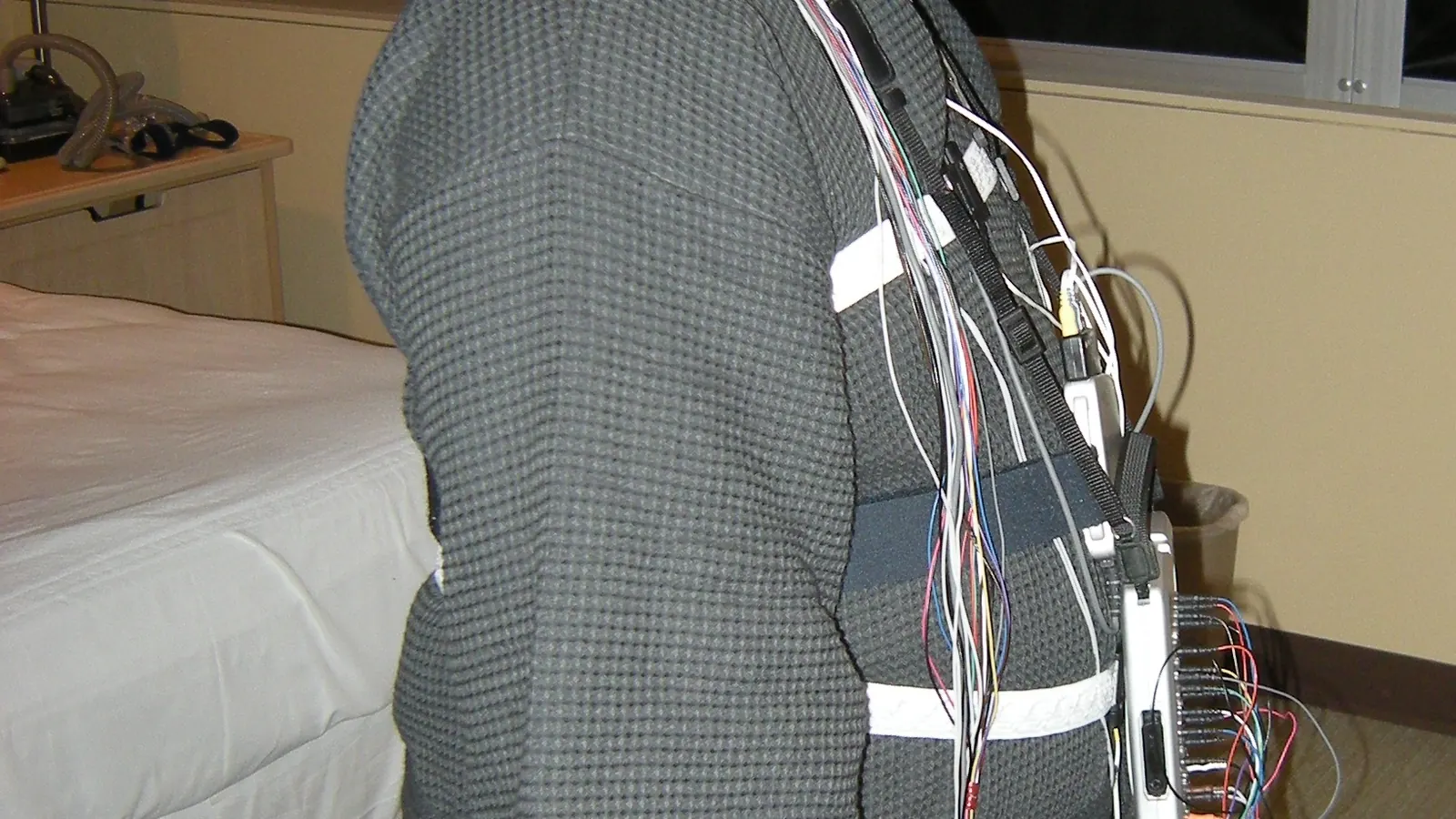
Sleep laboratories record brain waves, eye movement, muscle activity, breathing and other signals. Participants are awakened at selected times and asked for immediate reports. Careful wording prevents a common mistake—confusing what an observer sees with the underlying object or process that produced the view.
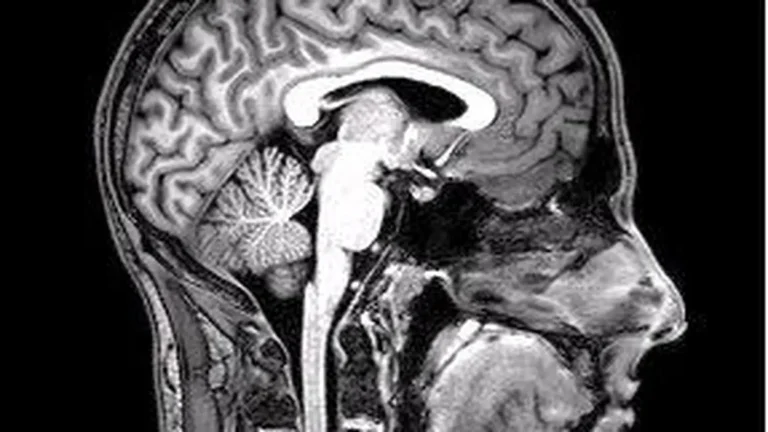
Experience-sampling reduces the memory loss that follows ordinary morning awakening. Brain imaging and targeted tasks connect reports with measurable neural activity. Researchers test the explanation by comparing measurements made under different geometries, conditions and observing methods.
For readers asking about how researchers study dreams, the practical point is that observations depend on position, timing and conditions. A photograph or brief glance captures only one configuration, whereas the scientific explanation must account for the full range of repeatable appearances. That is why authoritative explanations combine direct observation with models, calibrated instruments and predictions that can be checked independently.
Why dreams are hard to measure
Dream content is private and must usually be described after the event. Language, attention and memory can reshape a report. This distinction matters because the familiar appearance is the final result of several linked physical steps, not a single isolated event.
Laboratory sleep differs from sleep at home, while home reports provide less physiological control. Good studies combine methods and state these limitations openly. The mechanism also predicts what should change when one part of the system changes, which makes the account scientifically useful rather than merely descriptive.
For readers asking about why dreams are hard to measure, the practical point is that observations depend on position, timing and conditions. A photograph or brief glance captures only one configuration, whereas the scientific explanation must account for the full range of repeatable appearances. That is why authoritative explanations combine direct observation with models, calibrated instruments and predictions that can be checked independently.
Memory consolidation hypothesis
Sleep supports several forms of memory processing, and recent experiences often appear in dreams. Some researchers propose that dreaming accompanies the reactivation and integration of memories. Researchers test the explanation by comparing measurements made under different geometries, conditions and observing methods.
A dream is not a literal recording of the day; fragments can be recombined in unfamiliar ways. Evidence that sleep aids memory does not by itself prove that conscious dreaming is required. Scale is important here: processes that happen at the level of atoms or charged particles can create patterns visible across an entire sky.
For readers asking about memory consolidation hypothesis, the practical point is that observations depend on position, timing and conditions. A photograph or brief glance captures only one configuration, whereas the scientific explanation must account for the full range of repeatable appearances. That is why authoritative explanations combine direct observation with models, calibrated instruments and predictions that can be checked independently.
Emotion and dreaming
Dreams frequently contain strong emotion, social situations and concerns from waking life. Brain systems involved in emotion can be active during REM sleep. The mechanism also predicts what should change when one part of the system changes, which makes the account scientifically useful rather than merely descriptive.
Dreaming may accompany emotional processing, but claims that every dream heals an emotion go beyond the evidence. Mood, stress and recent experience can influence content without creating a fixed dream dictionary. Careful wording prevents a common mistake—confusing what an observer sees with the underlying object or process that produced the view.
For readers asking about emotion and dreaming, the practical point is that observations depend on position, timing and conditions. A photograph or brief glance captures only one configuration, whereas the scientific explanation must account for the full range of repeatable appearances. That is why authoritative explanations combine direct observation with models, calibrated instruments and predictions that can be checked independently.
The predictive brain idea
The waking brain continuously builds models from incomplete sensory input. During sleep, external input is reduced while internally generated activity continues. Scale is important here: processes that happen at the level of atoms or charged particles can create patterns visible across an entire sky.
Dreams may be experiences constructed from that activity using memories and expectations. This framework explains dream generation without proving a specific adaptive purpose. This distinction matters because the familiar appearance is the final result of several linked physical steps, not a single isolated event.
For readers asking about the predictive brain idea, the practical point is that observations depend on position, timing and conditions. A photograph or brief glance captures only one configuration, whereas the scientific explanation must account for the full range of repeatable appearances. That is why authoritative explanations combine direct observation with models, calibrated instruments and predictions that can be checked independently.
Why dreams feel real
Sensory-like activity can create convincing sights, sounds and motion without matching external events. Critical evaluation and reality checking may operate differently during some sleep states. Careful wording prevents a common mistake—confusing what an observer sees with the underlying object or process that produced the view.
Abrupt changes can therefore feel ordinary until the dreamer wakes. Lucid dreaming is a special case in which a person recognizes the dream while it continues. Researchers test the explanation by comparing measurements made under different geometries, conditions and observing methods.
For readers asking about why dreams feel real, the practical point is that observations depend on position, timing and conditions. A photograph or brief glance captures only one configuration, whereas the scientific explanation must account for the full range of repeatable appearances. That is why authoritative explanations combine direct observation with models, calibrated instruments and predictions that can be checked independently.
Why dreams are forgotten
Dream memories are often fragile at awakening. Attention quickly shifts to the external world, and new information interferes with recall. This distinction matters because the familiar appearance is the final result of several linked physical steps, not a single isolated event.
Neurochemical conditions during sleep differ from waking memory formation. Keeping a report immediately after waking can improve recall but may also select for people already interested in dreams. The mechanism also predicts what should change when one part of the system changes, which makes the account scientifically useful rather than merely descriptive.
For readers asking about why dreams are forgotten, the practical point is that observations depend on position, timing and conditions. A photograph or brief glance captures only one configuration, whereas the scientific explanation must account for the full range of repeatable appearances. That is why authoritative explanations combine direct observation with models, calibrated instruments and predictions that can be checked independently.
Do dreams have hidden meanings?
Dreams can reflect personal concerns and memories, so individuals may find them meaningful. Science does not support a universal symbol code in which one image always has the same meaning. Researchers test the explanation by comparing measurements made under different geometries, conditions and observing methods.
Interpretations should not be treated as diagnoses or predictions. Content is best understood in personal context and with appropriate uncertainty. Scale is important here: processes that happen at the level of atoms or charged particles can create patterns visible across an entire sky.
For readers asking about do dreams have hidden meanings?, the practical point is that observations depend on position, timing and conditions. A photograph or brief glance captures only one configuration, whereas the scientific explanation must account for the full range of repeatable appearances. That is why authoritative explanations combine direct observation with models, calibrated instruments and predictions that can be checked independently.
Nightmares and ordinary variation
Frightening dreams occur across the population and can increase during stress or disrupted sleep. An occasional nightmare is not proof of a disorder. The mechanism also predicts what should change when one part of the system changes, which makes the account scientifically useful rather than merely descriptive.
Persistent distress or major sleep disruption is a reason to speak with a qualified health professional. Responsible explanation avoids turning normal variation into a medical label. Careful wording prevents a common mistake—confusing what an observer sees with the underlying object or process that produced the view.
For readers asking about nightmares and ordinary variation, the practical point is that observations depend on position, timing and conditions. A photograph or brief glance captures only one configuration, whereas the scientific explanation must account for the full range of repeatable appearances. That is why authoritative explanations combine direct observation with models, calibrated instruments and predictions that can be checked independently.
Common myths
Not everyone dreams only in colour or only in black and white. Dream duration cannot be inferred reliably from how long a story feels. Scale is important here: processes that happen at the level of atoms or charged particles can create patterns visible across an entire sky.
REM sleep is not the only stage containing dream reports. There is no established method for reading another person’s complete dream from a routine scan. This distinction matters because the familiar appearance is the final result of several linked physical steps, not a single isolated event.
For readers asking about common myths, the practical point is that observations depend on position, timing and conditions. A photograph or brief glance captures only one configuration, whereas the scientific explanation must account for the full range of repeatable appearances. That is why authoritative explanations combine direct observation with models, calibrated instruments and predictions that can be checked independently.
What remains unknown
Researchers still debate whether dreaming has its own function or is an experience accompanying other sleep processes. Better studies link precise physiology to immediate reports across many nights and participants. Careful wording prevents a common mistake—confusing what an observer sees with the underlying object or process that produced the view.
Theories must explain both vivid REM dreams and quieter non-REM experiences. Uncertainty is not failure; it identifies the experiments needed next. Researchers test the explanation by comparing measurements made under different geometries, conditions and observing methods.
For readers asking about what remains unknown, the practical point is that observations depend on position, timing and conditions. A photograph or brief glance captures only one configuration, whereas the scientific explanation must account for the full range of repeatable appearances. That is why authoritative explanations combine direct observation with models, calibrated instruments and predictions that can be checked independently.
Frequently asked questions
What is the simplest correct explanation?
Scientists can describe when dreams occur and which brain systems are active, but there is no single proven reason that humans dream. Dreams occur in both REM and non-REM sleep and may reflect memory processing, emotion, prediction and the brain’s tendency to construct experiences from internally generated activity.
Can the appearance change without the underlying physics changing?
Yes. Viewing angle, distance, atmospheric conditions, brightness, local surroundings and the sensitivity of human vision or cameras can change what is perceived even when the governing physical process remains the same.
Why do photographs sometimes look different from direct observation?
Cameras collect and process light differently from the human visual system. Exposure time, sensor response, white balance, contrast and computational processing can reveal faint structure or amplify colour, so an image should be interpreted with its capture method in mind.
How do scientists know the explanation is reliable?
The explanation connects independently measured quantities and makes predictions across changing conditions. Spectroscopy, imaging, timing, field measurements, laboratory physics and observations from different locations provide checks with different strengths and limitations.
What should a reader remember?
Keep the geometry and the energy pathway in view. Ask where the light or sound began, what it interacted with, how it travelled and why the observer received that particular signal at that particular time.
Key takeaways
- Scientists can describe when dreams occur and which brain systems are active, but there is no single proven reason that humans dream. Dreams occur in both REM and non-REM sleep and may reflect memory processing, emotion, prediction and the brain’s tendency to construct experiences from internally generated activity.
- The observed appearance is evidence of a physical process, but it is also shaped by viewing geometry and detection.
- Authoritative measurements support the central mechanism while leaving room to refine details.
- Related phenomena may share part of the physics without being the same event.
Continue exploring
What researchers will test next
Progress now depends on measurements that connect controlled experiments with the complexity of the wider world. Researchers need observations collected across different locations, instruments and timescales, with methods described clearly enough for independent teams to repeat them. Larger samples can reveal whether an apparent pattern is widespread or driven by a few unusual cases. Longer records can separate temporary variation from a durable change.
New instruments may improve precision, but precision alone does not guarantee a better explanation. Scientists must still test alternative causes, disclose uncertainty and check whether an analysis gives the same answer when reasonable assumptions change. Open data and carefully documented methods allow other researchers to find errors, reproduce results and combine evidence that was gathered for different purposes.
The most useful future studies will make competing explanations face distinct predictions. When several independent tests agree, confidence can grow. When they disagree, the mismatch becomes evidence about what the original account was missing. Barnakle treats this process as a strength of science: conclusions can be reliable without being final, and responsible reporting should explain both what is known and what observation could change the picture.
Sources and further reading
Keep exploring.
One remarkable idea at a time—nature, science, history and beyond.
Sources and further reading
Barnakle uses credible primary and authoritative sources wherever possible.
- NIH/PMC — Dreaming and the Brain
- https://pmc.ncbi.nlm.nih.gov/articles/PMC2814941/
- NCBI Bookshelf — Possible Functions of REM Sleep and Dreaming
- https://www.ncbi.nlm.nih.gov/books/NBK11121/
- NIH/PMC — Experimental Research on Dreaming
- https://pmc.ncbi.nlm.nih.gov/articles/PMC3220269/
- NIH/PMC — REM Sleep Function: Mythology vs. Reality
- https://pmc.ncbi.nlm.nih.gov/articles/PMC10725301/
Last reviewed September 25, 2026.

Barnakle Editorial Team
A member of the Barnakle editorial team, exploring remarkable ideas with clarity, curiosity and care.
More from this author →