Familiarity without a matching memory
The short answer
Déjà vu combines strong familiarity with awareness that the familiarity is inappropriate. Memory systems can generate a feeling of knowing before specific details are retrieved.
A temporary mismatch may produce familiarity without an identifiable source. Several cognitive and neurological mechanisms may create similar experiences.
What déjà vu feels like
The French phrase means already seen, though the experience can involve an entire situation. A person usually knows the present event is new despite the compelling feeling.
The episode is typically brief and difficult to reproduce on command. That insight separates ordinary déjà vu from a fixed false belief.
Familiarity and recollection
Recognition memory includes at least partially separable processes. Familiarity is a sense that something has been encountered.
Recollection retrieves contextual details such as where and when. Déjà vu may occur when familiarity is triggered without successful contextual retrieval.
Recognition without identification
A scene can resemble a forgotten earlier layout or pattern. The similarity may activate familiarity even when the source cannot be identified.
Laboratory studies use hidden structural resemblance to investigate this effect. Such experiments model part of déjà vu without recreating every spontaneous experience.
Memory monitoring
The brain evaluates whether a familiarity signal is trustworthy. Ordinary déjà vu includes awareness that the signal conflicts with known circumstances.
Researchers describe this as a mismatch between familiarity and monitoring. The feeling is powerful precisely because both signals are present together.
Why it is hard to study
Episodes are brief, unpredictable and subjective. Retrospective surveys depend on memory and interpretation.
Laboratory analogues may produce familiarity but not the full uncanny feeling. Converging evidence is needed from experiments, surveys and clinical observations.
Who experiences it
Surveys suggest déjà vu is common in healthy people. Reports are often more frequent in younger adults and may decline with age.
Travel, attention, fatigue or stress have been associated in some studies. Associations do not prove that one factor directly causes an episode.
The role of attention
A scene processed briefly or without full attention may leave a weak trace. A second, fuller perception can then feel unexpectedly familiar.
This divided-attention account is plausible for some episodes. It does not demonstrate that every déjà vu began with an unnoticed first look.
Temporal-lobe involvement
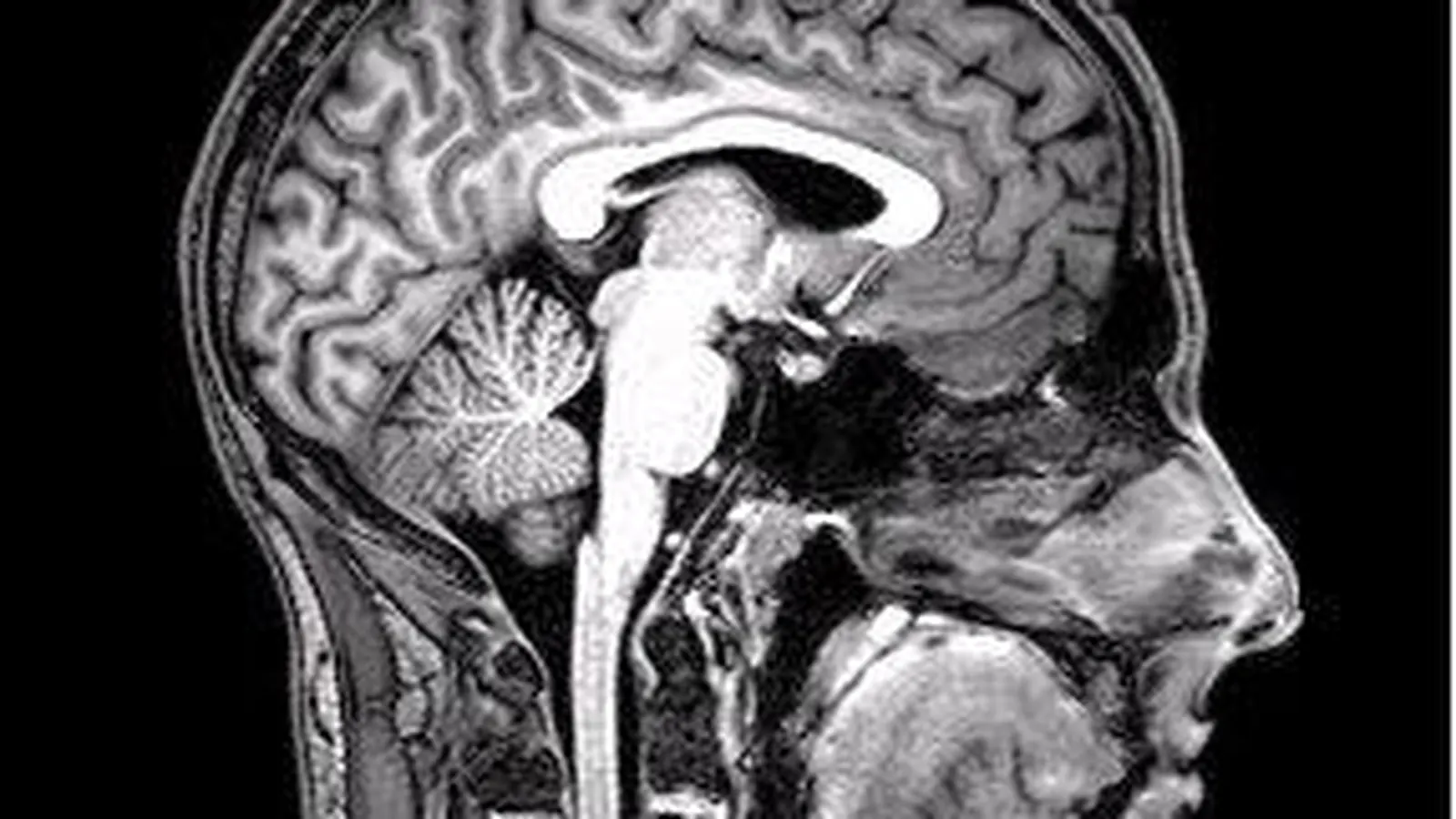
Medial temporal structures are important for familiarity and recollection. Some people with temporal-lobe epilepsy report déjà vu as part of a seizure aura.
Clinical episodes can differ in frequency, accompanying sensations and context. The existence of seizure-related déjà vu does not make ordinary occasional déjà vu a seizure.
Healthy and clinical experiences
Occasional brief déjà vu without other symptoms is widely reported. Frequent, prolonged or distressing episodes accompanied by altered awareness require medical assessment.
A clinician evaluates the complete symptom pattern rather than the phrase déjà vu alone. Barnakle’s article is educational and cannot diagnose an individual event.
Is déjà vu a prediction?
The feeling can create a sense that the next moment is known. Experiments do not show that it provides paranormal foresight.
Familiarity can increase subjective confidence without improving prediction accuracy. The brain’s interpretation of a signal is not evidence that the future was previously experienced.
Déjà vécu and related experiences
Researchers distinguish déjà vu from déjà vécu, a stronger sense of reliving an event. Jamais vu is an unusual feeling that something familiar is unfamiliar.
Definitions vary across studies and languages. Careful terminology matters when comparing healthy reports with clinical cases.
Why dreams are often blamed
A current scene may resemble a forgotten dream or an imagined scenario. Because dream memory is fragmentary, matching can feel mysterious.
A dream explanation is difficult to verify after the fact. The association does not establish that déjà vu generally predicts or repeats dreams.
What brain imaging can and cannot show
Imaging identifies networks active during memory tasks. Spontaneous déjà vu rarely occurs at a convenient moment inside a scanner.
Activation patterns do not translate into a complete readout of subjective experience. Brain evidence must be connected to behaviour and first-person reports carefully.
What remains unknown
Déjà vu may be a family of experiences with multiple triggers. Researchers still debate how familiarity, conflict detection and monitoring combine.
Better experimental methods aim to induce reliable analogues while preserving insight. The mystery is narrower than a paranormal claim but not yet reduced to one final mechanism.
Key takeaways
- Déjà vu is the striking feeling that a new situation has been experienced before even while a person recognises that the familiarity is misplaced. Research suggests it can arise from a brief mismatch between familiarity signals and memory-monitoring systems, although no single mechanism explains every episode.
- A strong explanation follows the mechanism step by step instead of relying on a slogan.
- Authoritative measurements support the central account while leaving room to refine unresolved details.
- Related phenomena may share part of the mechanism without being the same event.
Continue exploring
Sources and further reading
Keep exploring.
We’ll email you when the first edition is ready.
Last updated October 29, 2026.

Barnakle Editorial Team
Barnakle Editorial Team is the collective byline used for Barnakle’s editorial articles. The contributor profile explains the team identity and links to the publication’s editorial policies.
More from the editorial team →