
Gravity, moving water and coastlines
Ocean tides are long-period changes in sea level driven mainly by differences in the Moon’s gravitational pull across Earth, with an important contribution from the Sun. Earth’s rotation, ocean-basin shape, water depth, coastlines and weather determine the timing and height observed at a particular shore.
What Causes Ocean Tides? is a simple question with a layered answer. The sections below move from the central mechanism to the colours, timing, viewing conditions and misconceptions that generate the most common follow-up questions. Where a simplified classroom explanation leaves out an important qualification, the qualification is included rather than hidden.
The short answer
Tides arise because gravity is not equally strong at every point on Earth. The Moon provides the dominant tide-generating influence and the Sun adds another. This distinction matters because the familiar appearance is the final result of several linked physical steps, not a single isolated event.
The oceans respond as enormous moving systems rather than as static bulges. Local geography transforms the astronomical forcing into each coast’s actual tide. The mechanism also predicts what should change when one part of the system changes, which makes the account scientifically useful rather than merely descriptive.
For readers asking about the short answer, the practical point is that observations depend on position, timing and conditions. A photograph or brief glance captures only one configuration, whereas the scientific explanation must account for the full range of repeatable appearances. That is why authoritative explanations combine direct observation with models, calibrated instruments and predictions that can be checked independently.
Why the Moon matters most
The Moon is far less massive than the Sun but much closer to Earth. Tide-generating force depends strongly on how gravitational pull changes across distance. Researchers test the explanation by comparing measurements made under different geometries, conditions and observing methods.
That gradient makes the lunar contribution larger than the solar contribution. The Moon does not simply lift one patch of water directly beneath it. Scale is important here: processes that happen at the level of atoms or charged particles can create patterns visible across an entire sky.
For readers asking about why the moon matters most, the practical point is that observations depend on position, timing and conditions. A photograph or brief glance captures only one configuration, whereas the scientific explanation must account for the full range of repeatable appearances. That is why authoritative explanations combine direct observation with models, calibrated instruments and predictions that can be checked independently.
The near-side and far-side response
The Moon pulls more strongly on Earth’s near side than on its centre. It pulls less strongly on the far side than on the centre. The mechanism also predicts what should change when one part of the system changes, which makes the account scientifically useful rather than merely descriptive.
These differences stretch the Earth-ocean system along the Earth-Moon direction. The familiar two-bulge picture is an introduction, not a full map of real ocean motion. Careful wording prevents a common mistake—confusing what an observer sees with the underlying object or process that produced the view.
For readers asking about the near-side and far-side response, the practical point is that observations depend on position, timing and conditions. A photograph or brief glance captures only one configuration, whereas the scientific explanation must account for the full range of repeatable appearances. That is why authoritative explanations combine direct observation with models, calibrated instruments and predictions that can be checked independently.
Why many coasts have two highs
As Earth rotates relative to the tidal pattern, many locations pass through two high and two low phases. The average interval between successive high tides is a little over twelve hours. Scale is important here: processes that happen at the level of atoms or charged particles can create patterns visible across an entire sky.
Actual timing is shifted by basin dynamics and coastline shape. Some places instead show one dominant daily cycle or unequal pairs. This distinction matters because the familiar appearance is the final result of several linked physical steps, not a single isolated event.
For readers asking about why many coasts have two highs, the practical point is that observations depend on position, timing and conditions. A photograph or brief glance captures only one configuration, whereas the scientific explanation must account for the full range of repeatable appearances. That is why authoritative explanations combine direct observation with models, calibrated instruments and predictions that can be checked independently.
The Sun’s contribution
The Sun also creates tides through its gravitational gradient across Earth. Solar tide-generating influence is smaller than the Moon’s but still substantial. Careful wording prevents a common mistake—confusing what an observer sees with the underlying object or process that produced the view.
Its changing alignment with the Moon modulates the combined tide. The effect belongs to gravity, not sunlight or solar heating. Researchers test the explanation by comparing measurements made under different geometries, conditions and observing methods.
For readers asking about the sun’s contribution, the practical point is that observations depend on position, timing and conditions. A photograph or brief glance captures only one configuration, whereas the scientific explanation must account for the full range of repeatable appearances. That is why authoritative explanations combine direct observation with models, calibrated instruments and predictions that can be checked independently.
Spring tides
At new and full moon, solar and lunar tide-generating effects broadly reinforce one another. The result is a larger tidal range: higher highs and lower lows than average. This distinction matters because the familiar appearance is the final result of several linked physical steps, not a single isolated event.
Spring tides have nothing to do with the season called spring. The exact maximum can lag the astronomical alignment because oceans take time to respond. The mechanism also predicts what should change when one part of the system changes, which makes the account scientifically useful rather than merely descriptive.
For readers asking about spring tides, the practical point is that observations depend on position, timing and conditions. A photograph or brief glance captures only one configuration, whereas the scientific explanation must account for the full range of repeatable appearances. That is why authoritative explanations combine direct observation with models, calibrated instruments and predictions that can be checked independently.
Neap tides
Near first and third quarter moon, solar and lunar effects act at roughly right angles. Their partial cancellation produces a smaller tidal range. Researchers test the explanation by comparing measurements made under different geometries, conditions and observing methods.
Neap tides still contain high and low water; the difference is reduced rather than eliminated. Local weather can temporarily mask the expected range. Scale is important here: processes that happen at the level of atoms or charged particles can create patterns visible across an entire sky.
For readers asking about neap tides, the practical point is that observations depend on position, timing and conditions. A photograph or brief glance captures only one configuration, whereas the scientific explanation must account for the full range of repeatable appearances. That is why authoritative explanations combine direct observation with models, calibrated instruments and predictions that can be checked independently.
Why local tides differ
Continents interrupt the movement that an uninterrupted global ocean would make. Water depth changes wave speed and friction. The mechanism also predicts what should change when one part of the system changes, which makes the account scientifically useful rather than merely descriptive.
Bays, channels and shelves can amplify, delay or damp the response. Every tide station therefore needs local observations and models. Careful wording prevents a common mistake—confusing what an observer sees with the underlying object or process that produced the view.
For readers asking about why local tides differ, the practical point is that observations depend on position, timing and conditions. A photograph or brief glance captures only one configuration, whereas the scientific explanation must account for the full range of repeatable appearances. That is why authoritative explanations combine direct observation with models, calibrated instruments and predictions that can be checked independently.
Ocean basins and resonance
Tides behave as very long waves constrained by rotating ocean basins. A basin can have natural periods that enhance particular forcing. Scale is important here: processes that happen at the level of atoms or charged particles can create patterns visible across an entire sky.
Amphidromic systems rotate around regions with relatively small tidal amplitude. This dynamic picture explains why simple globe diagrams cannot predict harbour times. This distinction matters because the familiar appearance is the final result of several linked physical steps, not a single isolated event.
For readers asking about ocean basins and resonance, the practical point is that observations depend on position, timing and conditions. A photograph or brief glance captures only one configuration, whereas the scientific explanation must account for the full range of repeatable appearances. That is why authoritative explanations combine direct observation with models, calibrated instruments and predictions that can be checked independently.
The Bay of Fundy example
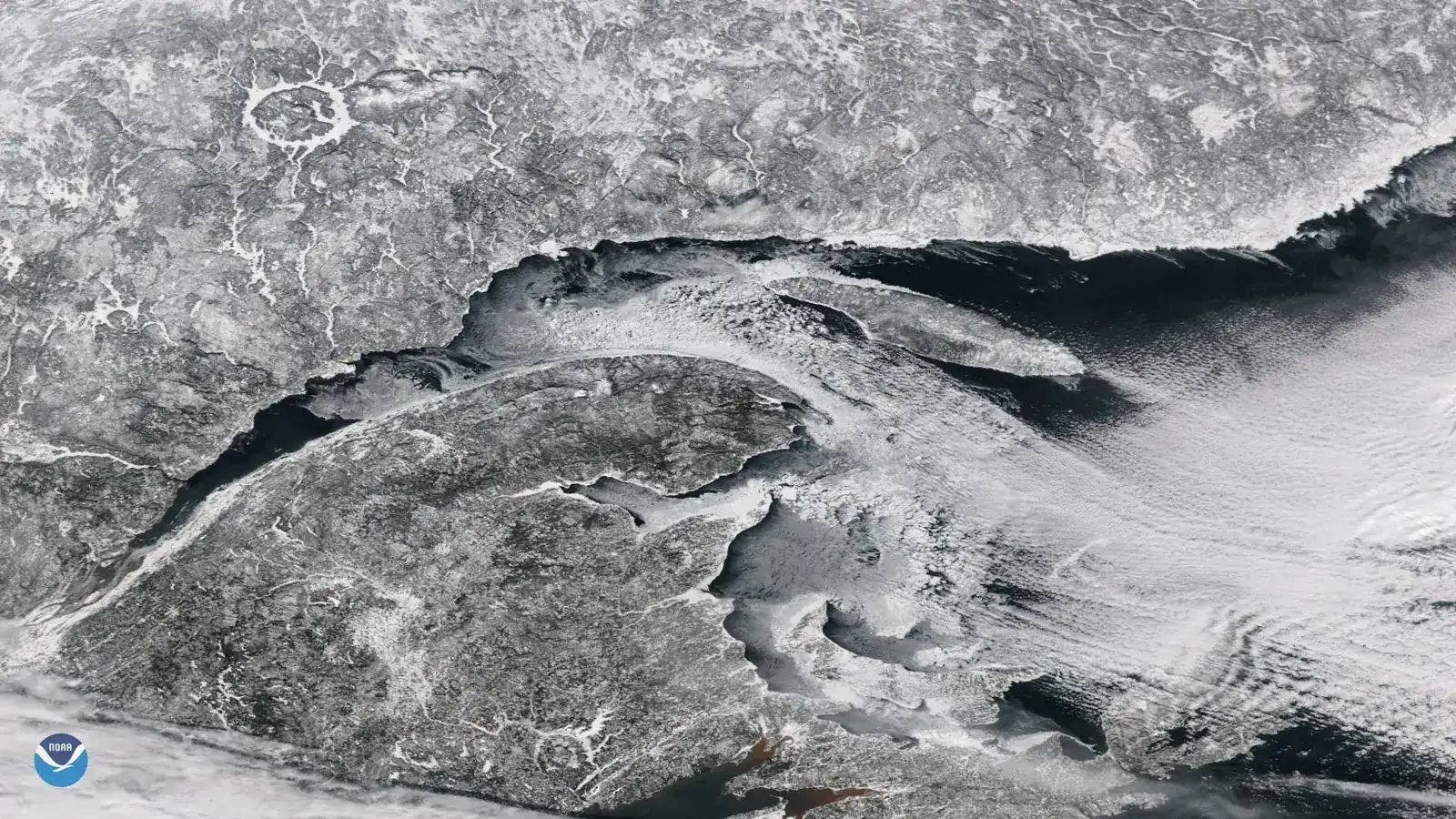
The Bay of Fundy is famous for an exceptionally large tidal range. Its shape and natural oscillation help amplify incoming tidal energy. Careful wording prevents a common mistake—confusing what an observer sees with the underlying object or process that produced the view.
Narrowing and shallowing toward the head of the bay further shape the response. Large tides there are not evidence that the Moon pulls uniquely hard on Atlantic Canada. Researchers test the explanation by comparing measurements made under different geometries, conditions and observing methods.
For readers asking about the bay of fundy example, the practical point is that observations depend on position, timing and conditions. A photograph or brief glance captures only one configuration, whereas the scientific explanation must account for the full range of repeatable appearances. That is why authoritative explanations combine direct observation with models, calibrated instruments and predictions that can be checked independently.
Tidal currents
Rising and falling water is accompanied by horizontal flow. Flood current generally moves with the incoming tide and ebb current with the outgoing tide. This distinction matters because the familiar appearance is the final result of several linked physical steps, not a single isolated event.
Slack water is a period of weaker current and does not always coincide exactly with high or low water. Navigation requires current predictions as well as height predictions. The mechanism also predicts what should change when one part of the system changes, which makes the account scientifically useful rather than merely descriptive.
For readers asking about tidal currents, the practical point is that observations depend on position, timing and conditions. A photograph or brief glance captures only one configuration, whereas the scientific explanation must account for the full range of repeatable appearances. That is why authoritative explanations combine direct observation with models, calibrated instruments and predictions that can be checked independently.
Weather and sea level
Wind can push water toward or away from shore. Atmospheric pressure changes sea level, and storms can produce dangerous surge. Researchers test the explanation by comparing measurements made under different geometries, conditions and observing methods.
These meteorological effects combine with the astronomical tide. A tide table is therefore not a complete coastal flood forecast. Scale is important here: processes that happen at the level of atoms or charged particles can create patterns visible across an entire sky.
For readers asking about weather and sea level, the practical point is that observations depend on position, timing and conditions. A photograph or brief glance captures only one configuration, whereas the scientific explanation must account for the full range of repeatable appearances. That is why authoritative explanations combine direct observation with models, calibrated instruments and predictions that can be checked independently.
Perigean and other variations
The Moon’s elliptical orbit changes its distance from Earth. A new or full moon near perigee can increase the expected tidal range. The mechanism also predicts what should change when one part of the system changes, which makes the account scientifically useful rather than merely descriptive.
Earth-Sun distance and lunar declination add further cycles. Popular labels such as king tide describe high-water events but do not replace local measurements. Careful wording prevents a common mistake—confusing what an observer sees with the underlying object or process that produced the view.
For readers asking about perigean and other variations, the practical point is that observations depend on position, timing and conditions. A photograph or brief glance captures only one configuration, whereas the scientific explanation must account for the full range of repeatable appearances. That is why authoritative explanations combine direct observation with models, calibrated instruments and predictions that can be checked independently.
How tides are predicted
Long records from tide gauges reveal recurring astronomical constituents. Analysts separate cycles associated with lunar, solar and geographic influences. Scale is important here: processes that happen at the level of atoms or charged particles can create patterns visible across an entire sky.
Predictions reconstruct their future combination for a specific station. Observed water levels can depart from predictions when weather or unusual ocean conditions intervene. This distinction matters because the familiar appearance is the final result of several linked physical steps, not a single isolated event.
For readers asking about how tides are predicted, the practical point is that observations depend on position, timing and conditions. A photograph or brief glance captures only one configuration, whereas the scientific explanation must account for the full range of repeatable appearances. That is why authoritative explanations combine direct observation with models, calibrated instruments and predictions that can be checked independently.
Why tides matter
Tides shape intertidal ecosystems, sediment movement, navigation and coastal planning. Organisms time feeding and reproduction around changing exposure. Careful wording prevents a common mistake—confusing what an observer sees with the underlying object or process that produced the view.
Engineers need water-level and current information for ports and structures. Understanding both astronomical regularity and local variability is essential. Researchers test the explanation by comparing measurements made under different geometries, conditions and observing methods.
For readers asking about why tides matter, the practical point is that observations depend on position, timing and conditions. A photograph or brief glance captures only one configuration, whereas the scientific explanation must account for the full range of repeatable appearances. That is why authoritative explanations combine direct observation with models, calibrated instruments and predictions that can be checked independently.
Frequently asked questions
What is the simplest correct explanation?
Ocean tides are long-period changes in sea level driven mainly by differences in the Moon’s gravitational pull across Earth, with an important contribution from the Sun. Earth’s rotation, ocean-basin shape, water depth, coastlines and weather determine the timing and height observed at a particular shore.
Can the appearance change without the underlying physics changing?
Yes. Viewing angle, distance, atmospheric conditions, brightness, local surroundings and the sensitivity of human vision or cameras can change what is perceived even when the governing physical process remains the same.
Why do photographs sometimes look different from direct observation?
Cameras collect and process light differently from the human visual system. Exposure time, sensor response, white balance, contrast and computational processing can reveal faint structure or amplify colour, so an image should be interpreted with its capture method in mind.
How do scientists know the explanation is reliable?
The explanation connects independently measured quantities and makes predictions across changing conditions. Spectroscopy, imaging, timing, field measurements, laboratory physics and observations from different locations provide checks with different strengths and limitations.
What should a reader remember?
Keep the geometry and the energy pathway in view. Ask where the light or sound began, what it interacted with, how it travelled and why the observer received that particular signal at that particular time.
Key takeaways
- Ocean tides are long-period changes in sea level driven mainly by differences in the Moon’s gravitational pull across Earth, with an important contribution from the Sun. Earth’s rotation, ocean-basin shape, water depth, coastlines and weather determine the timing and height observed at a particular shore.
- The observed appearance is evidence of a physical process, but it is also shaped by viewing geometry and detection.
- Authoritative measurements support the central mechanism while leaving room to refine details.
- Related phenomena may share part of the physics without being the same event.
Continue exploring
What researchers will test next
Progress now depends on measurements that connect controlled experiments with the complexity of the wider world. Researchers need observations collected across different locations, instruments and timescales, with methods described clearly enough for independent teams to repeat them. Larger samples can reveal whether an apparent pattern is widespread or driven by a few unusual cases. Longer records can separate temporary variation from a durable change.
New instruments may improve precision, but precision alone does not guarantee a better explanation. Scientists must still test alternative causes, disclose uncertainty and check whether an analysis gives the same answer when reasonable assumptions change. Open data and carefully documented methods allow other researchers to find errors, reproduce results and combine evidence that was gathered for different purposes.
The most useful future studies will make competing explanations face distinct predictions. When several independent tests agree, confidence can grow. When they disagree, the mismatch becomes evidence about what the original account was missing. Barnakle treats this process as a strength of science: conclusions can be reliable without being final, and responsible reporting should explain both what is known and what observation could change the picture.
Sources and further reading
Keep exploring.
One remarkable idea at a time—nature, science, history and beyond.
Sources and further reading
Barnakle uses credible primary and authoritative sources wherever possible.
- NOAA — What Causes Tides?
- https://oceanservice.noaa.gov/education/tutorial_tides/tides02_cause.html
- NOAA — Gravity, Inertia and the Two Bulges
- https://oceanservice.noaa.gov/education/tutorial_tides/tides03_gravity.html
- NOAA — Tidal Variations
- https://oceanservice.noaa.gov/education/tutorial_tides/tides06_variations.html
- NOAA — Spring and Neap Tides
- https://oceanservice.noaa.gov/facts/springtide.html
Last reviewed September 25, 2026.

Barnakle Editorial Team
A member of the Barnakle editorial team, exploring remarkable ideas with clarity, curiosity and care.
More from this author →