
Shorter days reorganize pigments before deciduous trees let their leaves go
The short answer
Leaves change colour as deciduous trees prepare for winter. Shorter days help trigger senescence, chlorophyll is dismantled and nutrients are recovered. Yellow and orange carotenoids already present become visible, while some species manufacture red and purple anthocyanins. Weather, species, soil and leaf health determine the final display.
Autumn colour is not paint added to a green leaf. It is a controlled transition in which the leaf stops investing in photosynthesis, breaks down cellular machinery, moves resources back into the tree and forms a separation layer. Pigments disappear or appear at different rates, turning physiology into a landscape-scale signal.
Chlorophyll makes leaves green
Chlorophyll absorbs red and blue wavelengths for photosynthesis and reflects more green light. During summer it is continually damaged and replaced, so its strong signal masks other pigments already working inside the leaf.
For why leaves change colour, Chlorophyll makes leaves green is one part of a connected mechanism. Researchers separate the immediate trigger from the process that follows, measure how strongly each variable changes the result and compare cases in which the expected effect is weak or absent. That prevents a memorable explanation from becoming an absolute rule.
Evidence concerning Chlorophyll makes leaves green is strongest when independent methods agree. Field observations show what happens under natural conditions, controlled experiments isolate causes, and chemical or physical measurements identify the pathway. Each method has different limitations, so convergence is more informative than repetition of one measurement.
Scale and context for Chlorophyll makes leaves green also matter. A process demonstrated in one organism, location or laboratory setup may not operate identically everywhere. Reporting sample size, timing, environmental conditions and uncertainty lets another team reproduce the result and determine which details are general and which are local.
Night length provides a calendar
As autumn approaches, nights lengthen predictably. Trees sense photoperiod and adjust genes, hormones and metabolism before severe cold. Temperature modifies timing, but day length is a dependable seasonal cue.
For why leaves change colour, Night length provides a calendar is one part of a connected mechanism. Researchers separate the immediate trigger from the process that follows, measure how strongly each variable changes the result and compare cases in which the expected effect is weak or absent. That prevents a memorable explanation from becoming an absolute rule.
Evidence concerning Night length provides a calendar is strongest when independent methods agree. Field observations show what happens under natural conditions, controlled experiments isolate causes, and chemical or physical measurements identify the pathway. Each method has different limitations, so convergence is more informative than repetition of one measurement.
Scale and context for Night length provides a calendar also matter. A process demonstrated in one organism, location or laboratory setup may not operate identically everywhere. Reporting sample size, timing, environmental conditions and uncertainty lets another team reproduce the result and determine which details are general and which are local.
Senescence recycles nutrients
Enzymes dismantle chloroplasts and move nitrogen and other reusable compounds into twigs, stems and roots. The tree is not allowing a leaf to die randomly; it is recovering costly materials for future growth.
For why leaves change colour, Senescence recycles nutrients is one part of a connected mechanism. Researchers separate the immediate trigger from the process that follows, measure how strongly each variable changes the result and compare cases in which the expected effect is weak or absent. That prevents a memorable explanation from becoming an absolute rule.
Evidence concerning Senescence recycles nutrients is strongest when independent methods agree. Field observations show what happens under natural conditions, controlled experiments isolate causes, and chemical or physical measurements identify the pathway. Each method has different limitations, so convergence is more informative than repetition of one measurement.
Scale and context for Senescence recycles nutrients also matter. A process demonstrated in one organism, location or laboratory setup may not operate identically everywhere. Reporting sample size, timing, environmental conditions and uncertainty lets another team reproduce the result and determine which details are general and which are local.
Carotenoids reveal yellow and orange
Carotenes and xanthophylls help capture light and protect photosynthesis during summer. They persist longer than chlorophyll, so yellow and orange become visible when green pigment declines.
For why leaves change colour, Carotenoids reveal yellow and orange is one part of a connected mechanism. Researchers separate the immediate trigger from the process that follows, measure how strongly each variable changes the result and compare cases in which the expected effect is weak or absent. That prevents a memorable explanation from becoming an absolute rule.
Evidence concerning Carotenoids reveal yellow and orange is strongest when independent methods agree. Field observations show what happens under natural conditions, controlled experiments isolate causes, and chemical or physical measurements identify the pathway. Each method has different limitations, so convergence is more informative than repetition of one measurement.
Scale and context for Carotenoids reveal yellow and orange also matter. A process demonstrated in one organism, location or laboratory setup may not operate identically everywhere. Reporting sample size, timing, environmental conditions and uncertainty lets another team reproduce the result and determine which details are general and which are local.
Anthocyanins create reds and purples
Many species manufacture anthocyanins in autumn from sugars inside the leaf. Their colour shifts with acidity and cellular conditions. Evidence supports protective roles, although no single explanation covers every species.
For why leaves change colour, Anthocyanins create reds and purples is one part of a connected mechanism. Researchers separate the immediate trigger from the process that follows, measure how strongly each variable changes the result and compare cases in which the expected effect is weak or absent. That prevents a memorable explanation from becoming an absolute rule.
Evidence concerning Anthocyanins create reds and purples is strongest when independent methods agree. Field observations show what happens under natural conditions, controlled experiments isolate causes, and chemical or physical measurements identify the pathway. Each method has different limitations, so convergence is more informative than repetition of one measurement.
Scale and context for Anthocyanins create reds and purples also matter. A process demonstrated in one organism, location or laboratory setup may not operate identically everywhere. Reporting sample size, timing, environmental conditions and uncertainty lets another team reproduce the result and determine which details are general and which are local.
An abscission layer prepares leaf fall
Cells at the petiole base form a weakening and sealing zone. Transport declines, the twig side is protected, and wind or gravity eventually detaches the leaf. Colour change and leaf fall are related but distinct stages.
For why leaves change colour, An abscission layer prepares leaf fall is one part of a connected mechanism. Researchers separate the immediate trigger from the process that follows, measure how strongly each variable changes the result and compare cases in which the expected effect is weak or absent. That prevents a memorable explanation from becoming an absolute rule.
Evidence concerning An abscission layer prepares leaf fall is strongest when independent methods agree. Field observations show what happens under natural conditions, controlled experiments isolate causes, and chemical or physical measurements identify the pathway. Each method has different limitations, so convergence is more informative than repetition of one measurement.
Scale and context for An abscission layer prepares leaf fall also matter. A process demonstrated in one organism, location or laboratory setup may not operate identically everywhere. Reporting sample size, timing, environmental conditions and uncertainty lets another team reproduce the result and determine which details are general and which are local.
Sunny days can favour red
Bright days support sugar production, while cool nights slow metabolism without immediately freezing tissue. In capable species, that combination can favour anthocyanin accumulation, provided the leaf remains healthy.
For why leaves change colour, Sunny days can favour red is one part of a connected mechanism. Researchers separate the immediate trigger from the process that follows, measure how strongly each variable changes the result and compare cases in which the expected effect is weak or absent. That prevents a memorable explanation from becoming an absolute rule.
Evidence concerning Sunny days can favour red is strongest when independent methods agree. Field observations show what happens under natural conditions, controlled experiments isolate causes, and chemical or physical measurements identify the pathway. Each method has different limitations, so convergence is more informative than repetition of one measurement.
Scale and context for Sunny days can favour red also matter. A process demonstrated in one organism, location or laboratory setup may not operate identically everywhere. Reporting sample size, timing, environmental conditions and uncertainty lets another team reproduce the result and determine which details are general and which are local.
Hard frost can end the display
A light chill may accelerate senescence, but a strong freeze damages membranes and enzymes, causing rapid browning or drop. Cold is therefore a modifier, not a guarantee of brighter colour.
For why leaves change colour, Hard frost can end the display is one part of a connected mechanism. Researchers separate the immediate trigger from the process that follows, measure how strongly each variable changes the result and compare cases in which the expected effect is weak or absent. That prevents a memorable explanation from becoming an absolute rule.
Evidence concerning Hard frost can end the display is strongest when independent methods agree. Field observations show what happens under natural conditions, controlled experiments isolate causes, and chemical or physical measurements identify the pathway. Each method has different limitations, so convergence is more informative than repetition of one measurement.
Scale and context for Hard frost can end the display also matter. A process demonstrated in one organism, location or laboratory setup may not operate identically everywhere. Reporting sample size, timing, environmental conditions and uncertainty lets another team reproduce the result and determine which details are general and which are local.
Drought changes timing and quality
Moderate stress can advance senescence, while severe drought often causes premature browning and leaf loss. Timing matters because damaged foliage may not complete nutrient recovery or pigment transitions.
For why leaves change colour, Drought changes timing and quality is one part of a connected mechanism. Researchers separate the immediate trigger from the process that follows, measure how strongly each variable changes the result and compare cases in which the expected effect is weak or absent. That prevents a memorable explanation from becoming an absolute rule.
Evidence concerning Drought changes timing and quality is strongest when independent methods agree. Field observations show what happens under natural conditions, controlled experiments isolate causes, and chemical or physical measurements identify the pathway. Each method has different limitations, so convergence is more informative than repetition of one measurement.
Scale and context for Drought changes timing and quality also matter. A process demonstrated in one organism, location or laboratory setup may not operate identically everywhere. Reporting sample size, timing, environmental conditions and uncertainty lets another team reproduce the result and determine which details are general and which are local.
Species set the palette
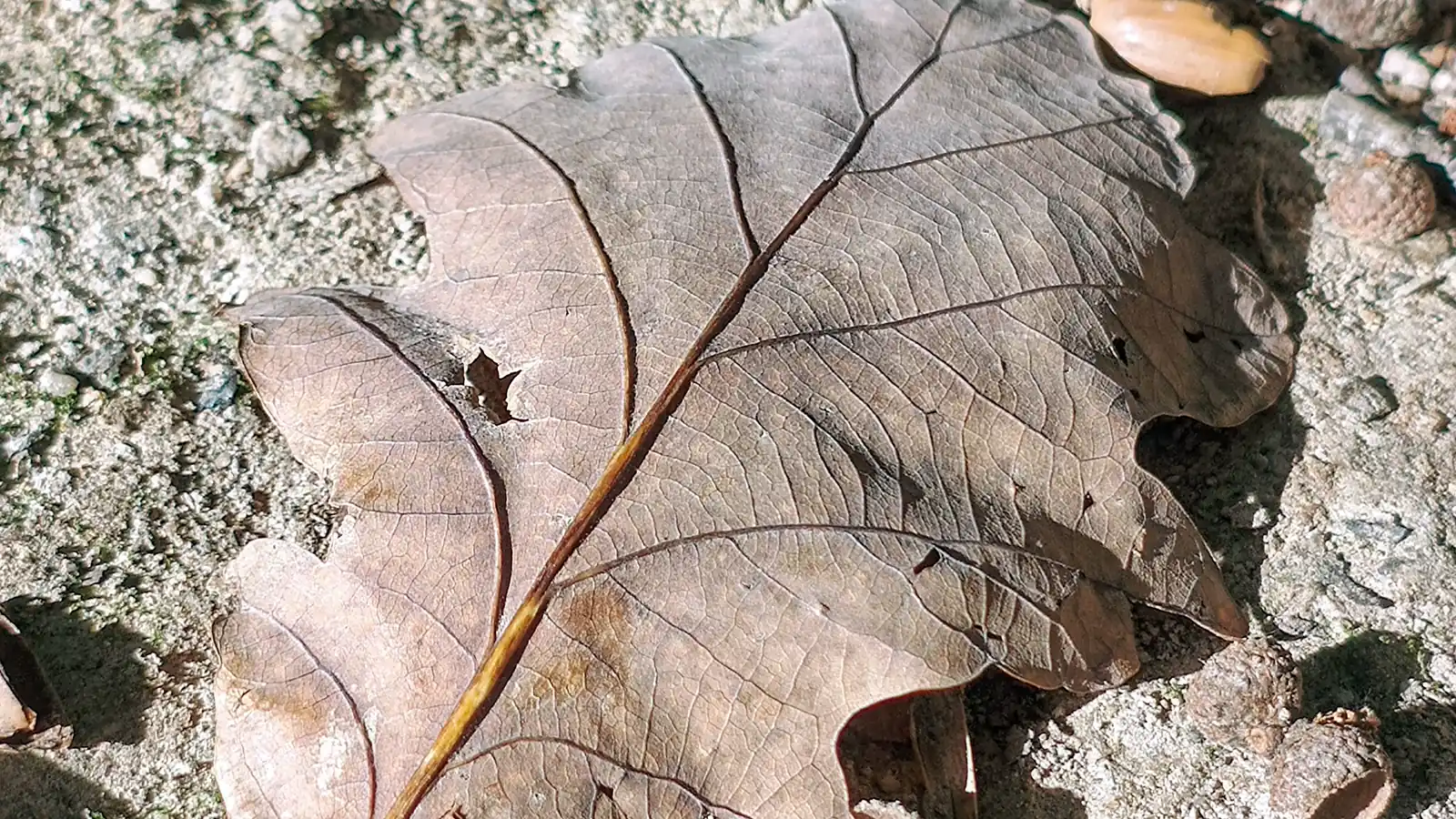
Genetics controls pigment pathways, anatomy and timing. Sugar maples can become orange-red, ginkgo often turns yellow, and oaks may retain brown tannin-rich leaves. Weather cannot make every tree produce pigments it lacks.
For why leaves change colour, Species set the palette is one part of a connected mechanism. Researchers separate the immediate trigger from the process that follows, measure how strongly each variable changes the result and compare cases in which the expected effect is weak or absent. That prevents a memorable explanation from becoming an absolute rule.
Evidence concerning Species set the palette is strongest when independent methods agree. Field observations show what happens under natural conditions, controlled experiments isolate causes, and chemical or physical measurements identify the pathway. Each method has different limitations, so convergence is more informative than repetition of one measurement.
Scale and context for Species set the palette also matter. A process demonstrated in one organism, location or laboratory setup may not operate identically everywhere. Reporting sample size, timing, environmental conditions and uncertainty lets another team reproduce the result and determine which details are general and which are local.
Elevation shifts the calendar
Higher and northern sites often cool earlier, while slope, exposure, soil moisture and urban heat create local differences. Peak colour moves across a region rather than occurring on one permanent date.
For why leaves change colour, Elevation shifts the calendar is one part of a connected mechanism. Researchers separate the immediate trigger from the process that follows, measure how strongly each variable changes the result and compare cases in which the expected effect is weak or absent. That prevents a memorable explanation from becoming an absolute rule.
Evidence concerning Elevation shifts the calendar is strongest when independent methods agree. Field observations show what happens under natural conditions, controlled experiments isolate causes, and chemical or physical measurements identify the pathway. Each method has different limitations, so convergence is more informative than repetition of one measurement.
Scale and context for Elevation shifts the calendar also matter. A process demonstrated in one organism, location or laboratory setup may not operate identically everywhere. Reporting sample size, timing, environmental conditions and uncertainty lets another team reproduce the result and determine which details are general and which are local.
Climate trends are complex
Warmer seasons can delay senescence in some species, while heat, drought, pests and frost mismatch can advance it in others. Long records are needed to separate climate trends from ordinary yearly weather.
For why leaves change colour, Climate trends are complex is one part of a connected mechanism. Researchers separate the immediate trigger from the process that follows, measure how strongly each variable changes the result and compare cases in which the expected effect is weak or absent. That prevents a memorable explanation from becoming an absolute rule.
Evidence concerning Climate trends are complex is strongest when independent methods agree. Field observations show what happens under natural conditions, controlled experiments isolate causes, and chemical or physical measurements identify the pathway. Each method has different limitations, so convergence is more informative than repetition of one measurement.
Scale and context for Climate trends are complex also matter. A process demonstrated in one organism, location or laboratory setup may not operate identically everywhere. Reporting sample size, timing, environmental conditions and uncertainty lets another team reproduce the result and determine which details are general and which are local.
Common misconceptions
Chlorophyll does not turn into red or yellow pigment. It is dismantled, revealing existing carotenoids while some leaves manufacture anthocyanins separately. Cold alone is not the master switch, and one frosty night does not guarantee brighter colour.
Useful shorthand should preserve the causal chain. It becomes misleading when it confuses correlation with mechanism, extends a result beyond the tested conditions or treats normal variation as a contradiction. The accurate explanation can remain clear without pretending every case is identical.
How scientists know
Scientists separate pigments with chromatography, measure light absorption, track gene expression and nutrient movement, and manipulate temperature or day length. Foresters repeat observations across species and sites, while satellites measure canopy colour and season length over large regions.
No single measurement carries the whole conclusion. Agreement among methods matters because observations, experiments, models and historical records fail in different ways. Disagreement can reveal an uncontrolled variable or a question that deserves a better test.
Frequently asked questions
Why do evergreens remain green?
Most needles persist for several years and have adaptations that reduce freezing and winter water loss. Old foliage is replaced gradually.
Why do leaves become brown?
Tannins and structural material remain after bright pigments and living contents break down. Dead tissue also scatters light differently.
Can one tree differ each year?
Yes. Sunlight, temperature, drought, frost, insects and nutrient status influence timing and intensity.
Why are some maples redder?
Genetics enables anthocyanin production; sunny days, cool nights and healthy sugar-rich leaves can support accumulation.
Does colour change harm the tree?
Normal senescence is adaptive, but premature stress-related browning can shorten photosynthesis and reduce nutrient recovery.
Key takeaways
- Chlorophyll loss reveals carotenoids already present.
- Some species manufacture anthocyanins in autumn.
- Shorter days provide the cue while weather modifies the display.
- Senescence recovers nutrients and prepares leaf fall.
Continue exploring
Sources and further reading
Keep exploring.
One remarkable idea at a time—nature, science, history and beyond.
Sources and further reading
Barnakle uses credible primary and authoritative sources wherever possible.
- USDA Forest Service — Why leaves change colour
- https://www.fs.usda.gov/media/74087
- US Forest Service — Joy and science of fall colours
- https://www.fs.usda.gov/visit/fall-colors/joy-and-science
- USFS research — Fall foliage colour in sugar maple
- https://research.fs.usda.gov/treesearch/39707
- USFS research — Red coloration and senescence
- https://research.fs.usda.gov/treesearch/15618
Last reviewed October 2, 2026.

Barnakle Editorial Team
A member of the Barnakle editorial team, exploring remarkable ideas with clarity, curiosity and care.
More from this author →