A vacuum, reflective surfaces and a narrow sealed neck slow every major route by which heat can travel
The short answer
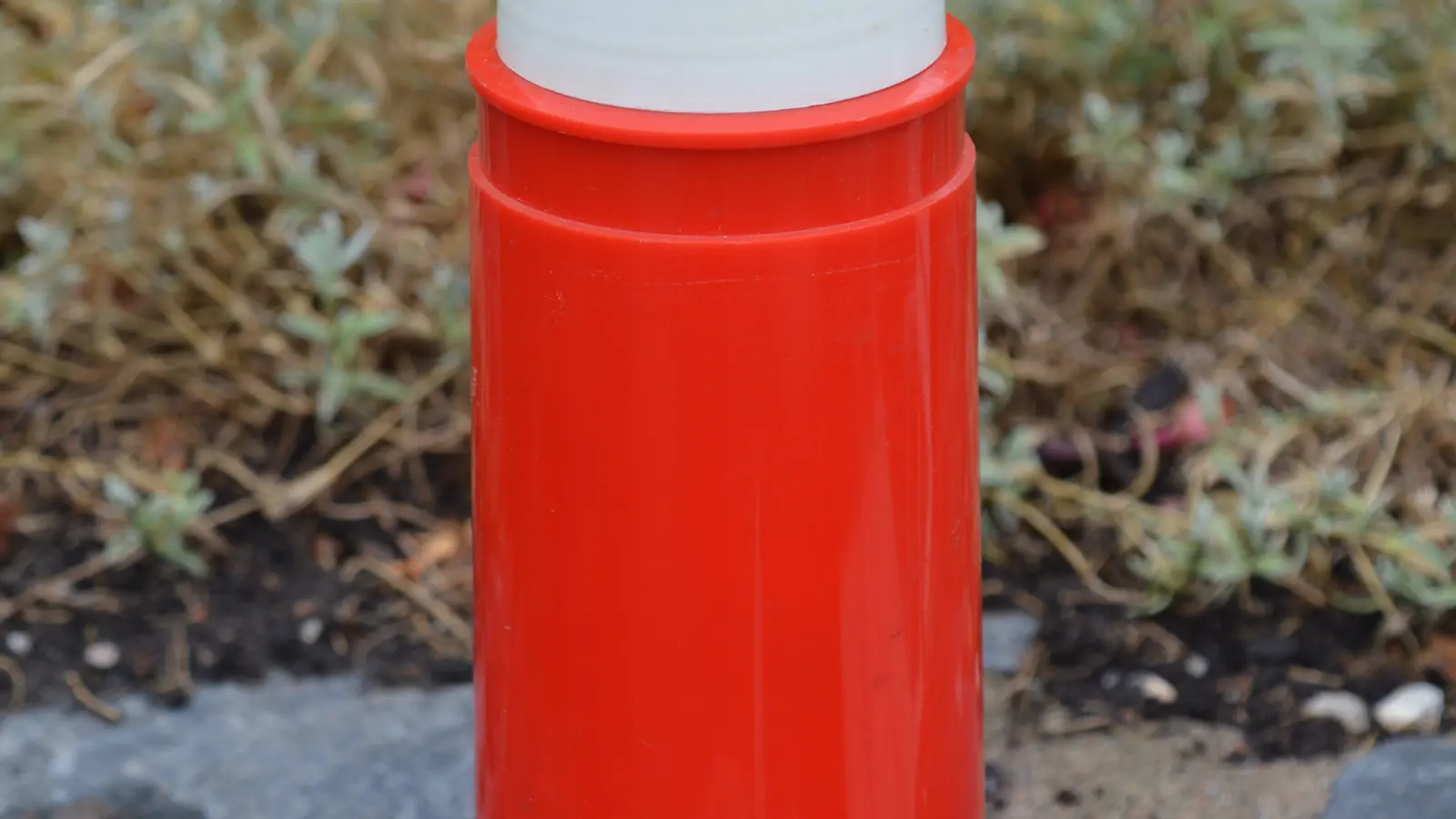
A vacuum flask slows heat transfer between its contents and the surroundings. The evacuated gap between two walls contains almost no matter, greatly reducing conduction and convection. Reflective surfaces reduce thermal radiation, while an insulated stopper and narrow neck limit the remaining heat path. The same design keeps hot drinks hot and cold drinks cold because it resists heat flow in either direction.
A flask does not recognize whether its contents should be hot or cold. It simply makes the journey toward room temperature slower by attacking conduction, convection, radiation and evaporation at the same time.
Heat always moves down a temperature difference
Thermal energy tends to pass from a warmer region toward a cooler one. A flask cannot stop that tendency forever, but it can make the available transfer routes much less effective.
Understanding Heat always moves down a temperature difference means separating the immediate mechanism from the conditions that change its strength, timing or visibility. Researchers measure those variables independently, compare real examples and test whether the explanation predicts new observations. That turns a plausible story into an evidence-based account.
The evidence comes from methods that fail in different ways. Direct observation establishes what occurs, instruments quantify structure or timing, experiments isolate candidate causes and models test whether known physical, chemical or biological rules reproduce the pattern. Agreement among methods is stronger than repetition of one memorable example.
Context also matters. Scale, material, temperature, geometry, environment and measurement limits can change an outcome without overturning the underlying process. Accurate reporting preserves this variation, states uncertainty and avoids turning a useful explanation into a universal rule.
A practical explanation should identify what would change the observation. Following that question reveals the limits of present evidence and the next measurement needed.
This mechanism connects a familiar question with a broader scientific principle. Following matter, energy or information through each stage shows where the explanation is established, where natural variation enters and why a superficially similar event may have another cause.
Scientists also test alternatives rather than stopping at the first plausible account. A strong explanation predicts several linked observations, survives controlled comparison and specifies where it should fail. That approach keeps a clear answer accurate without hiding complexity.
The vacuum suppresses conduction
Conduction transfers energy through collisions and interactions among particles. Removing most gas molecules from the wall gap leaves far fewer particles available to carry energy across it.
Understanding The vacuum suppresses conduction means separating the immediate mechanism from the conditions that change its strength, timing or visibility. Researchers measure those variables independently, compare real examples and test whether the explanation predicts new observations. That turns a plausible story into an evidence-based account.
The evidence comes from methods that fail in different ways. Direct observation establishes what occurs, instruments quantify structure or timing, experiments isolate candidate causes and models test whether known physical, chemical or biological rules reproduce the pattern. Agreement among methods is stronger than repetition of one memorable example.
Context also matters. Scale, material, temperature, geometry, environment and measurement limits can change an outcome without overturning the underlying process. Accurate reporting preserves this variation, states uncertainty and avoids turning a useful explanation into a universal rule.
A practical explanation should identify what would change the observation. Following that question reveals the limits of present evidence and the next measurement needed.
This mechanism connects a familiar question with a broader scientific principle. Following matter, energy or information through each stage shows where the explanation is established, where natural variation enters and why a superficially similar event may have another cause.
Scientists also test alternatives rather than stopping at the first plausible account. A strong explanation predicts several linked observations, survives controlled comparison and specifies where it should fail. That approach keeps a clear answer accurate without hiding complexity.
The vacuum also prevents convection
Convection requires a moving fluid. With almost no gas in the evacuated gap, circulating currents cannot form between the inner and outer walls.
Understanding The vacuum also prevents convection means separating the immediate mechanism from the conditions that change its strength, timing or visibility. Researchers measure those variables independently, compare real examples and test whether the explanation predicts new observations. That turns a plausible story into an evidence-based account.
The evidence comes from methods that fail in different ways. Direct observation establishes what occurs, instruments quantify structure or timing, experiments isolate candidate causes and models test whether known physical, chemical or biological rules reproduce the pattern. Agreement among methods is stronger than repetition of one memorable example.
Context also matters. Scale, material, temperature, geometry, environment and measurement limits can change an outcome without overturning the underlying process. Accurate reporting preserves this variation, states uncertainty and avoids turning a useful explanation into a universal rule.
A practical explanation should identify what would change the observation. Following that question reveals the limits of present evidence and the next measurement needed.
This mechanism connects a familiar question with a broader scientific principle. Following matter, energy or information through each stage shows where the explanation is established, where natural variation enters and why a superficially similar event may have another cause.
Scientists also test alternatives rather than stopping at the first plausible account. A strong explanation predicts several linked observations, survives controlled comparison and specifies where it should fail. That approach keeps a clear answer accurate without hiding complexity.
Reflective walls reduce radiation
All warm objects emit electromagnetic radiation. Shiny, low-emissivity surfaces reflect much of the infrared energy that would otherwise cross the vacuum, reducing this remaining transfer route.
Understanding Reflective walls reduce radiation means separating the immediate mechanism from the conditions that change its strength, timing or visibility. Researchers measure those variables independently, compare real examples and test whether the explanation predicts new observations. That turns a plausible story into an evidence-based account.
The evidence comes from methods that fail in different ways. Direct observation establishes what occurs, instruments quantify structure or timing, experiments isolate candidate causes and models test whether known physical, chemical or biological rules reproduce the pattern. Agreement among methods is stronger than repetition of one memorable example.
Context also matters. Scale, material, temperature, geometry, environment and measurement limits can change an outcome without overturning the underlying process. Accurate reporting preserves this variation, states uncertainty and avoids turning a useful explanation into a universal rule.
A practical explanation should identify what would change the observation. Following that question reveals the limits of present evidence and the next measurement needed.
This mechanism connects a familiar question with a broader scientific principle. Following matter, energy or information through each stage shows where the explanation is established, where natural variation enters and why a superficially similar event may have another cause.
Scientists also test alternatives rather than stopping at the first plausible account. A strong explanation predicts several linked observations, survives controlled comparison and specifies where it should fail. That approach keeps a clear answer accurate without hiding complexity.
The neck remains a thermal bridge
The inner vessel must be supported and connected near the opening. Heat can conduct through that solid structure, which is why flasks use narrow necks and materials or geometries that limit the bridge.
Understanding The neck remains a thermal bridge means separating the immediate mechanism from the conditions that change its strength, timing or visibility. Researchers measure those variables independently, compare real examples and test whether the explanation predicts new observations. That turns a plausible story into an evidence-based account.
The evidence comes from methods that fail in different ways. Direct observation establishes what occurs, instruments quantify structure or timing, experiments isolate candidate causes and models test whether known physical, chemical or biological rules reproduce the pattern. Agreement among methods is stronger than repetition of one memorable example.
Context also matters. Scale, material, temperature, geometry, environment and measurement limits can change an outcome without overturning the underlying process. Accurate reporting preserves this variation, states uncertainty and avoids turning a useful explanation into a universal rule.
A practical explanation should identify what would change the observation. Following that question reveals the limits of present evidence and the next measurement needed.
This mechanism connects a familiar question with a broader scientific principle. Following matter, energy or information through each stage shows where the explanation is established, where natural variation enters and why a superficially similar event may have another cause.
Scientists also test alternatives rather than stopping at the first plausible account. A strong explanation predicts several linked observations, survives controlled comparison and specifies where it should fail. That approach keeps a clear answer accurate without hiding complexity.
The stopper blocks air exchange and evaporation
A tight lid reduces convection through the mouth and prevents vapour from escaping. Evaporation can remove substantial energy from a hot liquid, so sealing the opening matters greatly.
Understanding The stopper blocks air exchange and evaporation means separating the immediate mechanism from the conditions that change its strength, timing or visibility. Researchers measure those variables independently, compare real examples and test whether the explanation predicts new observations. That turns a plausible story into an evidence-based account.
The evidence comes from methods that fail in different ways. Direct observation establishes what occurs, instruments quantify structure or timing, experiments isolate candidate causes and models test whether known physical, chemical or biological rules reproduce the pattern. Agreement among methods is stronger than repetition of one memorable example.
Context also matters. Scale, material, temperature, geometry, environment and measurement limits can change an outcome without overturning the underlying process. Accurate reporting preserves this variation, states uncertainty and avoids turning a useful explanation into a universal rule.
A practical explanation should identify what would change the observation. Following that question reveals the limits of present evidence and the next measurement needed.
This mechanism connects a familiar question with a broader scientific principle. Following matter, energy or information through each stage shows where the explanation is established, where natural variation enters and why a superficially similar event may have another cause.
Scientists also test alternatives rather than stopping at the first plausible account. A strong explanation predicts several linked observations, survives controlled comparison and specifies where it should fail. That approach keeps a clear answer accurate without hiding complexity.
Contents still change temperature slowly
Perfect insulation does not exist. Heat leaks through the stopper, supports, seals and walls, while repeated opening replaces trapped air and exposes the liquid to the room.
Understanding Contents still change temperature slowly means separating the immediate mechanism from the conditions that change its strength, timing or visibility. Researchers measure those variables independently, compare real examples and test whether the explanation predicts new observations. That turns a plausible story into an evidence-based account.
The evidence comes from methods that fail in different ways. Direct observation establishes what occurs, instruments quantify structure or timing, experiments isolate candidate causes and models test whether known physical, chemical or biological rules reproduce the pattern. Agreement among methods is stronger than repetition of one memorable example.
Context also matters. Scale, material, temperature, geometry, environment and measurement limits can change an outcome without overturning the underlying process. Accurate reporting preserves this variation, states uncertainty and avoids turning a useful explanation into a universal rule.
A practical explanation should identify what would change the observation. Following that question reveals the limits of present evidence and the next measurement needed.
This mechanism connects a familiar question with a broader scientific principle. Following matter, energy or information through each stage shows where the explanation is established, where natural variation enters and why a superficially similar event may have another cause.
Scientists also test alternatives rather than stopping at the first plausible account. A strong explanation predicts several linked observations, survives controlled comparison and specifies where it should fail. That approach keeps a clear answer accurate without hiding complexity.
Preheating or precooling reduces the initial load
Rinsing a flask with hot or cold water brings its inner wall closer to the drink temperature. Less energy is then spent warming or cooling the container itself.
Understanding Preheating or precooling reduces the initial load means separating the immediate mechanism from the conditions that change its strength, timing or visibility. Researchers measure those variables independently, compare real examples and test whether the explanation predicts new observations. That turns a plausible story into an evidence-based account.
The evidence comes from methods that fail in different ways. Direct observation establishes what occurs, instruments quantify structure or timing, experiments isolate candidate causes and models test whether known physical, chemical or biological rules reproduce the pattern. Agreement among methods is stronger than repetition of one memorable example.
Context also matters. Scale, material, temperature, geometry, environment and measurement limits can change an outcome without overturning the underlying process. Accurate reporting preserves this variation, states uncertainty and avoids turning a useful explanation into a universal rule.
A practical explanation should identify what would change the observation. Following that question reveals the limits of present evidence and the next measurement needed.
This mechanism connects a familiar question with a broader scientific principle. Following matter, energy or information through each stage shows where the explanation is established, where natural variation enters and why a superficially similar event may have another cause.
Scientists also test alternatives rather than stopping at the first plausible account. A strong explanation predicts several linked observations, survives controlled comparison and specifies where it should fail. That approach keeps a clear answer accurate without hiding complexity.
Damage can destroy performance
If the evacuated space admits air, conduction and convection rise sharply. A failed seal, dented wall or cracked glass liner can therefore cause a sudden loss of insulating ability.
Understanding Damage can destroy performance means separating the immediate mechanism from the conditions that change its strength, timing or visibility. Researchers measure those variables independently, compare real examples and test whether the explanation predicts new observations. That turns a plausible story into an evidence-based account.
The evidence comes from methods that fail in different ways. Direct observation establishes what occurs, instruments quantify structure or timing, experiments isolate candidate causes and models test whether known physical, chemical or biological rules reproduce the pattern. Agreement among methods is stronger than repetition of one memorable example.
Context also matters. Scale, material, temperature, geometry, environment and measurement limits can change an outcome without overturning the underlying process. Accurate reporting preserves this variation, states uncertainty and avoids turning a useful explanation into a universal rule.
A practical explanation should identify what would change the observation. Following that question reveals the limits of present evidence and the next measurement needed.
This mechanism connects a familiar question with a broader scientific principle. Following matter, energy or information through each stage shows where the explanation is established, where natural variation enters and why a superficially similar event may have another cause.
Scientists also test alternatives rather than stopping at the first plausible account. A strong explanation predicts several linked observations, survives controlled comparison and specifies where it should fail. That approach keeps a clear answer accurate without hiding complexity.
Common misconceptions
A vacuum flask does not contain a perfect vacuum, produce heat or create cold. Silvered walls are not mainly decorative, and the vacuum alone is not enough because radiation crosses empty space. The complete design works by reducing several transfer modes together.
Clear shorthand is valuable only when it preserves the causal chain. It becomes misleading when it substitutes a label for a mechanism, confuses association with cause or extends evidence beyond tested conditions.
How scientists know
Engineers fill vessels with water at a known temperature, monitor cooling or warming curves with calibrated probes and calculate heat-transfer coefficients. Vacuum pressure, surface emissivity, stopper conductivity and wall geometry can be changed independently to measure each contribution.
No single measurement carries the conclusion. Observations, experiments, theory and repeated records provide independent checks, while disagreement can reveal an uncontrolled variable or a question requiring a better test.
Frequently asked questions
Why does the outside stay near room temperature?
The vacuum gap greatly reduces heat reaching the outer wall.
Can the same flask hold cold drinks?
Yes. Insulation resists heat entering just as it resists heat leaving.
Why does opening the lid matter?
It permits air exchange, convection and evaporation through the mouth.
Why preheat a flask?
It reduces energy transferred from the drink into the initially cooler inner wall.
What happens if the vacuum fails?
Gas enters the gap and makes conduction and convection much stronger.
Key takeaways
- The vacuum suppresses gas conduction and convection.
- Reflective walls reduce infrared radiation.
- The stopper and narrow neck limit remaining heat paths.
- Insulation slows heat flow in either direction.
Continue exploring
Sources and further reading
Keep exploring.
One remarkable idea at a time—nature, science, history and beyond.
Sources and further reading
Barnakle uses credible primary and authoritative sources wherever possible.
- NASA Glenn Research Center — Conduction heat transfer
- https://www1.grc.nasa.gov/beginners-guide-to-aeronautics/heat-transfer-conduction/
- NASA Glenn Research Center — Convection heat transfer
- https://www1.grc.nasa.gov/beginners-guide-to-aeronautics/heat-transfer-convection/
- NASA Glenn Research Center — Radiation heat transfer
- https://www1.grc.nasa.gov/beginners-guide-to-aeronautics/heat-transfer-radiation/
Last reviewed October 14, 2026.

Barnakle Editorial Team
A member of the Barnakle editorial team, exploring remarkable ideas with clarity, curiosity and care.
More from this author →