
How Do 3D Printers Turn a Digital File into an Object?
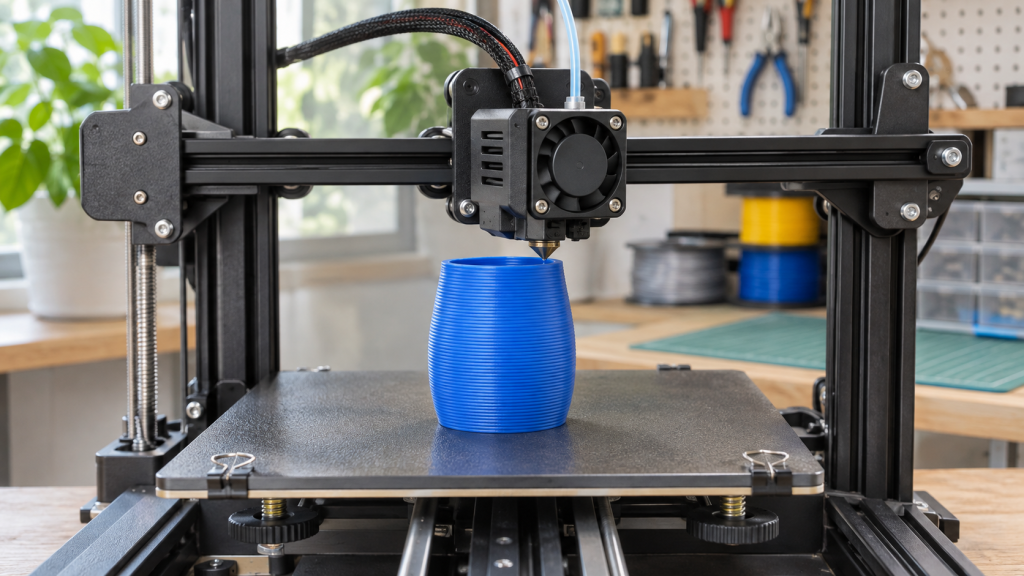
A 3D printer follows instructions derived from a digital model to build a physical object, commonly one layer at a time. Filament printers deposit softened thermoplastic; resin printers cure selected regions of liquid; other systems join powder or feedstock. The model, toolpath, material, supports and finishing steps all influence the result.
Why Do Flamingos Stand on One Leg?
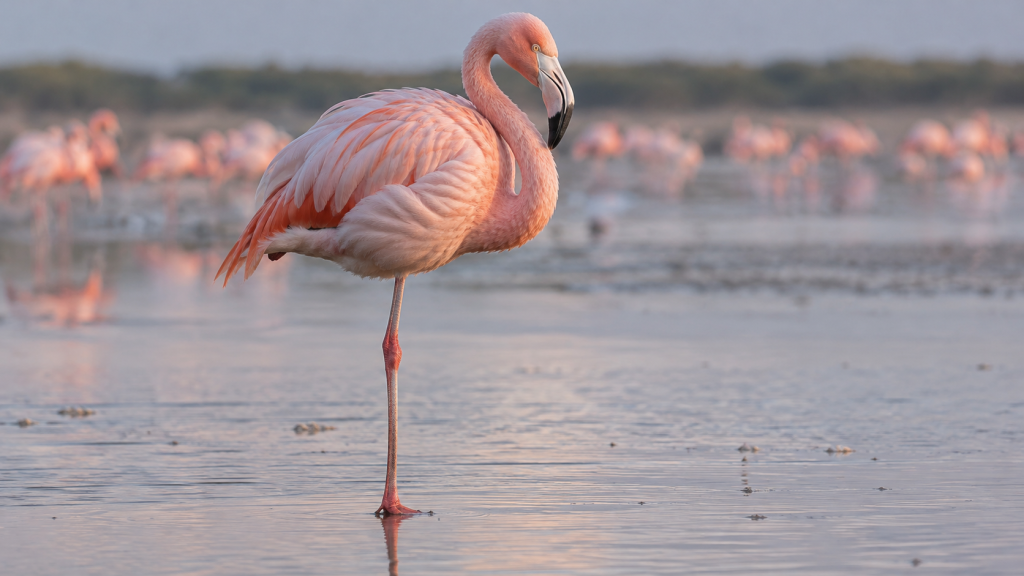
Flamingos can support their weight in a one-legged posture with surprisingly little active muscular force. Their anatomy and body position provide passive support, while tucking a leg into the feathers can also reduce heat loss. These explanations address different parts of the puzzle; scientists have not established one universal reason for every one-legged rest.
How Do Ball Bearings Reduce Friction?
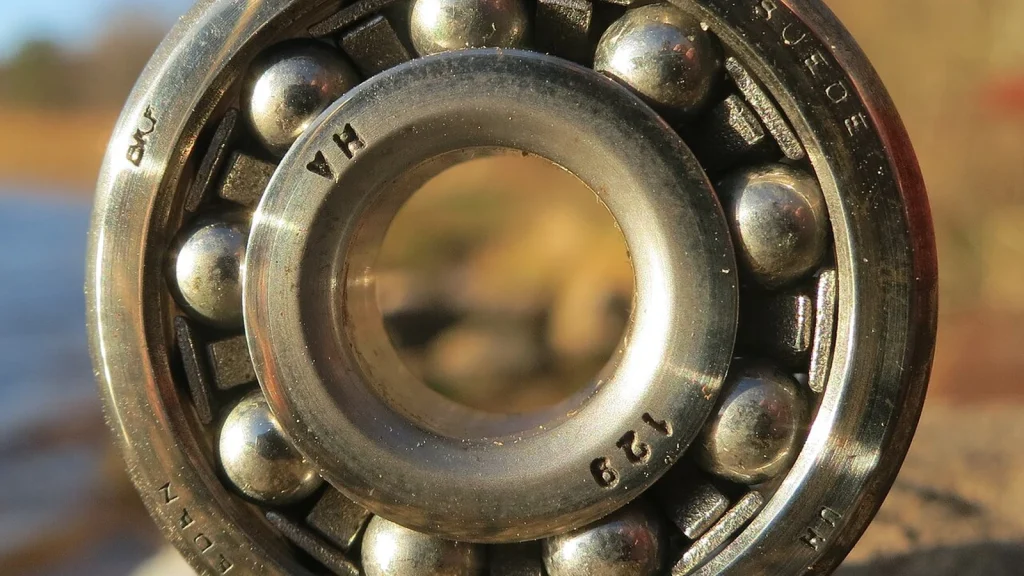
A ball bearing separates a rotating shaft from a stationary housing with hardened balls running in grooved inner and outer races. The balls roll as the rings move relative to one another, replacing broad sliding contact with small moving contact patches. Rolling still produces deformation, microscopic slip and lubricant shear, so friction is not zero. A cage spaces the balls, lubricant reduces adhesion and wear, and seals exclude contamination. Bearing geometry distributes radial or axial loads while preserving controlled clearance.
Why Does a Soda Can Hiss When You Open It?
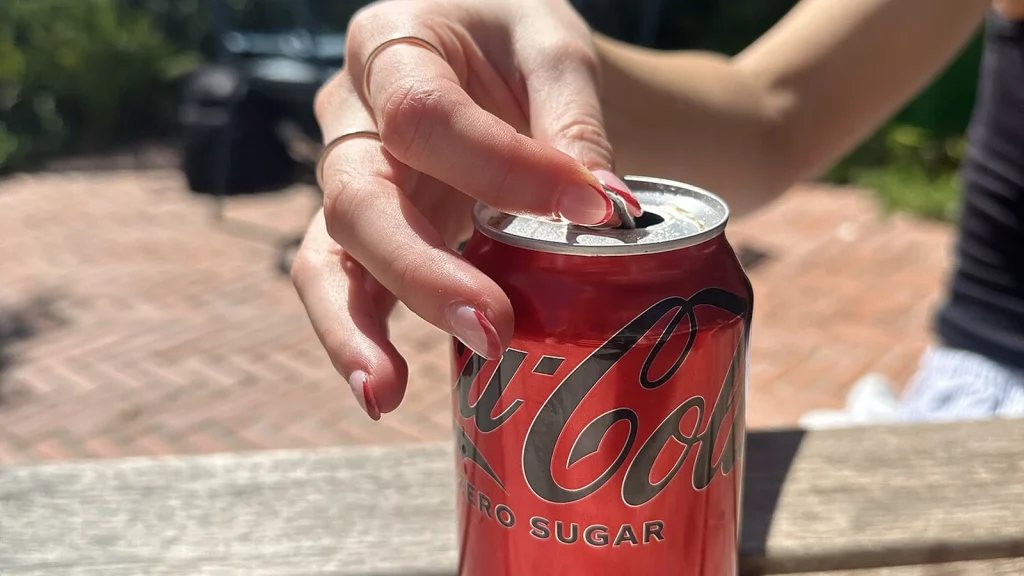
Carbonated drinks are sealed with carbon dioxide above atmospheric pressure. High pressure increases the amount of CO2 dissolved in the liquid. Pulling the tab fractures the scored lid and suddenly connects the pressurized headspace to the room. Gas accelerates through the narrow opening, becomes turbulent and generates broadband sound—the hiss. At the same time the pressure over the liquid falls, making dissolved CO2 less stable. Bubbles nucleate, grow and replenish the escaping headspace gas until pressure approaches the surroundings.
How Do Inkjet Printers Work?
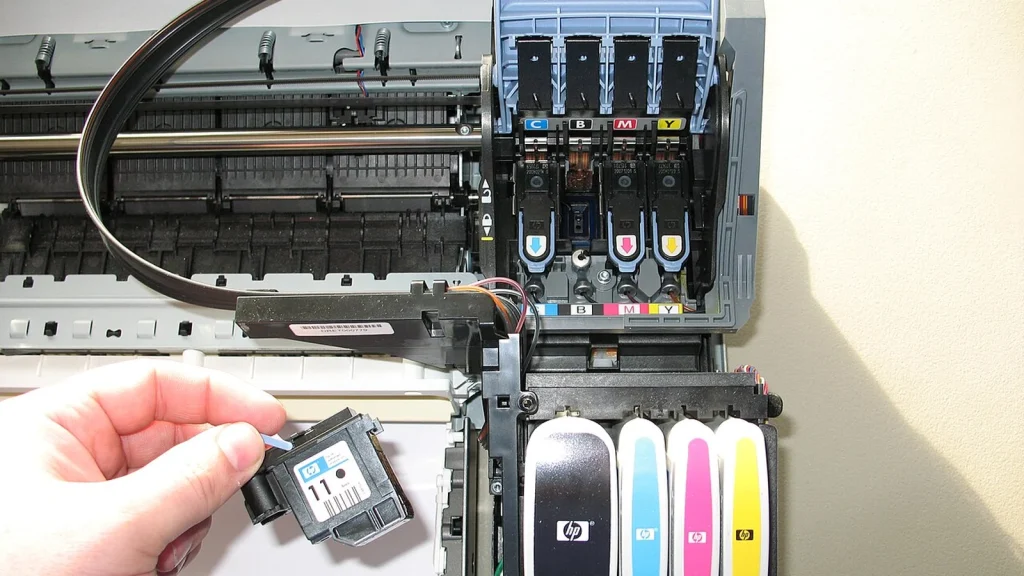
An inkjet printer builds an image from tiny droplets ejected through hundreds or thousands of nozzles. Electronics convert page data into a raster map, decide which colour droplets belong at each position and synchronize firing with printhead and paper motion. Thermal inkjet heaters create vapour bubbles that push droplets out; piezoelectric heads flex small chambers with voltage. Capillary pressure refills each chamber. Cyan, magenta, yellow and black inks overlap as dots, while paper coatings control spreading, absorption and drying.
Why Does Glue Stick Things Together?
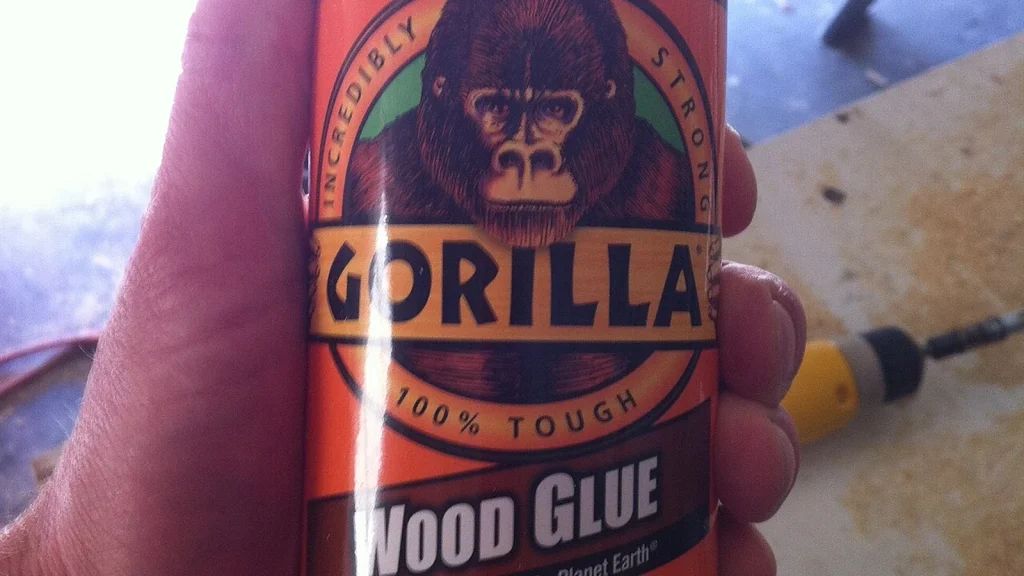
Glue works by first spreading across and conforming to two surfaces, then developing attraction at each interface and strength within the adhesive layer. Wetting brings molecules close enough for van der Waals forces, hydrogen bonding, acid-base interactions or sometimes chemical bonds to contribute. Liquid adhesive also enters pores and roughness, creating mechanical interlocking. Drying, cooling or chemical curing then turns it into a solid or rubbery network. A joint fails at its interface, inside the glue, or in the material being bonded—whichever path is weakest.
How Do Seat Belts Lock During a Crash?
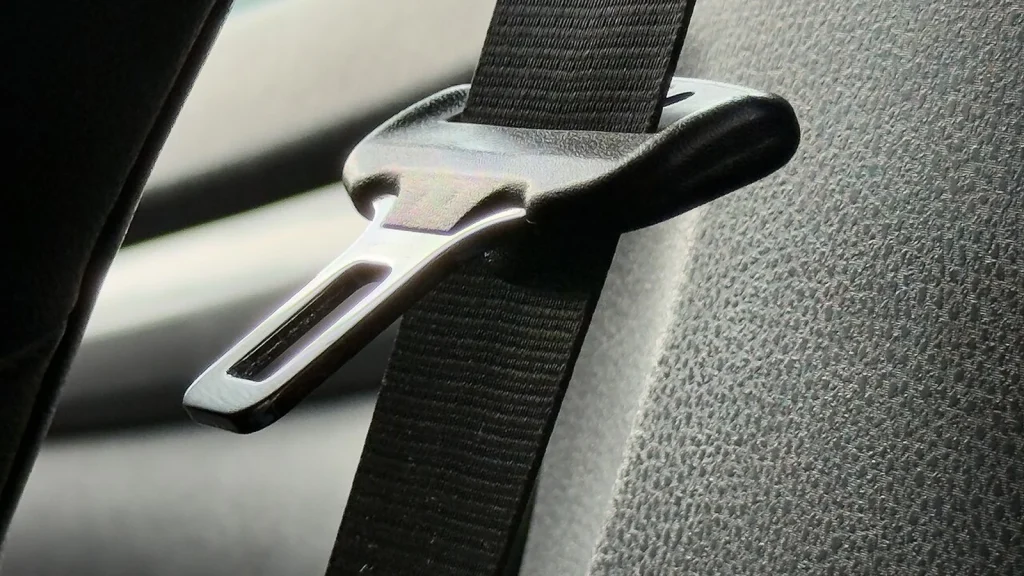
A three-point seat belt stores webbing on a spring-loaded retractor so it can extend slowly during normal movement. Emergency-locking mechanisms respond either to rapid spool rotation, vehicle deceleration or both. A centrifugal pawl, pendulum or weighted sensor engages teeth that stop the spool. In a severe crash, a pretensioner may tighten the belt using a pyrotechnic or mechanical actuator, while a load limiter later permits controlled payout to reduce chest force. The belt then spreads restraint across the pelvis and rib cage.
Why Can a Ceramic Mug Crack from Sudden Temperature Change?
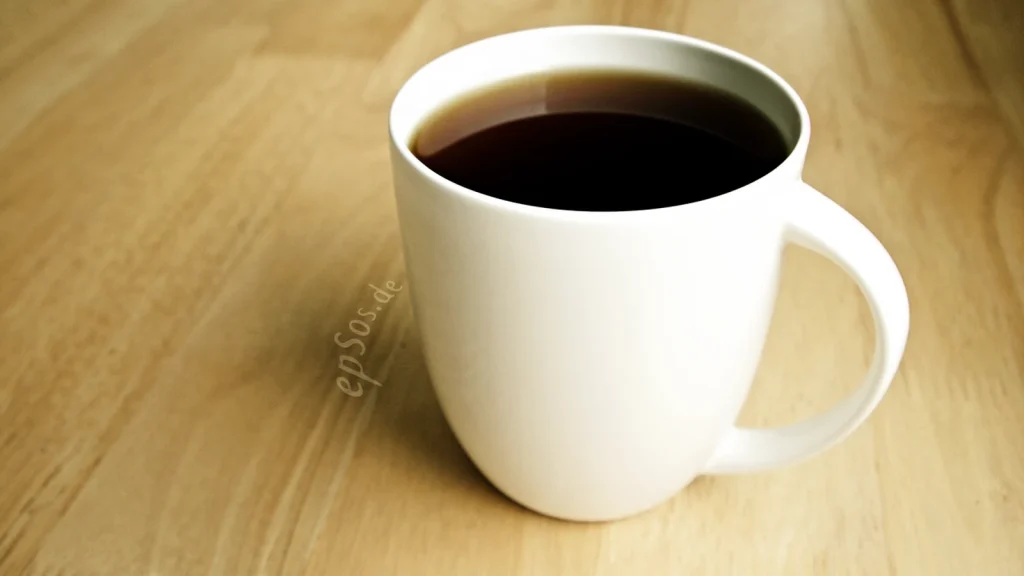
Ceramic expands when heated and contracts when cooled. If boiling liquid warms the inside of a cold mug faster than heat reaches the outside, the inner wall tries to expand while the outer wall restrains it. That mismatch creates thermal stress. Ceramics tolerate compression well but are vulnerable to tension because microscopic pores, scratches and glaze cracks concentrate stress at sharp tips. If the local tensile stress exceeds the material’s fracture resistance, a crack grows rapidly. Thickness, shape, clay body, glaze, existing damage and heating rate all affect the risk.
Why Does Bread Go Stale?
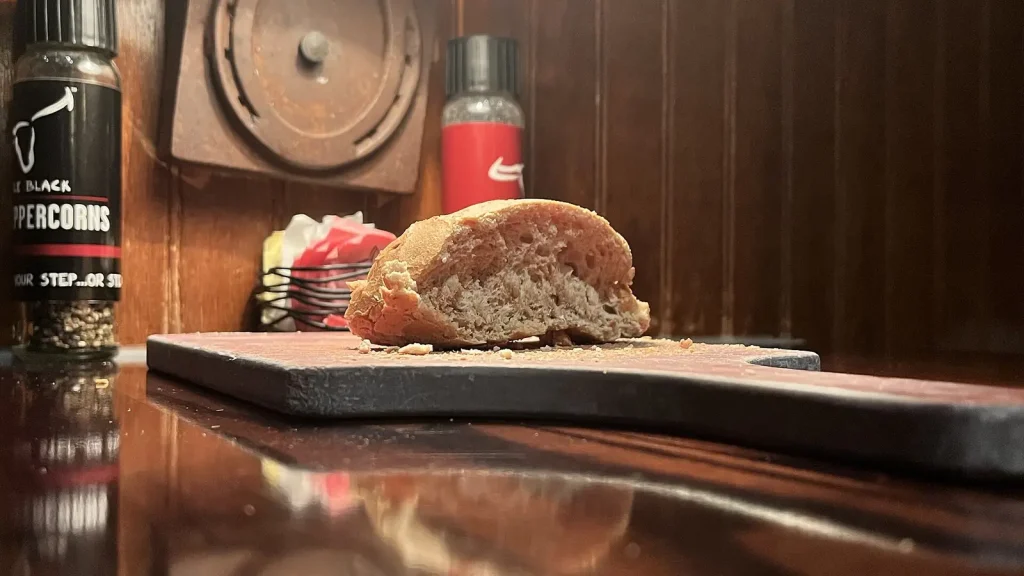
Bread goes stale mainly because gelatinized starch molecules reorganize after baking. Amylopectin gradually forms more ordered structures, a process called retrogradation, while water redistributes among starch, gluten and the crust. The crumb becomes firmer and less springy even when the loaf has not lost much total moisture. Gentle reheating can temporarily soften it, while refrigeration usually speeds staling.
How Do Refrigerators Keep Food Cold?
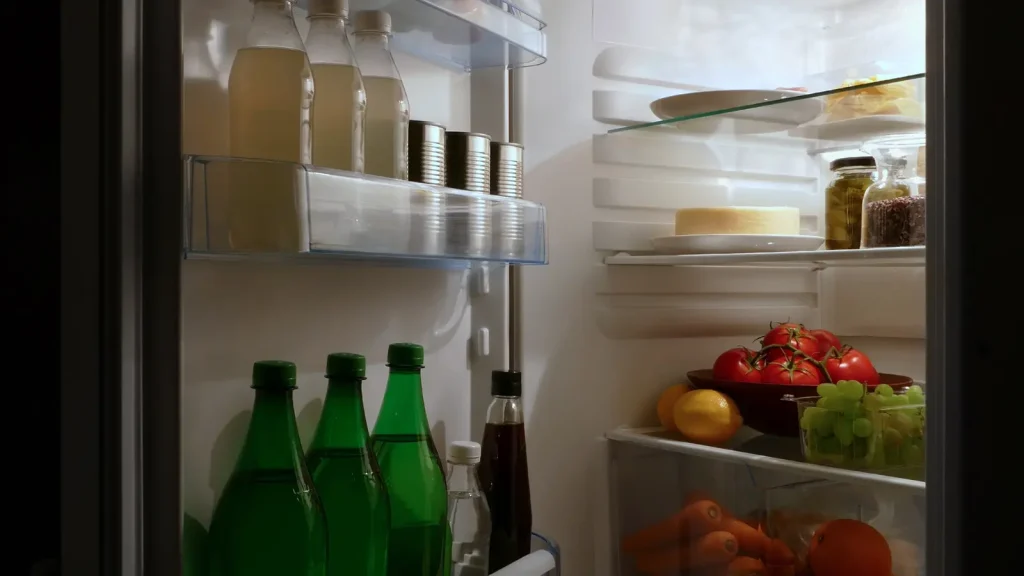
A refrigerator does not manufacture cold. Its sealed vapour-compression system circulates a refrigerant through an evaporator, compressor, condenser and expansion device. The refrigerant absorbs heat as it evaporates at low pressure inside the cabinet, the compressor raises its pressure, and the condenser releases that heat into the room. Insulation and thermostatic controls reduce how often the cycle must run.