
Barnakle
Curious List →
Nature & WildlifeScienceSpace & The UniverseTechnology & AIHistory & KnowledgeEarth & The PlanetThe Human Body & Mind
Explore BarnakleFollow your curiosity.

Remarkable ideas from our world and far beyond it.

01Nature & Wildlife↗02Science↗03Space & The Universe↗04Technology & AI↗05History & Knowledge↗06Earth & The Planet↗07The Human Body & Mind↗08Strange & Amazing↗09Ideas & Learning↗10Daily Discoveries↗
Skip to content

How Scientific Discovery Works: Evidence, Testing and Uncertainty

Science advances by turning questions into testable ideas, confronting them with evidence and revising what we think we know. Here is how that process really works—and why uncertainty is a strength, not a flaw.

What Is Peer Review—and What Can It Actually Tell Us?
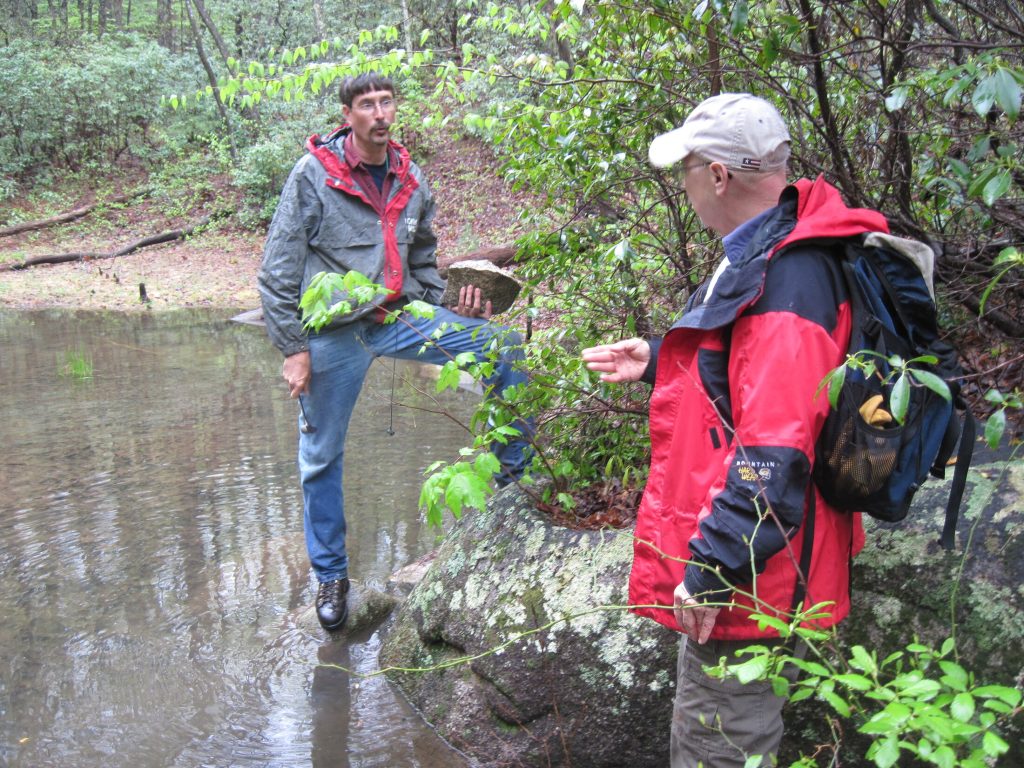
Two USGS scientists discussing field sampling methods

Peer review can improve a scientific paper, but it is neither a truth machine nor a guarantee. Here is what reviewers examine, what they can miss and how readers should use the label.

How to Evaluate New Scientific Discoveries and Headlines

A dramatic headline is only the beginning. Use this practical method to inspect the original evidence, measure uncertainty and decide what a new study actually deserves you to believe.

The Strange Physics Behind Why Time Moves Differently
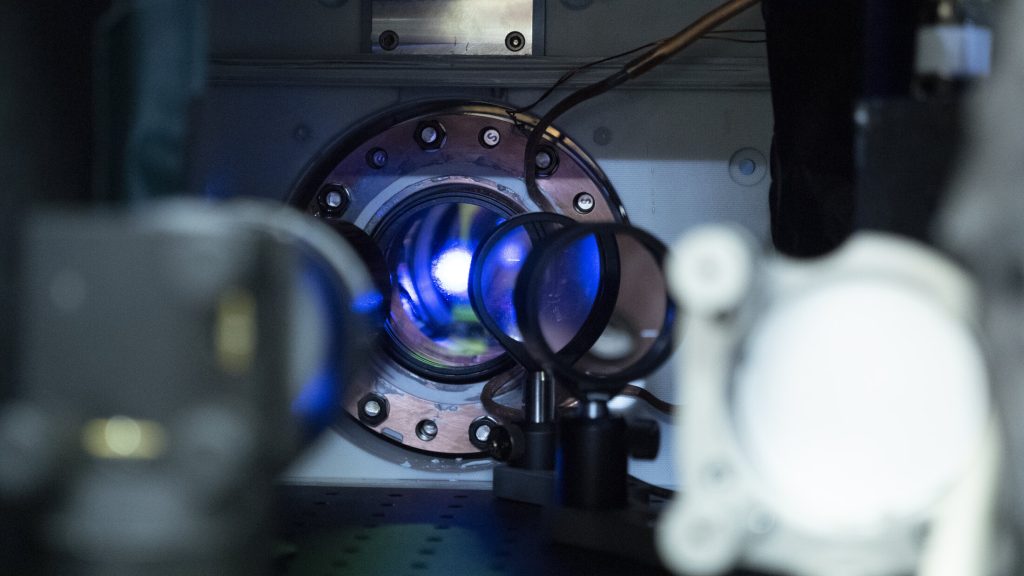
Blue light shining from the circular chamber of a NIST strontium optical atomic clock

Motion and gravity change how much time clocks accumulate. Atomic clocks now detect the difference across distances as small as a millimeter.

Why Octopuses Seem So Unusually Intelligent
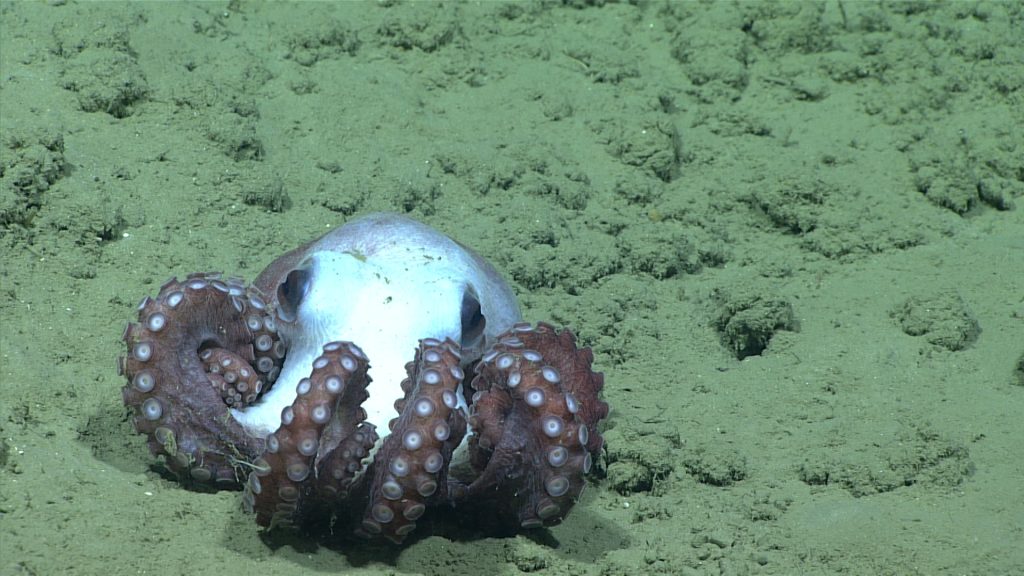
Deep-sea octopus resting on a soft seafloor at 1600 meters depth

Octopus intelligence evolved on a radically different branch of life, with flexible behavior distributed across a central brain, eyes, skin and eight neural arms.

What Would Happen If You Fell Into a Black Hole?

NASA visualization of a black hole surrounded by a glowing orange accretion disk

A journey across an event horizon depends on the black hole—and on who is watching. Relativity makes both viewpoints stranger than fiction.

The Animal That Can Regrow Its Brain—and What Scientists Are Learning From It
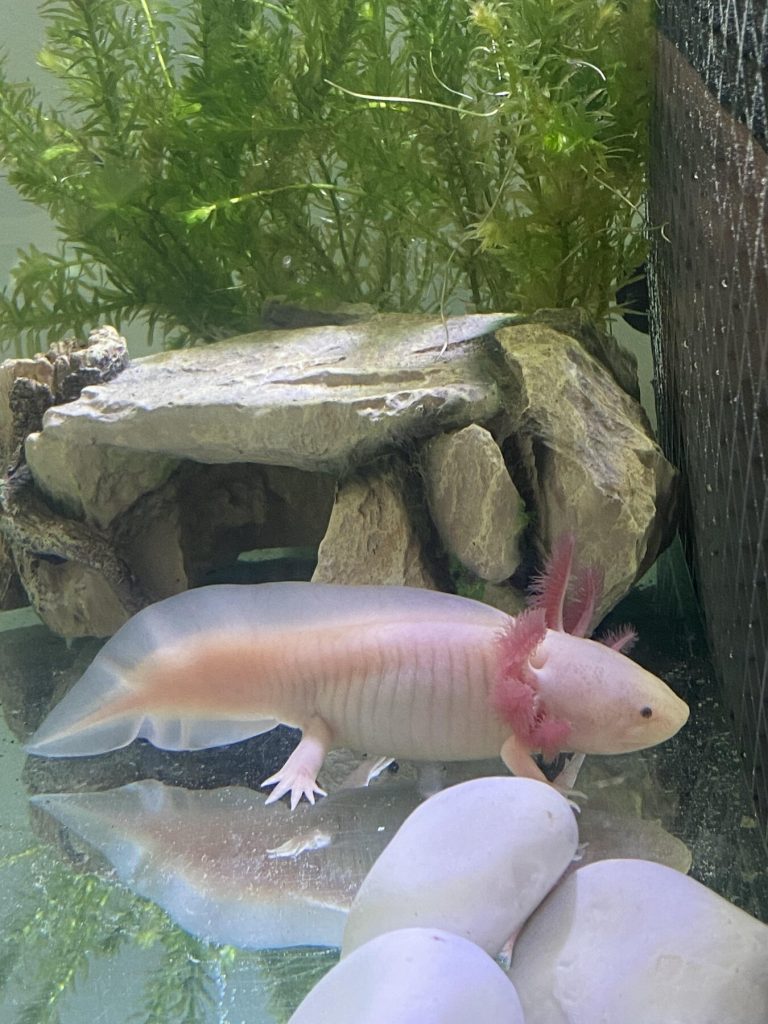
Pale axolotl resting underwater with feathery external gills

Axolotls can rebuild organized parts of an injured brain. The real biology is more precise—and more revealing—than the headline.

← Previous
THE CURIOUS LIST

Make curiosity a habit.

We’ll email you when the first edition is ready.

What are you curious about? Choose any

THE CURIOUS LIST

Before you go—take curiosity with you.

We’ll email you when the first edition is ready.

What are you curious about? Choose any

Barnakle

Barnakle turns complex subjects into clear, visual and genuinely fascinating stories for curious people everywhere.

THE CURIOUS LIST

Discoveries in your inbox.

Join the newsletter →
DiscoverNature & WildlifeScienceSpace & The UniverseTechnology & AIHistory & KnowledgeEarth & The PlanetThe Human Body & MindStrange & AmazingIdeas & LearningDaily Discoveries
BarnakleAboutEditorial StandardsCorrectionsContactAdvertising
© 2026 Barnakle. Curious by nature.PrivacyTerms
Trust & policies
About BarnakleEditorial StandardsResearch, Sources and Fact-Checking PolicyCorrections and Updates PolicyScience and Medical Content PolicyAI Use and Editorial Oversight PolicyAuthors, Reviewers and Expert ContributorsAdvertising and Sponsorship PolicyAffiliate DisclosureImage, Copyright and Credit PolicyContact BarnaklePrivacy PolicyTerms of UseAccessibility Statement