
How Tardigrades Survive Extreme Conditions
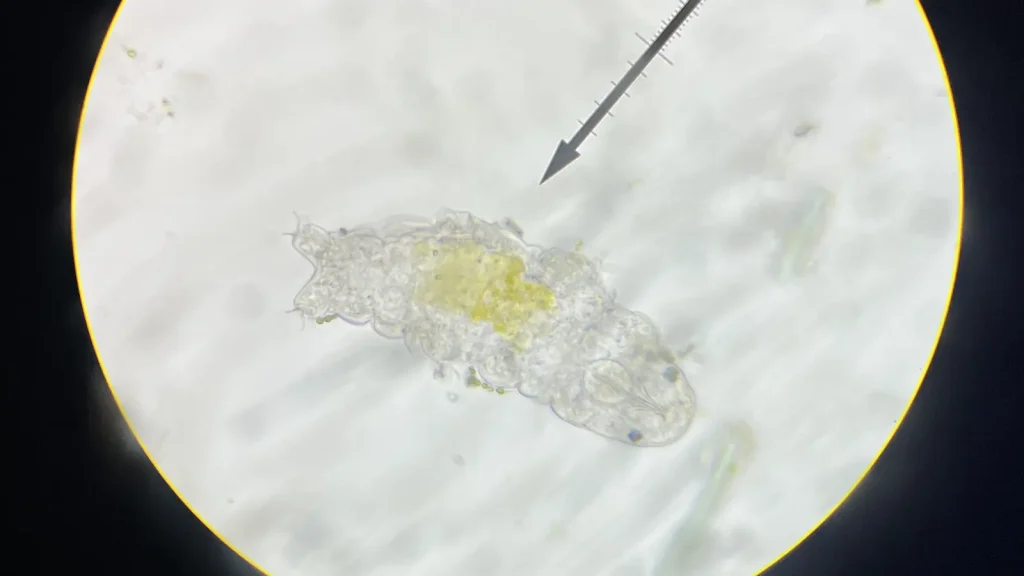
Some tardigrades survive severe drying by entering a protected inactive state. Their tolerance has limits and depends on species, preparation and the stress involved.
How Scientists Study the Atmospheres of Distant Planets
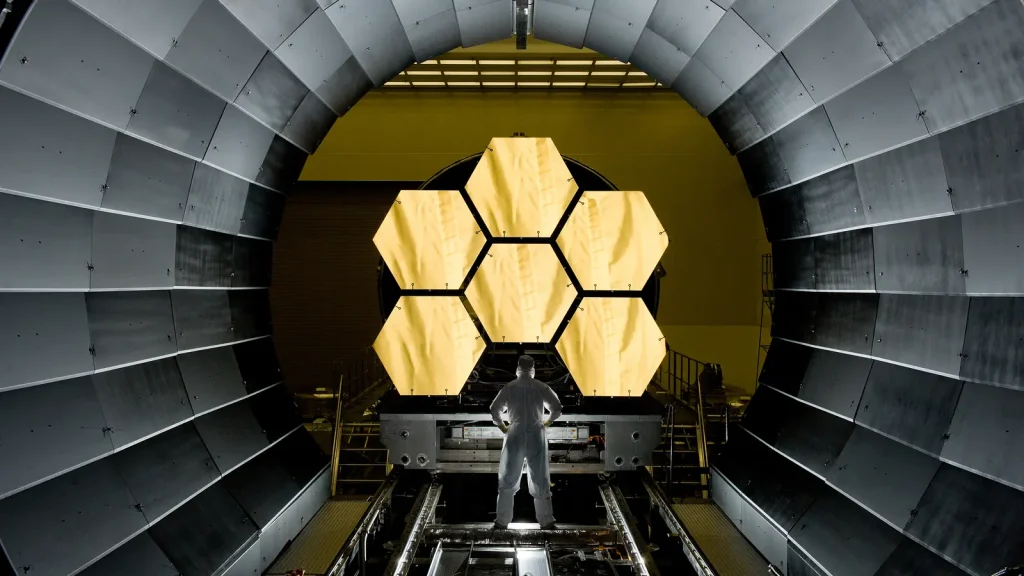
Astronomers separate tiny planetary fingerprints from starlight to infer gases, clouds, temperatures and winds on worlds light-years away.
What Is Inside a Neutron Star?
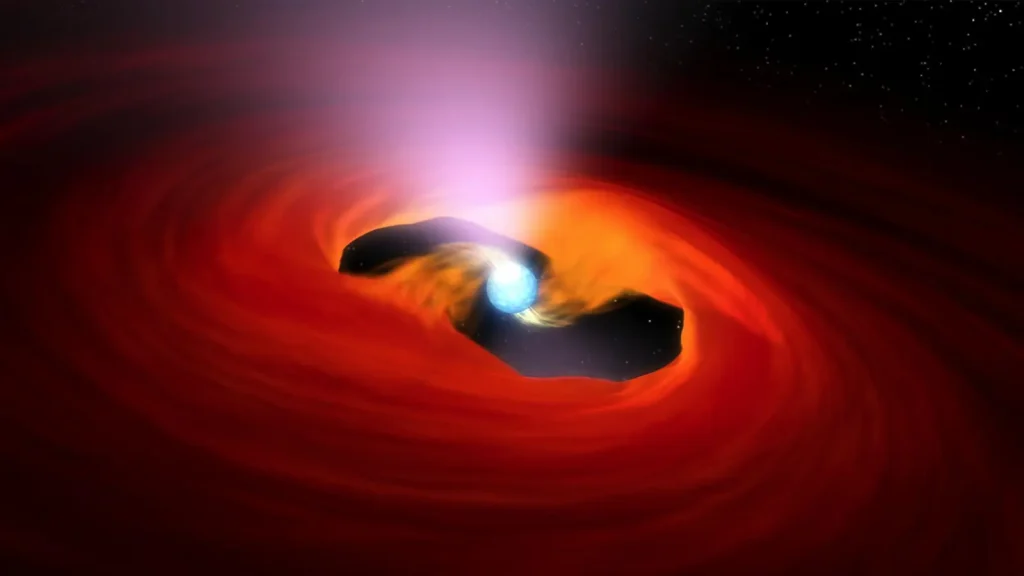
A neutron star compresses more mass than the Sun into a sphere the size of a city, turning its interior into a laboratory for matter beyond terrestrial reach.
The Deepest Places on Earth—and What Lives There
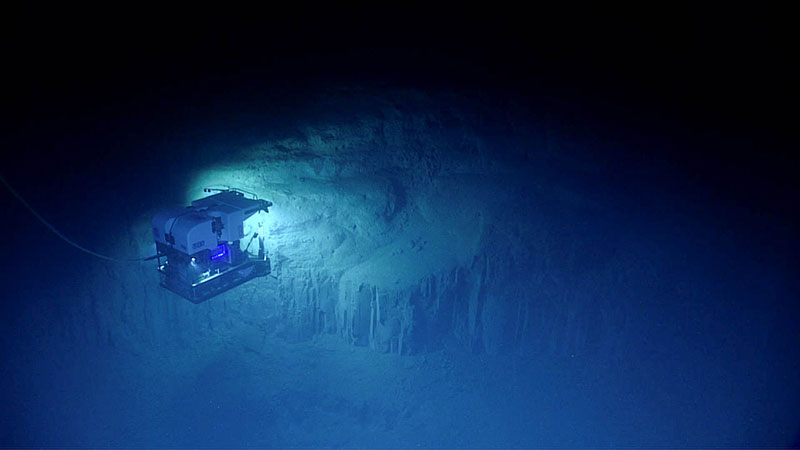
From Challenger Deep to rock and lakes sealed beneath ice, Earth’s lowest habitats are connected, inhabited and still incompletely explored.
The Optical Illusions That Reveal How Your Brain Constructs Reality
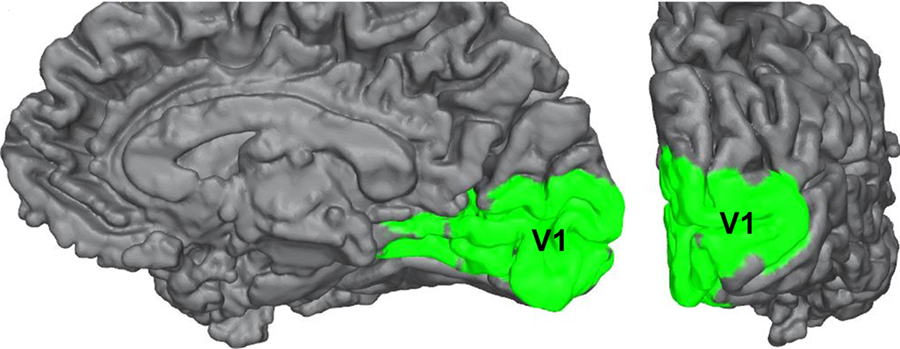
Illusions are not cheap tricks. They expose the rapid assumptions that turn incomplete retinal signals into a stable, useful visual world.
How to Read a Scientific Study Without Being a Scientist
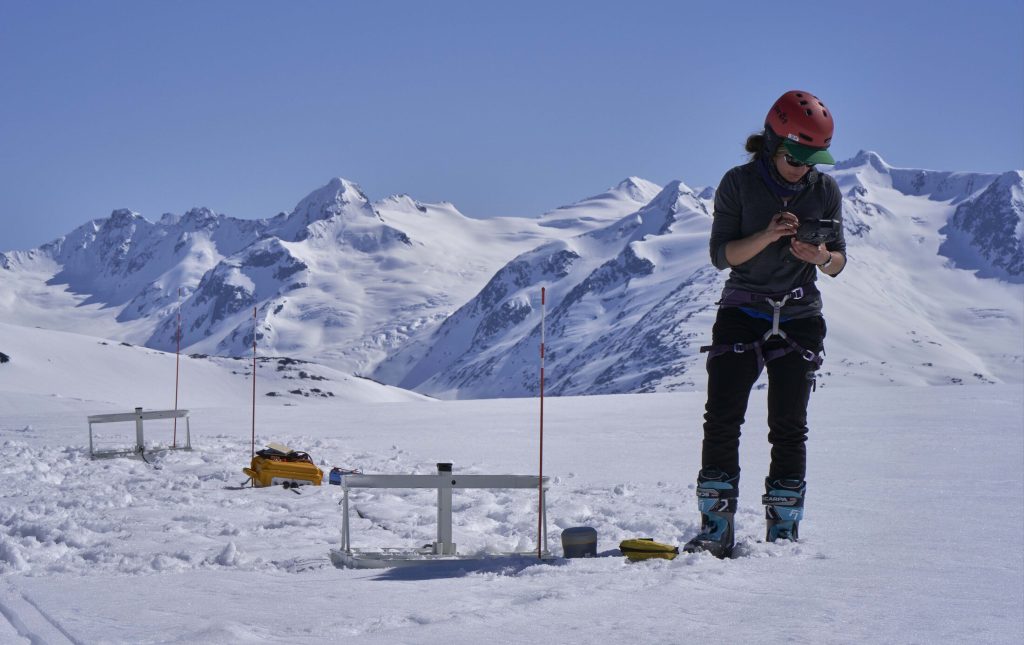
You do not need to understand every equation to inspect a scientific paper. A strategic reading order can reveal the question, design, evidence, limitations and real size of the claim.
What Does “Statistically Significant” Really Mean?

Statistical significance does not mean a result is important, large or probably true. It answers a narrower question—and makes sense only beside study design, effect size and uncertainty.
How Scientific Consensus Forms—and Why It Can Change
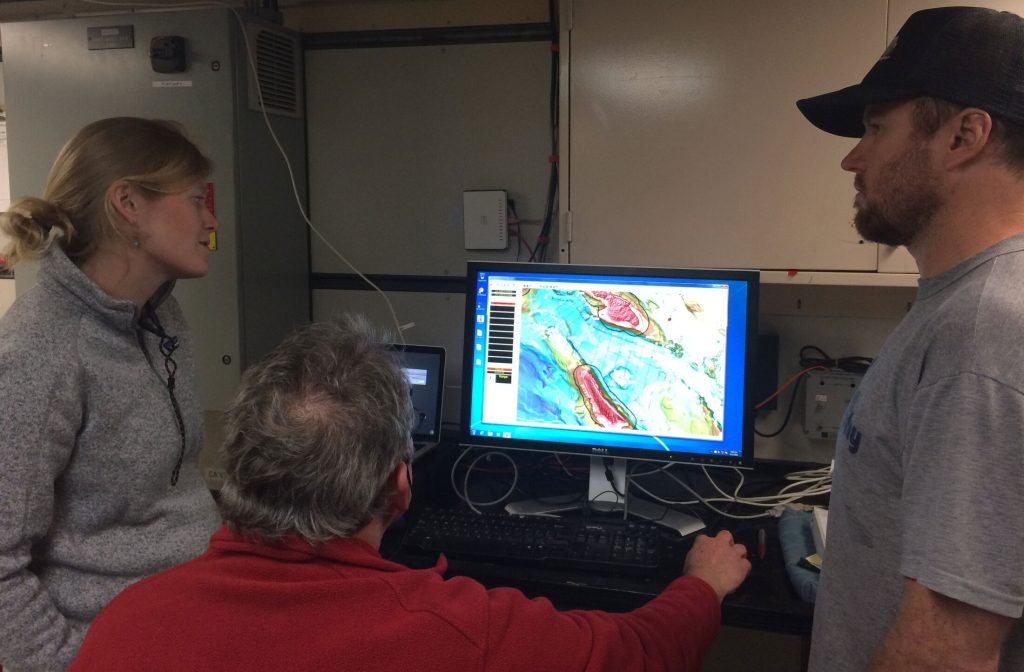
Scientific consensus is not a popularity contest. It emerges when specialists repeatedly test ideas, challenge evidence and find that some explanations survive better than their rivals.
What Is a Scientific Preprint?

A preprint lets researchers share a manuscript before journal peer review. That speed can accelerate discussion—but it changes what readers should expect and how reporters should describe the findings.
Correlation vs. Causation: How to Tell the Difference
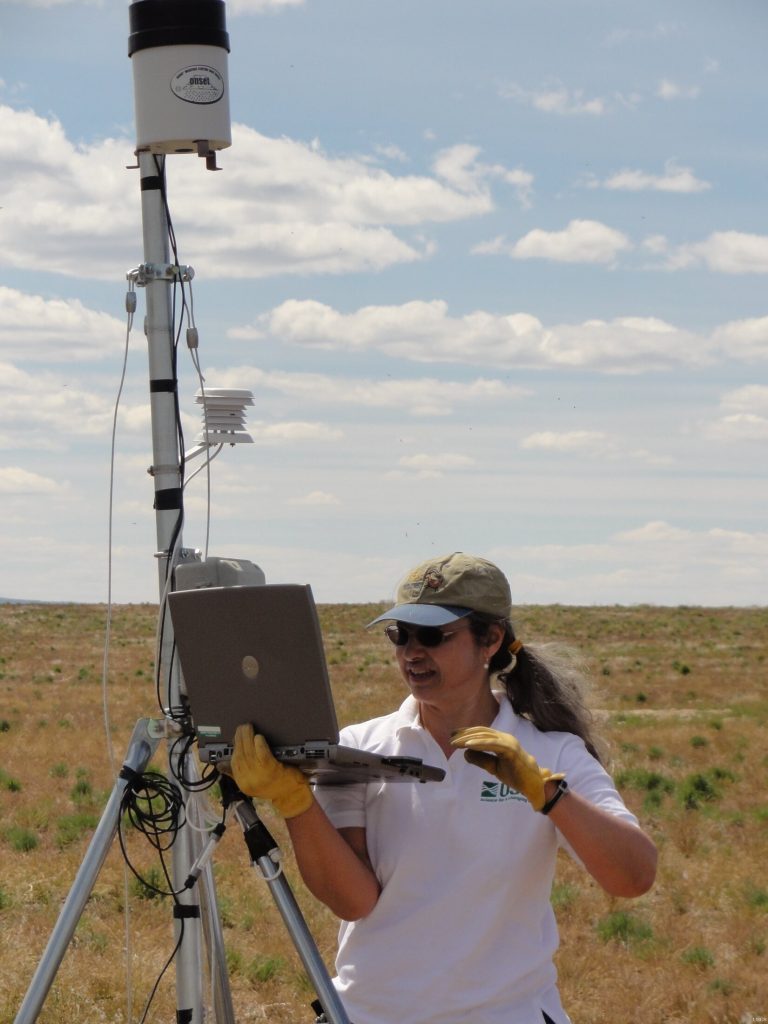
When two things change together, one may cause the other—or the pattern may reflect reverse causation, confounding, selection or chance. This guide shows how to tell the possibilities apart.