
How Your Brain Knows Where Your Body Is
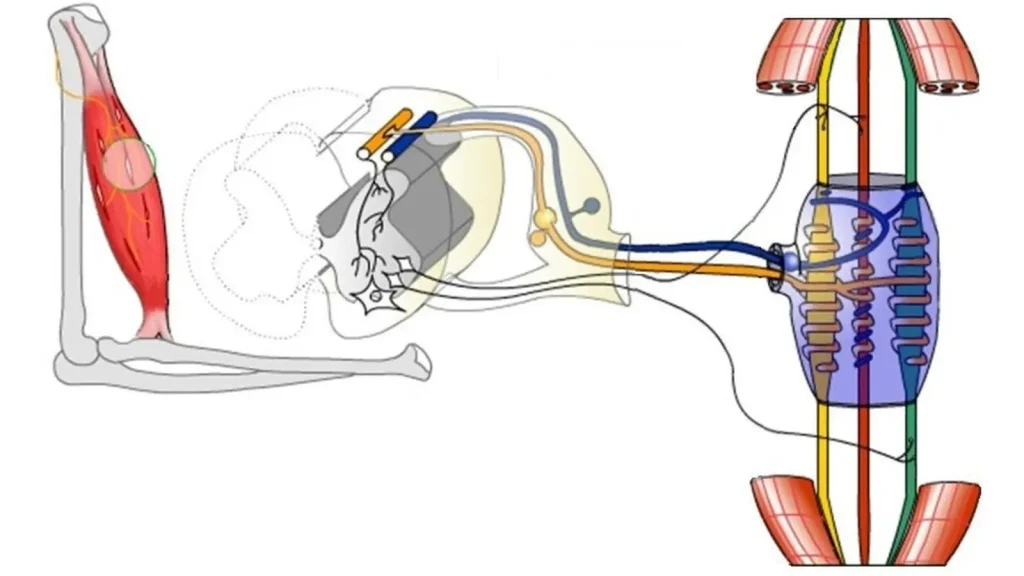
Even with your eyes closed, a distributed sensory system continually estimates the position, movement and effort of your limbs.
How Quantum Computers Detect and Correct Errors
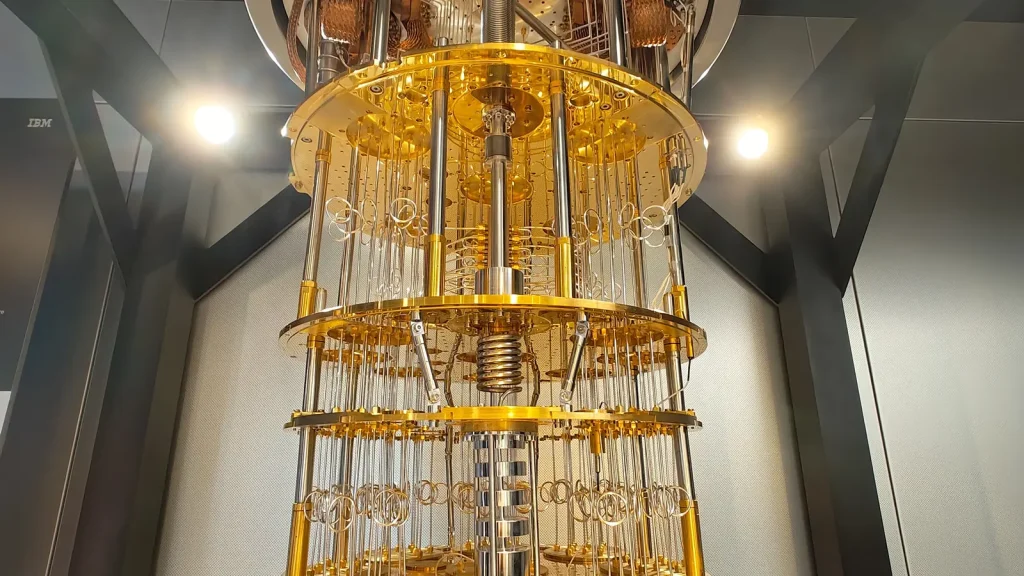
Quantum information is fragile, yet researchers can detect mistakes without directly reading and destroying the state they want to protect.
Why GPS Would Fail Without Einstein’s Relativity
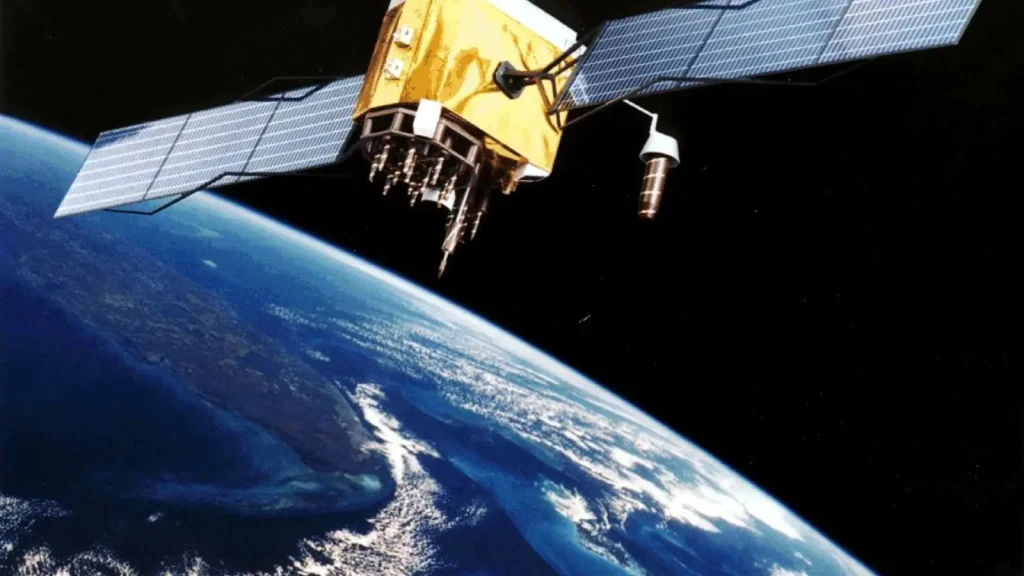
Every GPS position depends on clocks orbiting Earth—and those clocks do not tick at the same rate as clocks on the ground.
How Robots Learn to Walk Without Step-by-Step Programming
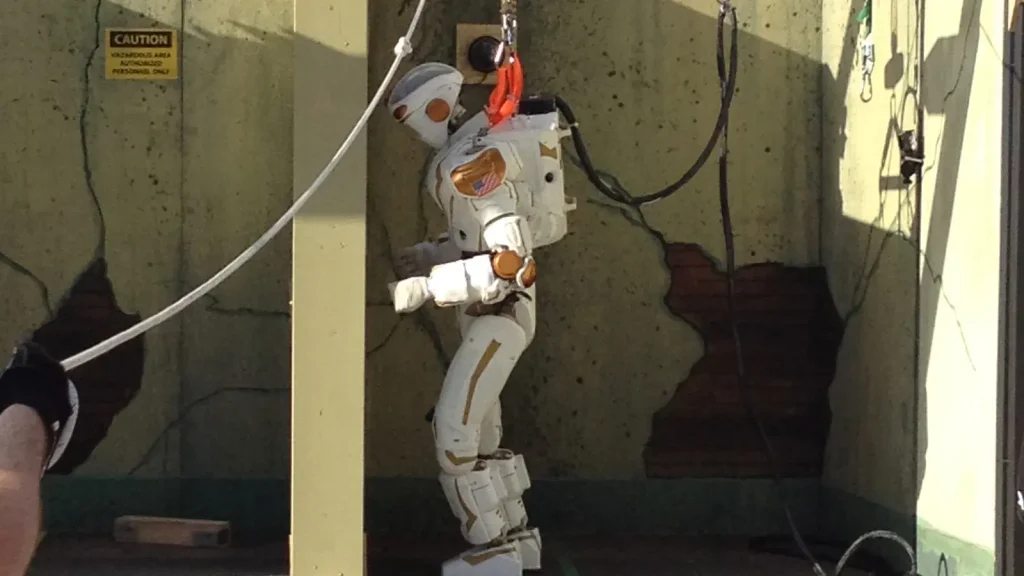
Modern legged robots can practice millions of simulated attempts, optimize a control policy and transfer the result into machines that still have to survive imperfect reality.
What Your Brain Is Doing While You Sleep
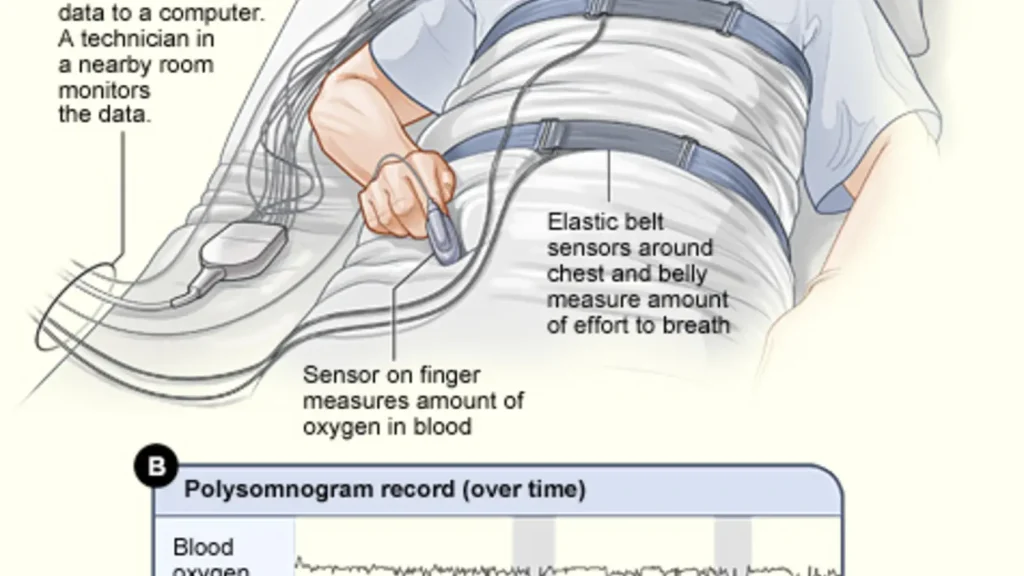
Sleep is not the brain switching off. Neural rhythms, memory processing, emotional regulation and fluid movement change across a repeating architecture of stages.
How LiDAR Reveals Ancient Cities Beneath Forests
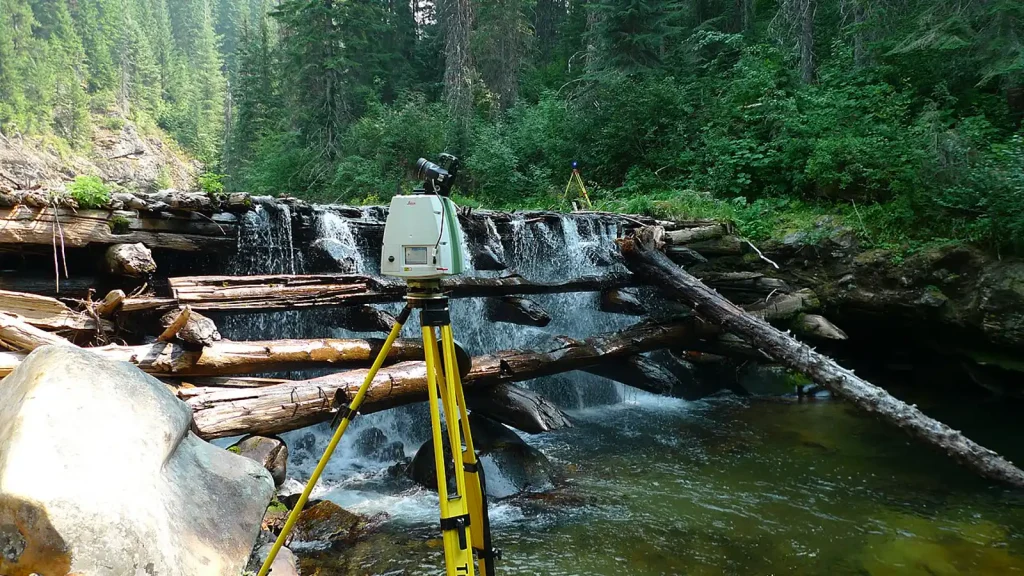
Airborne lasers can map tiny differences in ground elevation through gaps in a canopy, revealing roads, terraces and monumental landscapes—but not replacing archaeology on the ground.
How Ancient DNA Reconstructs Lost Human Migrations
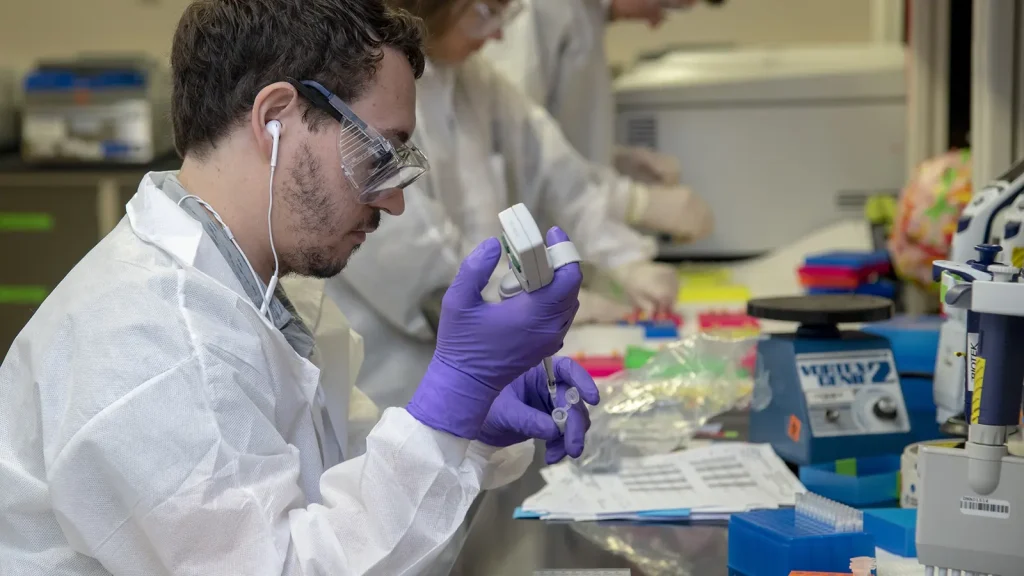
Fragments of genetic material recovered from the past reveal population movement, mixture and continuity—but only through careful sampling and statistical comparison.
The Antikythera Mechanism: Inside the Ancient World’s Astronomical Computer
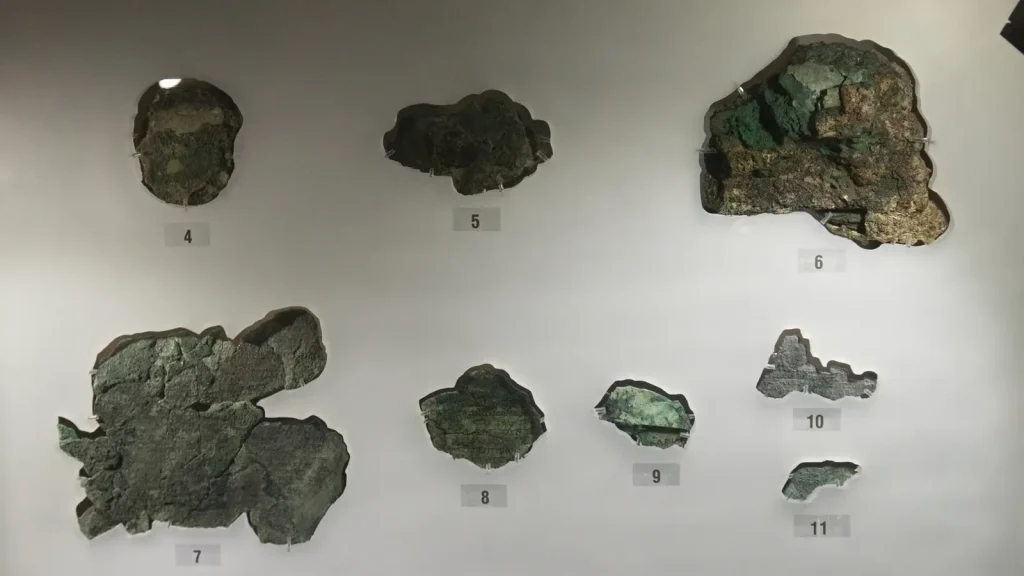
Corroded bronze fragments recovered from a shipwreck preserve an intricate geared model of celestial cycles—and a continuing archaeological puzzle.
How Scientists Detect Tsunamis Before They Reach Shore
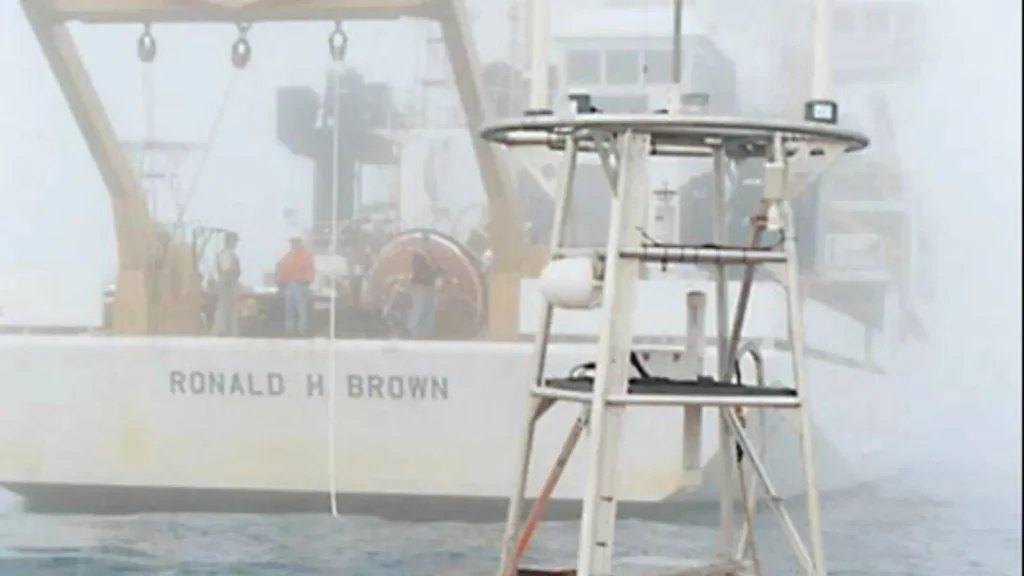
Tsunami warning combines earthquake measurements, ocean sensors and models. It can provide valuable lead time, but nearby tsunamis may arrive before an official alert.
How Plate Tectonics Continually Rebuilds Earth
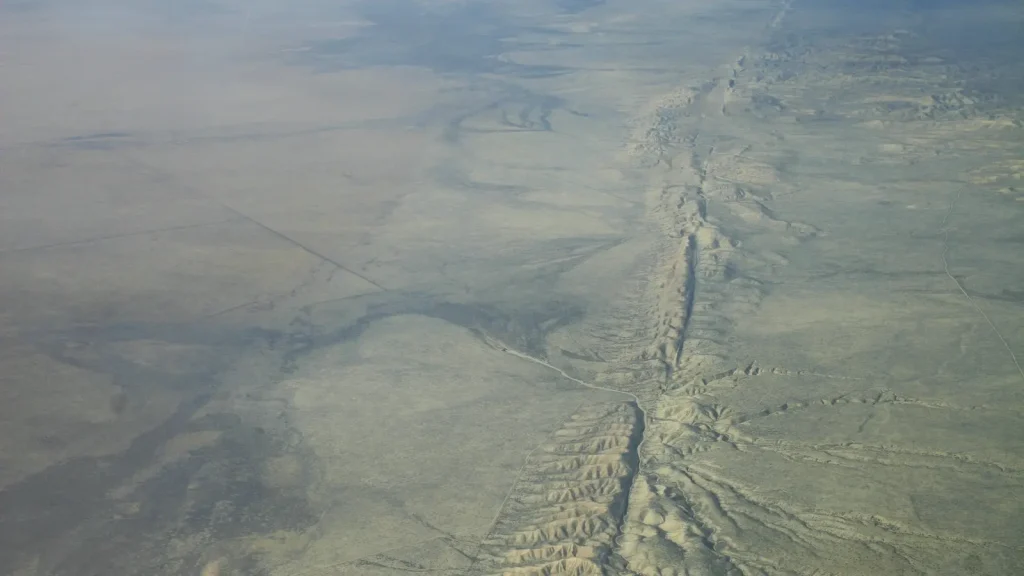
Moving lithospheric plates create ocean floor, recycle material and deform continents. Geological records and modern measurements show how those processes fit together.