Surfactants lower water’s surface tension so brushing can trap air in stable films and spread ingredients
The short answer
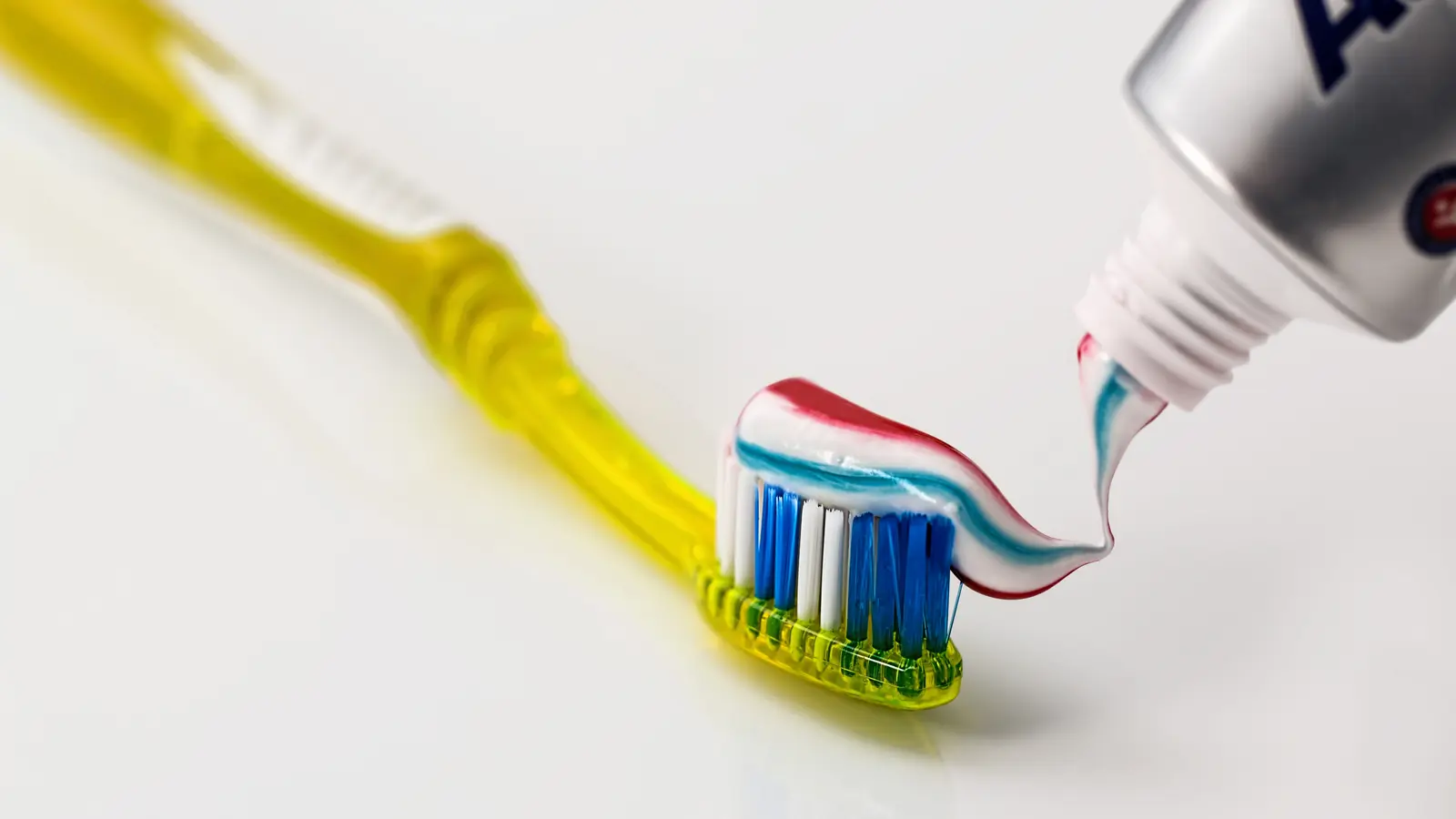
Toothpaste foams because many formulas contain surfactants such as sodium lauryl sulfate. Their molecules have a water-attracting end and an oil-attracting end. During brushing they lower surface tension, help wet tooth surfaces and stabilize thin liquid films around air introduced by the brush. Agitation divides that air into bubbles, creating foam. Foam improves spreading and sensory perception, but the amount of foam does not directly measure cleaning effectiveness.
A brush supplies the mechanical mixing while saliva and water provide the liquid phase. The paste supplies surfactants, humectants, abrasives, fluoride and flavour ingredients that behave differently inside the temporary foam.
Surfactants have two chemical personalities
A hydrophilic head interacts with water while a hydrophobic tail avoids it and associates with oils, proteins or air-water interfaces.
Understanding Surfactants have two chemical personalities requires separating the immediate mechanism from the conditions that change its strength, timing or visibility. Researchers measure those variables independently, compare real examples and test whether the explanation predicts new observations. That turns a plausible story into an evidence-based account.
The evidence comes from methods that fail in different ways. Direct observation establishes what occurs, instruments quantify structure or timing, experiments isolate candidate causes and models test whether known physical, chemical or biological rules reproduce the pattern. Agreement among methods is stronger than repetition of one memorable example.
Context also matters. Scale, material, temperature, geometry, environment and measurement limits can change an outcome without overturning the underlying process. Accurate reporting preserves this variation, states uncertainty and avoids turning a useful explanation into a universal rule.
A practical explanation should identify what would change the observation. Following that question reveals the limits of present evidence and the next measurement needed.
This mechanism connects a familiar question with a broader scientific principle. Following matter, energy or information through each stage shows where the explanation is established, where natural variation enters and why a superficially similar event may have another cause.
Scientists also test alternatives rather than stopping at the first plausible account. A strong explanation predicts several linked observations, survives controlled comparison and specifies where it should fail. That approach keeps a clear answer accurate without hiding complexity.
Surface tension normally resists new bubbles
Creating many bubbles requires a large interfacial area. Surfactants reduce the energy cost and let brushing divide air into small bubbles.
Understanding Surface tension normally resists new bubbles requires separating the immediate mechanism from the conditions that change its strength, timing or visibility. Researchers measure those variables independently, compare real examples and test whether the explanation predicts new observations. That turns a plausible story into an evidence-based account.
The evidence comes from methods that fail in different ways. Direct observation establishes what occurs, instruments quantify structure or timing, experiments isolate candidate causes and models test whether known physical, chemical or biological rules reproduce the pattern. Agreement among methods is stronger than repetition of one memorable example.
Context also matters. Scale, material, temperature, geometry, environment and measurement limits can change an outcome without overturning the underlying process. Accurate reporting preserves this variation, states uncertainty and avoids turning a useful explanation into a universal rule.
A practical explanation should identify what would change the observation. Following that question reveals the limits of present evidence and the next measurement needed.
This mechanism connects a familiar question with a broader scientific principle. Following matter, energy or information through each stage shows where the explanation is established, where natural variation enters and why a superficially similar event may have another cause.
Scientists also test alternatives rather than stopping at the first plausible account. A strong explanation predicts several linked observations, survives controlled comparison and specifies where it should fail. That approach keeps a clear answer accurate without hiding complexity.
Brushing supplies air and motion
Bristles shear the liquid, fold in air and move bubbles through saliva. Without agitation, the same paste produces much less foam.
Understanding Brushing supplies air and motion requires separating the immediate mechanism from the conditions that change its strength, timing or visibility. Researchers measure those variables independently, compare real examples and test whether the explanation predicts new observations. That turns a plausible story into an evidence-based account.
The evidence comes from methods that fail in different ways. Direct observation establishes what occurs, instruments quantify structure or timing, experiments isolate candidate causes and models test whether known physical, chemical or biological rules reproduce the pattern. Agreement among methods is stronger than repetition of one memorable example.
Context also matters. Scale, material, temperature, geometry, environment and measurement limits can change an outcome without overturning the underlying process. Accurate reporting preserves this variation, states uncertainty and avoids turning a useful explanation into a universal rule.
A practical explanation should identify what would change the observation. Following that question reveals the limits of present evidence and the next measurement needed.
This mechanism connects a familiar question with a broader scientific principle. Following matter, energy or information through each stage shows where the explanation is established, where natural variation enters and why a superficially similar event may have another cause.
Scientists also test alternatives rather than stopping at the first plausible account. A strong explanation predicts several linked observations, survives controlled comparison and specifies where it should fail. That approach keeps a clear answer accurate without hiding complexity.
Films stabilize each bubble
Surfactant molecules gather at bubble walls and slow their collapse. Viscosity from humectants and polymers also changes drainage and lifetime.
Understanding Films stabilize each bubble requires separating the immediate mechanism from the conditions that change its strength, timing or visibility. Researchers measure those variables independently, compare real examples and test whether the explanation predicts new observations. That turns a plausible story into an evidence-based account.
The evidence comes from methods that fail in different ways. Direct observation establishes what occurs, instruments quantify structure or timing, experiments isolate candidate causes and models test whether known physical, chemical or biological rules reproduce the pattern. Agreement among methods is stronger than repetition of one memorable example.
Context also matters. Scale, material, temperature, geometry, environment and measurement limits can change an outcome without overturning the underlying process. Accurate reporting preserves this variation, states uncertainty and avoids turning a useful explanation into a universal rule.
A practical explanation should identify what would change the observation. Following that question reveals the limits of present evidence and the next measurement needed.
This mechanism connects a familiar question with a broader scientific principle. Following matter, energy or information through each stage shows where the explanation is established, where natural variation enters and why a superficially similar event may have another cause.
Scientists also test alternatives rather than stopping at the first plausible account. A strong explanation predicts several linked observations, survives controlled comparison and specifies where it should fail. That approach keeps a clear answer accurate without hiding complexity.
Foam helps distribute the paste
The expanding mixture can carry flavour and active ingredients around teeth and soft tissues, though direct brushing contact and time remain important.
Understanding Foam helps distribute the paste requires separating the immediate mechanism from the conditions that change its strength, timing or visibility. Researchers measure those variables independently, compare real examples and test whether the explanation predicts new observations. That turns a plausible story into an evidence-based account.
The evidence comes from methods that fail in different ways. Direct observation establishes what occurs, instruments quantify structure or timing, experiments isolate candidate causes and models test whether known physical, chemical or biological rules reproduce the pattern. Agreement among methods is stronger than repetition of one memorable example.
Context also matters. Scale, material, temperature, geometry, environment and measurement limits can change an outcome without overturning the underlying process. Accurate reporting preserves this variation, states uncertainty and avoids turning a useful explanation into a universal rule.
A practical explanation should identify what would change the observation. Following that question reveals the limits of present evidence and the next measurement needed.
This mechanism connects a familiar question with a broader scientific principle. Following matter, energy or information through each stage shows where the explanation is established, where natural variation enters and why a superficially similar event may have another cause.
Scientists also test alternatives rather than stopping at the first plausible account. A strong explanation predicts several linked observations, survives controlled comparison and specifies where it should fail. That approach keeps a clear answer accurate without hiding complexity.
Abrasives do much of the physical cleaning
Hydrated silica, calcium compounds or other particles help remove deposits and stains. They are distinct from the chemicals that create foam.
Understanding Abrasives do much of the physical cleaning requires separating the immediate mechanism from the conditions that change its strength, timing or visibility. Researchers measure those variables independently, compare real examples and test whether the explanation predicts new observations. That turns a plausible story into an evidence-based account.
The evidence comes from methods that fail in different ways. Direct observation establishes what occurs, instruments quantify structure or timing, experiments isolate candidate causes and models test whether known physical, chemical or biological rules reproduce the pattern. Agreement among methods is stronger than repetition of one memorable example.
Context also matters. Scale, material, temperature, geometry, environment and measurement limits can change an outcome without overturning the underlying process. Accurate reporting preserves this variation, states uncertainty and avoids turning a useful explanation into a universal rule.
A practical explanation should identify what would change the observation. Following that question reveals the limits of present evidence and the next measurement needed.
This mechanism connects a familiar question with a broader scientific principle. Following matter, energy or information through each stage shows where the explanation is established, where natural variation enters and why a superficially similar event may have another cause.
Scientists also test alternatives rather than stopping at the first plausible account. A strong explanation predicts several linked observations, survives controlled comparison and specifies where it should fail. That approach keeps a clear answer accurate without hiding complexity.
Fluoride works independently of bubbles
Fluoride supports remineralization and caries prevention through chemistry at tooth surfaces. Heavy foam is not required for fluoride to function.
Understanding Fluoride works independently of bubbles requires separating the immediate mechanism from the conditions that change its strength, timing or visibility. Researchers measure those variables independently, compare real examples and test whether the explanation predicts new observations. That turns a plausible story into an evidence-based account.
The evidence comes from methods that fail in different ways. Direct observation establishes what occurs, instruments quantify structure or timing, experiments isolate candidate causes and models test whether known physical, chemical or biological rules reproduce the pattern. Agreement among methods is stronger than repetition of one memorable example.
Context also matters. Scale, material, temperature, geometry, environment and measurement limits can change an outcome without overturning the underlying process. Accurate reporting preserves this variation, states uncertainty and avoids turning a useful explanation into a universal rule.
A practical explanation should identify what would change the observation. Following that question reveals the limits of present evidence and the next measurement needed.
This mechanism connects a familiar question with a broader scientific principle. Following matter, energy or information through each stage shows where the explanation is established, where natural variation enters and why a superficially similar event may have another cause.
Scientists also test alternatives rather than stopping at the first plausible account. A strong explanation predicts several linked observations, survives controlled comparison and specifies where it should fail. That approach keeps a clear answer accurate without hiding complexity.
Formulas can be sulfate free
Alternative surfactants or low-foam products serve people who dislike strong foaming or experience irritation. Performance depends on the whole formulation.
Understanding Formulas can be sulfate free requires separating the immediate mechanism from the conditions that change its strength, timing or visibility. Researchers measure those variables independently, compare real examples and test whether the explanation predicts new observations. That turns a plausible story into an evidence-based account.
The evidence comes from methods that fail in different ways. Direct observation establishes what occurs, instruments quantify structure or timing, experiments isolate candidate causes and models test whether known physical, chemical or biological rules reproduce the pattern. Agreement among methods is stronger than repetition of one memorable example.
Context also matters. Scale, material, temperature, geometry, environment and measurement limits can change an outcome without overturning the underlying process. Accurate reporting preserves this variation, states uncertainty and avoids turning a useful explanation into a universal rule.
A practical explanation should identify what would change the observation. Following that question reveals the limits of present evidence and the next measurement needed.
This mechanism connects a familiar question with a broader scientific principle. Following matter, energy or information through each stage shows where the explanation is established, where natural variation enters and why a superficially similar event may have another cause.
Scientists also test alternatives rather than stopping at the first plausible account. A strong explanation predicts several linked observations, survives controlled comparison and specifies where it should fail. That approach keeps a clear answer accurate without hiding complexity.
Saliva changes bubble behaviour
Proteins, ions, food residues and water content alter surface tension, viscosity and foam stability from one brushing session to another.
Understanding Saliva changes bubble behaviour requires separating the immediate mechanism from the conditions that change its strength, timing or visibility. Researchers measure those variables independently, compare real examples and test whether the explanation predicts new observations. That turns a plausible story into an evidence-based account.
The evidence comes from methods that fail in different ways. Direct observation establishes what occurs, instruments quantify structure or timing, experiments isolate candidate causes and models test whether known physical, chemical or biological rules reproduce the pattern. Agreement among methods is stronger than repetition of one memorable example.
Context also matters. Scale, material, temperature, geometry, environment and measurement limits can change an outcome without overturning the underlying process. Accurate reporting preserves this variation, states uncertainty and avoids turning a useful explanation into a universal rule.
A practical explanation should identify what would change the observation. Following that question reveals the limits of present evidence and the next measurement needed.
This mechanism connects a familiar question with a broader scientific principle. Following matter, energy or information through each stage shows where the explanation is established, where natural variation enters and why a superficially similar event may have another cause.
Scientists also test alternatives rather than stopping at the first plausible account. A strong explanation predicts several linked observations, survives controlled comparison and specifies where it should fail. That approach keeps a clear answer accurate without hiding complexity.
Common misconceptions
More foam does not automatically mean cleaner teeth, stronger fluoride action or better plaque removal. Foam is mainly a consequence of formulation and agitation. Swallowing foam is also not the goal; toothpaste should be used according to age-appropriate dental guidance.
Clear shorthand is valuable only when it preserves the causal chain. It becomes misleading when it substitutes a label for a mechanism, confuses association with cause or extends evidence beyond tested conditions.
How scientists know
Formulation scientists measure surface tension, foam volume, drainage, viscosity, particle abrasion and ingredient release. Clinical research separately evaluates plaque, gingivitis, sensitivity and caries outcomes so sensory foam is not confused with health performance.
No single measurement carries the conclusion. Observations, experiments, theory and repeated records provide independent checks, while disagreement can reveal an uncontrolled variable or a question requiring a better test.
Frequently asked questions
Why do some toothpastes barely foam?
They omit strong surfactants or use milder alternatives and different concentrations.
Does saliva create the foam?
Saliva supplies liquid and affects stability, but surfactant plus brushing action is central.
Is sodium lauryl sulfate necessary?
No; many effective products use other surfactants or low-foam formulas.
Can foam irritate the mouth?
Some people report sensitivity to particular detergents or flavours; persistent symptoms deserve dental advice.
Should children use less toothpaste?
Follow current dental guidance for age, fluoride concentration and supervised brushing.
Key takeaways
- Surfactants lower surface tension.
- Brushing mixes air into saliva and paste.
- Surfactant films stabilize the resulting bubbles.
- Foam quantity is not a direct score of cleaning quality.
Continue exploring
Sources and further reading
Keep exploring.
One remarkable idea at a time—nature, science, history and beyond.
Sources and further reading
Barnakle uses credible primary and authoritative sources wherever possible.
- American Dental Association — Toothpaste
- https://www.ada.org/resources/ada-library/oral-health-topics/toothpastes
- NIH MedlinePlus — Tooth decay prevention
- https://medlineplus.gov/toothdecay.html
- FDA — Fluoride in toothpaste and oral-care products
- https://www.fda.gov/drugs/information-drug-class/fluoride
Last reviewed October 13, 2026.

Barnakle Editorial Team
A member of the Barnakle editorial team, exploring remarkable ideas with clarity, curiosity and care.
More from this author →