An ancient papyrus document is a manufactured plant material that has survived a long chain of risks. Its existence today does not mean papyrus is immune to decay. It means the circumstances of use, disposal, burial and later care allowed some part of it to remain.
The surviving record is consequently selective. What archaeologists find is shaped by preservation as well as by what ancient people chose to write.
A writing surface made from a plant
Papyrus sheets were produced from strips of the plant's inner stalk, arranged in layers and pressed together. The resulting surface could carry writing and be joined into larger documents or rolls. It differs from both animal-skin parchment and paper made from dispersed pulp.
Its plant fibres are organic material. Water conditions, organisms, mechanical stress and chemical changes can all affect their survival. A document kept for centuries in one setting may deteriorate rapidly after being moved to another.
Why dry environments preserved so much
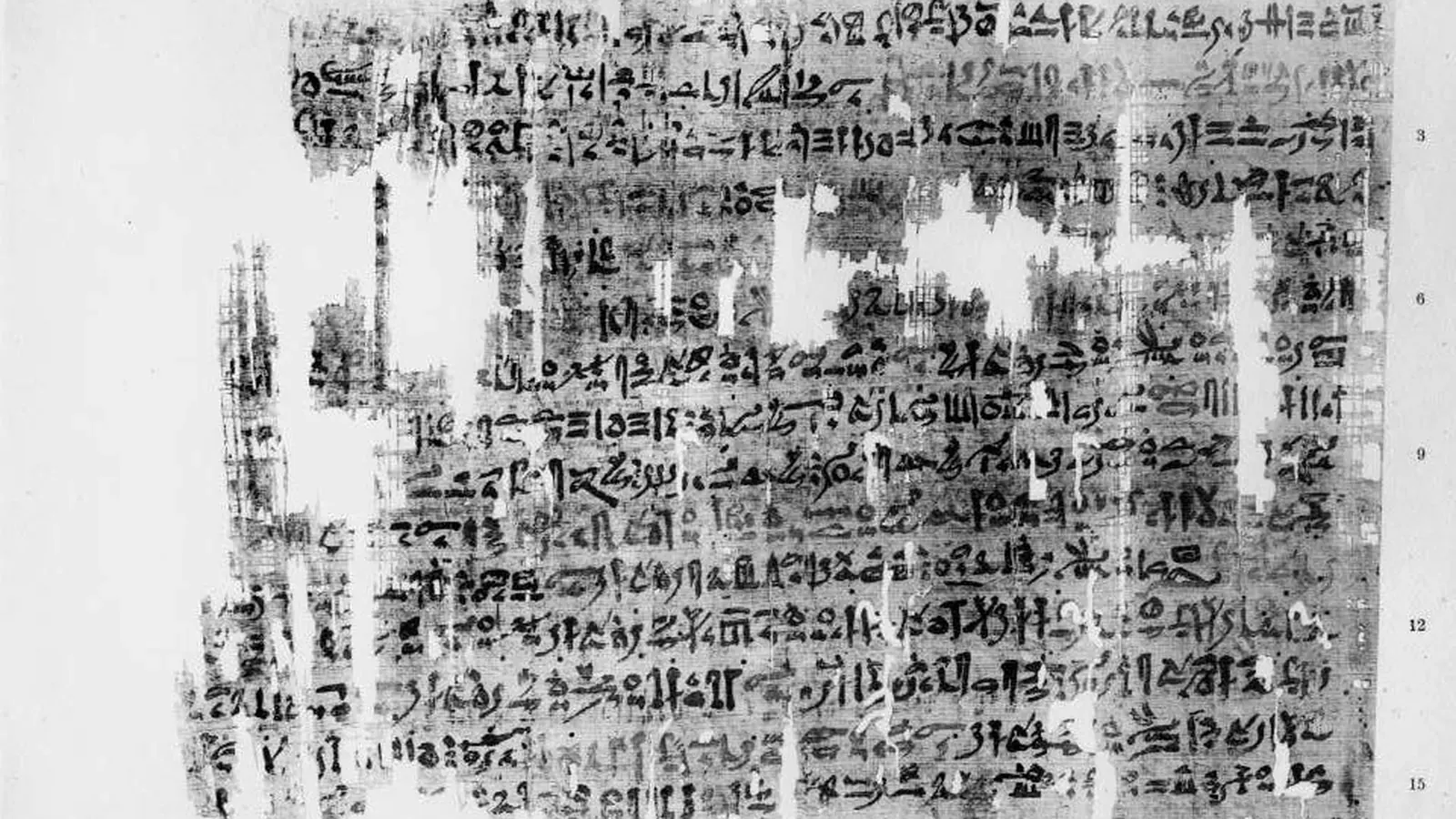
The University of Michigan's papyrology collection explains the importance of Egypt's arid conditions. In wetter settings, many comparable everyday texts would not have survived. Desert burial could shelter documents from some causes of deterioration, preserving letters, accounts and other records that were never intended to become museum objects.
Dryness is not a guarantee of perfect condition. Michigan's exhibition describes papyri damaged by time, insects and humidity. Many survive as small, incomplete or crumpled fragments rather than pristine rolls.
Discovery creates a new preservation problem
Excavation changes the environment around a fragile object. Handling, transport and exposure can introduce additional stresses. Conservators must assess the condition before deciding how a fragment can be supported or examined.
The aim is not simply to make a damaged sheet look new. Preserving fibres, ink, joins and archaeological context helps retain evidence that could be lost through unnecessary intervention. A fragment's physical arrangement can matter to reconstructing the document it once belonged to.
Storage is controlled, not simply as dry as possible
Michigan's historical account of the collection describes a balance: enough moisture to avoid excessive embrittlement, without conditions encouraging mould or other deterioration. Supported housing and limited handling help protect delicate pieces.
That makes modern conservation different from returning every item to desert conditions. The appropriate treatment depends on the object, its history and its current state. General descriptions of preservation are not instructions for cleaning or flattening an artefact at home.
Reading the gaps as well as the words
An archive rich in Egyptian papyri does not prove that people elsewhere wrote less. It partly reflects where organic documents survived and where excavation and collecting occurred. Understanding that bias helps historians use the remarkable surviving texts without confusing the preserved sample with the entire ancient written world.
Explore a related question
How Scholars Learned to Read Cuneiform Again
Sources and further reading
Keep exploring.
One remarkable idea at a time—nature, science, history and beyond.
Last updated October 27, 2026.

Barnakle Editorial Team
Barnakle Editorial Team is the collective byline used for Barnakle’s editorial articles. The contributor profile explains the team identity and links to the publication’s editorial policies.
More from the editorial team →