Skip to content
PAST, REDISCOVERED

Archaeology

Explore how archaeologists study objects, buildings and landscapes to reconstruct the past, including the limits of the surviving evidence.

← All History & Knowledge
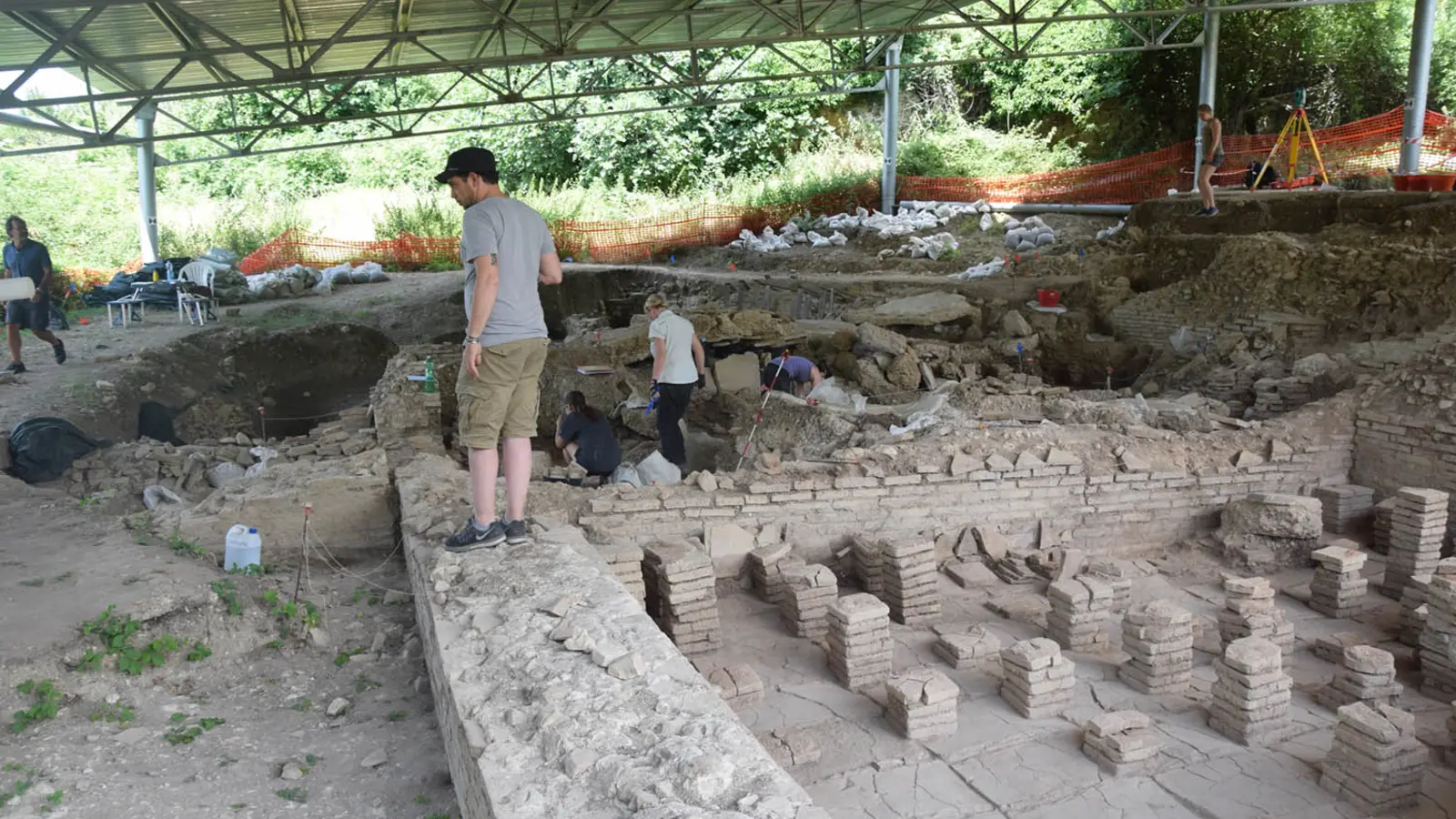
Archaeologists excavating the Roman bath complex at Carsulae in Italy
EDITOR’S PICK

The Ancient Cities Discovered Beneath Modern Landscapes

Explore ancient cities beneath Mexico City, Rome and Istanbul—and how archaeologists read layers, date evidence and work beneath living streets.

Sep 16, 2026 • 6 min readRead the discovery →
LATEST

Latest discoveries

New stories, explanations and research from Archaeology.

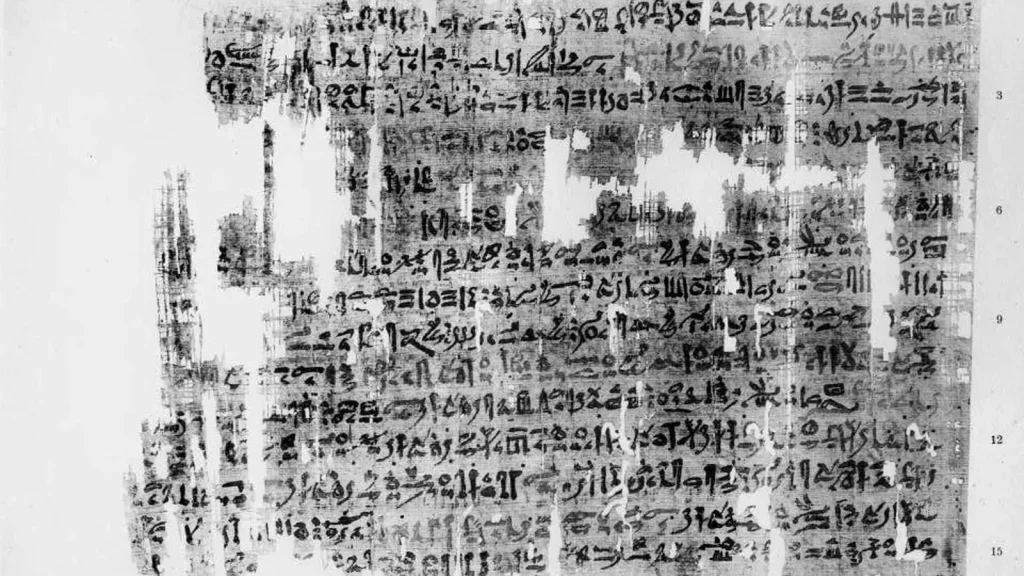
How Ancient Papyrus Survived for Thousands of Years featured reference image
Archaeology

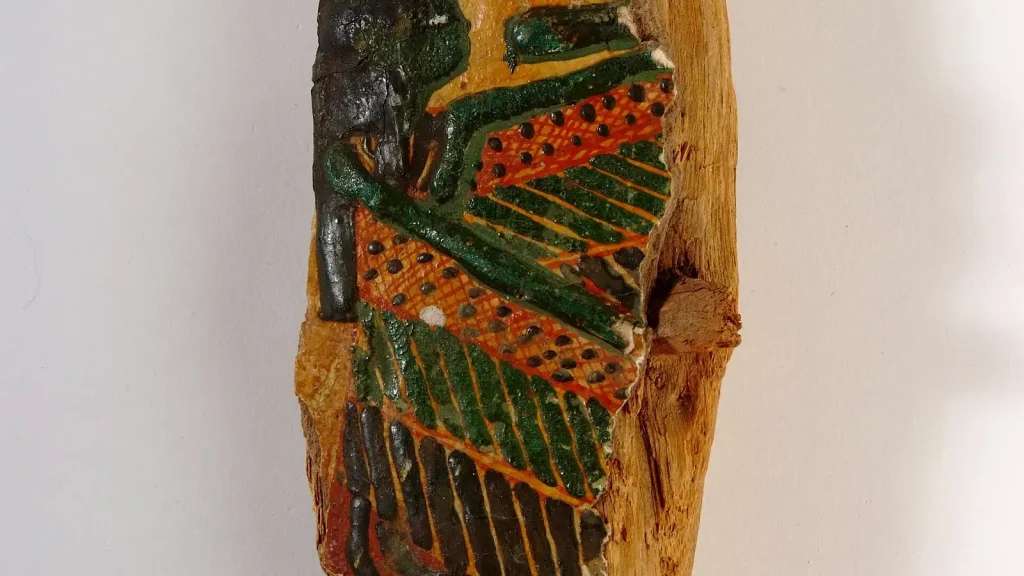
How Ancient Papyrus Survived for Thousands of Years

Papyrus survives when its environment slows deterioration. Dry burial preserved many Egyptian texts, but excavation leaves fragile plant fibres needing careful conservation.

Sep 29, 2026 • 3 min read
How Scholars Learned to Read Cuneiform Again featured reference image
Archaeology

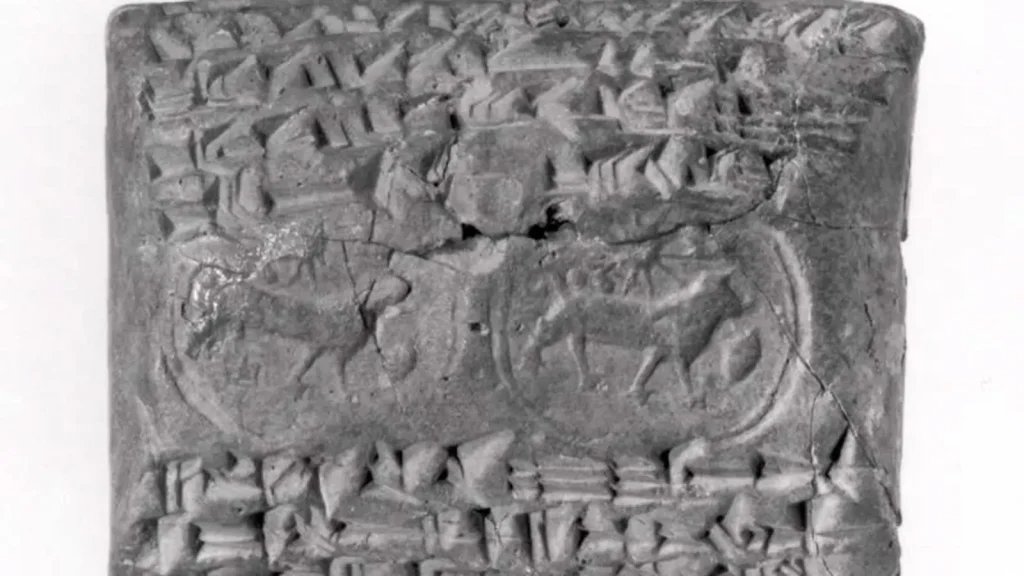
How Scholars Learned to Read Cuneiform Again

Cuneiform is a writing tradition used for several languages. Its decipherment required comparisons, sound values and independent tests, with different languages becoming readable at…

Sep 28, 2026 • 3 min read
How Tree Rings Put Dates on the Ancient Past featured reference image
Archaeology

How Tree Rings Put Dates on the Ancient Past

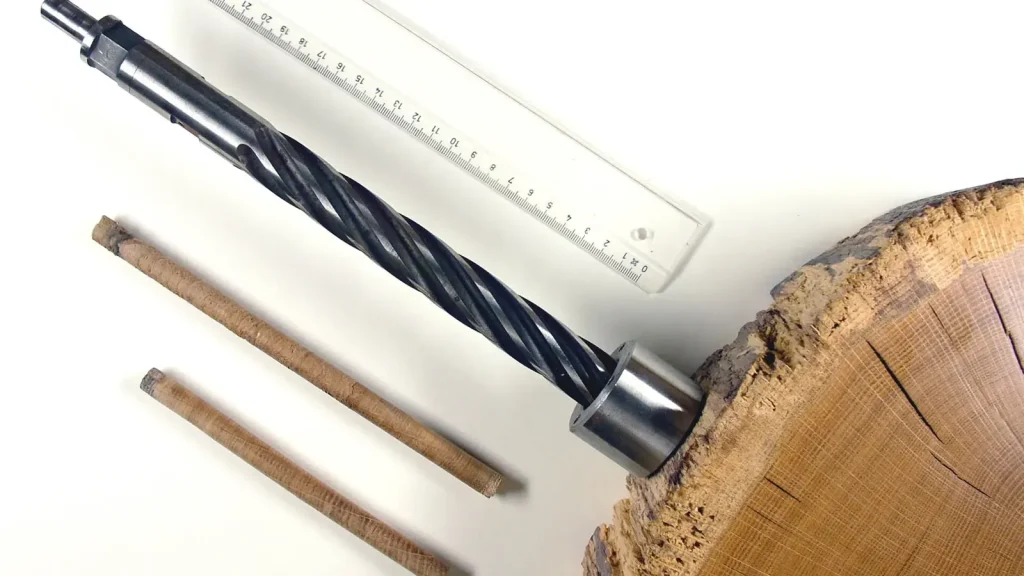
Dendrochronology matches distinctive sequences of wide and narrow growth rings among trees and timbers, producing calendar dates and environmental records where suitable species and…

Sep 24, 2026 • 2 min read
How Linear B Was Deciphered featured reference image
Archaeology

How Linear B Was Deciphered

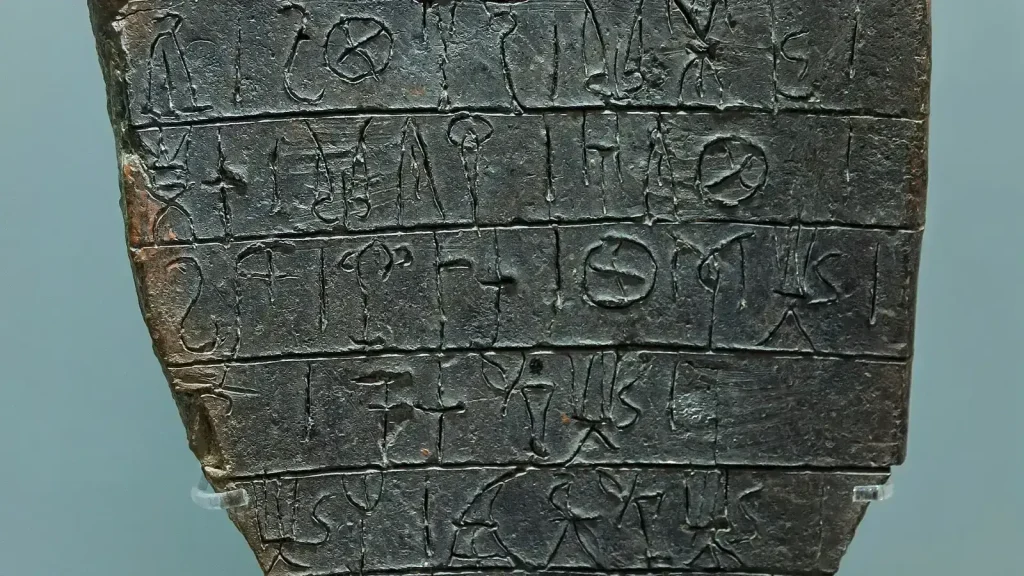
Linear B became readable through sign catalogues, recurring word endings, place-name tests and the recognition of early Greek. The breakthrough was collaborative.

Sep 23, 2026 • 3 min read
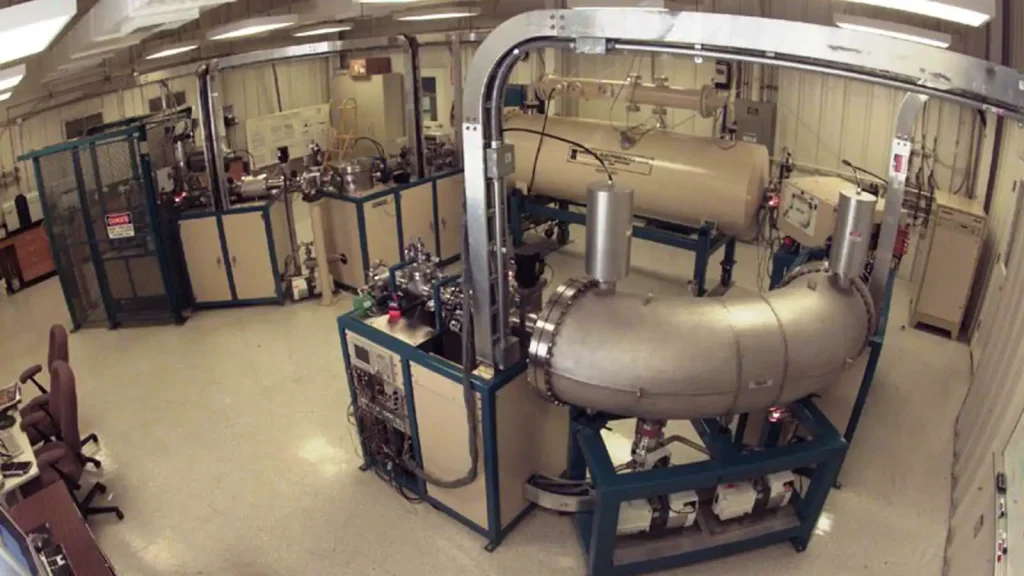
One-megavolt accelerator mass spectrometer used for isotope measurement
Archaeology

How Radiocarbon Dating Turns Decay Into a Clock

Radiocarbon dating measures the loss of carbon-14 after carbon exchange stops. Calibration and sample context turn that measurement into a useful calendar-age estimate.

Sep 21, 2026 • 3 min read
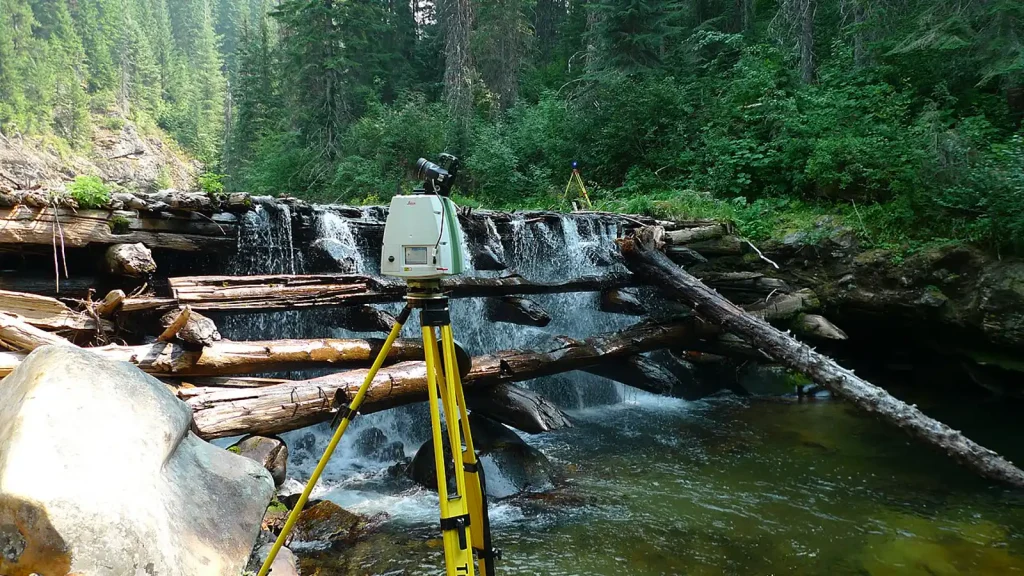
Terrestrial LiDAR equipment set up to evaluate an archaeological site
Archaeology

How LiDAR Reveals Ancient Cities Beneath Forests

Airborne lasers can map tiny differences in ground elevation through gaps in a canopy, revealing roads, terraces and monumental landscapes—but not replacing archaeology on…

Sep 14, 2026 • 4 min read