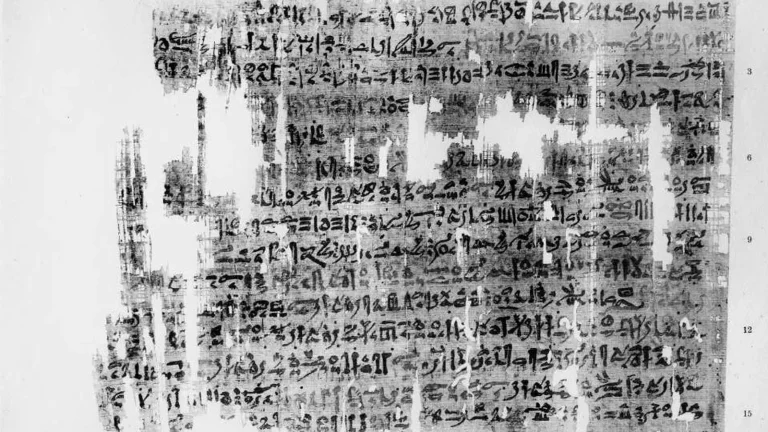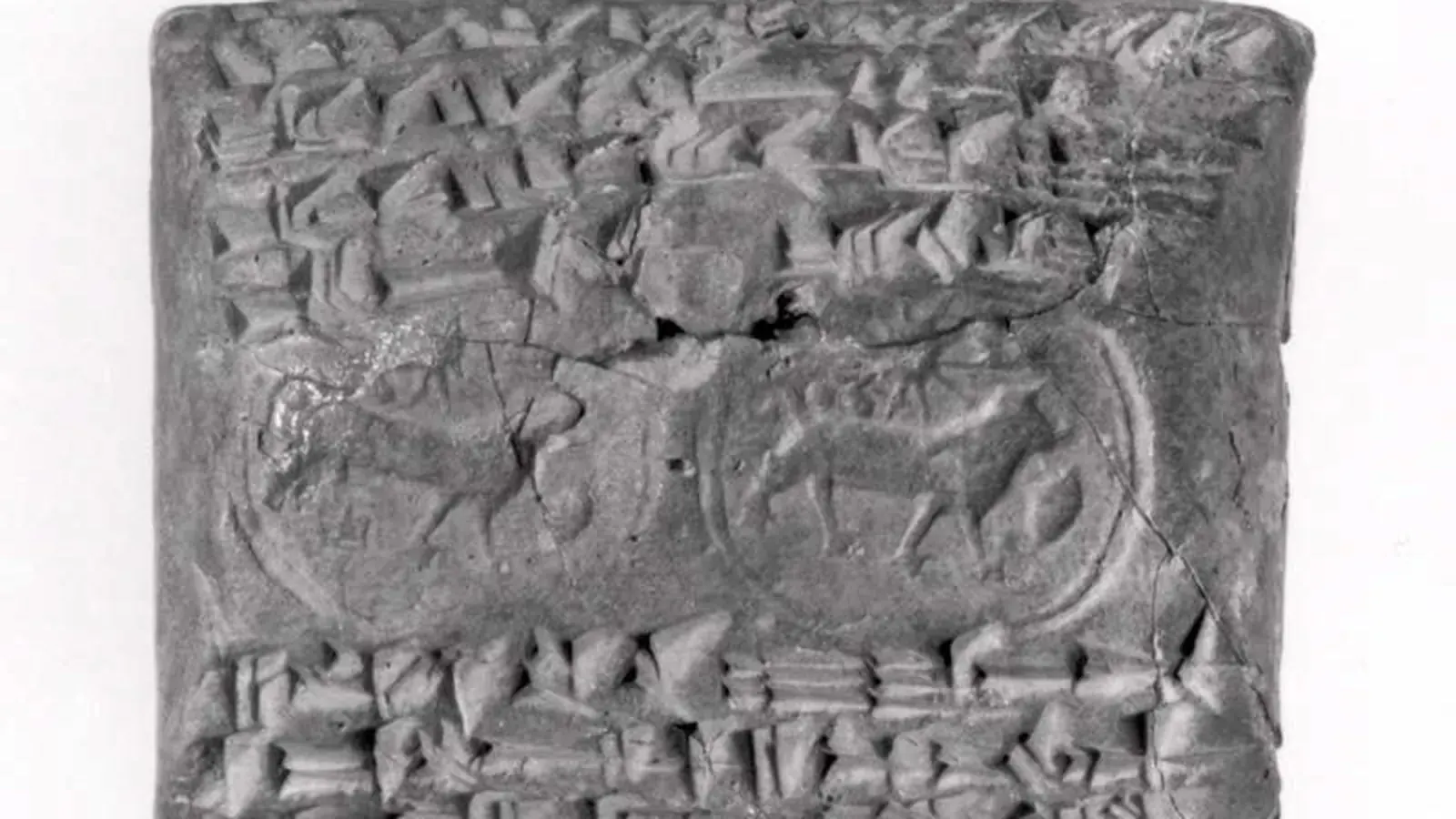
Cuneiform is not the name of one ancient language. It describes a tradition of writing with wedge-shaped impressions, used in different forms to record languages including Sumerian and Akkadian. Learning to read one language written this way did not automatically unlock every other text.
The history of decipherment is therefore a sequence of related advances, rather than one scholar discovering a universal key.
A script and a language are different problems
Recognising recurring signs is only an early step. Researchers must establish what those signs do: represent sounds, words or additional information used by scribes. They must then identify the language and its grammar.
The distinction resembles learning an unfamiliar alphabet without yet knowing the language printed in it. The analogy is incomplete because cuneiform systems can combine several kinds of sign use, but it helps explain why a sign list alone is not a translation.
Repeated names provided footholds
Old Persian royal inscriptions supplied patterns of names, titles and repeated expressions that researchers could compare. Multilingual inscriptions, including Behistun, created opportunities to connect a more accessible version with less understood writing.
The University of Hamburg's account describes how progress on Old Persian helped work on Akkadian. The texts were not all written in a familiar language alongside a mysterious one, however. Each step required arguments about the writing and language, followed by tests across additional material.
Several researchers built and challenged the readings
Edward Hincks, Henry Rawlinson, Jules Oppert and Henry Fox Talbot contributed to the nineteenth-century decipherment of Akkadian cuneiform. Their work involved both exchange and disagreement. Assigning the entire achievement to a single dramatic expedition would hide much of the linguistic analysis.
In 1857 the Royal Asiatic Society arranged an important test: the scholars independently translated the same inscription. Their substantial agreement helped demonstrate that the method was producing reproducible readings rather than private guesses.
Sumerian raised another question
Some texts presented a language different from the newly readable Akkadian. Understanding Sumerian required further work, including comparisons with bilingual materials and the lexical traditions of ancient scribes.
Surviving scribal exercises and lexical lists show how the ancient learning record itself became a resource for modern scholarship. The existence of school texts and word lists supplied evidence unavailable from a monumental inscription alone.
Deciphered does not mean every passage is settled
A damaged tablet may have missing signs. A rare word may remain uncertain even when the script and grammar are well understood. New joins between fragments or new comparisons can improve an existing translation.
Modern digital corpora make these relationships easier to investigate, but they do not eliminate the need to inspect context and physical evidence. The achievement of decipherment is a working, testable way to read a body of texts, with room for continuing corrections and discoveries.
Explore a related question
Sources and further reading
Keep exploring.
One remarkable idea at a time—nature, science, history and beyond.
Last updated October 27, 2026.

Barnakle Editorial Team
Barnakle Editorial Team is the collective byline used for Barnakle’s editorial articles. The contributor profile explains the team identity and links to the publication’s editorial policies.
More from the editorial team →