

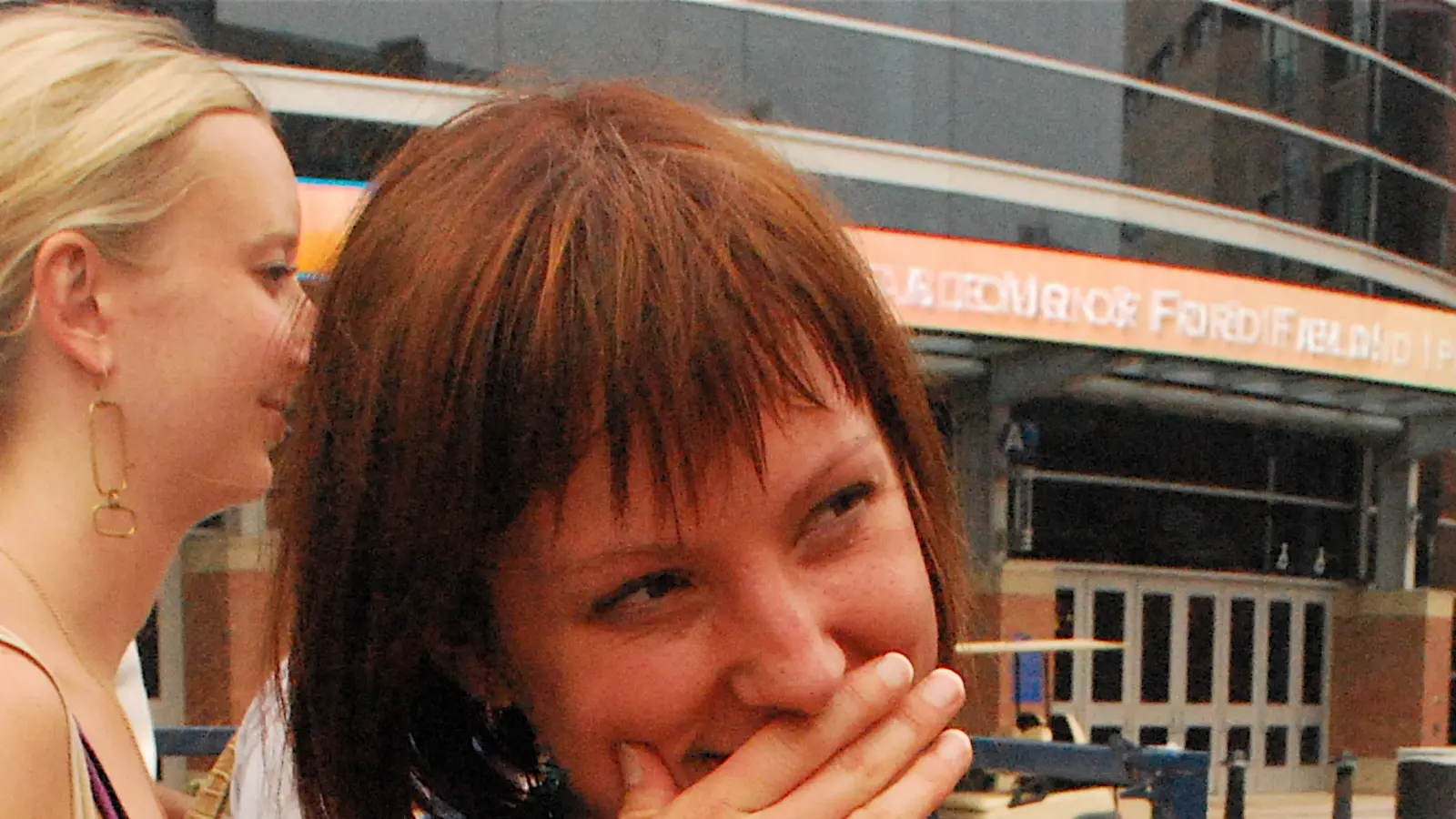
Social attention can trigger involuntary widening of facial blood vessels
The short answer
Blushing is involuntary reddening and warming of the face, ears, neck or chest caused by increased blood flow near the skin. Embarrassment, unwanted attention, praise or awareness of being evaluated can trigger it. The autonomic nervous system participates, but the precise pathway and social function remain active research questions.
A blush exposes an internal state at the exact moment someone may want to hide it. The response combines blood-vessel control, self-awareness and social context. It is related to flushing from heat or exercise but has distinctive triggers centred on attention and evaluation.
Facial vessels widen
Superficial blood vessels dilate and carry more oxygenated blood through the skin. Warmth and tingling can accompany visible redness.
Understanding Facial vessels widen requires separating the immediate mechanism from the conditions that make it stronger, weaker or easier to observe. Researchers measure those variables independently, compare natural examples and test whether the same explanation predicts new results. This turns a plausible story into an evidence-based account.
The evidence for Facial vessels widen comes from methods that fail in different ways. Direct observation establishes what occurs, instruments quantify timing or structure, experiments isolate candidate causes and models test whether known rules reproduce the pattern. Agreement across methods is more persuasive than repetition of one memorable example.
Context also matters for Facial vessels widen. Scale, species, location, temperature, geometry and measurement limits can change the result without overturning the underlying process. Careful reporting preserves that variation, states uncertainty and prevents a useful explanation from becoming an exaggerated universal rule.
A practical explanation should also answer what would change the observation. Following that question reveals the limits of the evidence and identifies the next measurement needed.
The autonomic system participates
Blushing is not deliberately commanded. Sympathetic arousal influences vascular tone, although the facial response differs from vessel narrowing elsewhere during stress.
Understanding The autonomic system participates requires separating the immediate mechanism from the conditions that make it stronger, weaker or easier to observe. Researchers measure those variables independently, compare natural examples and test whether the same explanation predicts new results. This turns a plausible story into an evidence-based account.
The evidence for The autonomic system participates comes from methods that fail in different ways. Direct observation establishes what occurs, instruments quantify timing or structure, experiments isolate candidate causes and models test whether known rules reproduce the pattern. Agreement across methods is more persuasive than repetition of one memorable example.
Context also matters for The autonomic system participates. Scale, species, location, temperature, geometry and measurement limits can change the result without overturning the underlying process. Careful reporting preserves that variation, states uncertainty and prevents a useful explanation from becoming an exaggerated universal rule.
A practical explanation should also answer what would change the observation. Following that question reveals the limits of the evidence and identifies the next measurement needed.
Adrenaline is only part of it
Social stress can release catecholamines, speed the heart and alter sweating. Local vessel responses and cognition determine whether colour becomes visible.
Understanding Adrenaline is only part of it requires separating the immediate mechanism from the conditions that make it stronger, weaker or easier to observe. Researchers measure those variables independently, compare natural examples and test whether the same explanation predicts new results. This turns a plausible story into an evidence-based account.
The evidence for Adrenaline is only part of it comes from methods that fail in different ways. Direct observation establishes what occurs, instruments quantify timing or structure, experiments isolate candidate causes and models test whether known rules reproduce the pattern. Agreement across methods is more persuasive than repetition of one memorable example.
Context also matters for Adrenaline is only part of it. Scale, species, location, temperature, geometry and measurement limits can change the result without overturning the underlying process. Careful reporting preserves that variation, states uncertainty and prevents a useful explanation from becoming an exaggerated universal rule.
A practical explanation should also answer what would change the observation. Following that question reveals the limits of the evidence and identifies the next measurement needed.
Self-focused attention triggers it
Mistakes, public speaking, praise or noticing that others are watching can shift attention inward and provoke the response.
Understanding Self-focused attention triggers it requires separating the immediate mechanism from the conditions that make it stronger, weaker or easier to observe. Researchers measure those variables independently, compare natural examples and test whether the same explanation predicts new results. This turns a plausible story into an evidence-based account.
The evidence for Self-focused attention triggers it comes from methods that fail in different ways. Direct observation establishes what occurs, instruments quantify timing or structure, experiments isolate candidate causes and models test whether known rules reproduce the pattern. Agreement across methods is more persuasive than repetition of one memorable example.
Context also matters for Self-focused attention triggers it. Scale, species, location, temperature, geometry and measurement limits can change the result without overturning the underlying process. Careful reporting preserves that variation, states uncertainty and prevents a useful explanation from becoming an exaggerated universal rule.
A practical explanation should also answer what would change the observation. Following that question reveals the limits of the evidence and identifies the next measurement needed.
Positive attention can cause it
Compliments, affection and recognition may trigger the same reaction. Blushing signals social exposure, not guilt alone.
Understanding Positive attention can cause it requires separating the immediate mechanism from the conditions that make it stronger, weaker or easier to observe. Researchers measure those variables independently, compare natural examples and test whether the same explanation predicts new results. This turns a plausible story into an evidence-based account.
The evidence for Positive attention can cause it comes from methods that fail in different ways. Direct observation establishes what occurs, instruments quantify timing or structure, experiments isolate candidate causes and models test whether known rules reproduce the pattern. Agreement across methods is more persuasive than repetition of one memorable example.
Context also matters for Positive attention can cause it. Scale, species, location, temperature, geometry and measurement limits can change the result without overturning the underlying process. Careful reporting preserves that variation, states uncertainty and prevents a useful explanation from becoming an exaggerated universal rule.
A practical explanation should also answer what would change the observation. Following that question reveals the limits of the evidence and identifies the next measurement needed.
Skin tone affects visibility
The vascular response occurs across skin tones even when redness is less obvious. Lighting, temperature and baseline circulation change perception.
Understanding Skin tone affects visibility requires separating the immediate mechanism from the conditions that make it stronger, weaker or easier to observe. Researchers measure those variables independently, compare natural examples and test whether the same explanation predicts new results. This turns a plausible story into an evidence-based account.
The evidence for Skin tone affects visibility comes from methods that fail in different ways. Direct observation establishes what occurs, instruments quantify timing or structure, experiments isolate candidate causes and models test whether known rules reproduce the pattern. Agreement across methods is more persuasive than repetition of one memorable example.
Context also matters for Skin tone affects visibility. Scale, species, location, temperature, geometry and measurement limits can change the result without overturning the underlying process. Careful reporting preserves that variation, states uncertainty and prevents a useful explanation from becoming an exaggerated universal rule.
A practical explanation should also answer what would change the observation. Following that question reveals the limits of the evidence and identifies the next measurement needed.
Blushing differs from flushing
Heat, alcohol, menopause, medicine, rosacea and illness can raise facial blood flow without embarrassment. Duration and accompanying symptoms help distinguish causes.
Understanding Blushing differs from flushing requires separating the immediate mechanism from the conditions that make it stronger, weaker or easier to observe. Researchers measure those variables independently, compare natural examples and test whether the same explanation predicts new results. This turns a plausible story into an evidence-based account.
The evidence for Blushing differs from flushing comes from methods that fail in different ways. Direct observation establishes what occurs, instruments quantify timing or structure, experiments isolate candidate causes and models test whether known rules reproduce the pattern. Agreement across methods is more persuasive than repetition of one memorable example.
Context also matters for Blushing differs from flushing. Scale, species, location, temperature, geometry and measurement limits can change the result without overturning the underlying process. Careful reporting preserves that variation, states uncertainty and prevents a useful explanation from becoming an exaggerated universal rule.
A practical explanation should also answer what would change the observation. Following that question reveals the limits of the evidence and identifies the next measurement needed.
Fear can amplify a blush
Monitoring the face for warmth increases self-focused attention and anxiety, creating a feedback loop associated with erythrophobia.
Understanding Fear can amplify a blush requires separating the immediate mechanism from the conditions that make it stronger, weaker or easier to observe. Researchers measure those variables independently, compare natural examples and test whether the same explanation predicts new results. This turns a plausible story into an evidence-based account.
The evidence for Fear can amplify a blush comes from methods that fail in different ways. Direct observation establishes what occurs, instruments quantify timing or structure, experiments isolate candidate causes and models test whether known rules reproduce the pattern. Agreement across methods is more persuasive than repetition of one memorable example.
Context also matters for Fear can amplify a blush. Scale, species, location, temperature, geometry and measurement limits can change the result without overturning the underlying process. Careful reporting preserves that variation, states uncertainty and prevents a useful explanation from becoming an exaggerated universal rule.
A practical explanation should also answer what would change the observation. Following that question reveals the limits of the evidence and identifies the next measurement needed.
It may repair social trust
Observers sometimes interpret a blush after a mistake as regret or concern, softening judgment. Meaning still depends on culture and context.
Understanding It may repair social trust requires separating the immediate mechanism from the conditions that make it stronger, weaker or easier to observe. Researchers measure those variables independently, compare natural examples and test whether the same explanation predicts new results. This turns a plausible story into an evidence-based account.
The evidence for It may repair social trust comes from methods that fail in different ways. Direct observation establishes what occurs, instruments quantify timing or structure, experiments isolate candidate causes and models test whether known rules reproduce the pattern. Agreement across methods is more persuasive than repetition of one memorable example.
Context also matters for It may repair social trust. Scale, species, location, temperature, geometry and measurement limits can change the result without overturning the underlying process. Careful reporting preserves that variation, states uncertainty and prevents a useful explanation from becoming an exaggerated universal rule.
A practical explanation should also answer what would change the observation. Following that question reveals the limits of the evidence and identifies the next measurement needed.
It develops with self-awareness
Embarrassment becomes more evident as children learn to imagine how they appear to other people, linking blushing with social cognition.
Understanding It develops with self-awareness requires separating the immediate mechanism from the conditions that make it stronger, weaker or easier to observe. Researchers measure those variables independently, compare natural examples and test whether the same explanation predicts new results. This turns a plausible story into an evidence-based account.
The evidence for It develops with self-awareness comes from methods that fail in different ways. Direct observation establishes what occurs, instruments quantify timing or structure, experiments isolate candidate causes and models test whether known rules reproduce the pattern. Agreement across methods is more persuasive than repetition of one memorable example.
Context also matters for It develops with self-awareness. Scale, species, location, temperature, geometry and measurement limits can change the result without overturning the underlying process. Careful reporting preserves that variation, states uncertainty and prevents a useful explanation from becoming an exaggerated universal rule.
A practical explanation should also answer what would change the observation. Following that question reveals the limits of the evidence and identifies the next measurement needed.
Researchers can measure it
Temperature sensors, laser Doppler flowmetry, photoplethysmography and colour analysis capture different aspects. Self-reports do not always match visible change.
Understanding Researchers can measure it requires separating the immediate mechanism from the conditions that make it stronger, weaker or easier to observe. Researchers measure those variables independently, compare natural examples and test whether the same explanation predicts new results. This turns a plausible story into an evidence-based account.
The evidence for Researchers can measure it comes from methods that fail in different ways. Direct observation establishes what occurs, instruments quantify timing or structure, experiments isolate candidate causes and models test whether known rules reproduce the pattern. Agreement across methods is more persuasive than repetition of one memorable example.
Context also matters for Researchers can measure it. Scale, species, location, temperature, geometry and measurement limits can change the result without overturning the underlying process. Careful reporting preserves that variation, states uncertainty and prevents a useful explanation from becoming an exaggerated universal rule.
A practical explanation should also answer what would change the observation. Following that question reveals the limits of the evidence and identifies the next measurement needed.
Severe fear can be treated
Cognitive behavioural and exposure therapies can reduce anxiety and avoidance. Medication or surgery require careful clinical evaluation of benefits and risks.
Understanding Severe fear can be treated requires separating the immediate mechanism from the conditions that make it stronger, weaker or easier to observe. Researchers measure those variables independently, compare natural examples and test whether the same explanation predicts new results. This turns a plausible story into an evidence-based account.
The evidence for Severe fear can be treated comes from methods that fail in different ways. Direct observation establishes what occurs, instruments quantify timing or structure, experiments isolate candidate causes and models test whether known rules reproduce the pattern. Agreement across methods is more persuasive than repetition of one memorable example.
Context also matters for Severe fear can be treated. Scale, species, location, temperature, geometry and measurement limits can change the result without overturning the underlying process. Careful reporting preserves that variation, states uncertainty and prevents a useful explanation from becoming an exaggerated universal rule.
A practical explanation should also answer what would change the observation. Following that question reveals the limits of the evidence and identifies the next measurement needed.
Common misconceptions
Blushing does not prove lying, guilt or romantic interest. Positive and negative attention can both cause it, and strong internal warmth may produce little visible colour. Social meaning cannot be read reliably without context.
A concise explanation is useful only when it preserves the causal chain. It becomes misleading when it substitutes a familiar label for a mechanism, confuses association with cause or extends evidence beyond the conditions actually studied.
How scientists know
Laboratories create controlled attention through speeches, praise or observed mistakes while measuring blood flow, temperature and colour. Experiments ask observers to judge faces, while clinical trials evaluate treatment for disabling fear.
No single measurement carries the conclusion. Observations, experiments, physical theory and repeated records provide independent checks, while disagreement points to an uncontrolled variable or a question that still needs a better test.
Frequently asked questions
Can you stop it by trying?
Direct suppression is difficult and monitoring can intensify it, though reducing fear helps over time.
Why do ears turn red?
Their superficial blood vessels can dilate with those of the face and neck.
Is redness always blushing?
No. Heat, rosacea, medicines and medical conditions can cause flushing.
Do animals blush?
Some show skin-colour changes, but human self-conscious experience cannot be inferred from redness alone.
When should I seek help?
Ask a clinician about new persistent flushing, breathing difficulty, faintness or symptoms limiting daily life.
Key takeaways
- Blushing reflects increased superficial blood flow.
- Social attention is a common trigger.
- A blush does not prove guilt.
- Fear can create a self-reinforcing cycle.
Continue exploring
Sources and further reading
Keep exploring.
One remarkable idea at a time—nature, science, history and beyond.
Sources and further reading
Barnakle uses credible primary and authoritative sources wherever possible.
- PubMed — Psychophysiology of blushing
- https://pubmed.ncbi.nlm.nih.gov/11097004/
- PubMed — Blushing and evaluation
- https://pubmed.ncbi.nlm.nih.gov/18729619/
- PMC — Fear of blushing
- https://pmc.ncbi.nlm.nih.gov/articles/PMC4724791/
- NHS — Blushing
- https://www.nhs.uk/conditions/blushing/
Last reviewed October 5, 2026.

Barnakle Editorial Team
A member of the Barnakle editorial team, exploring remarkable ideas with clarity, curiosity and care.
More from this author →