Skip to content
INSIDE HUMANITY

Human Biology

Explore the structures and processes of the human body, from cells and tissues to the interacting systems that sustain life.

← All The Human Body & Mind
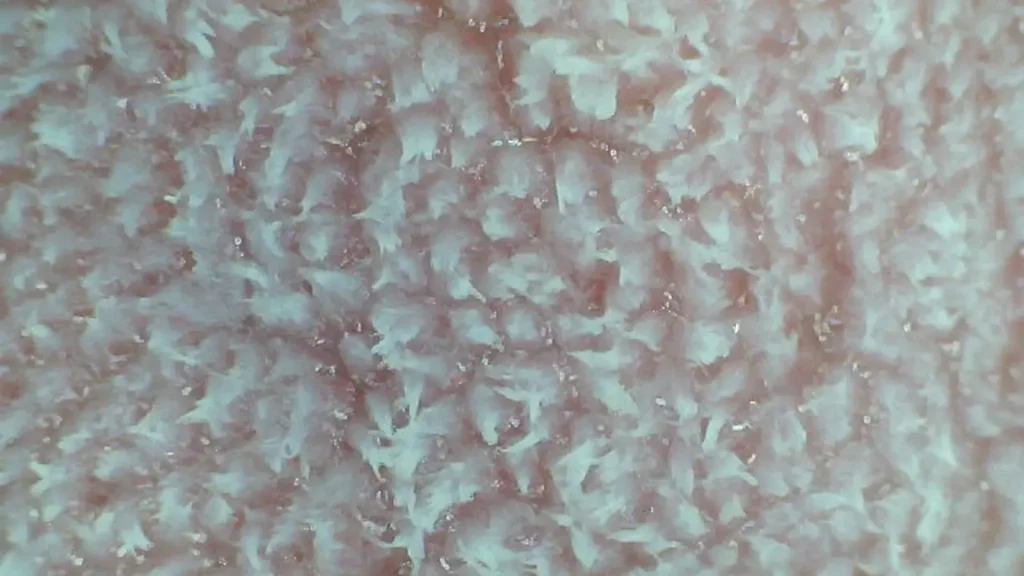
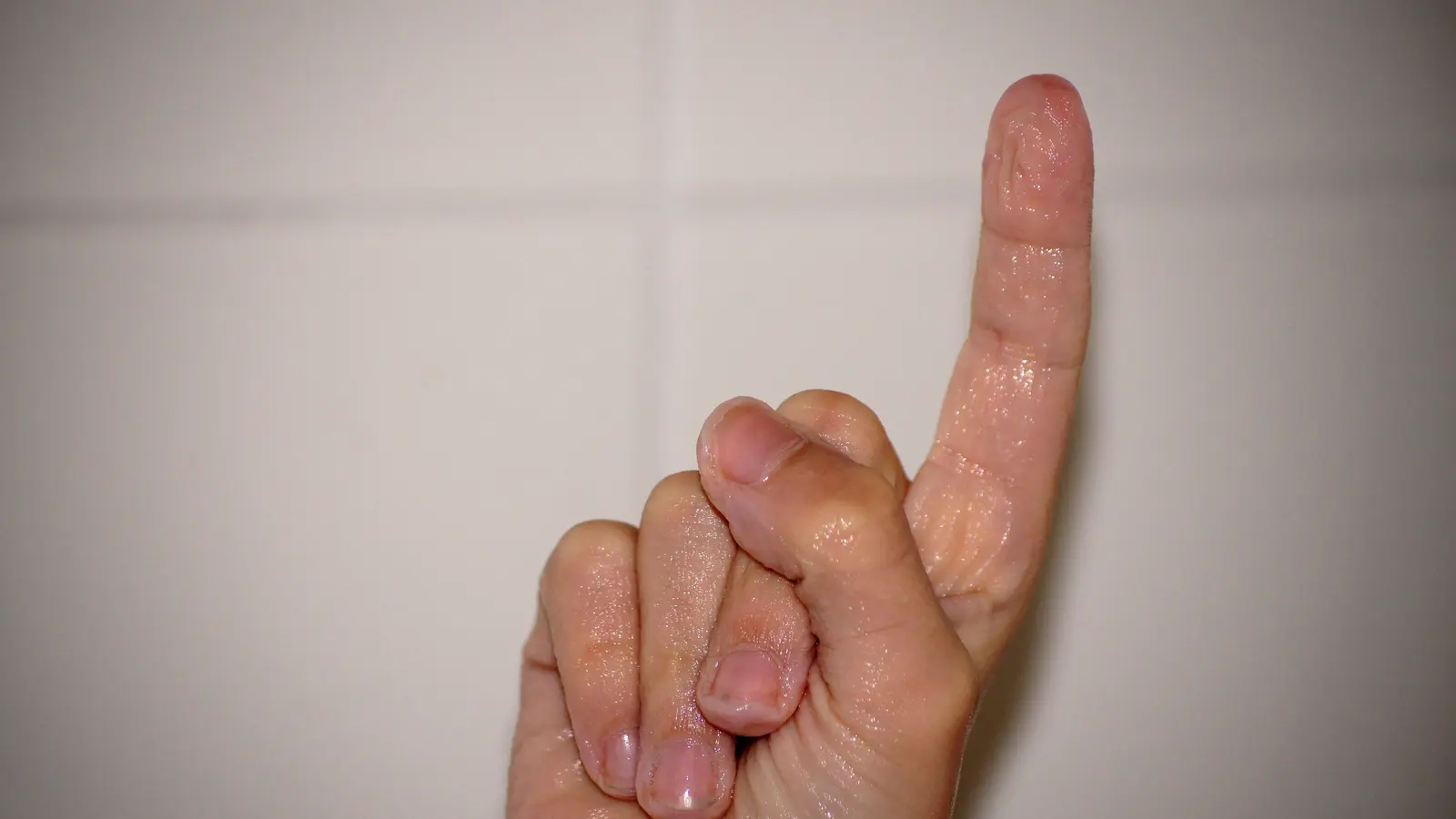
Close view of fingertips wrinkled after prolonged exposure to water
EDITOR’S PICK

Why Do Fingers Wrinkle in Water?

Fingers and toes wrinkle after prolonged water exposure because the autonomic nervous system signals blood vessels beneath their hairless skin to constrict. The reduced tissue volume pulls the overlying surface into ridges and valleys.…

Oct 14, 2026 • 3 min readRead the discovery →
LATEST

Latest discoveries

New stories, explanations and research from Human Biology.

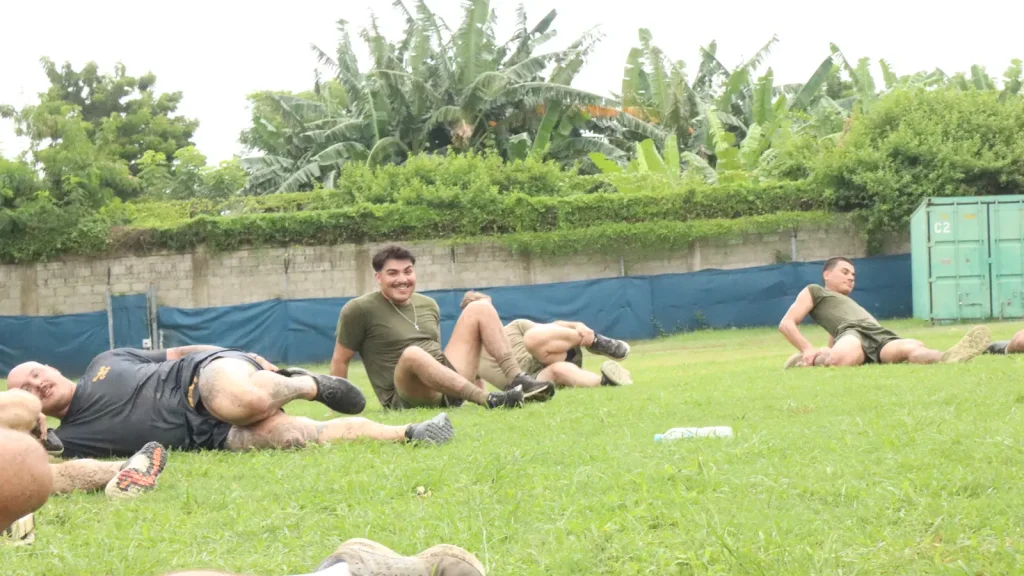
Athlete stretching on the floor after a workout
Human Biology

Why Do Muscles Feel Sore After Exercise?

Delayed-onset muscle soreness, or DOMS, commonly begins hours after unfamiliar or unusually intense exercise and peaks roughly one to three days later. Lengthening contractions…

Oct 6, 2026 • 4 min read
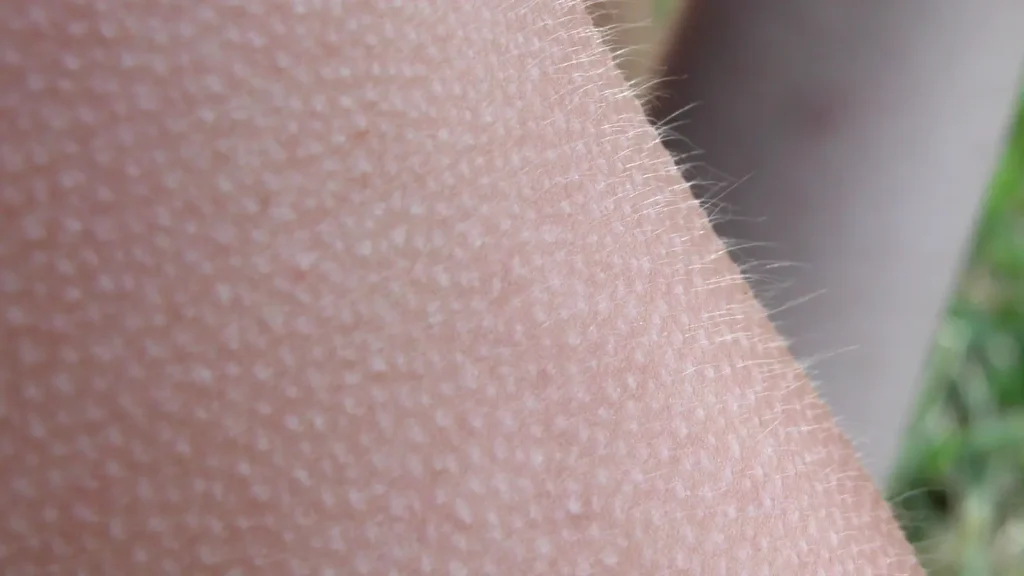
Close-up of goosebumps raised across the skin of a human arm
Human Biology

Why Do We Get Goosebumps?

Goosebumps occur when sympathetic nerves trigger tiny arrector pili muscles attached to hair follicles. The contraction raises each hair and dimples the surrounding skin.…

Oct 6, 2026 • 3 min read
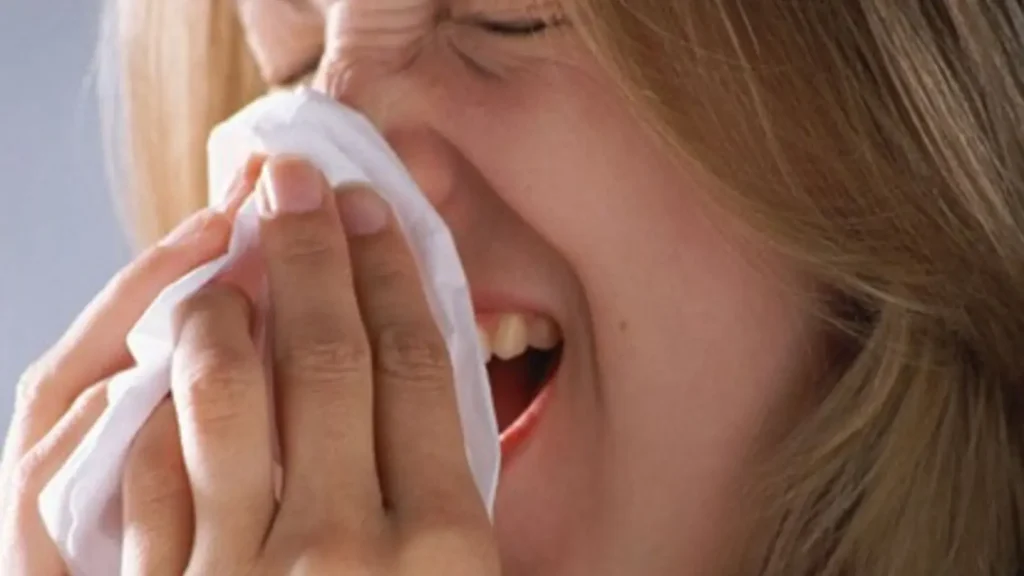
Woman using a tissue while sneezing at Minot Air Force Base
Human Biology

Why Do We Sneeze?

Sneezing is a protective respiratory reflex. Irritation in the nose activates sensory branches of the trigeminal nerve, brainstem circuits organize a deep breath and…

Oct 6, 2026 • 3 min read
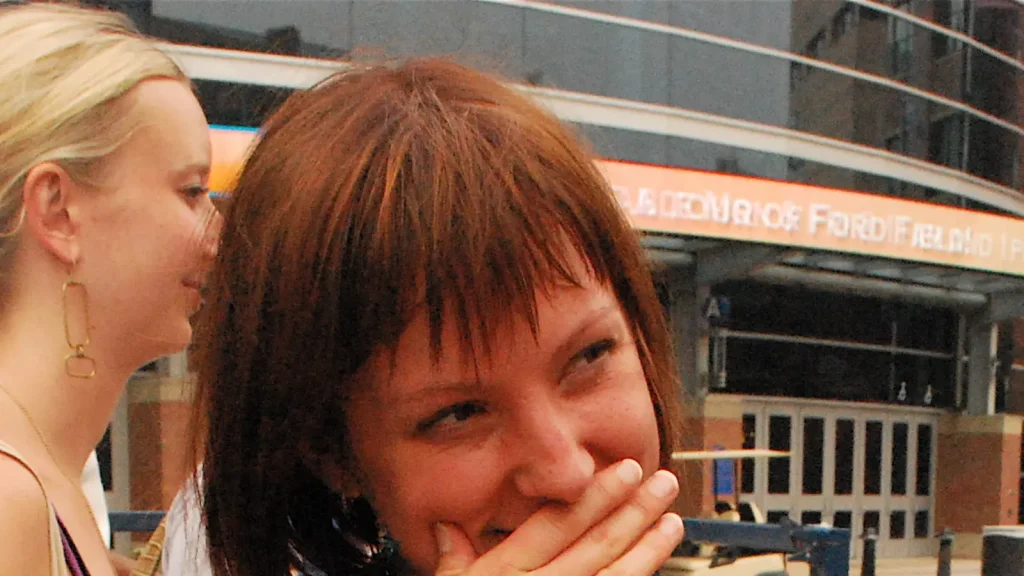
Young woman smiling while covering part of her flushed face
Human Biology

Why Do We Blush?

Blushing is involuntary reddening and warming of the face, ears, neck or chest caused by increased blood flow near the skin. Embarrassment, unwanted attention,…

Oct 5, 2026 • 3 min read
Close view of human facial skin in daylight, an area commonly protected from ultraviolet exposure
Human Biology

How Does Sunscreen Protect Your Skin?

Sunscreen uses ultraviolet filters to absorb most incoming UV energy before it reaches vulnerable skin cells; mineral filters also scatter and reflect a smaller…

Oct 4, 2026 • 3 min read
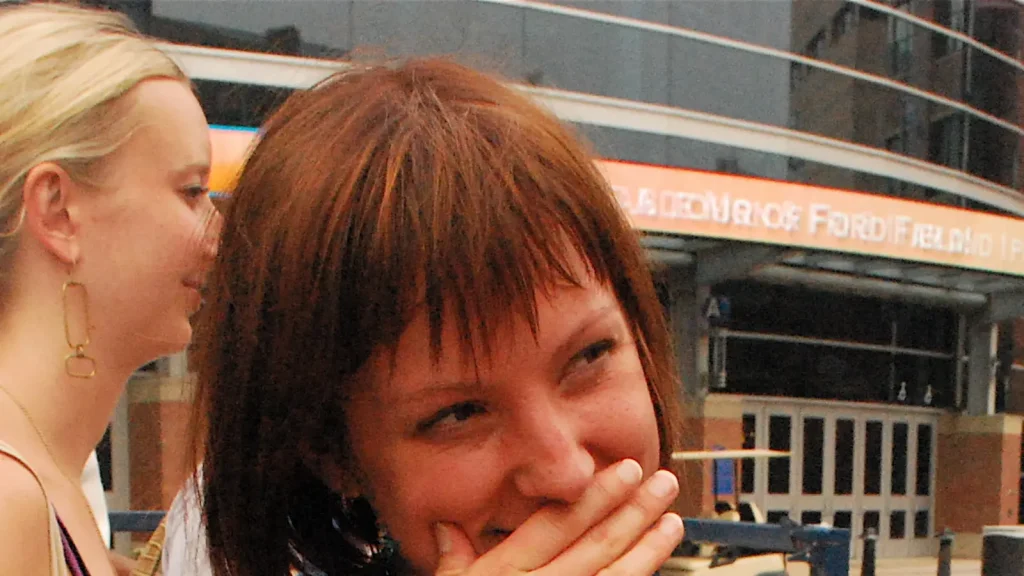
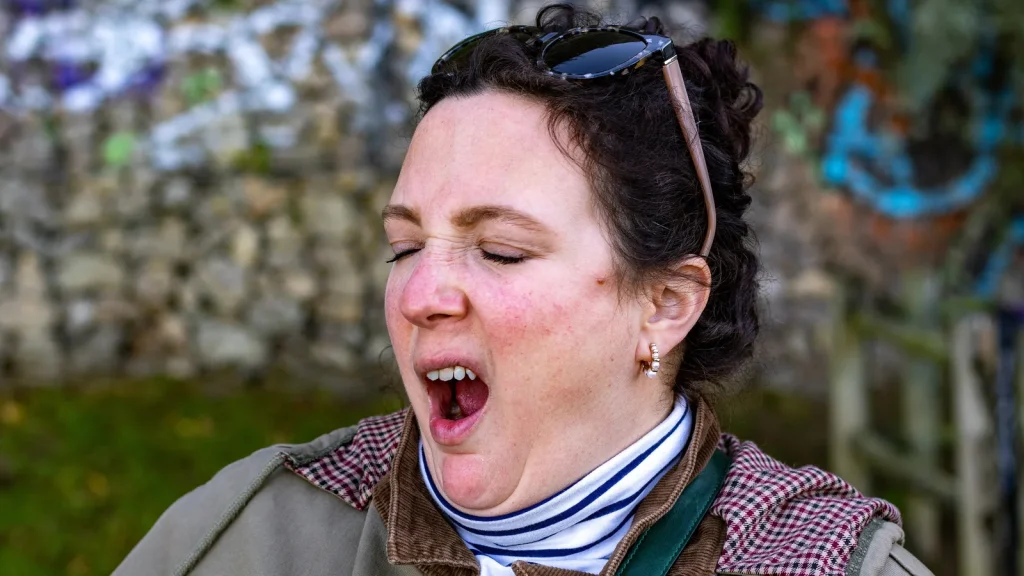
Woman covering her mouth while yawning outdoors
Human Biology

Why Do We Yawn?

Scientists do not yet have one universally accepted explanation for yawning. A yawn is a coordinated reflex involving a deep inhalation, wide jaw opening,…

Oct 1, 2026 • 4 min read
How Taste Receptor Cells Renew Themselves featured reference image
Human Biology

How Taste Receptor Cells Renew Themselves

Taste buds maintain their sensory role while individual cells are replaced. Studies trace the progenitor cells and molecular connections that make this continuing renewal…

Sep 29, 2026 • 3 min read
How Bones Continually Rebuild Themselves featured reference image
Human Biology

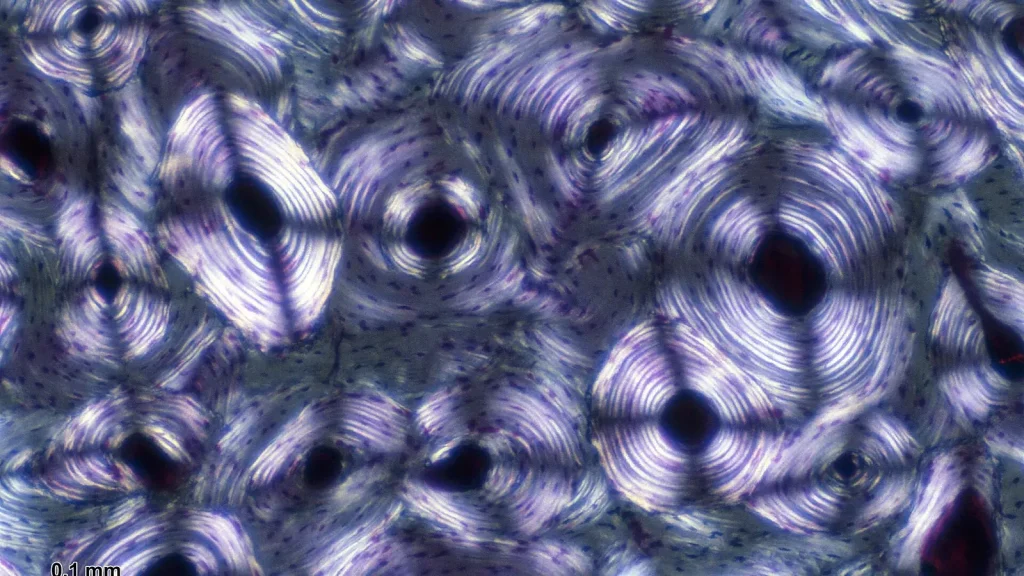
How Bones Continually Rebuild Themselves

Bone is living tissue that continually removes small areas of old material and replaces them with new tissue through coordinated cellular activity influenced by…

Sep 26, 2026 • 2 min read
Why Do We Get Hiccups? — documentary reference image
Human Biology

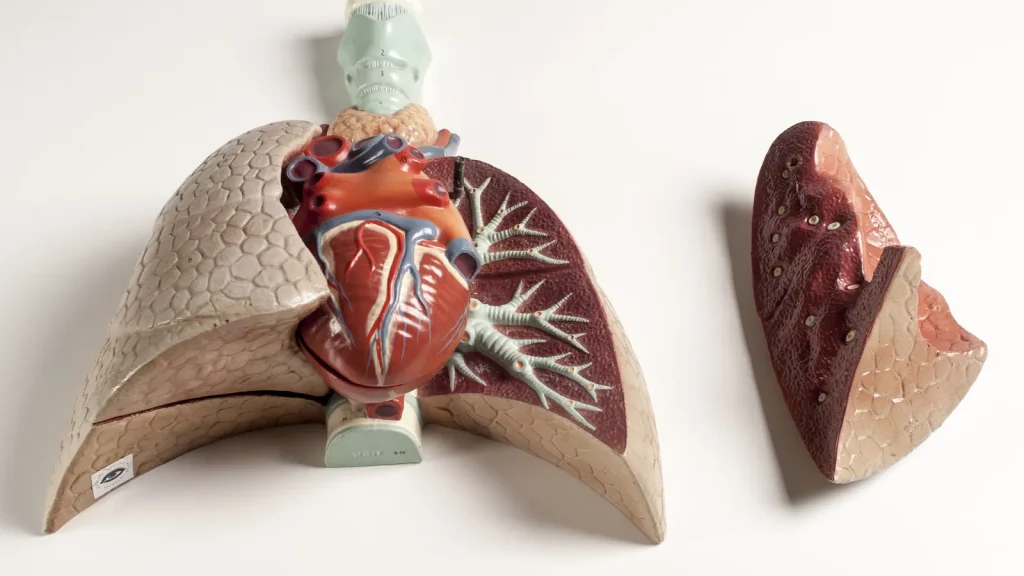
Why Do We Get Hiccups?

A sudden breathing-muscle contraction followed by closure of the voice box produces the familiar hic. Most episodes are brief; persistent hiccups deserve medical attention.

Sep 26, 2026 • 3 min read