
Human Biology
Why Do We Get Hiccups?
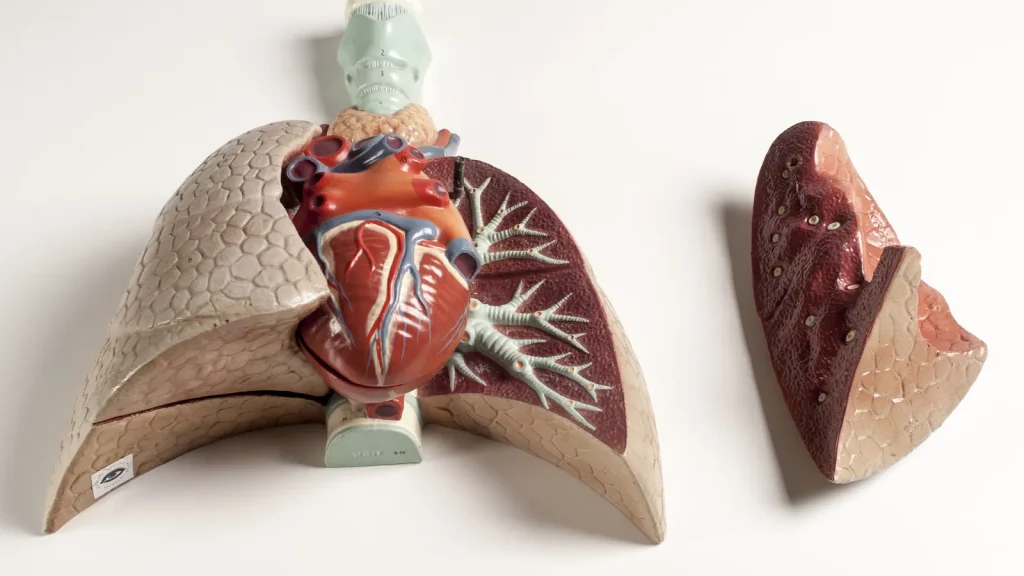
A sudden breathing-muscle contraction followed by closure of the voice box produces the familiar hic. Most episodes are brief; persistent hiccups deserve medical attention.
Sep 26, 2026 • 3 min readExplore the structures and processes of the human body, from cells and tissues to the interacting systems that sustain life.
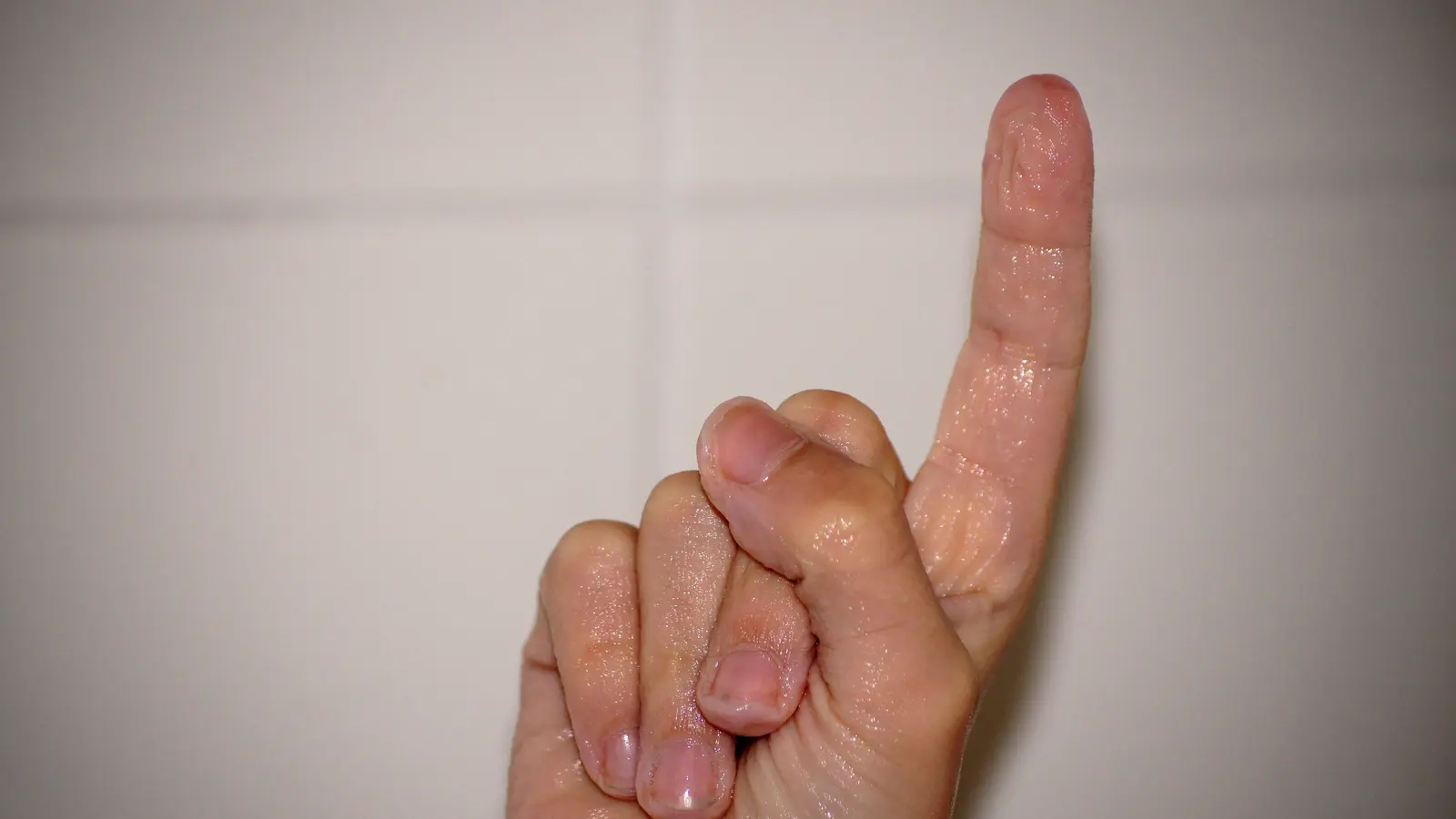
Fingers and toes wrinkle after prolonged water exposure because the autonomic nervous system signals blood vessels beneath their hairless skin to constrict. The reduced tissue volume pulls the overlying surface into ridges and valleys.…
Oct 14, 2026 • 13 min readRead the discovery →New stories, explanations and research from Human Biology.
A sudden breathing-muscle contraction followed by closure of the voice box produces the familiar hic. Most episodes are brief; persistent hiccups deserve medical attention.
Sep 26, 2026 • 3 min read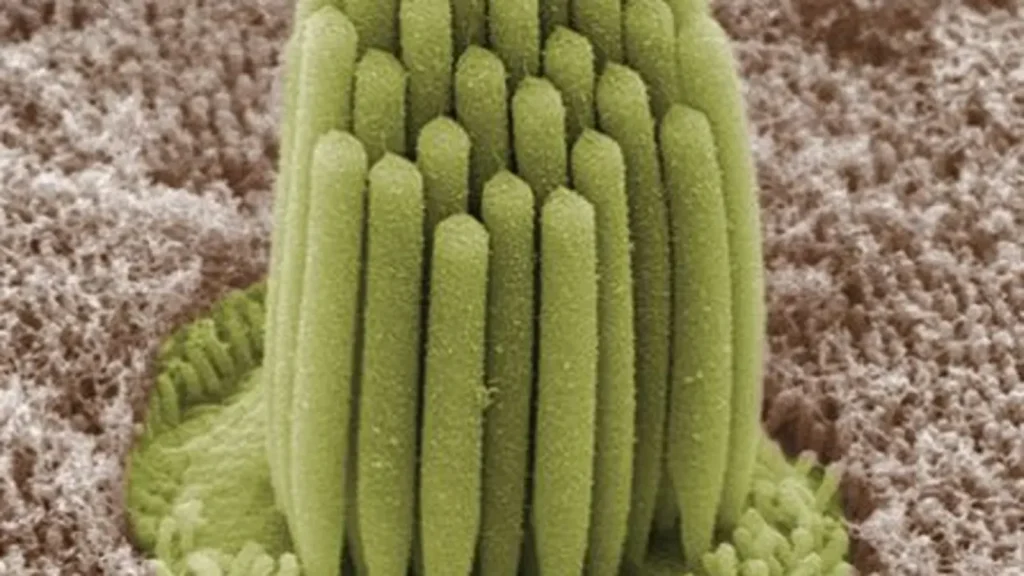
Fluid-filled canals and gravity-sensing organs in the inner ear detect head movement, while the brain combines those signals with vision and body sensation to…
Sep 24, 2026 • 12 min read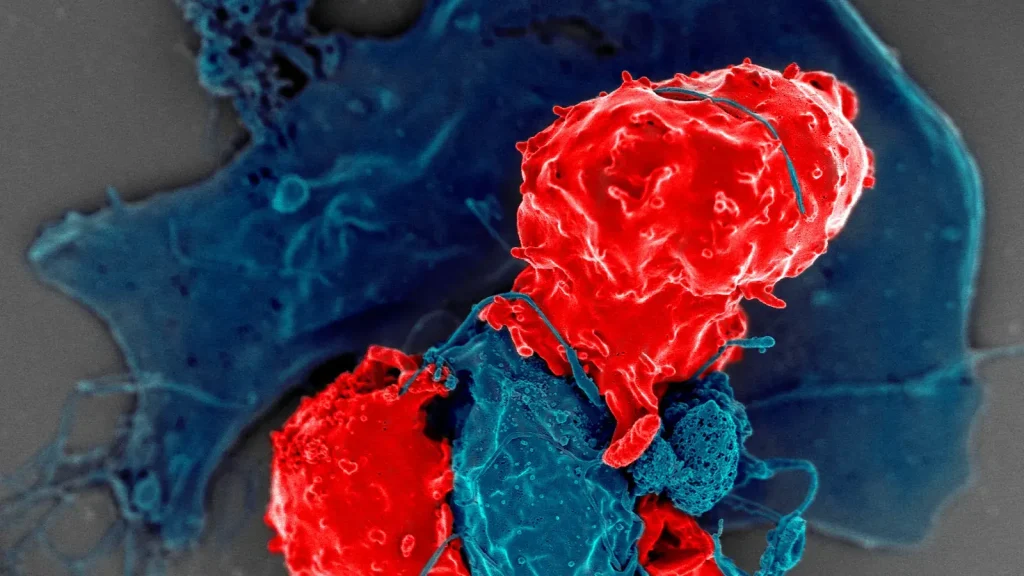
After many infections or vaccinations, selected B and T cells persist or leave long-lived descendants that can respond more rapidly when they encounter familiar…
Sep 24, 2026 • 12 min read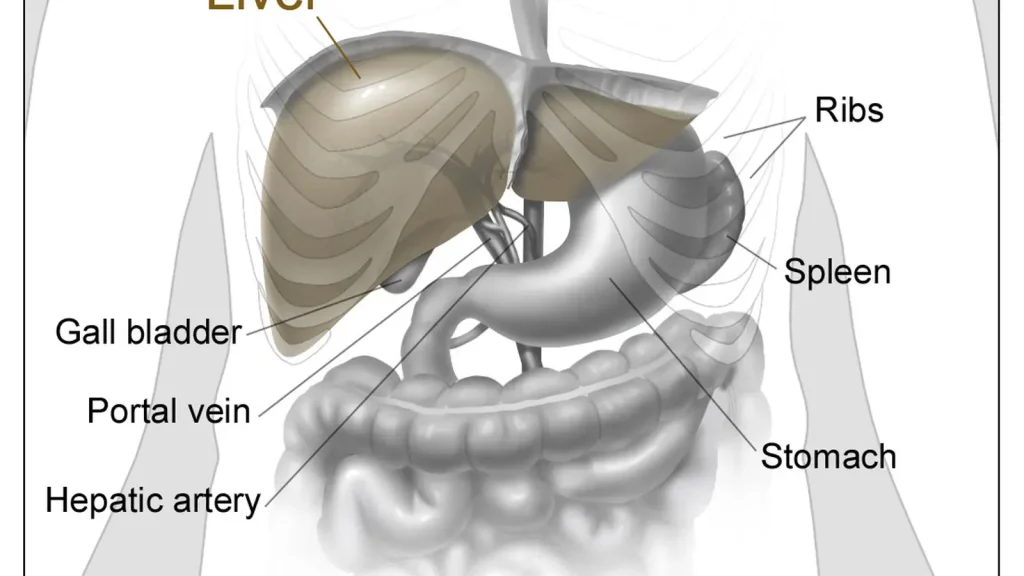
The liver can restore much of its functional mass after injury or surgery mainly by prompting surviving mature cells to re-enter the cell cycle,…
Sep 23, 2026 • 12 min read
Delayed-onset muscle soreness, or DOMS, commonly begins hours after unfamiliar or unusually intense exercise and peaks roughly one to three days later. Lengthening contractions…
Oct 6, 2026 • 13 min read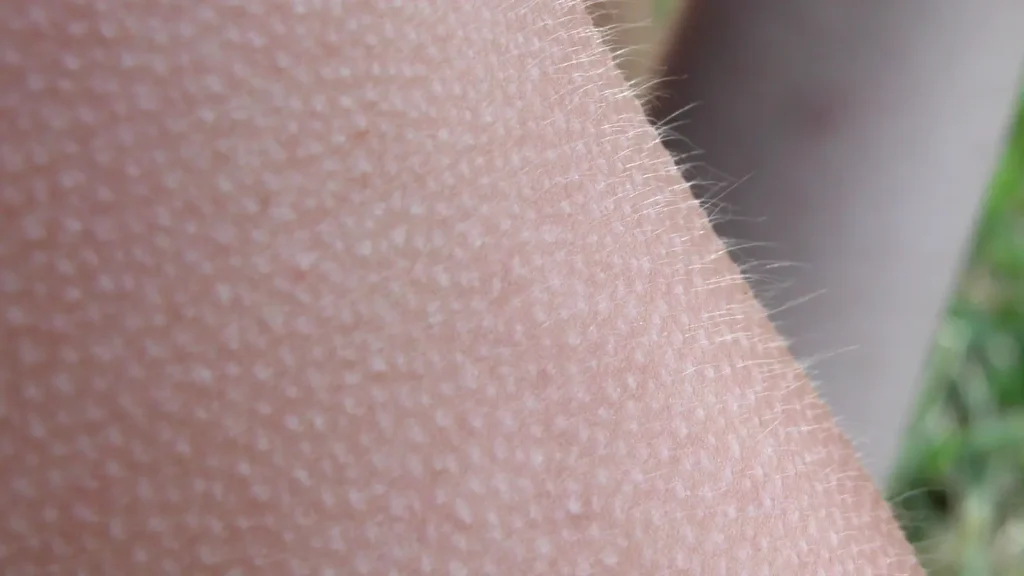
Goosebumps occur when sympathetic nerves trigger tiny arrector pili muscles attached to hair follicles. The contraction raises each hair and dimples the surrounding skin.…
Oct 6, 2026 • 13 min read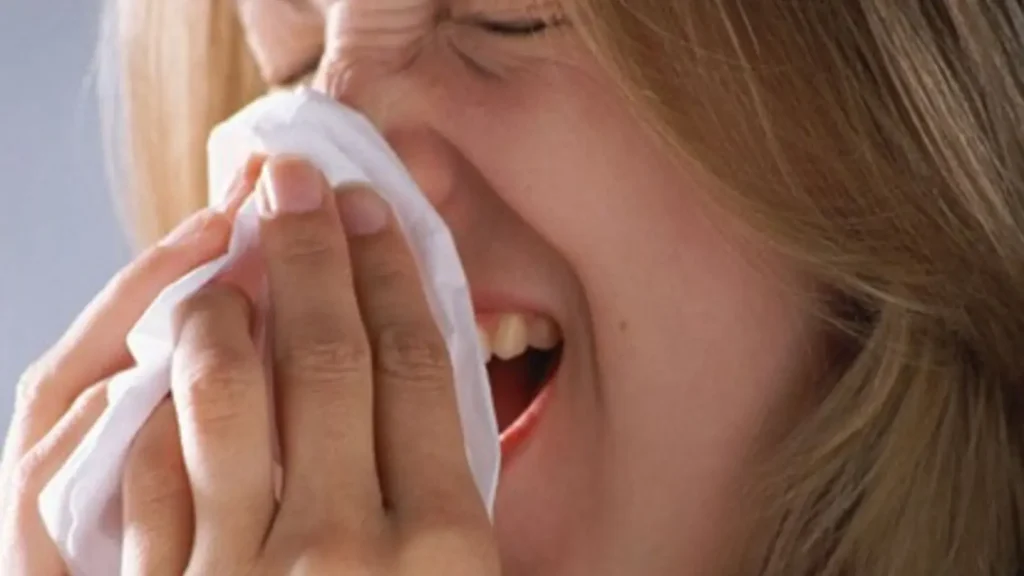
Sneezing is a protective respiratory reflex. Irritation in the nose activates sensory branches of the trigeminal nerve, brainstem circuits organize a deep breath and…
Oct 6, 2026 • 13 min read
Blushing is involuntary reddening and warming of the face, ears, neck or chest caused by increased blood flow near the skin. Embarrassment, unwanted attention,…
Oct 5, 2026 • 13 min readOne remarkable idea at a time—nature, science, history and beyond.