
A respiratory reflex with a familiar sound
A hiccup is an involuntary contraction of the diaphragm and other breathing muscles followed almost immediately by closure of the glottis, producing the “hic” sound. Brief episodes often follow stomach distension, rapid eating, fizzy drinks or sudden excitement, while persistent hiccups can have medical causes.
Why Do We Get Hiccups? is a simple question with a layered answer. The sections below move from the central mechanism to the colours, timing, viewing conditions and misconceptions that generate the most common follow-up questions. Where a simplified classroom explanation leaves out an important qualification, the qualification is included rather than hidden.
The short answer
A hiccup begins with a sudden involuntary contraction of inspiratory muscles, especially the diaphragm. The glottis closes rapidly afterward and interrupts incoming air. This distinction matters because the familiar appearance is the final result of several linked physical steps, not a single isolated event.
That closure creates the characteristic sound. Most short episodes stop on their own and have no serious cause. The mechanism also predicts what should change when one part of the system changes, which makes the account scientifically useful rather than merely descriptive.
For readers asking about the short answer, the practical point is that observations depend on position, timing and conditions. A photograph or brief glance captures only one configuration, whereas the scientific explanation must account for the full range of repeatable appearances. That is why authoritative explanations combine direct observation with models, calibrated instruments and predictions that can be checked independently.
The diaphragm’s role
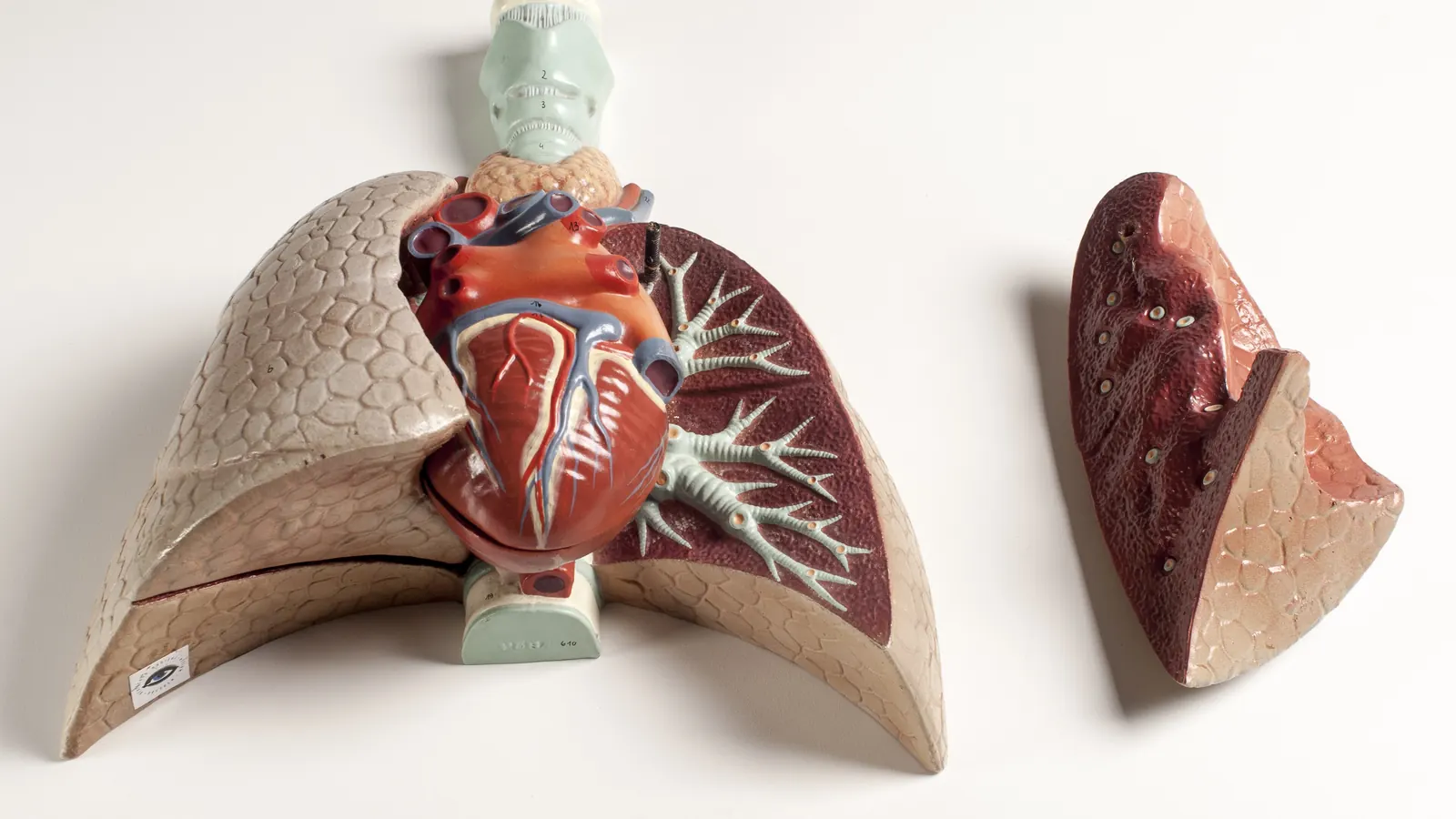
The diaphragm is a dome-shaped muscle separating chest from abdomen. Its contraction enlarges the chest cavity and helps draw air into the lungs. Researchers test the explanation by comparing measurements made under different geometries, conditions and observing methods.
During a hiccup, contraction occurs as a brief reflex rather than a planned breath. Other inspiratory muscles can participate in the movement. Scale is important here: processes that happen at the level of atoms or charged particles can create patterns visible across an entire sky.
For readers asking about the diaphragm’s role, the practical point is that observations depend on position, timing and conditions. A photograph or brief glance captures only one configuration, whereas the scientific explanation must account for the full range of repeatable appearances. That is why authoritative explanations combine direct observation with models, calibrated instruments and predictions that can be checked independently.
Where the hic sound comes from
The sound is not produced by the diaphragm itself. Rapid glottal closure interrupts airflow near the vocal cords. The mechanism also predicts what should change when one part of the system changes, which makes the account scientifically useful rather than merely descriptive.
Timing between contraction and closure is extremely short. Different body positions and respiratory conditions can change the sound without changing the basic reflex. Careful wording prevents a common mistake—confusing what an observer sees with the underlying object or process that produced the view.
For readers asking about where the hic sound comes from, the practical point is that observations depend on position, timing and conditions. A photograph or brief glance captures only one configuration, whereas the scientific explanation must account for the full range of repeatable appearances. That is why authoritative explanations combine direct observation with models, calibrated instruments and predictions that can be checked independently.
The hiccup reflex arc
Sensory signals can travel through the vagus nerve, phrenic nerve and sympathetic pathways. Central nervous-system circuits process the trigger, though there is no single fully defined hiccup centre. Scale is important here: processes that happen at the level of atoms or charged particles can create patterns visible across an entire sky.
Motor output activates the diaphragm and related muscles. The reflex involves several structures, which helps explain its many possible triggers. This distinction matters because the familiar appearance is the final result of several linked physical steps, not a single isolated event.
For readers asking about the hiccup reflex arc, the practical point is that observations depend on position, timing and conditions. A photograph or brief glance captures only one configuration, whereas the scientific explanation must account for the full range of repeatable appearances. That is why authoritative explanations combine direct observation with models, calibrated instruments and predictions that can be checked independently.
Common brief triggers
Eating too quickly or too much can distend the stomach. Carbonated drinks add gas and can increase distension. Careful wording prevents a common mistake—confusing what an observer sees with the underlying object or process that produced the view.
Alcohol, spicy or very hot foods and abrupt temperature changes are reported triggers. Excitement, laughter or sudden emotional shifts can alter breathing patterns. Researchers test the explanation by comparing measurements made under different geometries, conditions and observing methods.
For readers asking about common brief triggers, the practical point is that observations depend on position, timing and conditions. A photograph or brief glance captures only one configuration, whereas the scientific explanation must account for the full range of repeatable appearances. That is why authoritative explanations combine direct observation with models, calibrated instruments and predictions that can be checked independently.
Why hiccups often stop spontaneously
The triggering irritation or distension is usually temporary. Reflex circuits return to ordinary breathing once the disturbance passes. This distinction matters because the familiar appearance is the final result of several linked physical steps, not a single isolated event.
Brief episodes may last minutes and require no treatment. A remedy seeming to work once does not prove it interrupted the mechanism. The mechanism also predicts what should change when one part of the system changes, which makes the account scientifically useful rather than merely descriptive.
For readers asking about why hiccups often stop spontaneously, the practical point is that observations depend on position, timing and conditions. A photograph or brief glance captures only one configuration, whereas the scientific explanation must account for the full range of repeatable appearances. That is why authoritative explanations combine direct observation with models, calibrated instruments and predictions that can be checked independently.
Why holding breath may sometimes help
Breath holding changes carbon dioxide, chest pressure and respiratory rhythm. Swallowing or controlled breathing also provides competing sensory and motor input. Researchers test the explanation by comparing measurements made under different geometries, conditions and observing methods.
These actions may interrupt some episodes, but evidence for home remedies is limited. Anything involving choking, dangerous substances or extreme breath holding should be avoided. Scale is important here: processes that happen at the level of atoms or charged particles can create patterns visible across an entire sky.
For readers asking about why holding breath may sometimes help, the practical point is that observations depend on position, timing and conditions. A photograph or brief glance captures only one configuration, whereas the scientific explanation must account for the full range of repeatable appearances. That is why authoritative explanations combine direct observation with models, calibrated instruments and predictions that can be checked independently.
Why infants hiccup
Hiccups occur before birth and are common in infants. Developing respiratory and feeding systems may trigger the reflex readily. The mechanism also predicts what should change when one part of the system changes, which makes the account scientifically useful rather than merely descriptive.
Ordinary brief infant hiccups are often harmless. Feeding difficulty, breathing problems or persistent distress require professional assessment rather than internet diagnosis. Careful wording prevents a common mistake—confusing what an observer sees with the underlying object or process that produced the view.
For readers asking about why infants hiccup, the practical point is that observations depend on position, timing and conditions. A photograph or brief glance captures only one configuration, whereas the scientific explanation must account for the full range of repeatable appearances. That is why authoritative explanations combine direct observation with models, calibrated instruments and predictions that can be checked independently.
Persistent and intractable hiccups
Clinicians often call hiccups persistent when they last more than 48 hours. Very prolonged episodes may be described as intractable. Scale is important here: processes that happen at the level of atoms or charged particles can create patterns visible across an entire sky.
Duration changes the medical significance because sleep, eating and breathing can be affected. Persistent symptoms warrant evaluation for an underlying cause. This distinction matters because the familiar appearance is the final result of several linked physical steps, not a single isolated event.
For readers asking about persistent and intractable hiccups, the practical point is that observations depend on position, timing and conditions. A photograph or brief glance captures only one configuration, whereas the scientific explanation must account for the full range of repeatable appearances. That is why authoritative explanations combine direct observation with models, calibrated instruments and predictions that can be checked independently.
Possible medical causes
Irritation along the vagus or phrenic nerve pathways can trigger hiccups. Central nervous-system, metabolic, gastrointestinal and chest conditions are among reported causes. Careful wording prevents a common mistake—confusing what an observer sees with the underlying object or process that produced the view.
Some medicines, anaesthesia and surgery can also be associated. The list is broad, so symptom duration and clinical context matter more than self-matching a diagnosis. Researchers test the explanation by comparing measurements made under different geometries, conditions and observing methods.
For readers asking about possible medical causes, the practical point is that observations depend on position, timing and conditions. A photograph or brief glance captures only one configuration, whereas the scientific explanation must account for the full range of repeatable appearances. That is why authoritative explanations combine direct observation with models, calibrated instruments and predictions that can be checked independently.
How clinicians investigate
A clinician begins with history, medications, duration and associated symptoms. Physical examination may guide whether testing is needed. This distinction matters because the familiar appearance is the final result of several linked physical steps, not a single isolated event.
Blood tests or imaging are selected according to suspected causes rather than performed automatically. Treatment focuses on the underlying condition when one is found. The mechanism also predicts what should change when one part of the system changes, which makes the account scientifically useful rather than merely descriptive.
For readers asking about how clinicians investigate, the practical point is that observations depend on position, timing and conditions. A photograph or brief glance captures only one configuration, whereas the scientific explanation must account for the full range of repeatable appearances. That is why authoritative explanations combine direct observation with models, calibrated instruments and predictions that can be checked independently.
Why no single cure works for everyone
Short hiccups stop unpredictably, making remedies difficult to evaluate. Different triggers may activate different parts of the reflex pathway. Researchers test the explanation by comparing measurements made under different geometries, conditions and observing methods.
Persistent cases are uncommon and often medically diverse. Evidence from isolated case reports cannot establish a universal cure. Scale is important here: processes that happen at the level of atoms or charged particles can create patterns visible across an entire sky.
For readers asking about why no single cure works for everyone, the practical point is that observations depend on position, timing and conditions. A photograph or brief glance captures only one configuration, whereas the scientific explanation must account for the full range of repeatable appearances. That is why authoritative explanations combine direct observation with models, calibrated instruments and predictions that can be checked independently.
When to seek medical advice
Hiccups lasting more than 48 hours should be discussed with a healthcare professional. Earlier help is appropriate when hiccups interfere with breathing, eating, sleeping or follow concerning neurological or chest symptoms. The mechanism also predicts what should change when one part of the system changes, which makes the account scientifically useful rather than merely descriptive.
Emergency symptoms require local urgent-care guidance. Barnakle’s explanation is educational and not a substitute for medical diagnosis. Careful wording prevents a common mistake—confusing what an observer sees with the underlying object or process that produced the view.
For readers asking about when to seek medical advice, the practical point is that observations depend on position, timing and conditions. A photograph or brief glance captures only one configuration, whereas the scientific explanation must account for the full range of repeatable appearances. That is why authoritative explanations combine direct observation with models, calibrated instruments and predictions that can be checked independently.
Evolutionary hypotheses
Researchers have proposed links to ancestral respiratory patterns or developmental functions. These ideas are difficult to test and remain hypotheses. Scale is important here: processes that happen at the level of atoms or charged particles can create patterns visible across an entire sky.
The presence of fetal hiccups is interesting but does not prove one evolutionary purpose. Responsible reporting separates a plausible story from a demonstrated function. This distinction matters because the familiar appearance is the final result of several linked physical steps, not a single isolated event.
For readers asking about evolutionary hypotheses, the practical point is that observations depend on position, timing and conditions. A photograph or brief glance captures only one configuration, whereas the scientific explanation must account for the full range of repeatable appearances. That is why authoritative explanations combine direct observation with models, calibrated instruments and predictions that can be checked independently.
What scientists know and do not know
The muscle contraction and glottal closure are well described. The full central control circuit and evolutionary reason remain less certain. Careful wording prevents a common mistake—confusing what an observer sees with the underlying object or process that produced the view.
Clinical research is limited by the rarity and diversity of prolonged cases. Hiccups are a useful reminder that a familiar reflex can have both ordinary and medically important forms. Researchers test the explanation by comparing measurements made under different geometries, conditions and observing methods.
For readers asking about what scientists know and do not know, the practical point is that observations depend on position, timing and conditions. A photograph or brief glance captures only one configuration, whereas the scientific explanation must account for the full range of repeatable appearances. That is why authoritative explanations combine direct observation with models, calibrated instruments and predictions that can be checked independently.
Frequently asked questions
What is the simplest correct explanation?
A hiccup is an involuntary contraction of the diaphragm and other breathing muscles followed almost immediately by closure of the glottis, producing the “hic” sound. Brief episodes often follow stomach distension, rapid eating, fizzy drinks or sudden excitement, while persistent hiccups can have medical causes.
Can the appearance change without the underlying physics changing?
Yes. Viewing angle, distance, atmospheric conditions, brightness, local surroundings and the sensitivity of human vision or cameras can change what is perceived even when the governing physical process remains the same.
Why do photographs sometimes look different from direct observation?
Cameras collect and process light differently from the human visual system. Exposure time, sensor response, white balance, contrast and computational processing can reveal faint structure or amplify colour, so an image should be interpreted with its capture method in mind.
How do scientists know the explanation is reliable?
The explanation connects independently measured quantities and makes predictions across changing conditions. Spectroscopy, imaging, timing, field measurements, laboratory physics and observations from different locations provide checks with different strengths and limitations.
What should a reader remember?
Keep the geometry and the energy pathway in view. Ask where the light or sound began, what it interacted with, how it travelled and why the observer received that particular signal at that particular time.
Key takeaways
- A hiccup is an involuntary contraction of the diaphragm and other breathing muscles followed almost immediately by closure of the glottis, producing the “hic” sound. Brief episodes often follow stomach distension, rapid eating, fizzy drinks or sudden excitement, while persistent hiccups can have medical causes.
- A strong explanation follows the mechanism step by step instead of relying on a slogan.
- Authoritative measurements support the central account while leaving room to refine unresolved details.
- Related phenomena may share part of the mechanism without being the same event.
Continue exploring
What researchers will test next
Progress now depends on measurements that connect controlled experiments with the complexity of the wider world. Researchers need observations collected across different locations, instruments and timescales, with methods described clearly enough for independent teams to repeat them. Larger samples can reveal whether an apparent pattern is widespread or driven by a few unusual cases. Longer records can separate temporary variation from a durable change.
New instruments may improve precision, but precision alone does not guarantee a better explanation. Scientists must still test alternative causes, disclose uncertainty and check whether an analysis gives the same answer when reasonable assumptions change. Open data and carefully documented methods allow other researchers to find errors, reproduce results and combine evidence that was gathered for different purposes.
The most useful future studies will make competing explanations face distinct predictions. When several independent tests agree, confidence can grow. When they disagree, the mismatch becomes evidence about what the original account was missing. Barnakle treats this process as a strength of science: conclusions can be reliable without being final, and responsible reporting should explain both what is known and what observation could change the picture.
Sources and further reading
Keep exploring.
One remarkable idea at a time—nature, science, history and beyond.
Sources and further reading
Barnakle uses credible primary and authoritative sources wherever possible.
- MedlinePlus — Hiccups
- https://medlineplus.gov/hiccups.html
- NCBI Bookshelf — Singultus
- https://www.ncbi.nlm.nih.gov/books/NBK538225/
- NIH/PMC — Hiccups: Common Problem, Unusual Causes
- https://pmc.ncbi.nlm.nih.gov/articles/PMC5072913/
- NIH/PMC — What Puts the Hic into Hiccups?
- https://pmc.ncbi.nlm.nih.gov/articles/PMC9237865/
Last reviewed September 26, 2026.

Barnakle Editorial Team
A member of the Barnakle editorial team, exploring remarkable ideas with clarity, curiosity and care.
More from this author →