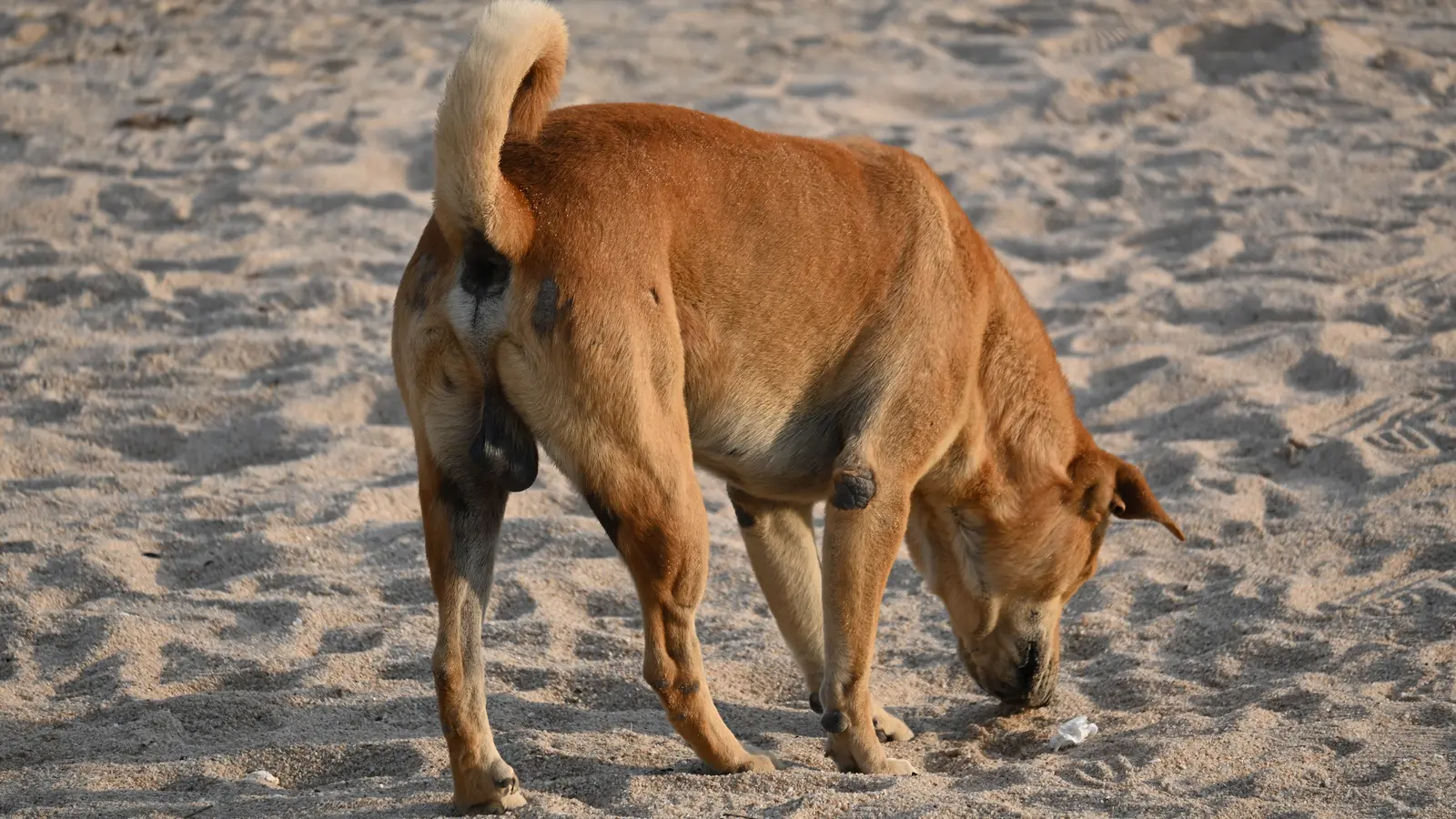
Specialized airflow, extensive sensory tissue and powerful pattern recognition make canine noses exceptionally sensitive
The short answer
A smell is not a floating label. It is a complex mixture of volatile molecules shaped by airflow, surfaces, humidity and chemical decay. Dogs sample that moving landscape repeatedly. Their advantage comes from anatomy, receptor diversity, active sniffing, neural processing, learning and motivation—not from one exaggerated number comparing them with humans.
Sniffing actively controls sampling
Rapid inhalations create repeated packets of information. Dogs adjust sniff frequency and head movement, gathering a time series rather than taking one passive breath.
Nasal airflow follows specialized routes
The geometry of the canine nose directs part of incoming air toward respiratory passages and part toward olfactory tissue. Exhaled air exits through side slits and can draw new odours inward.
Folded tissue creates a large sensory area
Complex nasal turbinates support extensive olfactory epithelium. The folds pack many receptor neurons into the skull and increase contact between air and moist sensory surfaces.
Receptors respond to molecular features
An odour molecule can activate several receptor types, while one receptor may respond to several molecules. The brain recognizes patterns across this combinatorial code.
Two nostrils provide directional clues
Small concentration and timing differences help a dog turn toward an odour source. Movement through an odour plume then supplies new comparisons.
Moist surfaces help capture molecules
Mucus dissolves and transports volatile compounds toward receptor proteins. Nasal moisture can aid sampling, although a wet outer nose alone does not explain canine performance.
The olfactory brain receives rich input
Signals travel to the olfactory bulbs and connected regions involved in memory, emotion and behaviour. Neural processing helps distinguish mixtures and recognize learned targets.
Training converts ability into reliable detection
Detection dogs learn a target odour, generalize across realistic samples and ignore distractions. Handler cues, reward schedules and careful testing influence accuracy.
Breed is not the whole explanation
Skull shape, health, age, genetics and experience matter, but recent studies do not support a simple claim that every scent-hound breed has one unique superior anatomical profile.
Common misconceptions
A dog’s cold, wet nose is not the sole reason it can smell well, and familiar claims that dogs smell exactly ten thousand or one hundred thousand times better than humans oversimplify tasks that cannot be reduced to one ratio. Dogs also make false alerts; controlled, blinded testing is essential whenever scent detection carries consequences.
How scientists know
Researchers visualize airflow with models, image nasal anatomy, sequence receptor genes, record neural responses and use double-blind behavioural tests with known samples. Field studies track search patterns, environmental conditions and handler effects, while analytical instruments verify the chemicals present.
Why do dogs sniff in short bursts?
Repeated pulses refresh the sample and help track changing concentration over time.
Can dogs smell underwater?
They can detect odours released from water or trapped at surfaces, but performance depends on transport into air.
Do long ears improve smell?
They may stir scent near the ground in some contexts, but nasal and neural systems do the detecting.
Can every dog become a detection dog?
Ability, health, motivation and temperament vary, and reliable work requires specialized training.
Why does wind matter?
Wind transports odour in shifting plumes, changing where and when molecules reach the nose.
Key takeaways
- Active sniffing shapes odour sampling.
- Folded nasal tissue supports many receptor neurons.
- The brain recognizes complex activation patterns.
- Training and careful testing determine real-world reliability.
Continue exploring
Sources and further reading
Keep exploring.
One remarkable idea at a time—nature, science, history and beyond.
Last updated October 27, 2026.

Barnakle Editorial Team
Barnakle Editorial Team is the collective byline used for Barnakle’s editorial articles. The contributor profile explains the team identity and links to the publication’s editorial policies.
More from the editorial team →