Skip to content
FIELD NOTES

Animal Biology

Explore animal anatomy, physiology and life cycles, and the biological processes that connect structure, function and environment.

← All Nature & Wildlife
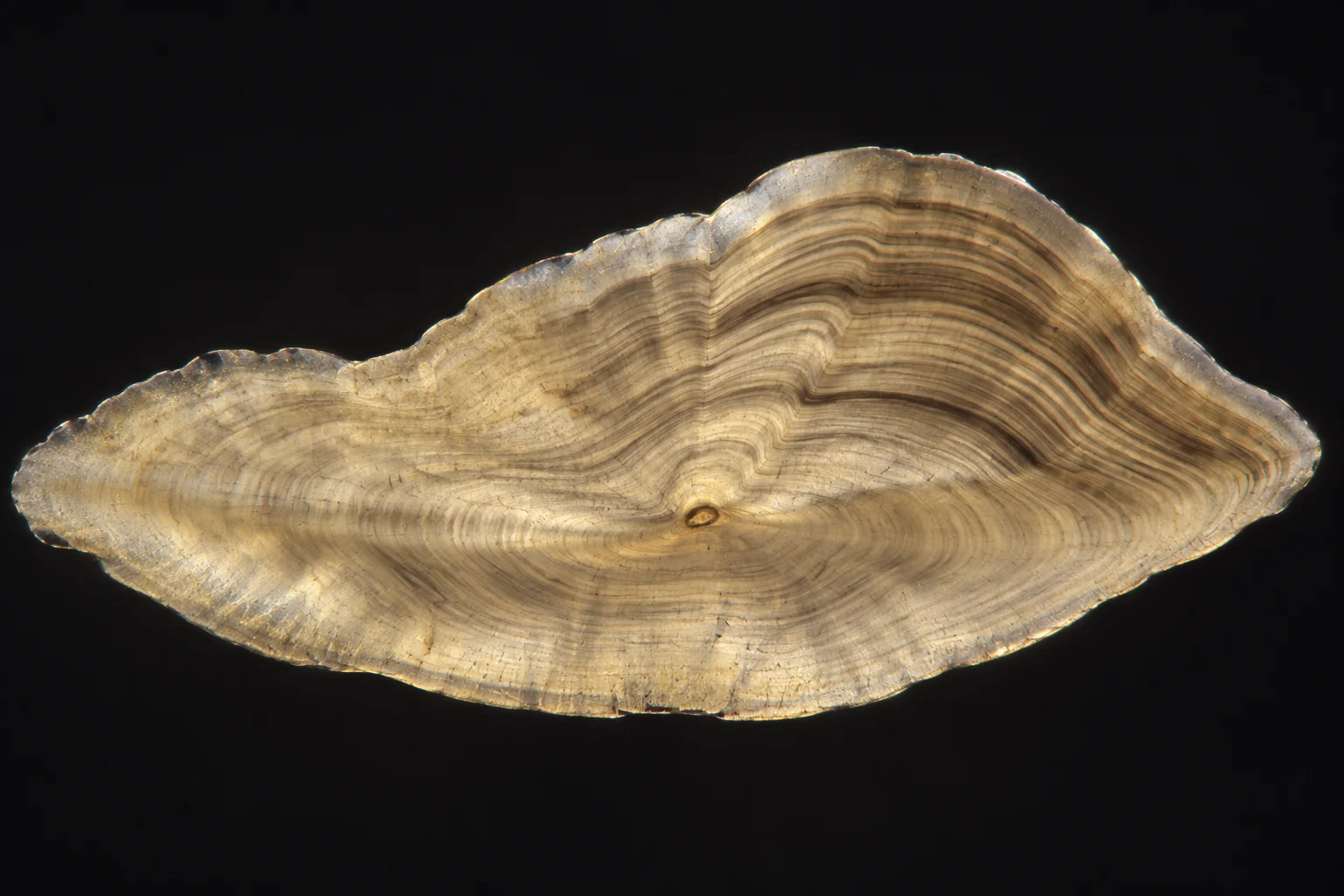
Pale, tapered otolith section showing unevenly spaced curved bands surrounding a small central region.
EDITOR’S PICK

How Do Ear Stones Reveal the Age of a Fish?

Two Arctic cod can fit the same ruler and still have different growth marks. A tiny stone in the inner ear keeps a record that length alone cannot provide.

Nov 21, 2026 • 5 min readRead the discovery →
LATEST

Latest discoveries

New stories, explanations and research from Animal Biology.

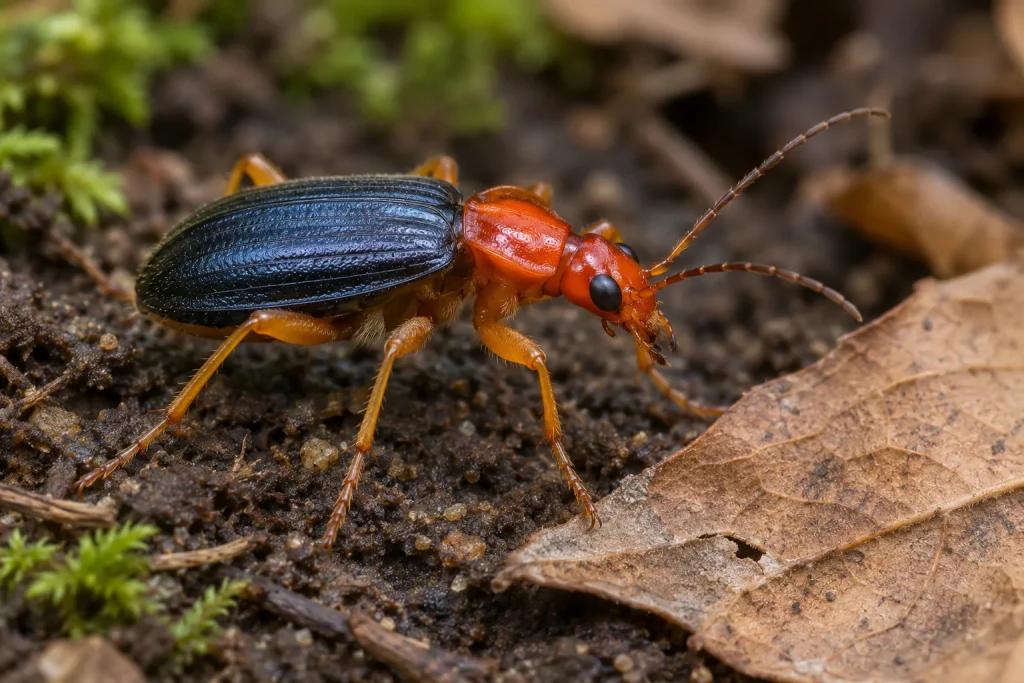
Orange-headed bombardier-type ground beetle with dark blue-black wing covers walking beside a dry leaf.
Animal Biology

How Do Bombardier Beetles Spray Hot Chemicals?

A bombardier beetle’s defence combines chemistry with specialised anatomy. Internal chambers and pressure-sensitive structures help produce a rapid hot spray.

Nov 17, 2026 • 6 min read
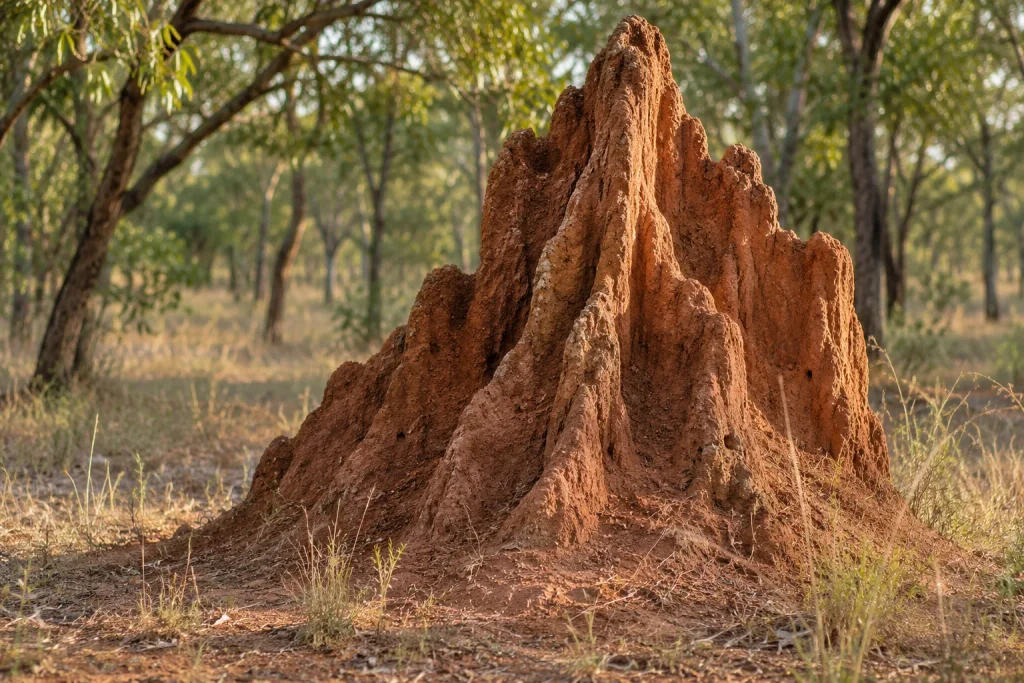
Tall reddish-brown termite mound with rough fluted ridges in a dry woodland clearing.
Animal Biology

How Do Termite Mounds Stay Ventilated?

A termite mound is more than a pile of protective soil. Its tunnels and porous walls can use changing environmental conditions to help a…

Nov 17, 2026 • 6 min read
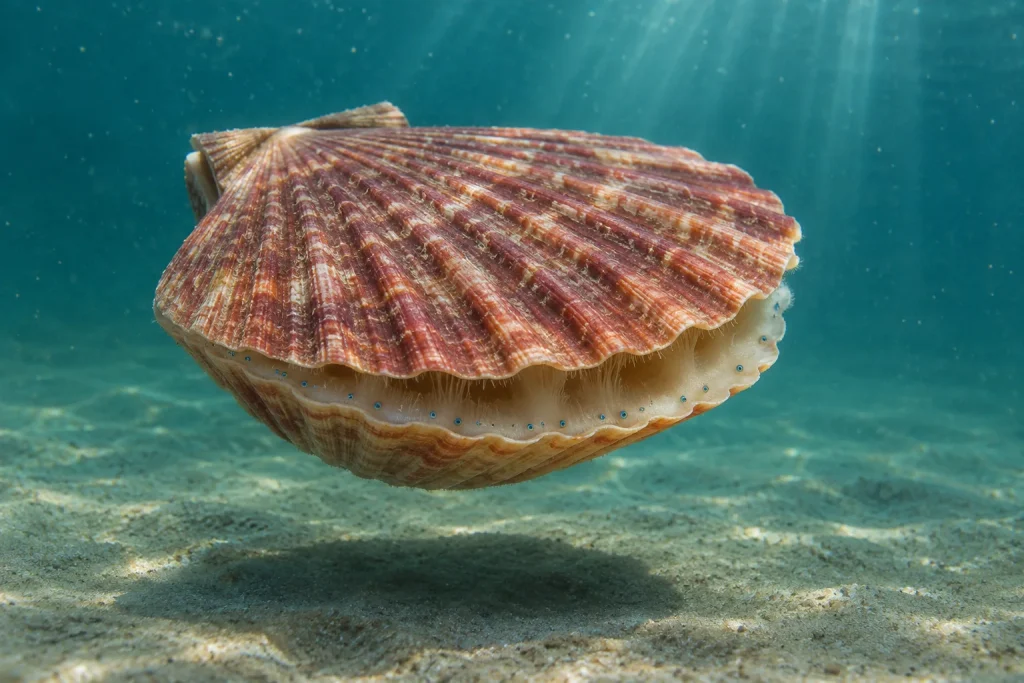
Fan-shaped scallop with slightly open shell valves and tiny blue mantle eyes hovering above a sandy seabed.
Animal Biology

How Do Scallops Swim?

A scallop can turn its shell into a pump. Rapid muscle contractions expel water, while an elastic hinge helps reset the shell for another…

Nov 15, 2026 • 6 min read
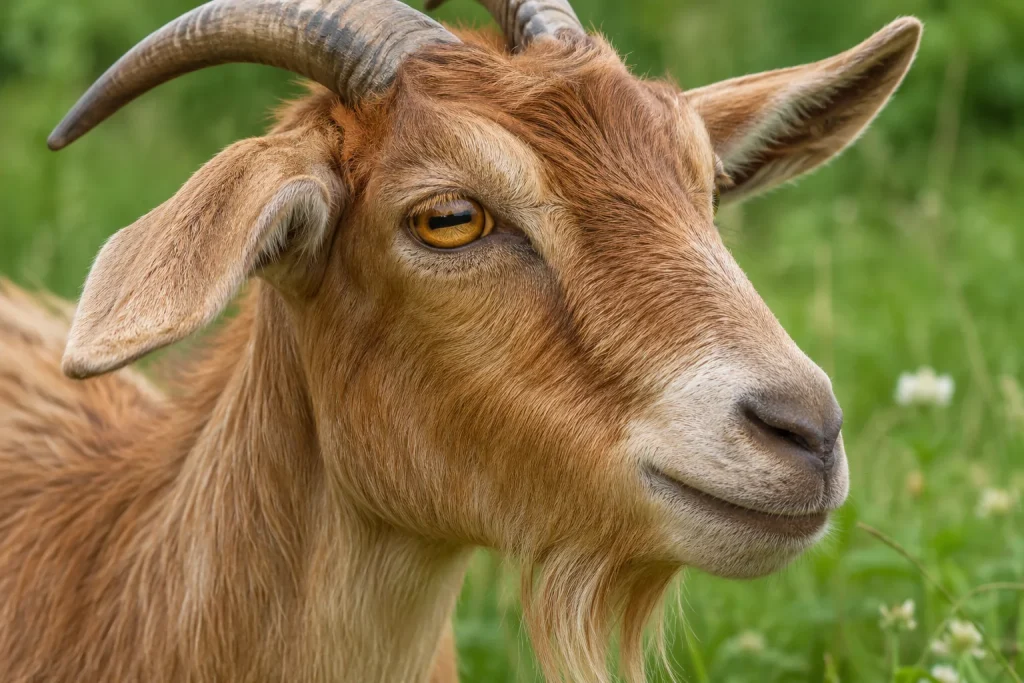
Close view of a tawny goat with an amber iris and a wide, horizontally elongated dark pupil.
Animal Biology

Why Do Goats Have Rectangular Pupils?

A goat’s horizontal pupils are part of a visual system suited to watching for danger while feeding. Their shape is only one piece of…

Nov 15, 2026 • 6 min read
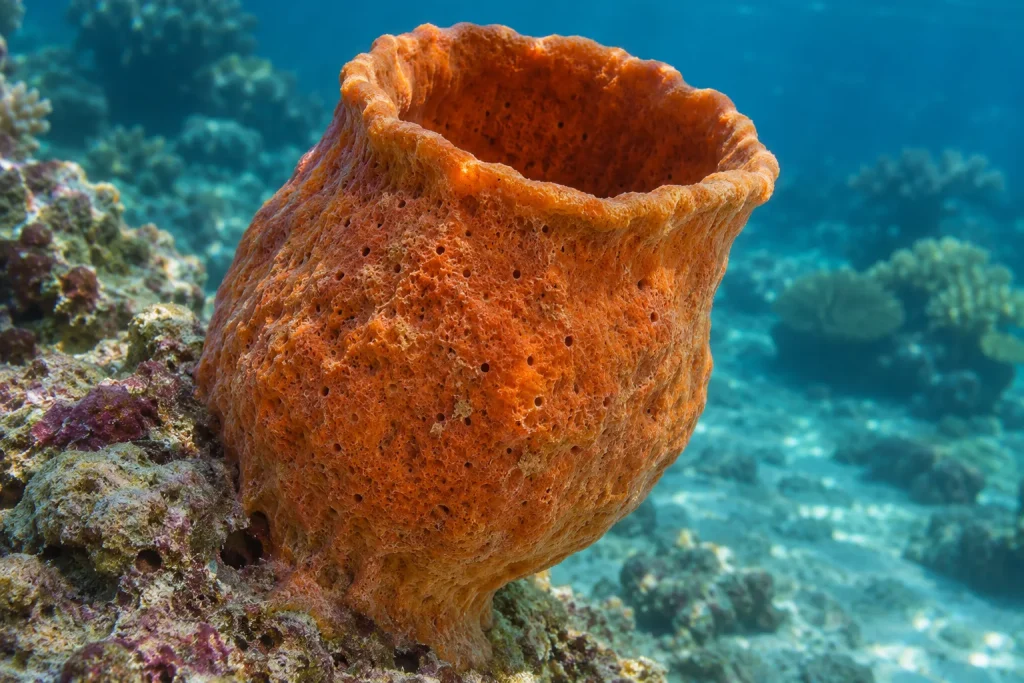
Orange-brown vase-shaped sea sponge attached to reef rock beneath clear blue water.
Animal Biology

How Do Sea Sponges Pump Water?

A sponge can remain fixed to a reef while continually moving water through itself. Its pumping machinery works at the scale of cells.

Nov 15, 2026 • 7 min read
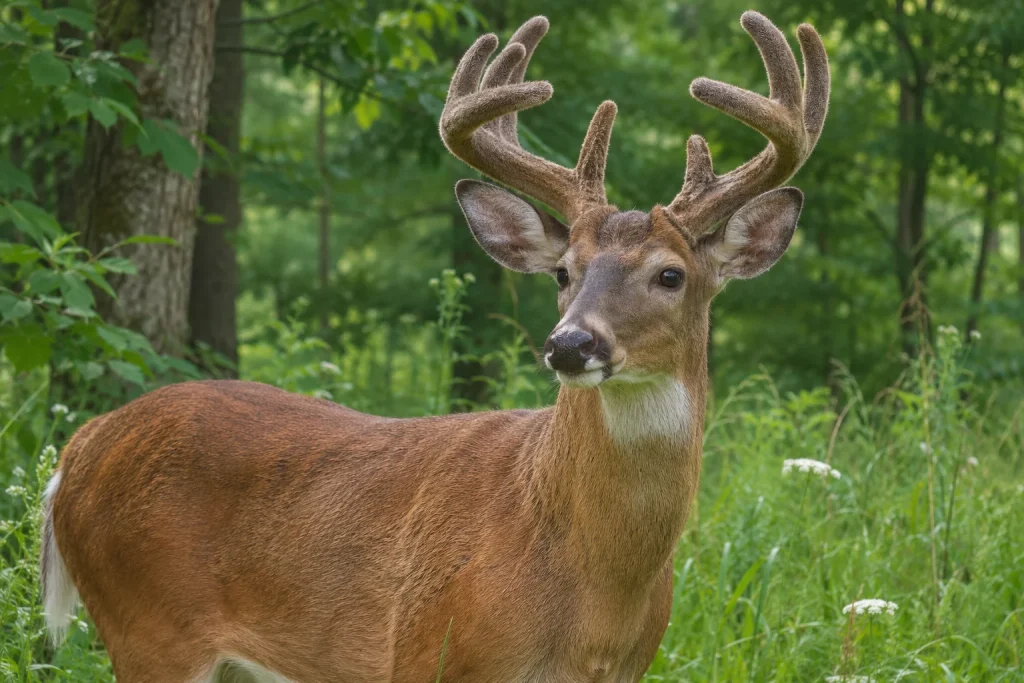
Illustration of a white-tailed buck in a summer woodland with soft velvet covering its branched antlers.
Animal Biology

Why Do Deer Shed and Regrow Their Antlers?

A deer’s antlers are not permanent horns. They are a seasonal structure built from living tissue, exposed as hard bone and eventually cast off…

Nov 14, 2026 • 7 min read
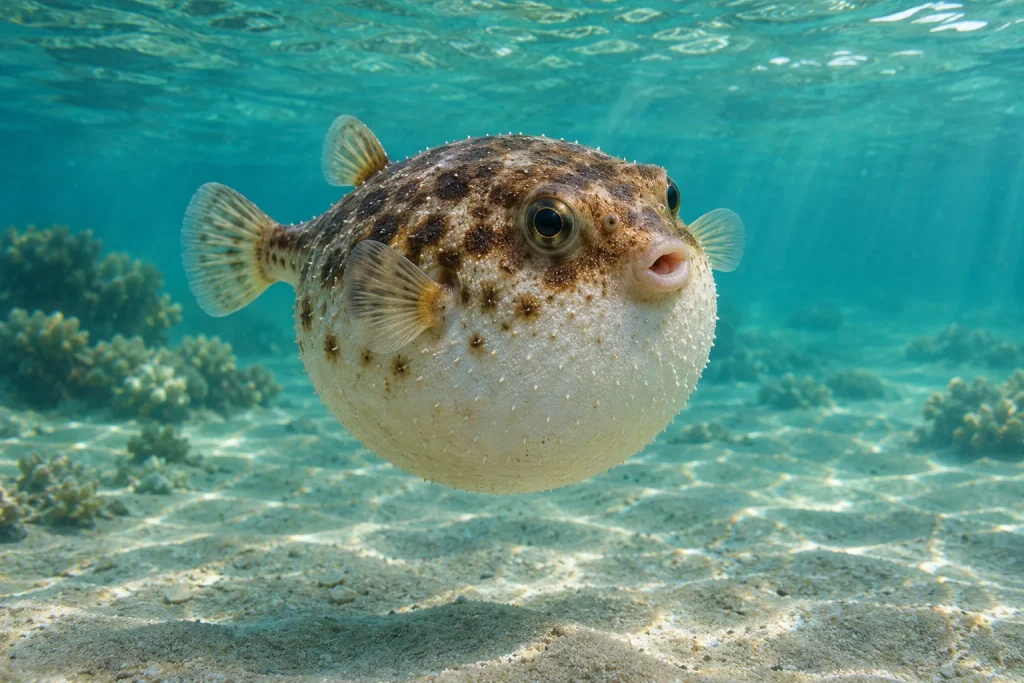
Rounded, inflated pufferfish with fine skin prickles swimming above a sandy tropical seafloor.
Animal Biology

How Do Pufferfish Inflate?

A pufferfish changes shape by moving water into its stomach. The transformation depends on a coordinated pump, specialized tissues and a surprisingly separate breathing…

Nov 14, 2026 • 6 min read
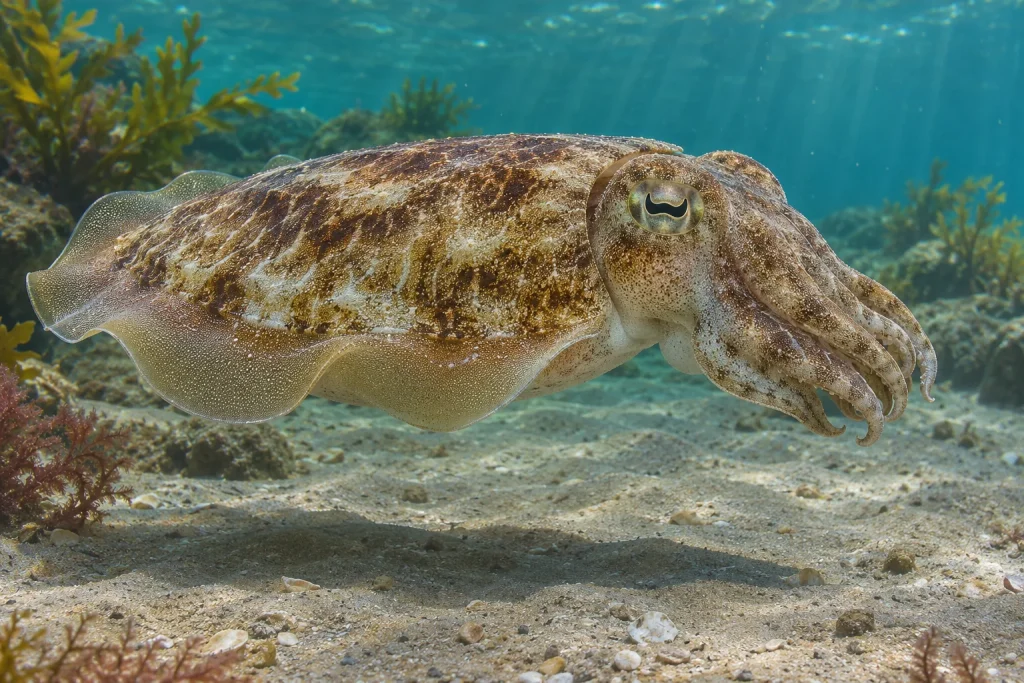
Mottled common cuttlefish hovering above a sandy seabed with its lateral fin extended.
Animal Biology

How Do Cuttlefish Control Their Buoyancy?

A lightweight internal shell helps a cuttlefish hover. Its buoyancy system changes the distribution of liquid while a rigid structure supports gas-filled space.

Nov 13, 2026 • 7 min read
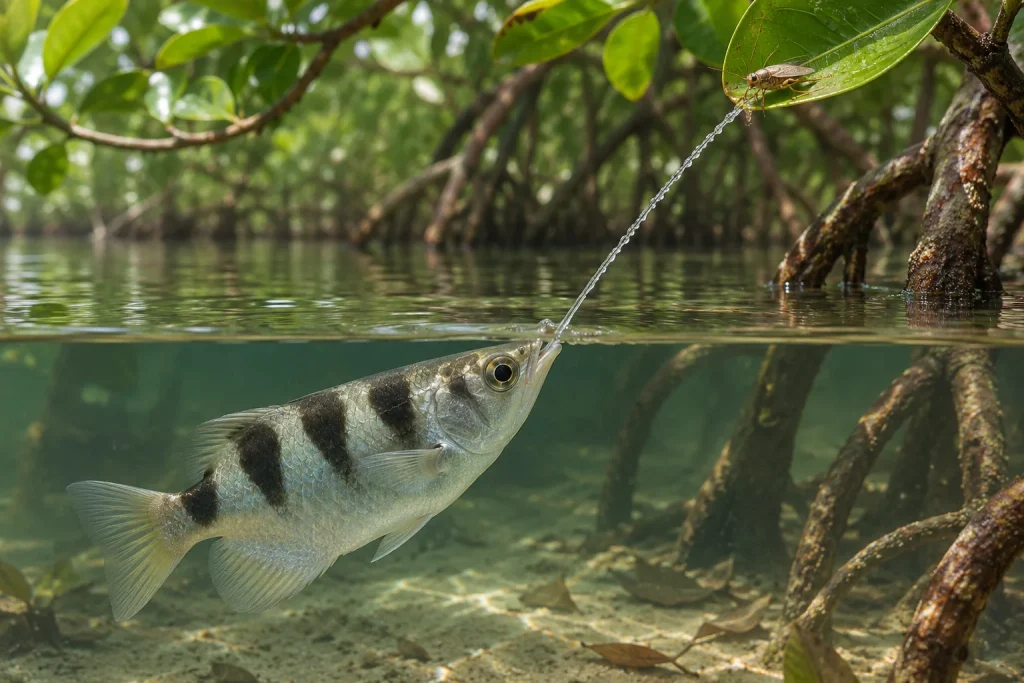
Silver archerfish at the surface of a mangrove pool sending a narrow water jet toward an insect on a leaf.
Animal Biology

How Do Archerfish Shoot Down Insects?

A fish’s accurate water jet links vision, fluid mechanics and rapid movement. Its hunting skill depends on when the water arrives as well as…

Nov 13, 2026 • 7 min read