
Animal Biology
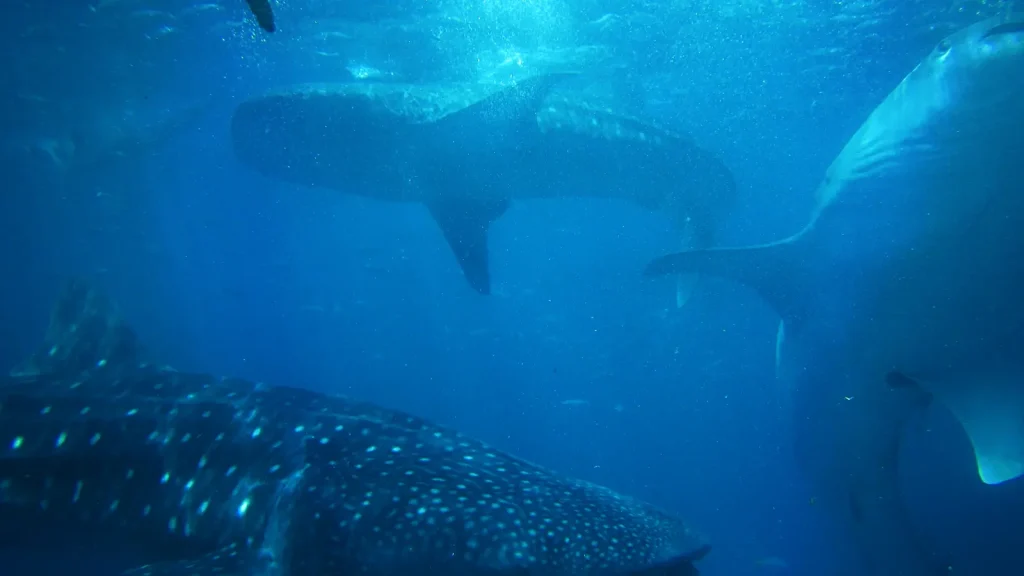
How Do Fish Breathe Underwater?
Most fish breathe by moving water across gills. Oxygen dissolved in water diffuses through thin gill surfaces into blood, while carbon dioxide diffuses out.…
Oct 4, 2026 • 3 min readExplore animal anatomy, physiology and life cycles, and the biological processes that connect structure, function and environment.
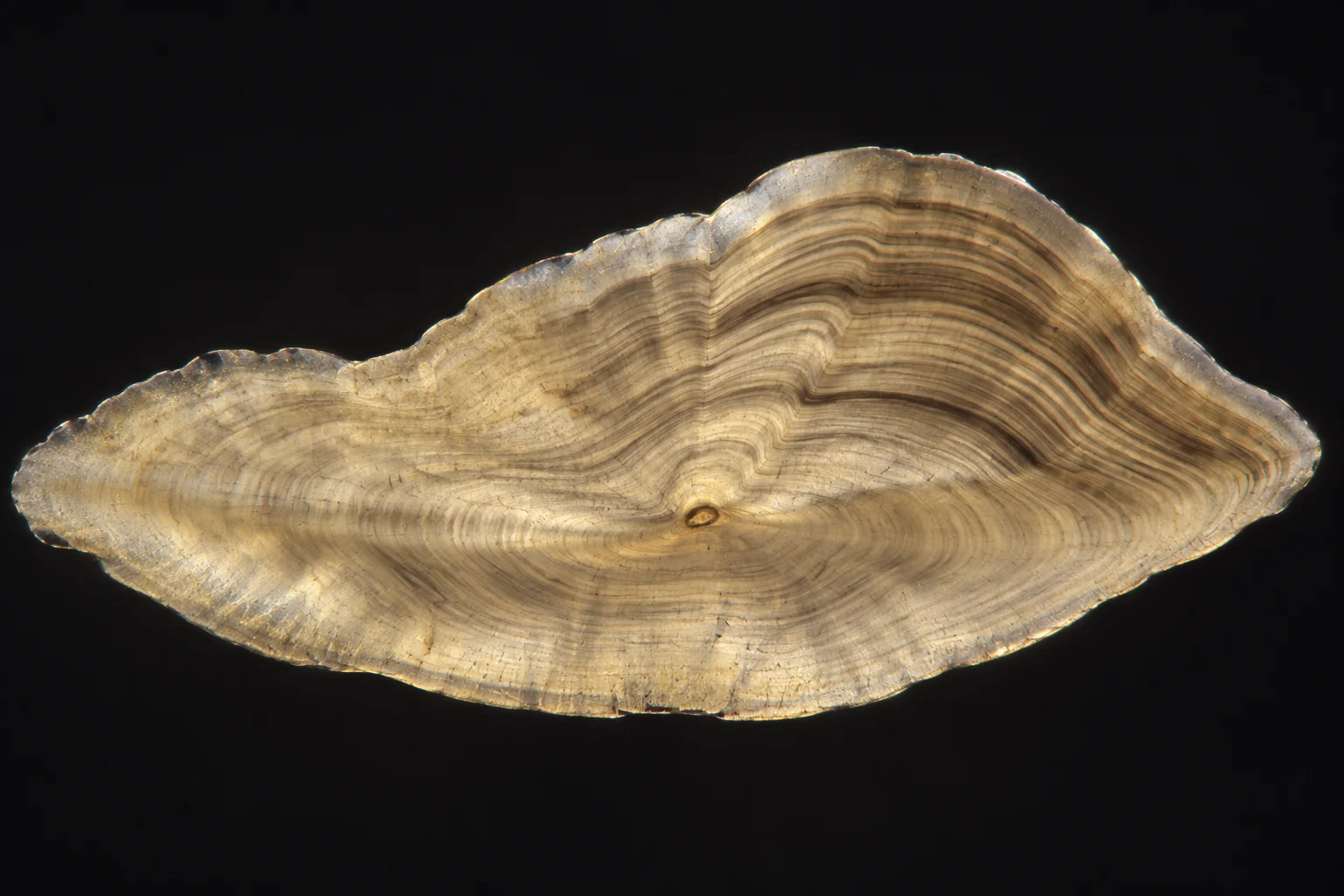
Two Arctic cod can fit the same ruler and still have different growth marks. A tiny stone in the inner ear keeps a record that length alone cannot provide.
Nov 21, 2026 • 5 min readRead the discovery →New stories, explanations and research from Animal Biology.
Most fish breathe by moving water across gills. Oxygen dissolved in water diffuses through thin gill surfaces into blood, while carbon dioxide diffuses out.…
Oct 4, 2026 • 3 min read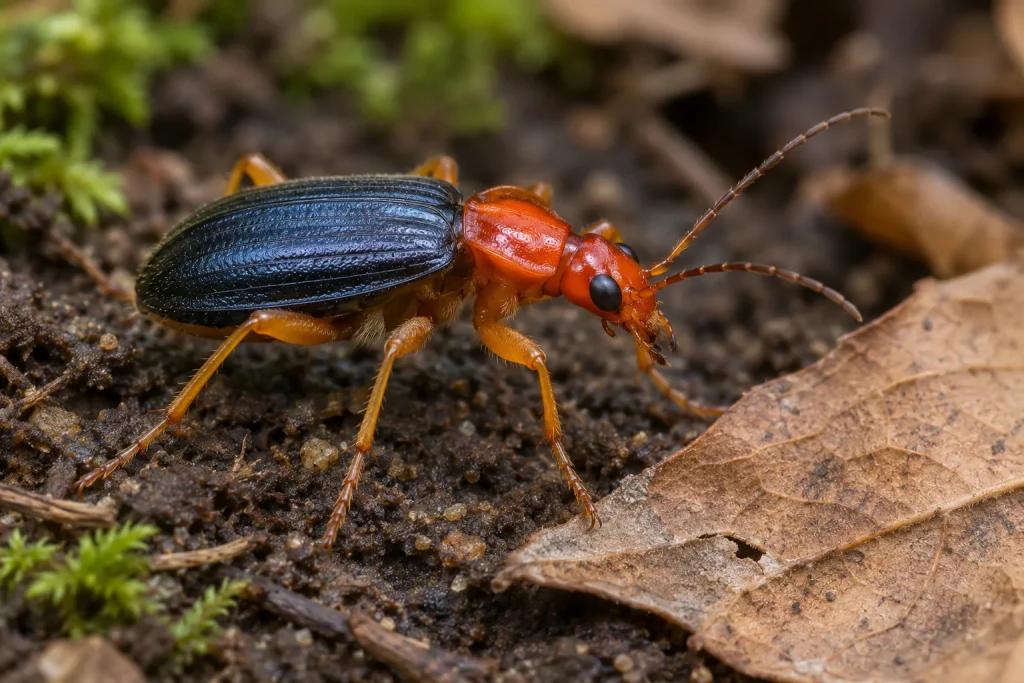
A bombardier beetle’s defence combines chemistry with specialised anatomy. Internal chambers and pressure-sensitive structures help produce a rapid hot spray.
Nov 17, 2026 • 6 min read
A termite mound is more than a pile of protective soil. Its tunnels and porous walls can use changing environmental conditions to help a…
Nov 17, 2026 • 6 min read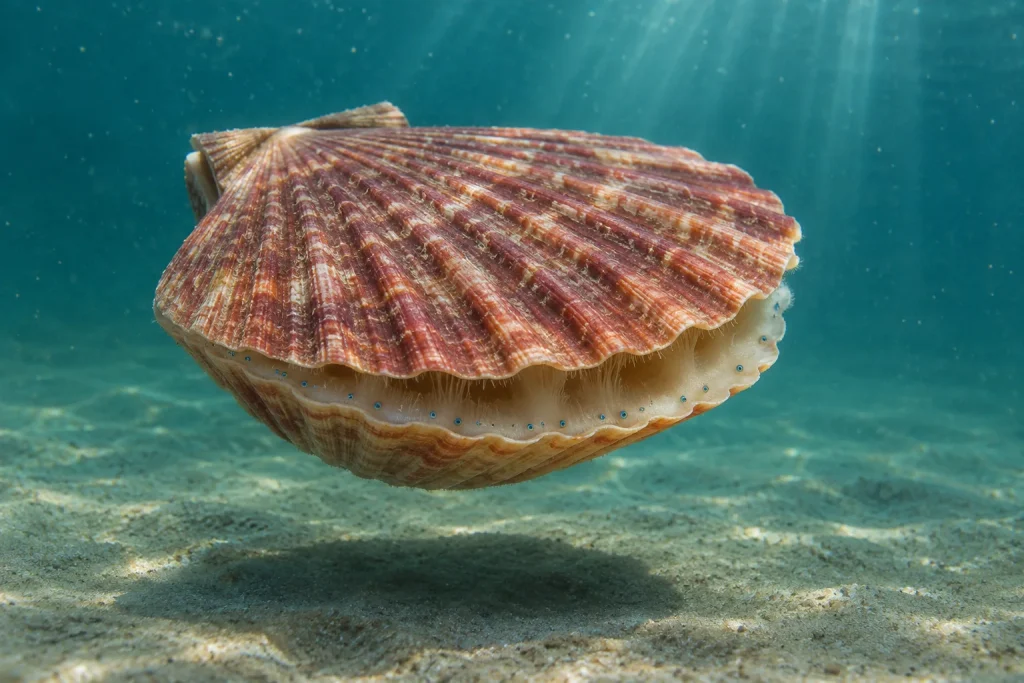
A scallop can turn its shell into a pump. Rapid muscle contractions expel water, while an elastic hinge helps reset the shell for another…
Nov 15, 2026 • 6 min read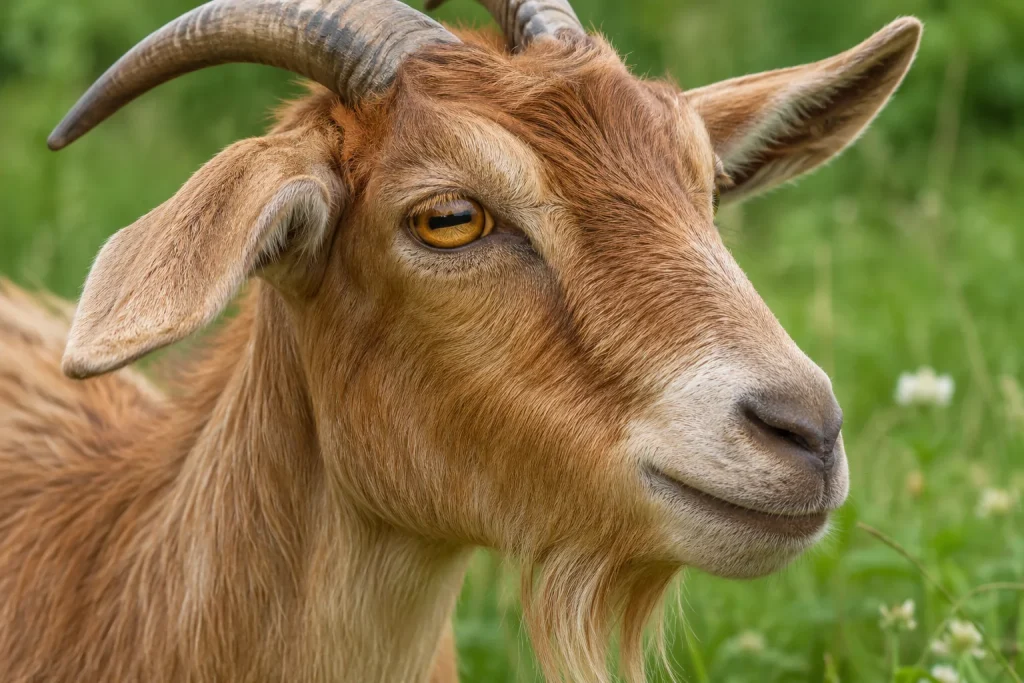
A goat’s horizontal pupils are part of a visual system suited to watching for danger while feeding. Their shape is only one piece of…
Nov 15, 2026 • 6 min readOne remarkable idea at a time—nature, science, history and beyond.