
Animal Biology
Why Do Ducks’ Feathers Repel Water?
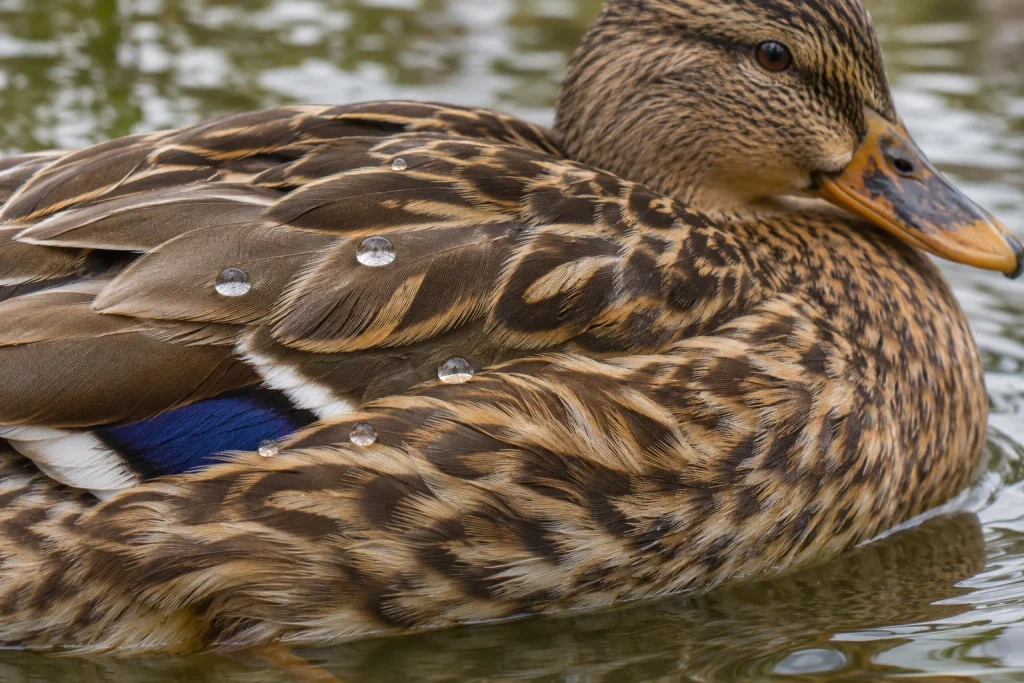
Water beads on a duck’s plumage because a living feather coat combines fine structure, surface chemistry and constant care. Preen oil is only part…
Nov 13, 2026 • 7 min readExplore animal anatomy, physiology and life cycles, and the biological processes that connect structure, function and environment.
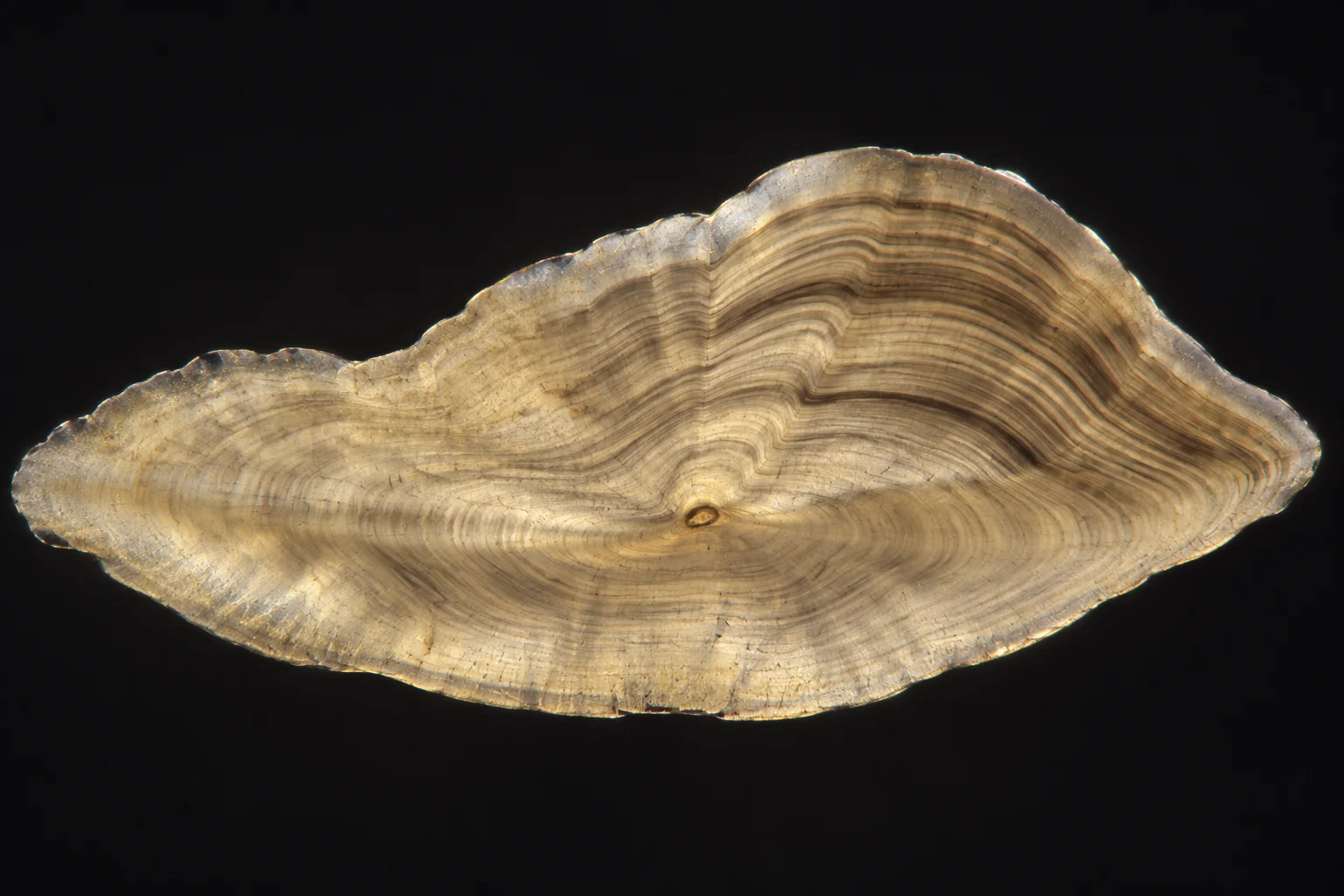
Two Arctic cod can fit the same ruler and still have different growth marks. A tiny stone in the inner ear keeps a record that length alone cannot provide.
Nov 21, 2026 • 5 min readRead the discovery →New stories, explanations and research from Animal Biology.
Water beads on a duck’s plumage because a living feather coat combines fine structure, surface chemistry and constant care. Preen oil is only part…
Nov 13, 2026 • 7 min read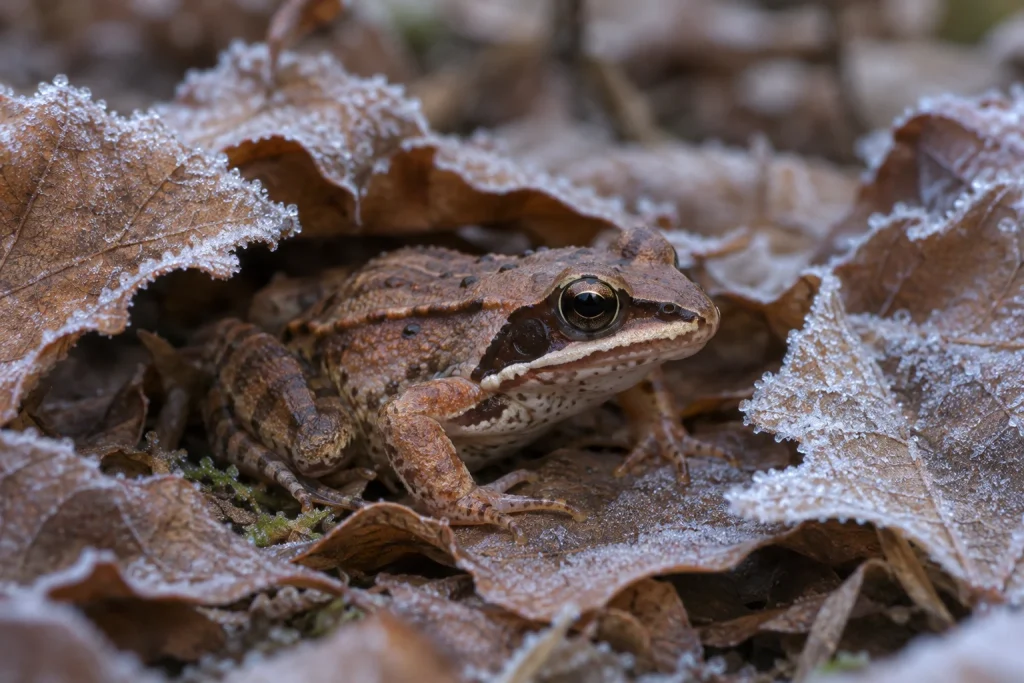
A frozen wood frog is not a dead animal returning to life. Its winter survival depends on keeping cells viable through an extraordinary physiological…
Nov 12, 2026 • 6 min read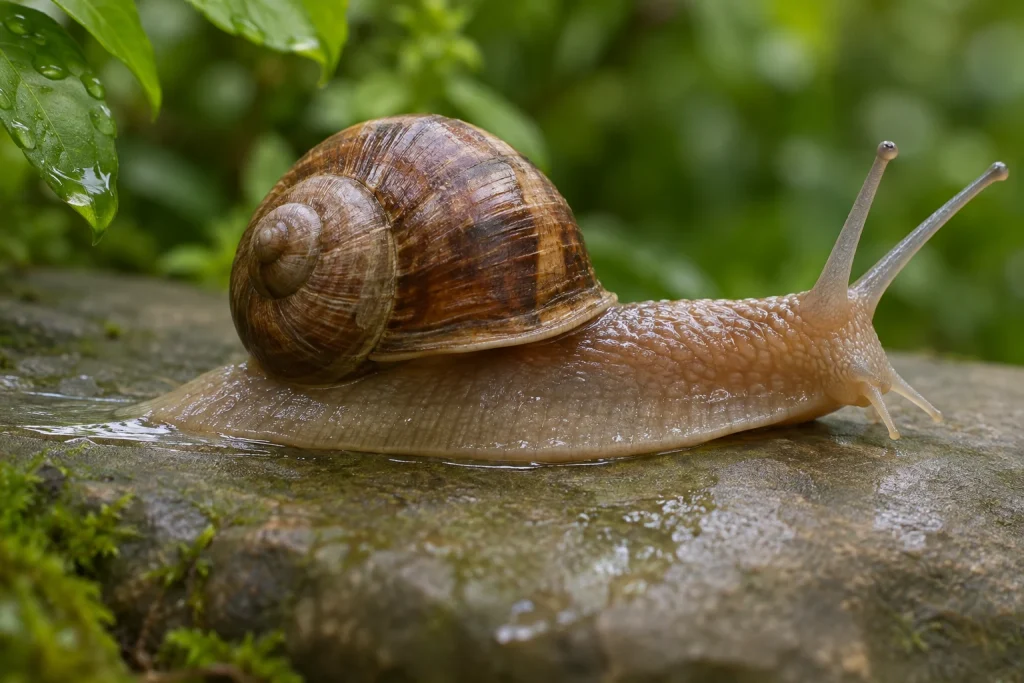
A land snail’s smooth glide hides coordinated muscle waves and a complex contact layer. Mucus is part of the propulsion system, not just a…
Nov 12, 2026 • 7 min read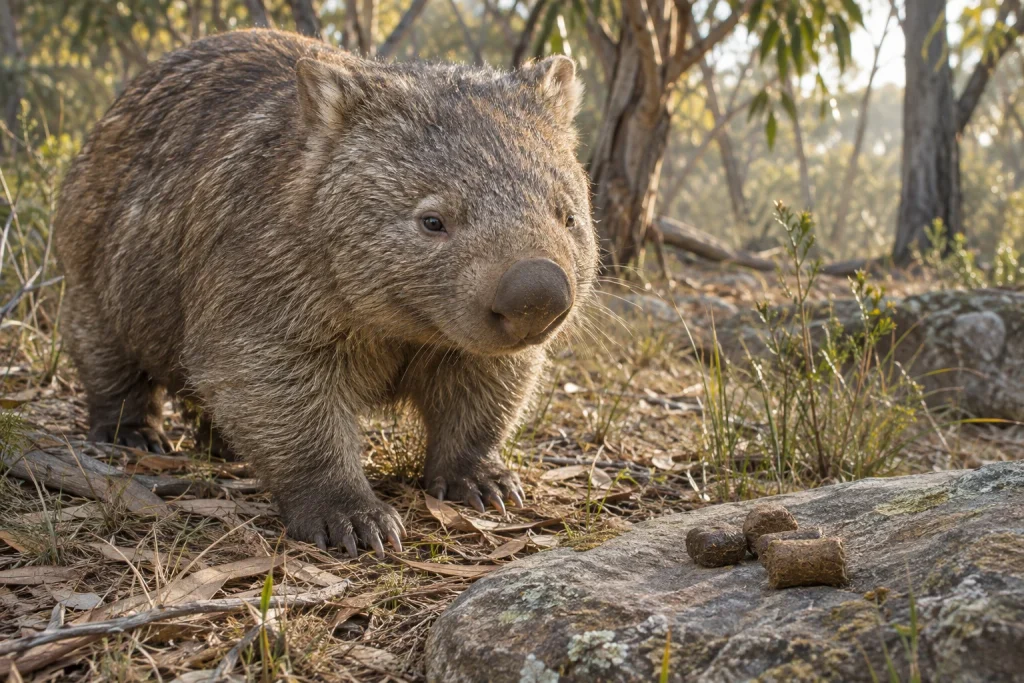
The cubes form inside a soft, rounded intestine. Researchers traced the surprising shape to differences in tissue mechanics and repeated contractions.
Nov 12, 2026 • 7 min read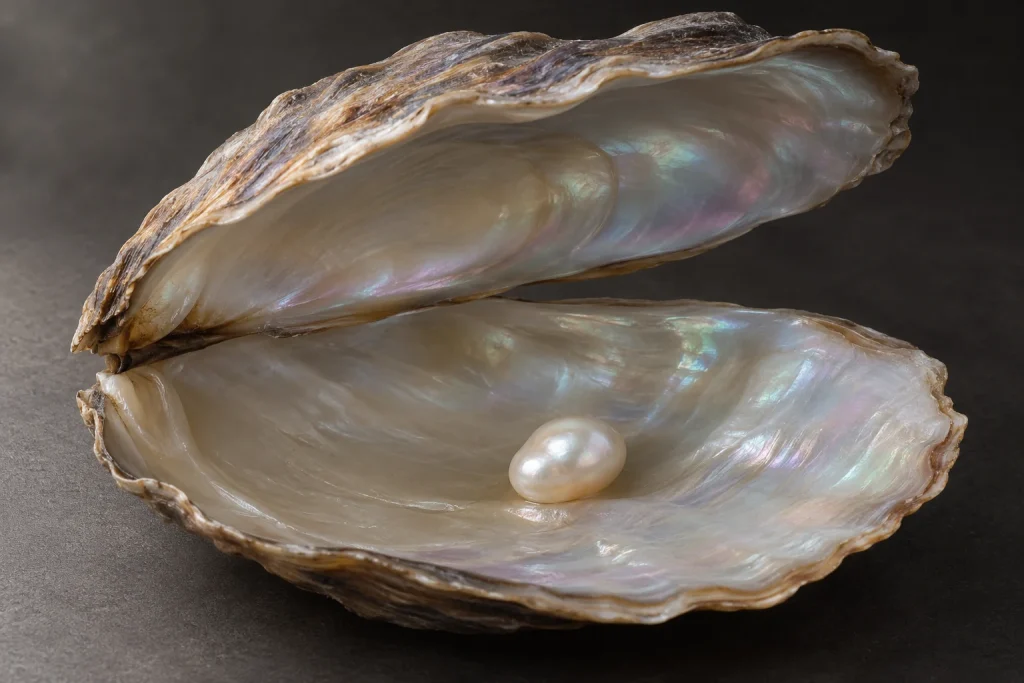
A pearl is a biological construction. Specialised cells organise mineral and organic material into a structure that records a history of growth.
Nov 12, 2026 • 6 min read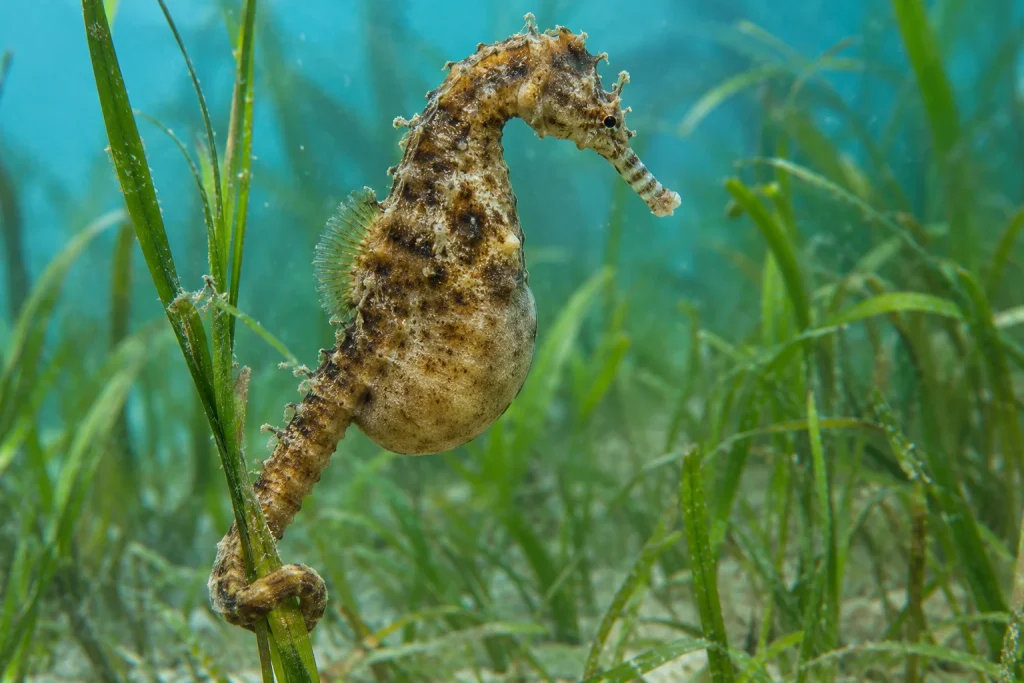
A seahorse father’s pouch is an active gestational organ. It protects developing young while helping provide the conditions and resources they need.
Nov 12, 2026 • 6 min read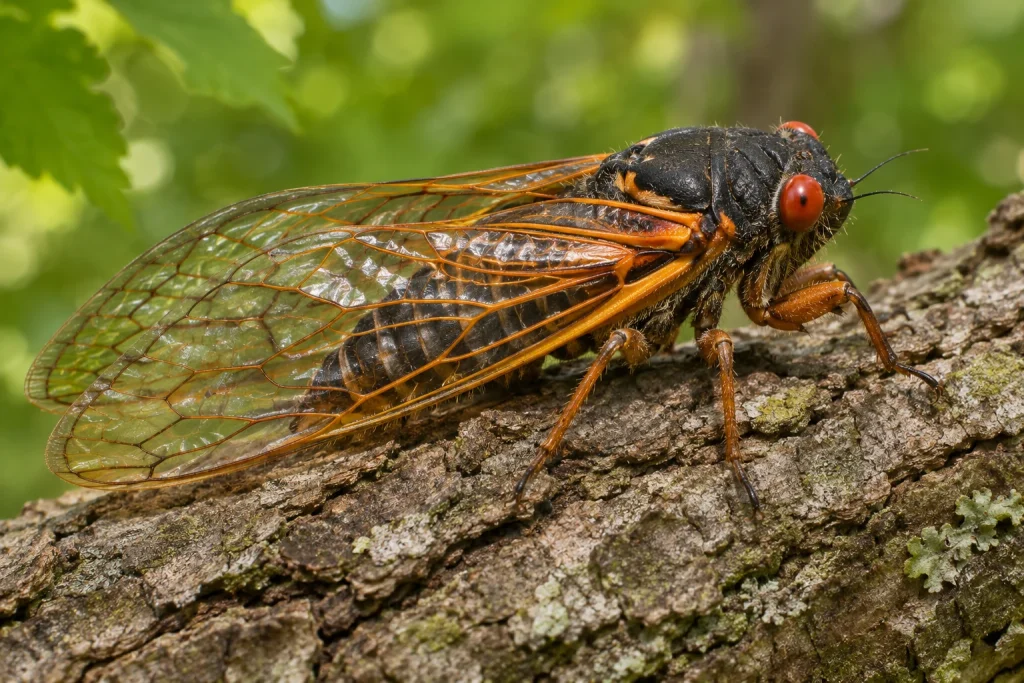
Inside a cicada’s loud summer call: buckling membranes, body resonance, rapid pulses and a signalling system that goes beyond one continuous buzz.
Nov 8, 2026 • 8 min read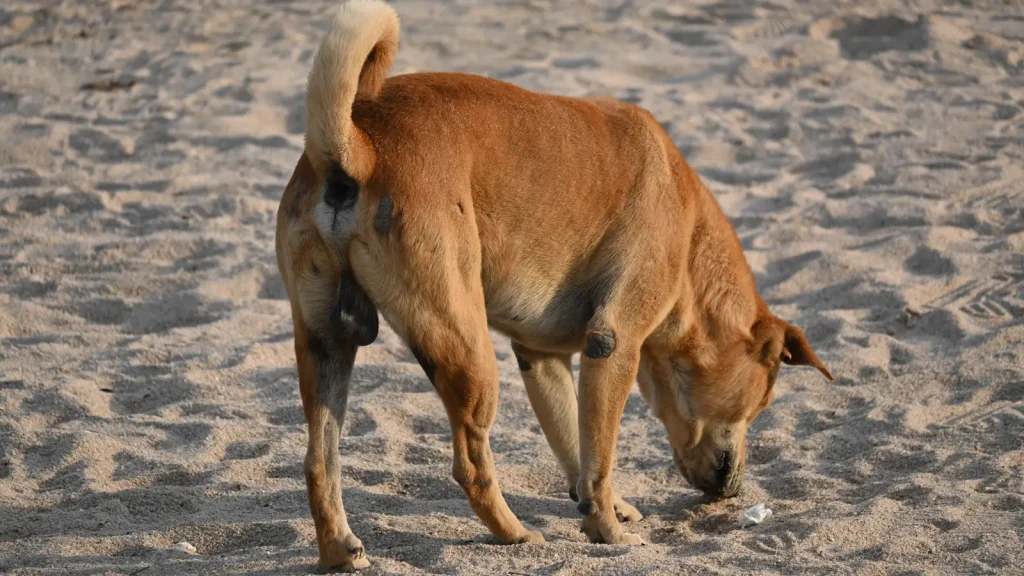
Dogs smell so well because their noses capture and analyze odour molecules with remarkable efficiency. Sniffing directs pulses of air into a large folded…
Oct 10, 2026 • 3 min read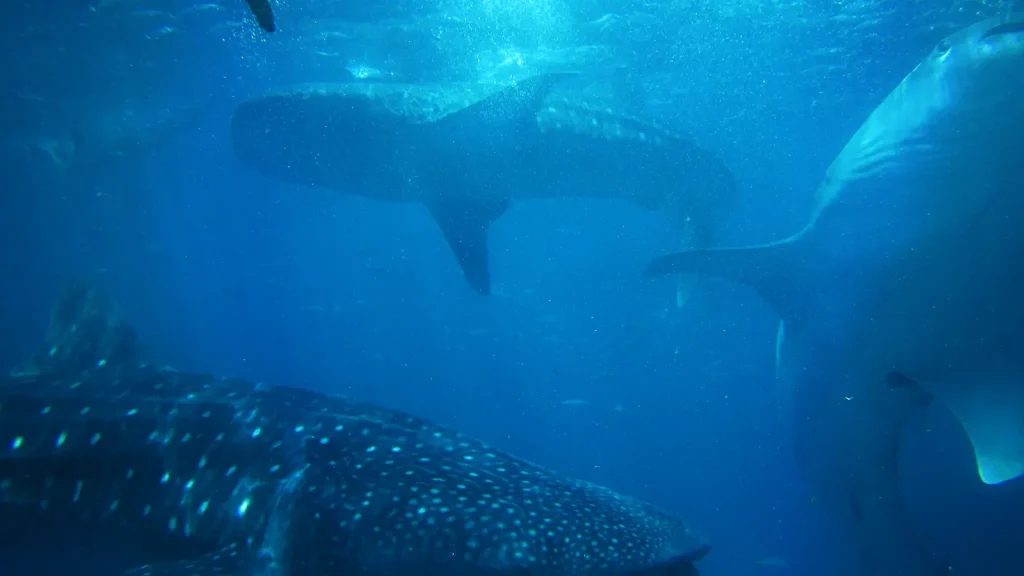
Sharks and rays detect weak electric fields with ampullae of Lorenzini: clusters of sensory cells connected to seawater by gel-filled canals and skin pores,…
Oct 6, 2026 • 3 min read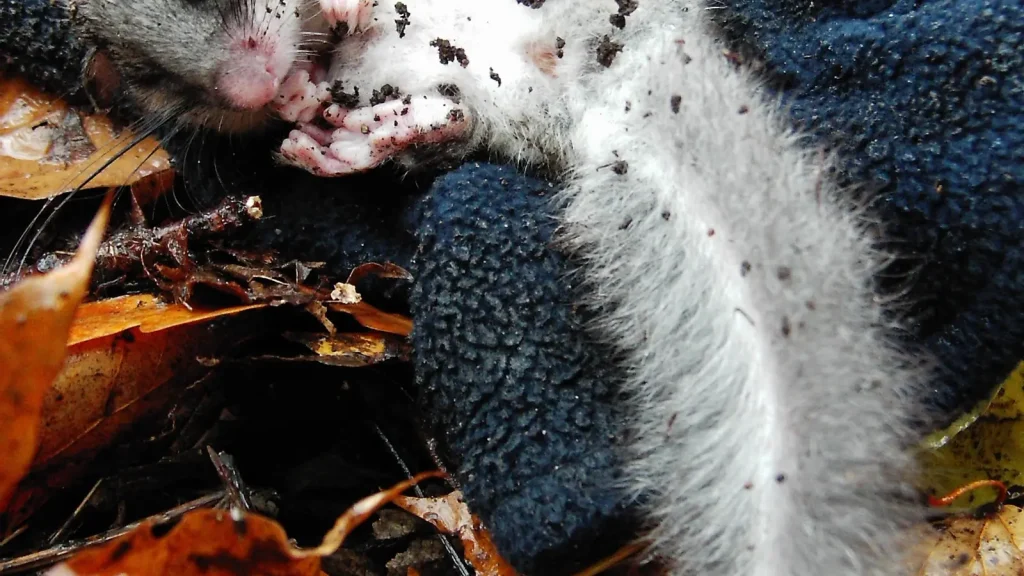
Animals hibernate to conserve energy during predictable cold or food scarcity. Hormonal and nervous-system changes lower metabolism, and many small hibernators allow body temperature,…
Oct 6, 2026 • 3 min read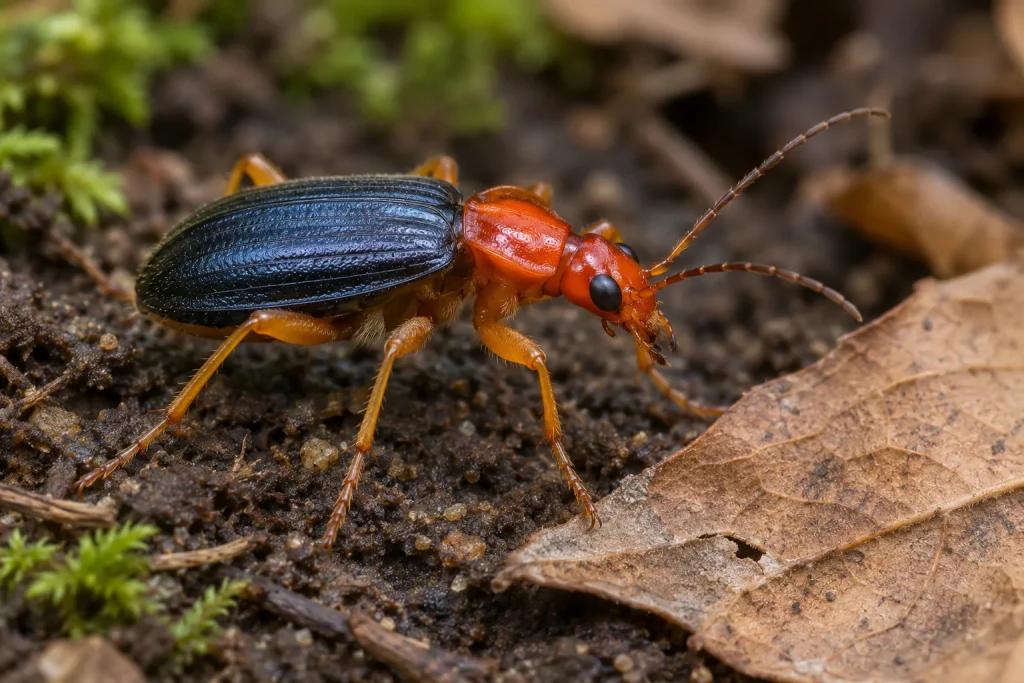
A bombardier beetle’s defence combines chemistry with specialised anatomy. Internal chambers and pressure-sensitive structures help produce a rapid hot spray.
Nov 17, 2026 • 6 min read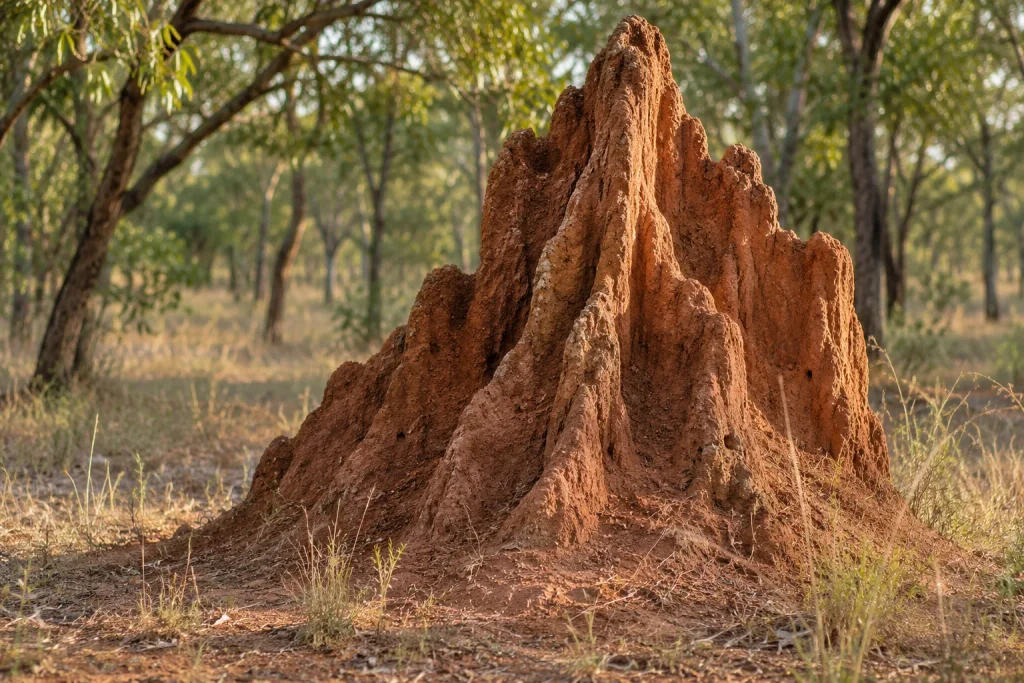
A termite mound is more than a pile of protective soil. Its tunnels and porous walls can use changing environmental conditions to help a…
Nov 17, 2026 • 6 min read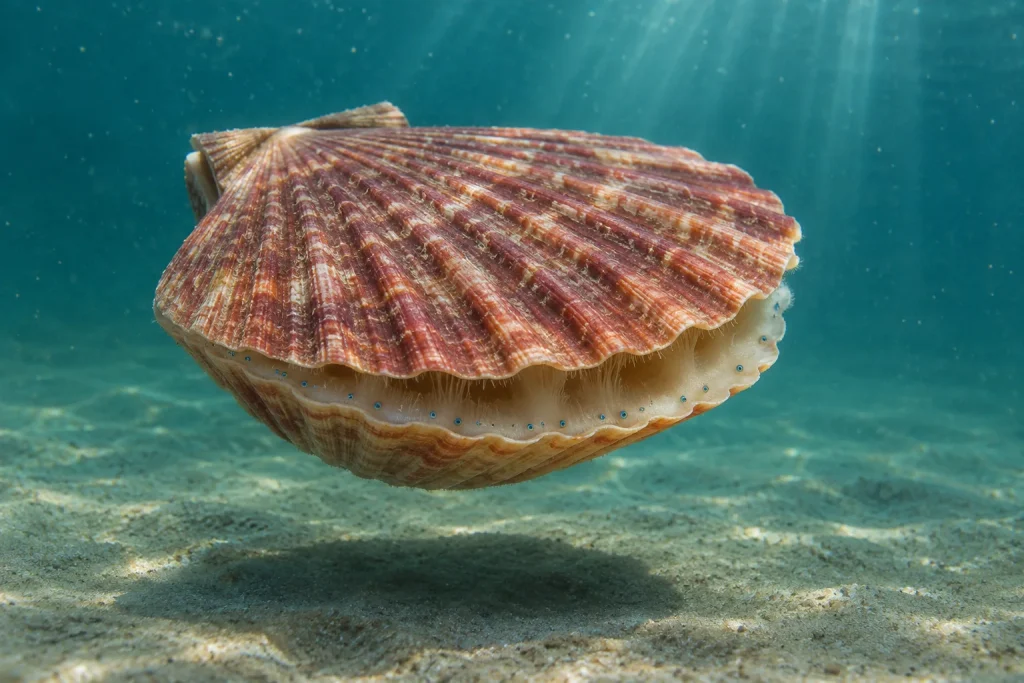
A scallop can turn its shell into a pump. Rapid muscle contractions expel water, while an elastic hinge helps reset the shell for another…
Nov 15, 2026 • 6 min read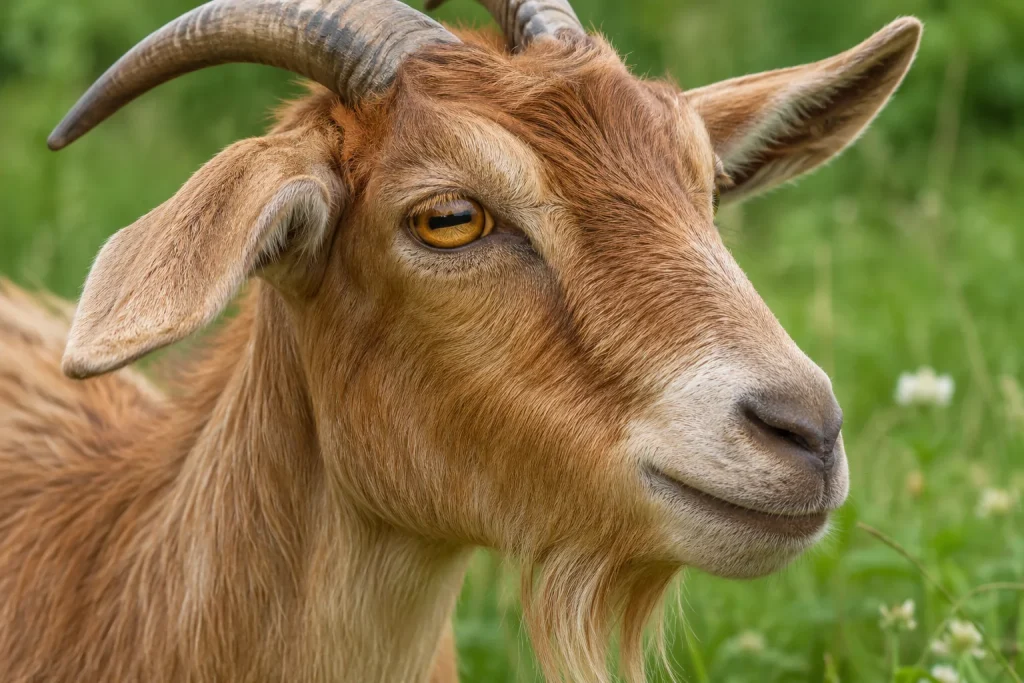
A goat’s horizontal pupils are part of a visual system suited to watching for danger while feeding. Their shape is only one piece of…
Nov 15, 2026 • 6 min readOne remarkable idea at a time—nature, science, history and beyond.