Seasonal metabolic suppression lets animals survive when food is scarce and heat is costly
The short answer
Hibernation is not ordinary sleep stretched across winter. It is a regulated state with profound changes in energy use, temperature control, circulation, breathing and waste management. Some species remain torpid for days or weeks before briefly rewarming; others maintain a shallower dormancy.
Energy shortage is the challenge
Maintaining warmth is expensive when temperatures fall, while foods disappear. Reducing metabolism makes stored energy last for months.
Those distinctions support accurate comparisons and useful follow-up questions.
Preparation begins before winter
Many hibernators eat heavily and deposit fat. Seasonal light, temperature, food and internal clocks coordinate entry and timing.
Metabolism can fall dramatically
Cells consume less fuel and organs operate slowly. Suppression ranges from modest in bears to more than ninety percent in some rodents.
Temperature strategies differ
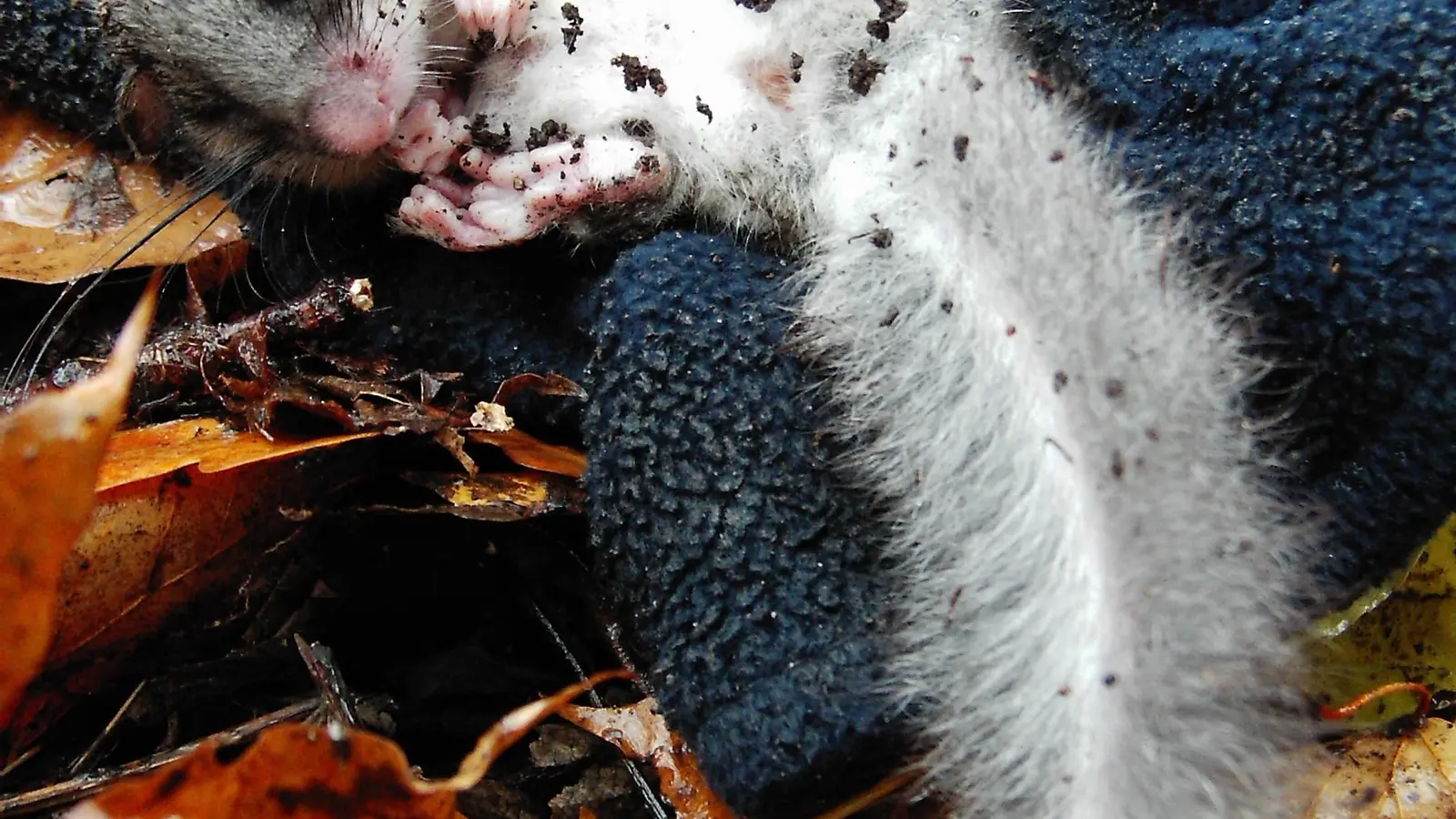
Ground squirrels and dormice may cool near burrow temperature. Bears cool moderately but still achieve major metabolic savings.
Heart and breathing slow
Long pauses can separate breaths in deep torpor, and heart rate drops. Regulation preserves enough oxygen delivery for low demand.
Brown fat powers rewarming
Many small mammals activate brown adipose tissue, whose mitochondria release energy as heat. Shivering then completes rewarming.
Torpor includes arousals
Small hibernators periodically rewarm for hours despite the energy cost. Possible functions include sleep, immunity and cellular maintenance.
Fat supplies water and energy
Oxidizing fat releases metabolic water. Bears can pass winter without eating or drinking and limit muscle loss and waste.
Shelters buffer conditions
Dens and burrows reduce wind, temperature swings and predators. Disturbance can force costly arousal and exhaust reserves.
Daily torpor is different
Some animals enter torpor for hours, while seasonal hibernation has prolonged or repeated bouts. Estivation addresses heat or drought.
Common misconceptions
Hibernators are not simply asleep and do not necessarily remain unconscious all winter. Bears qualify as hibernators even though they stay warmer than rodents. Waking an animal is not a gentle rescue; disturbance can consume energy needed until spring.
How scientists know
Biologists implant temperature and heart-rate loggers, measure oxygen use, track mass and sample metabolites. Controlled studies alter temperature and photoperiod, while cameras and telemetry reveal den timing without repeated disturbance.
Do they sleep continuously?
No. Many small mammals have repeated torpor separated by brief rewarming.
Are bears true hibernators?
Yes, although their temperature falls less than in small mammals.
How do they avoid starvation?
Stored fat fuels a greatly suppressed metabolism.
Do birds hibernate?
The common poorwill uses extended torpor; many birds use daily torpor.
Should one be moved?
Avoid disturbance and contact wildlife professionals when danger exists.
Key takeaways
- Hibernation matches low energy use to scarcity.
- Torpor changes metabolism, breathing and heart rate.
- Species use shallow and deep strategies.
- Disturbance wastes critical reserves.
Continue exploring
- How tardigrades survive extremes
- How animals navigate magnetically
Sources and further reading
Keep exploring.
One remarkable idea at a time—nature, science, history and beyond.
Last updated October 29, 2026.

Barnakle Editorial Team
Barnakle Editorial Team is the collective byline used for Barnakle’s editorial articles. The contributor profile explains the team identity and links to the publication’s editorial policies.
More from the editorial team →