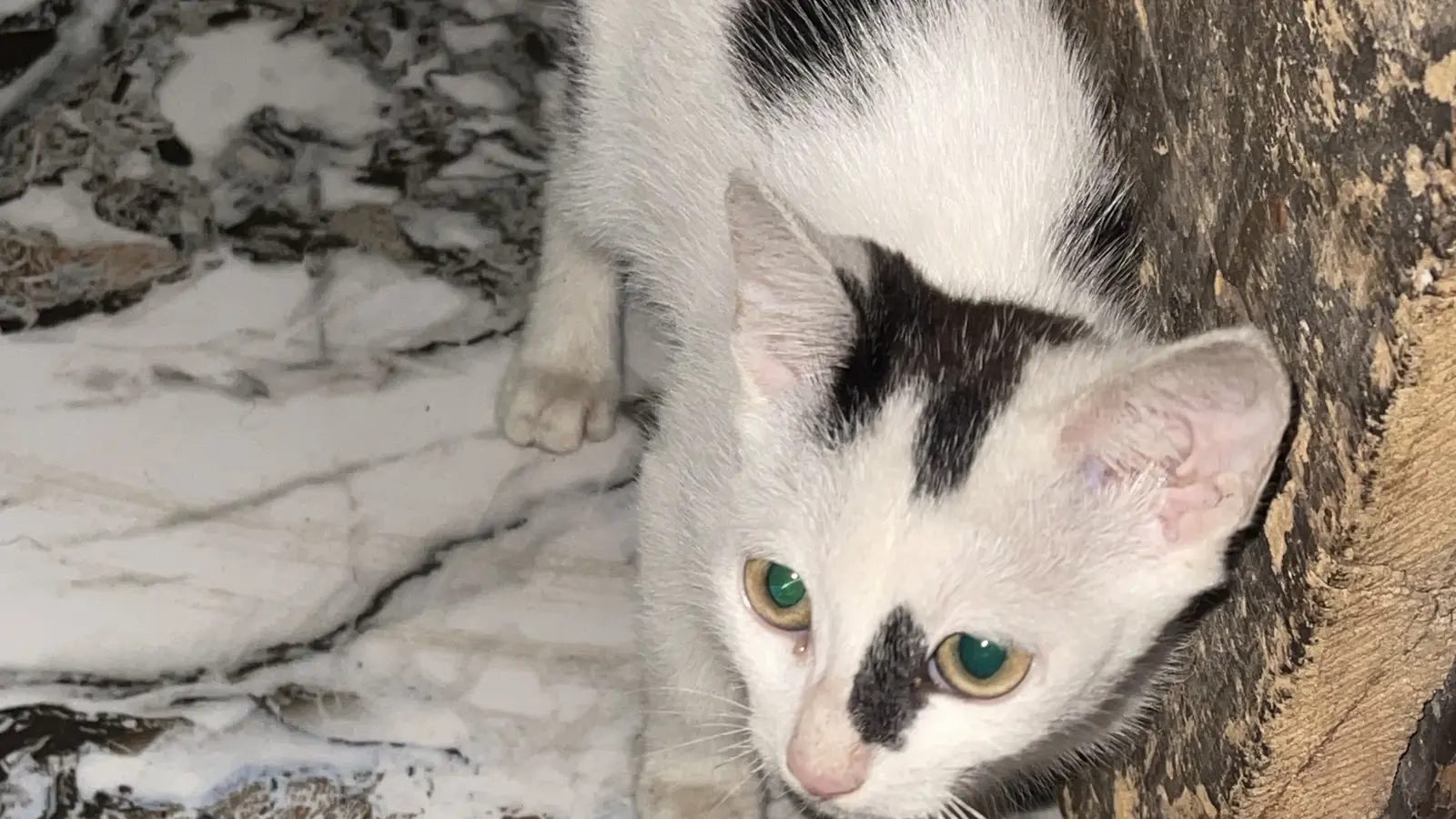
A rapid righting reflex rotates the flexible body without a push against the air
The short answer
High-speed images make the motion look impossible: a cat begins upside down with little obvious rotation and turns before landing. The explanation is not a hidden push or a magical tail. It is a timed sequence of bending, twisting and changing rotational inertia.
The inner ear detects orientation
Vestibular organs sense gravity, acceleration and head movement. Vision and touch add information so the nervous system can estimate which direction is down.
Those distinctions support accurate comparisons and useful follow-up questions.
The head usually turns first
The cat orients its head and forequarters. Its spine bends so front and rear portions can rotate with partial independence instead of acting as one rigid cylinder.
Leg position changes inertia
Pulling front legs inward lets the forebody turn readily while extending rear legs makes the hindquarters resist. Reversing the positions completes the manoeuvre.
Angular momentum is conserved
A cat cannot create net angular momentum from nothing. Opposite rotations of body sections and changing inertia alter orientation while their total remains consistent.
The tail is not essential
A tail assists balance and fine control, but tailless cats can perform the core righting sequence through spine and limb movements.
Kittens develop the reflex
Righting appears as vestibular processing, vision, muscle control and coordination mature. Very young kittens cannot execute the complete sequence reliably.
Falling time matters
A cat needs time to sense orientation and move. Very short falls can end before completion, while great heights still create severe impact risk.
Spread limbs increase drag
After turning, a cat may spread its limbs and flatten its body. This increases drag, and a low mass-to-area ratio limits terminal speed compared with larger bodies.
Flexed legs absorb some impact
Joints and muscles dissipate part of the landing energy. These protections have limits and cannot prevent fractures or internal trauma.
High-rise syndrome is not safety
Veterinary reports describe characteristic injuries after building falls. Clinic statistics are affected by which animals survive to treatment and never make falls safe.
Common misconceptions
Cats do not always land safely, do not need a tail to right themselves and do not violate physics. The reflex changes orientation; it cannot remove the energy gained while falling or guarantee that paws, joints and organs tolerate impact.
How scientists know
Sequential photography, high-speed video, motion tracking and mechanical models reconstruct the manoeuvre. Veterinary case series document injuries, while developmental and vestibular studies explain how sensory information becomes coordinated action.
Do cats always land feet-first?
No. Short falls, awkward starts, illness, age and obstacles can prevent it.
Can a tailless cat do it?
Yes; the spine and limbs perform the essential rotation.
Why bend in the middle?
Spinal flexion lets front and rear sections change inertia and rotate differently.
Are higher falls safe?
No height should be considered safe; serious injury remains possible.
What after a fall?
Seek veterinary advice promptly because internal injury may be hidden.
Key takeaways
- The inner ear and vision identify down.
- A flexible spine separates body rotations.
- Limb position changes rotational inertia.
- Righting does not make falls safe.
Continue exploring
Sources and further reading
Keep exploring.
One remarkable idea at a time—nature, science, history and beyond.
Last updated October 27, 2026.

Barnakle Editorial Team
Barnakle Editorial Team is the collective byline used for Barnakle’s editorial articles. The contributor profile explains the team identity and links to the publication’s editorial policies.
More from the editorial team →