
Why Does Oobleck Turn Hard When You Hit It?
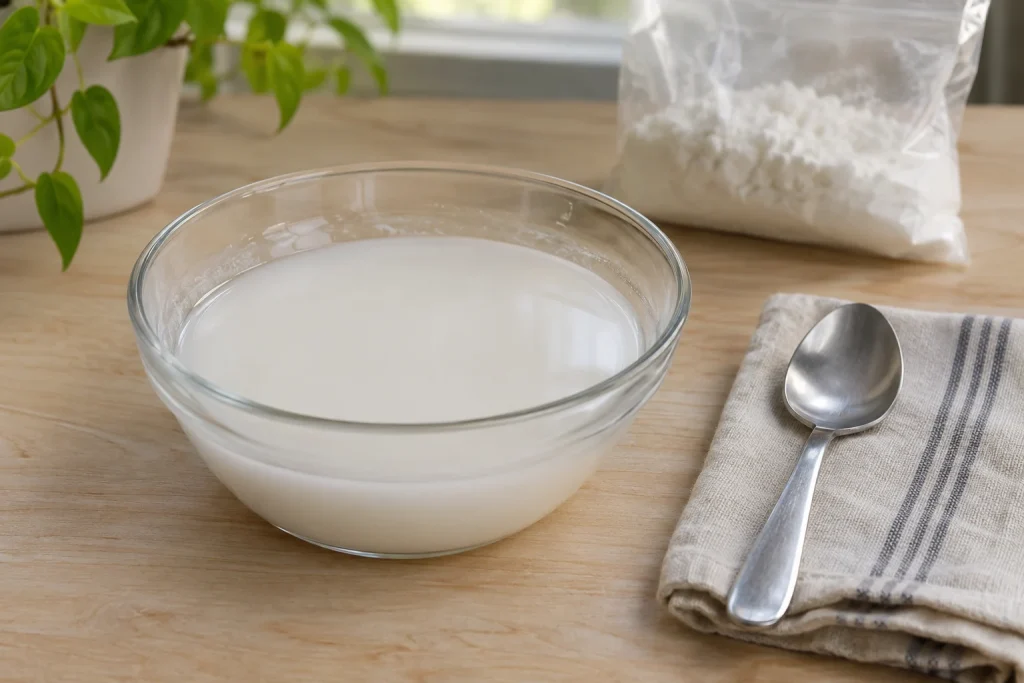
A cornstarch-and-water mixture can flow slowly yet resist a sudden impact. The difference comes from particle interactions, not the water freezing.
How Do Oysters Make Pearls?
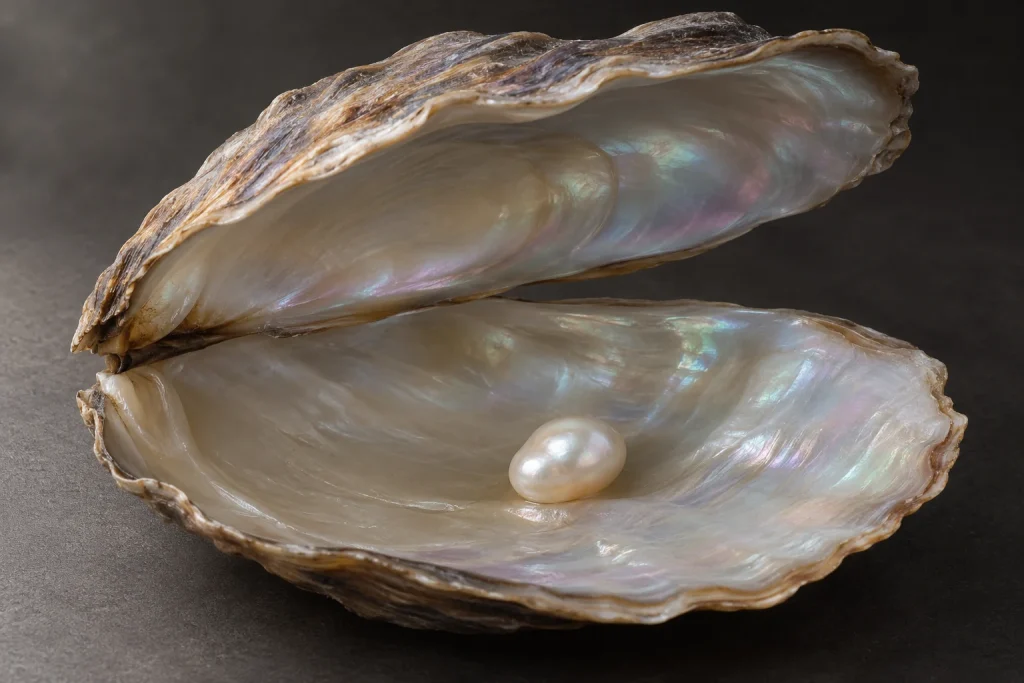
A pearl is a biological construction. Specialised cells organise mineral and organic material into a structure that records a history of growth.
How Do Insects Become Trapped in Amber?
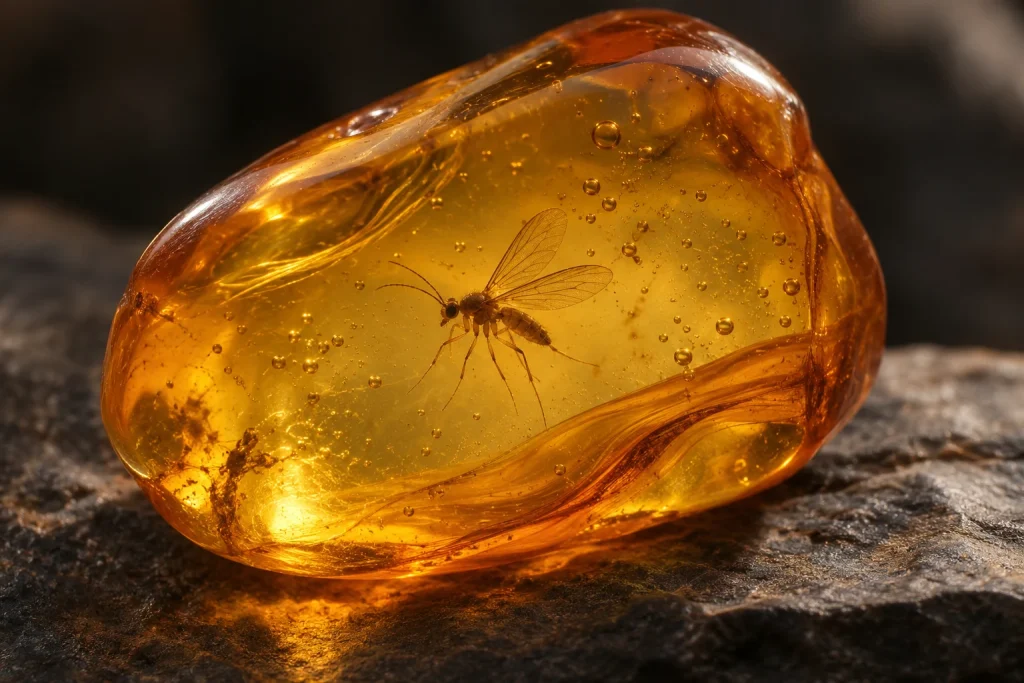
An insect in amber records an encounter with sticky tree resin, followed by a much longer history of burial, chemical change and preservation.
Why Do Violins Have F-Shaped Holes?
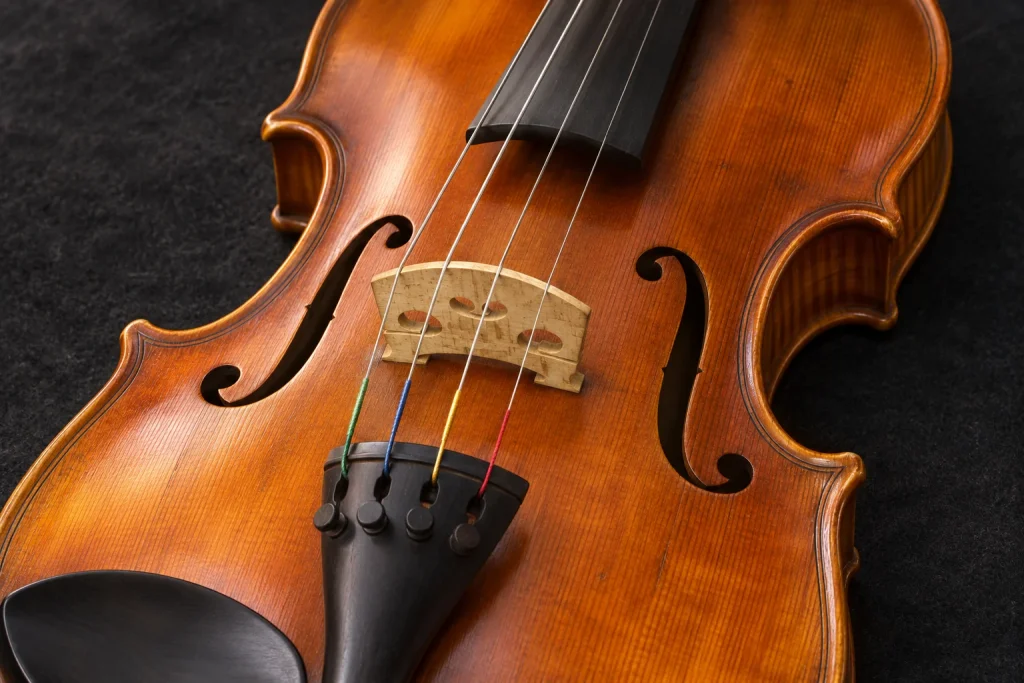
The curved openings are part of a coupled vibrating instrument. Their shape affects how the cavity and wooden body interact with the surrounding air.
Why Do Brazil Nuts Rise to the Top?
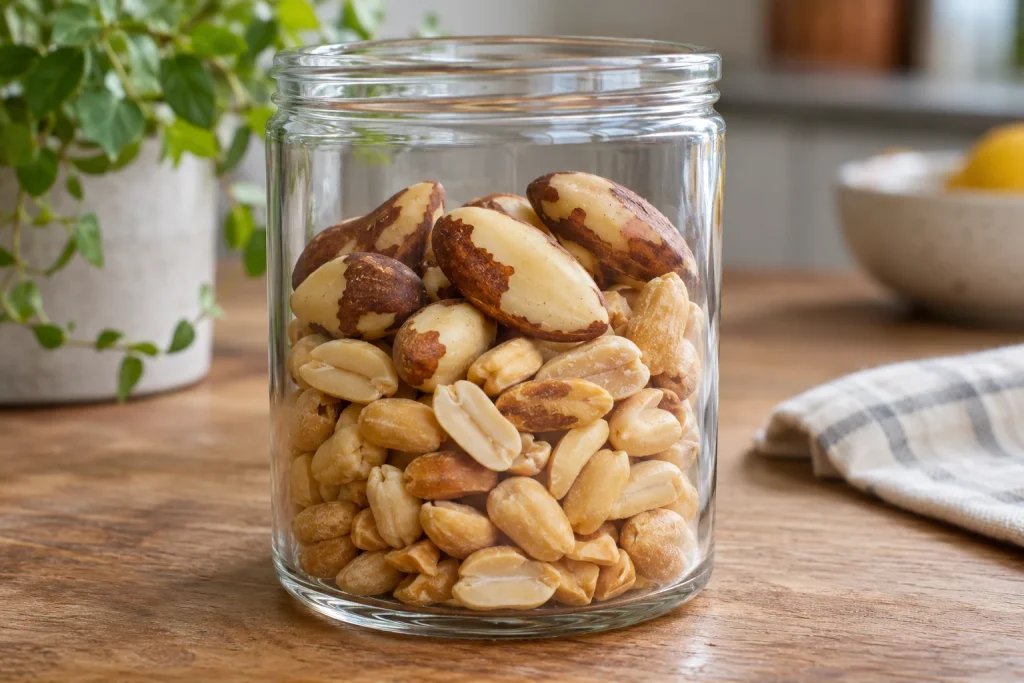
Shaking a mixture does not always make it more uniform. In granular materials, movement can separate large and small pieces instead.
How Do Heat Pipes Move Heat?
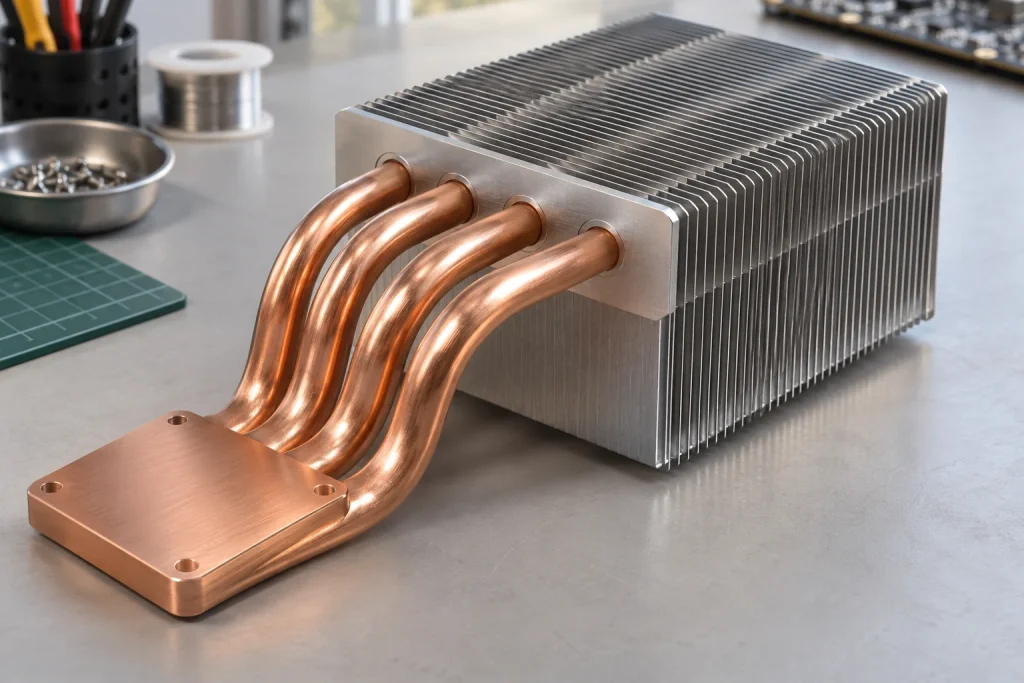
A heat pipe may look like solid copper, but its sealed interior uses a repeating liquid–vapour cycle to carry thermal energy between locations.
Why Does the Moon Look Bigger Near the Horizon?
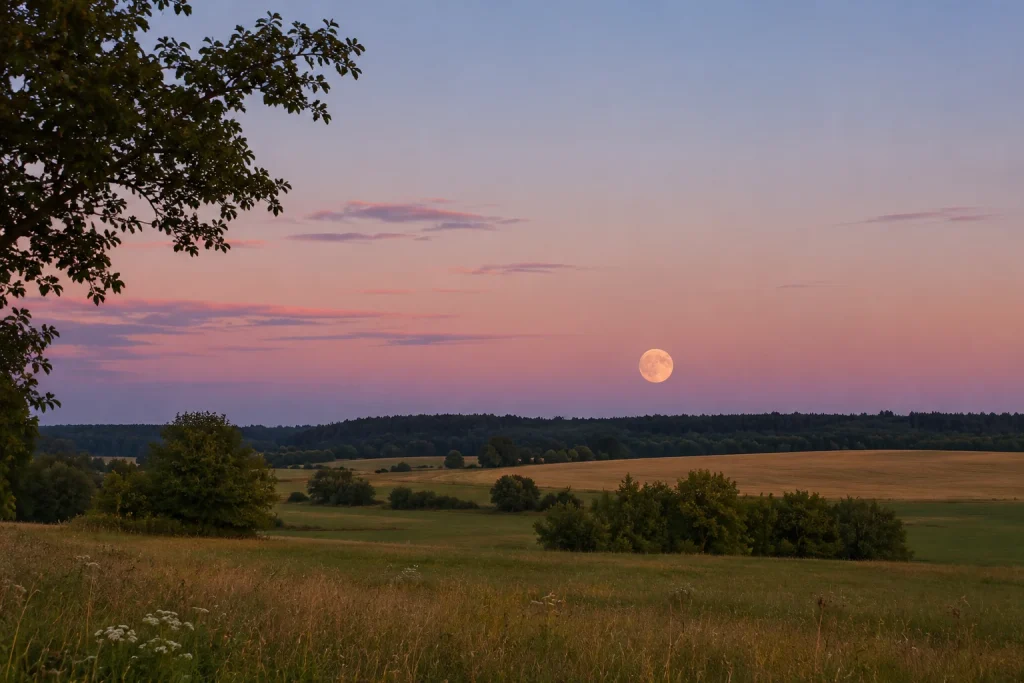
The Moon can look enormous as it rises over trees or buildings. Measurements separate that powerful impression from the size of its image.
How Do Seahorse Fathers Carry Their Young?
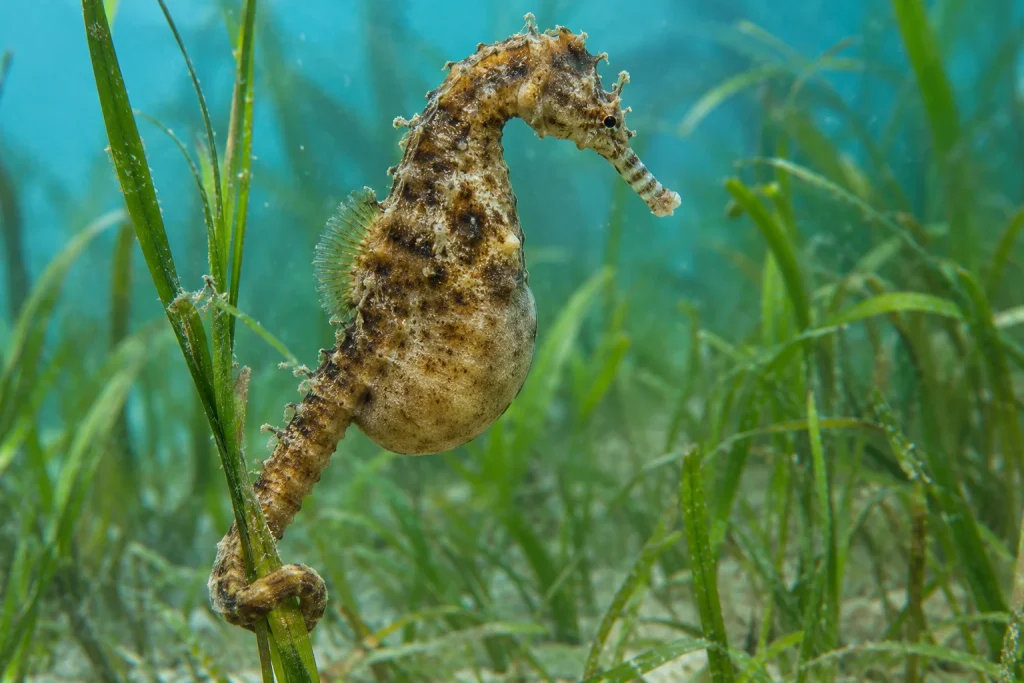
A seahorse father’s pouch is an active gestational organ. It protects developing young while helping provide the conditions and resources they need.
How Do Loudspeakers Turn Electricity into Sound?
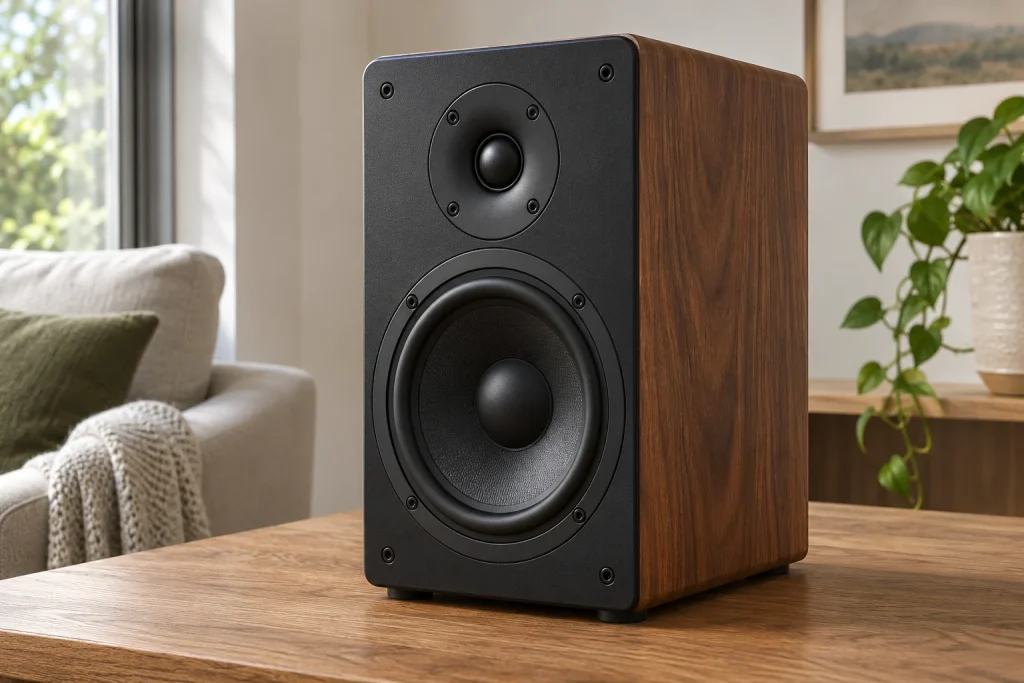
A familiar speaker cone is the visible end of an electromagnetic motor. Its motion transfers a changing electrical signal into vibrations in the air.
Why Do Maple Seeds Spin Like Helicopters?
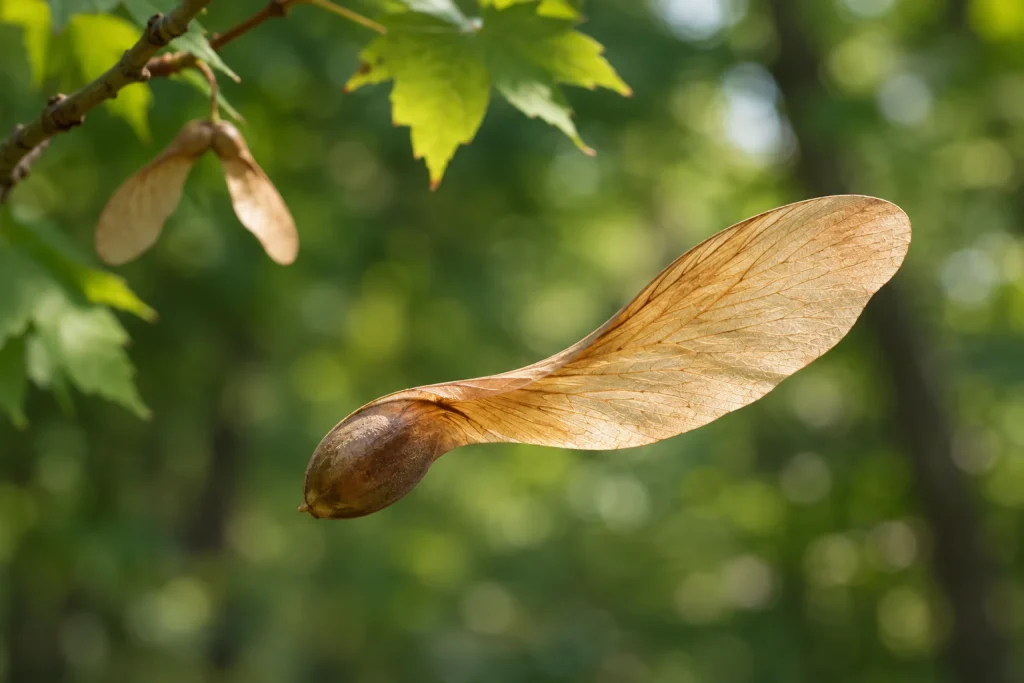
A maple’s winged fruit is an unpowered rotor. Its spinning descent reveals how shape, mass distribution and moving air work together.