
How Do Gyroscopes Work?
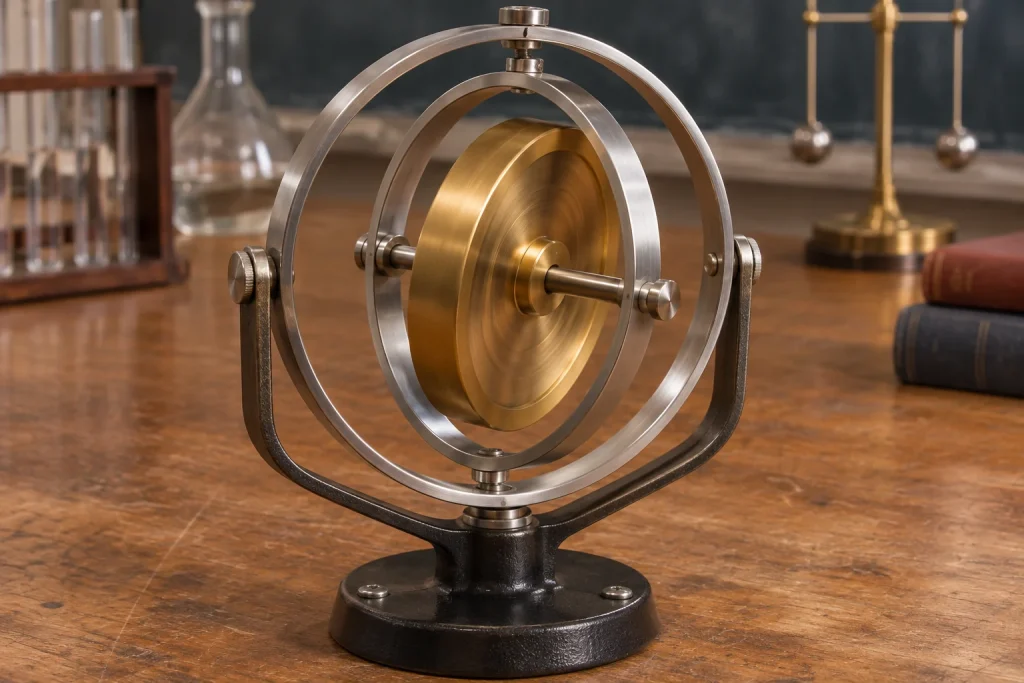
Gyroscopes reveal the directional nature of angular momentum. The same name now covers both spinning-wheel instruments and tiny vibrating sensors.
Why Do Some Ocean Waves Glow Blue at Night?

A luminous wave is a crowd of tiny living light sources responding to motion. The glow links cell chemistry with the physics of breaking surf.
How Does an Acoustic Piano Make Sound?

A piano note begins as a brief impact, then becomes a conversation between vibrating strings, a wooden soundboard and the surrounding air.
How Do Geysers Erupt?
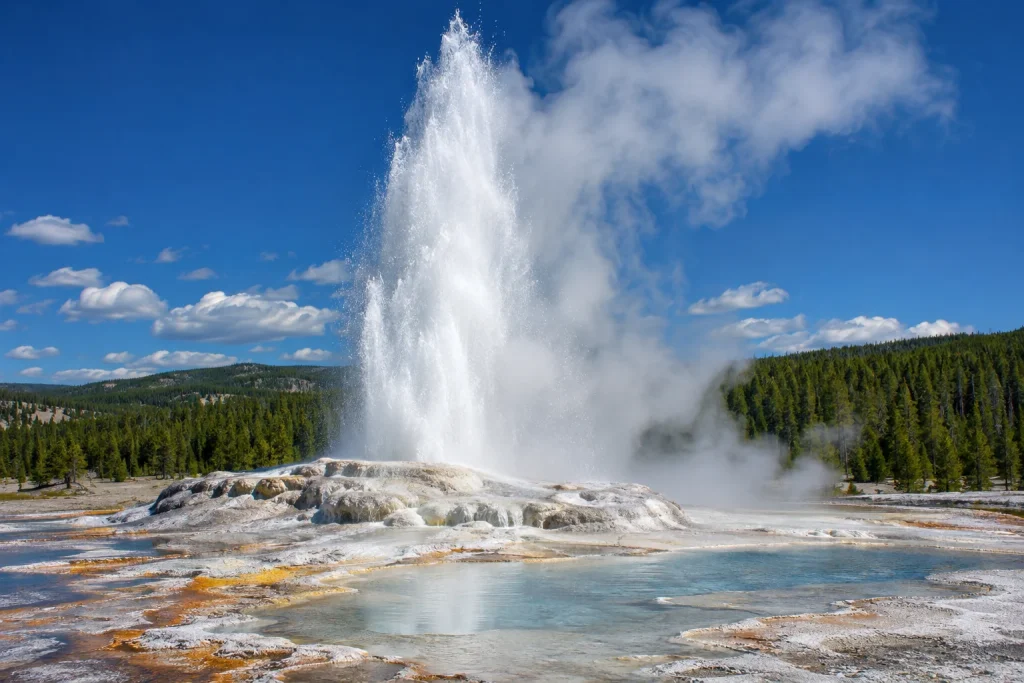
A geyser is a heat-powered plumbing system. Its spectacular eruption begins with water, pressure and a rapid change from liquid to steam.
How Do Hot-Air Balloons Rise and Steer?

A burner changes the air inside the envelope; the atmosphere supplies the upward force. The physics also explains why steering is indirect.
How Do Dandelion Seeds Fly?

A dandelion’s floating fruit carries a surprisingly sophisticated porous parachute, with a flight system that responds to moisture.
Why Does Tempered Glass Break into Small Pieces?

The same internal stress pattern that strengthens a glass pane also explains its sudden transformation into a field of small fragments.
Why Don’t Penguins’ Feet Freeze on Ice?

Keeping every toe at body temperature would waste precious energy. Penguins use a more subtle combination of circulation, insulation and posture.
How Do Elevators Work?

Behind the doors, an elevator coordinates forces, position sensing and controlled motion. Follow a trip from the call button to a level landing.
How Do Catalytic Converters Work?
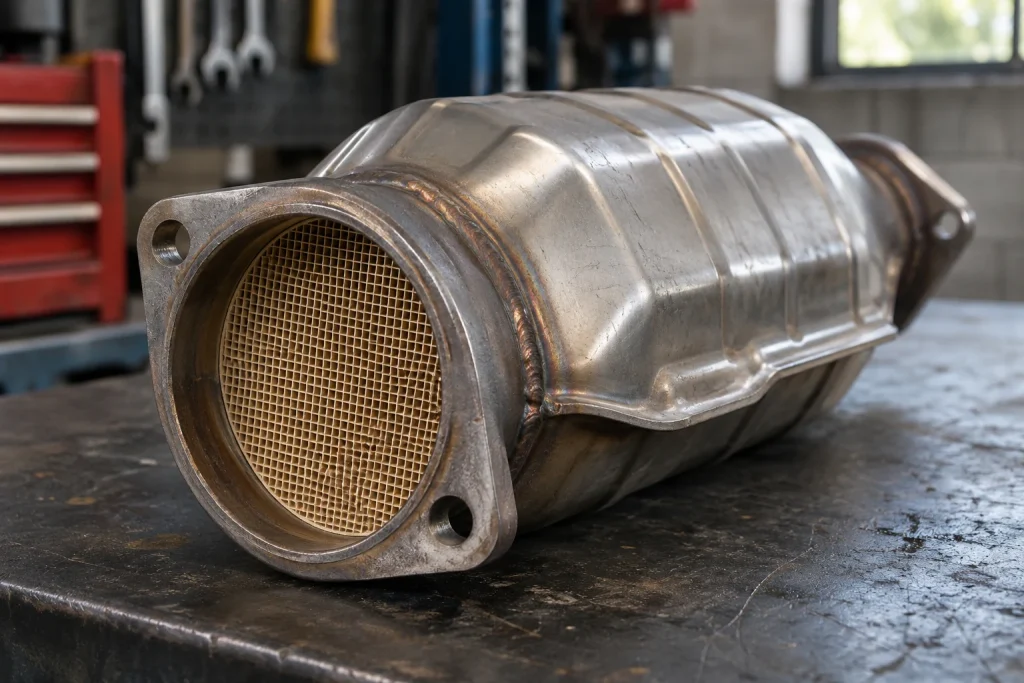
Follow exhaust through a catalytic converter to see how surface reactions reduce certain pollutants—and why mixture control, heat and other aftertreatment components matter.