
Why Do Fingers Wrinkle in Water?
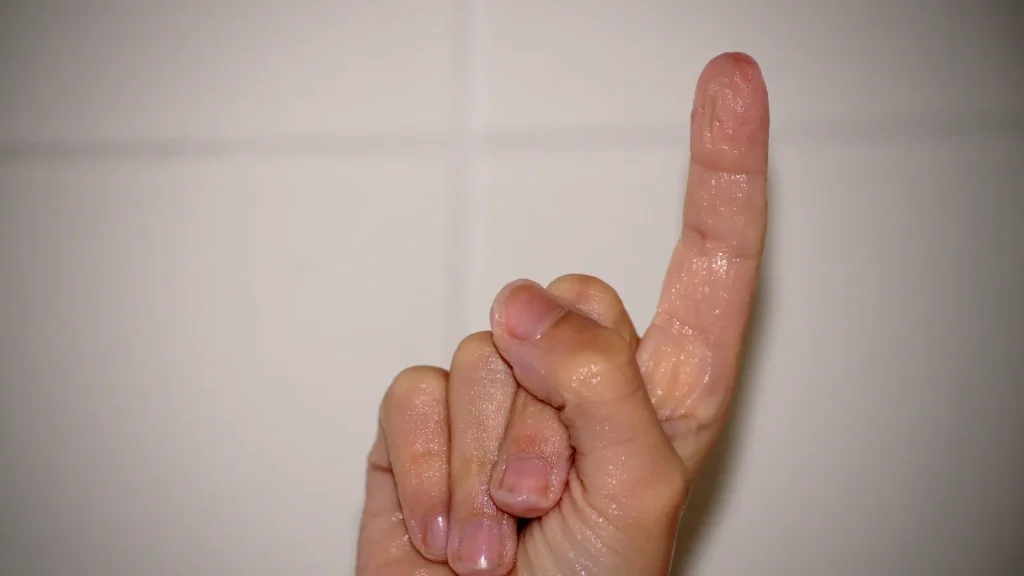
Fingers and toes wrinkle after prolonged water exposure because the autonomic nervous system signals blood vessels beneath their hairless skin to constrict. The reduced tissue volume pulls the overlying surface into ridges and valleys. This is not merely skin swelling like a sponge. The response depends on intact nerve pathways, although its evolutionary function—and whether it consistently improves wet grip—remains under study.
How Do Fire Extinguishers Work?
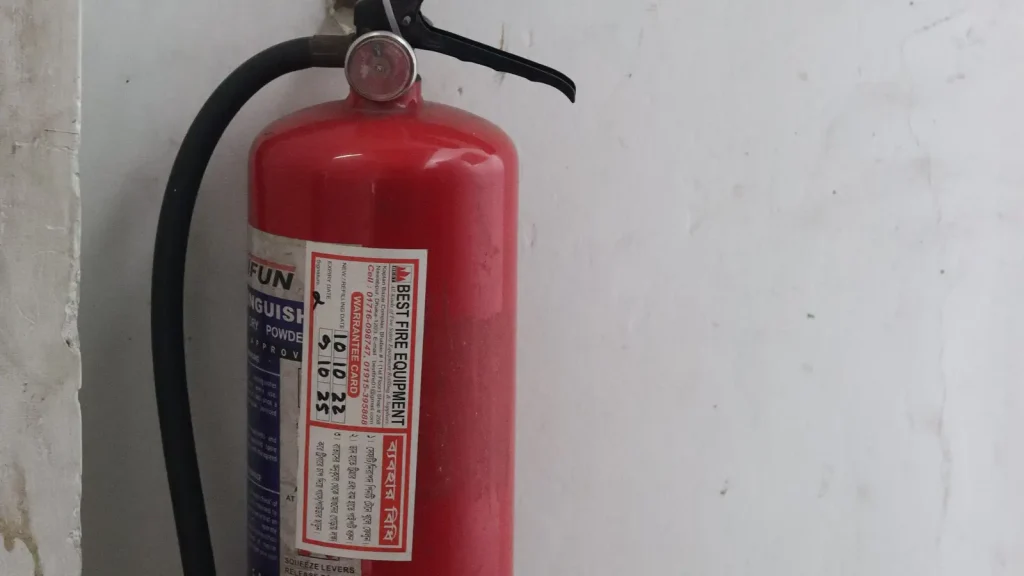
Portable fire extinguishers suppress small fires by removing heat, separating fuel from oxygen, interrupting flame chemistry or combining these effects. Water cools suitable ordinary combustibles; foam can cool and form a barrier; carbon dioxide displaces local oxygen and leaves no residue; and dry chemical powders interrupt flame reactions and can blanket fuel. The correct agent depends on the fire class, and evacuation takes priority when a fire is spreading or escape is uncertain.
How Do Vacuum Flasks Keep Drinks Hot or Cold?
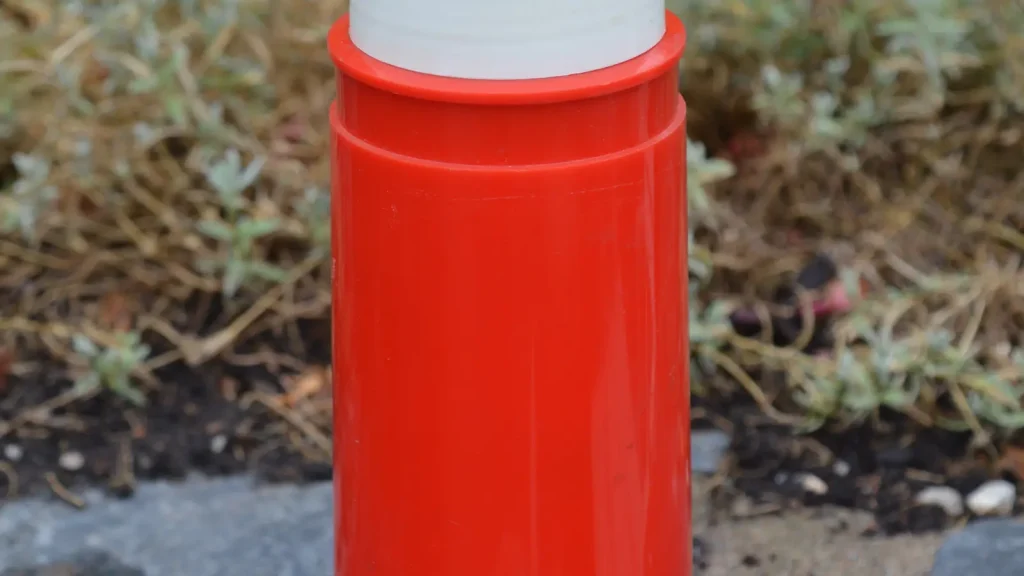
A vacuum flask slows heat transfer between its contents and the surroundings. The evacuated gap between two walls contains almost no matter, greatly reducing conduction and convection. Reflective surfaces reduce thermal radiation, while an insulated stopper and narrow neck limit the remaining heat path. The same design keeps hot drinks hot and cold drinks cold because it resists heat flow in either direction.
How Do Smoke Detectors Work?
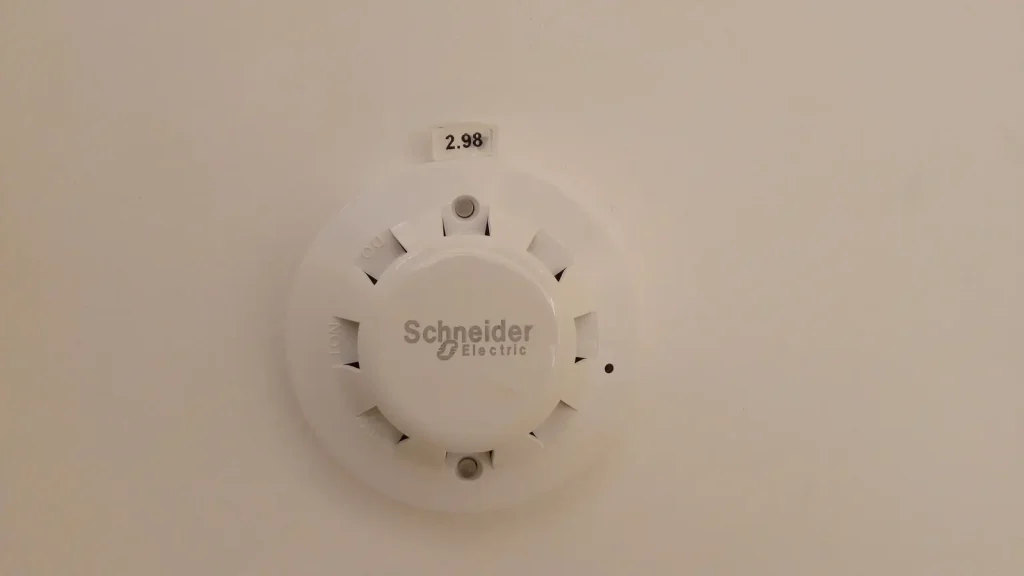
Smoke alarms detect airborne products of combustion rather than heat alone. Photoelectric alarms use a light source and sensor arranged so smoke particles scatter light into the detector. Ionization alarms monitor a tiny electrical current through ionized air; smoke disrupts that current. Modern guidance often favours using both sensing approaches or listed multi-sensor alarms because different fires produce different smoke.
Why Do Paper Towels Absorb Water?

Paper towels absorb water because cellulose fibres are hydrophilic and their porous network contains many connected spaces. Water adheres to cellulose surfaces through molecular attractions, while surface tension and capillary pressure draw liquid through narrow pores. The towel also holds water in irregular voids between fibres. Fibre treatment, embossing, sheet thickness, pore size and wet strength determine how quickly and how much it absorbs.
Why Does Superglue Stick So Fast?
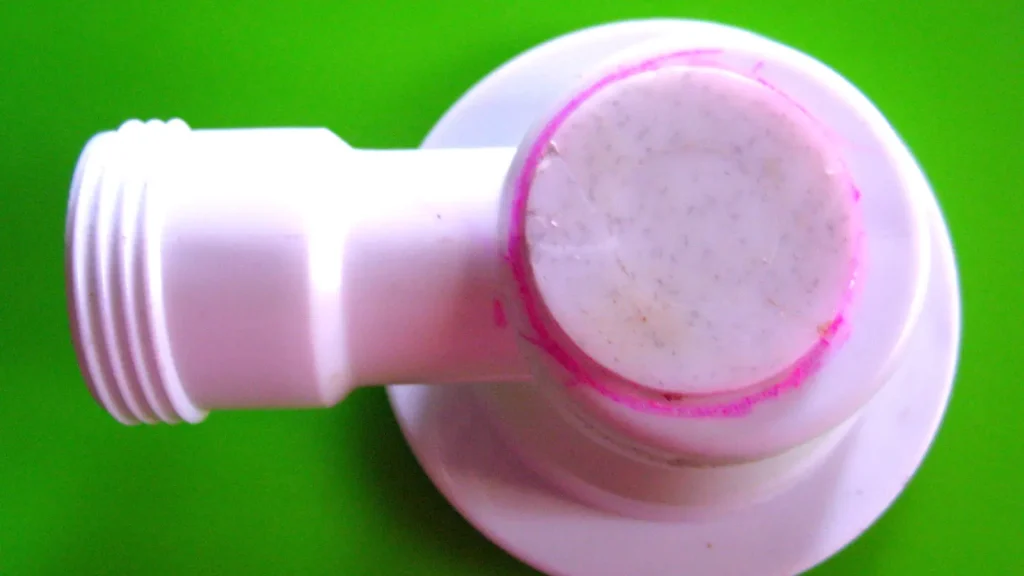
Superglue cures quickly because its cyanoacrylate molecules polymerize when exposed to traces of water and weakly basic substances on most surfaces. The reaction links many small monomers into long, rigid chains. A thin layer cures fastest because moisture can reach it and the bonded surfaces stay close together. Thick pools cure more slowly, become brittle and can release considerable heat.
How Do Electric Kettles Know When to Turn Off?
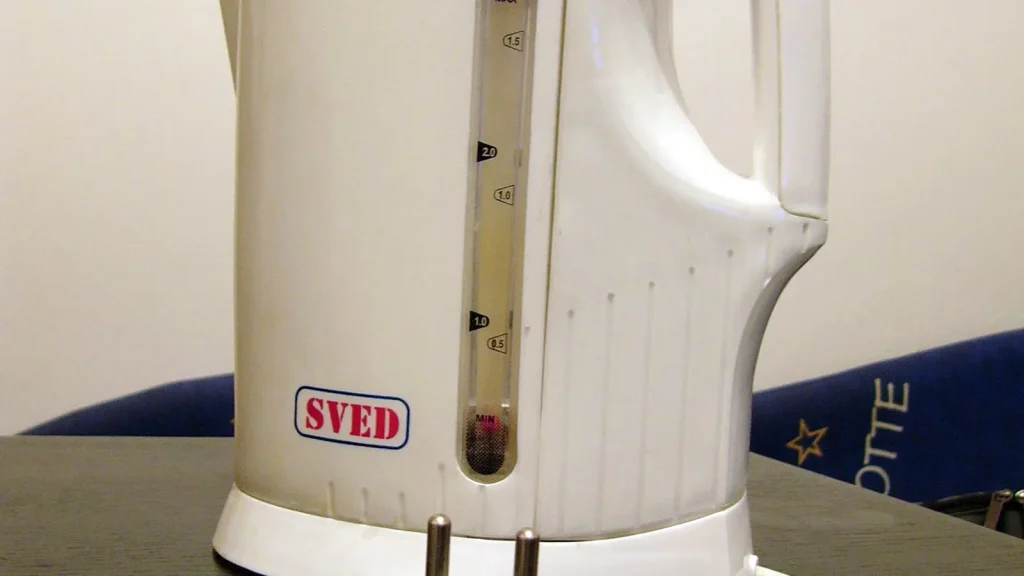
Most basic electric kettles switch off when steam from boiling water travels through a channel to a thermostat near the base or handle. The steam heats a bimetallic strip or snap-action disc made from metals that expand differently. At a calibrated temperature it bends or flips, releasing a latch and opening the electrical contacts. The mechanism senses steam and temperature rather than measuring the water level directly.
Why Do Clothes Shrink in the Wash?
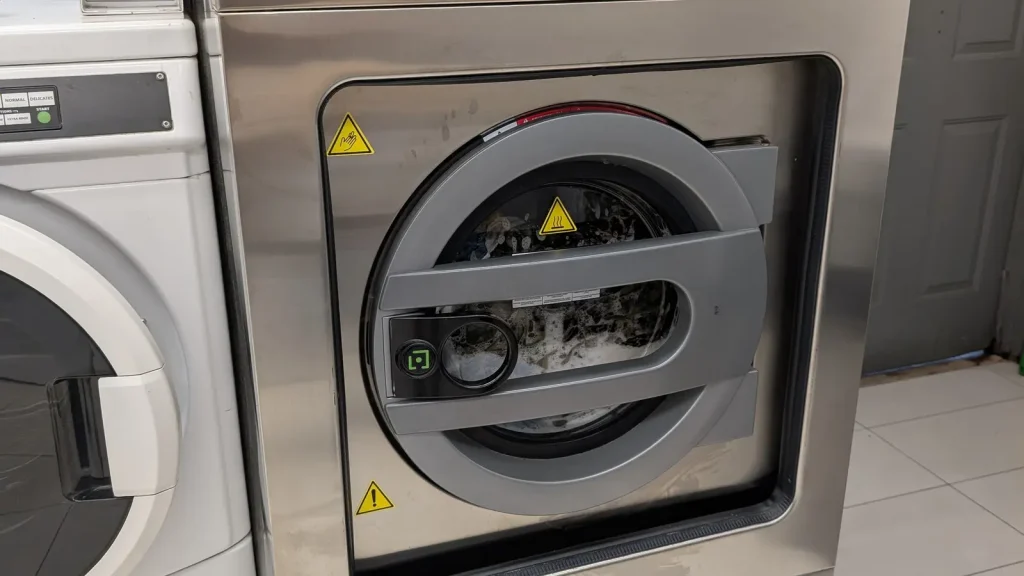
Clothes shrink when fibres, yarns or fabric structures change dimensions during washing and drying. Manufacturing can leave fibres and yarns stretched or under tension; heat and moisture increase molecular mobility and allow them to relax. Wool can felt when surface scales interlock under moisture and agitation, while cotton fabrics often undergo relaxation shrinkage. High dryer heat adds strong thermal and mechanical stress.
How Do Touchscreens Know Where You Touched?

Most modern phones use projected-capacitive touchscreens. Transparent conductive electrodes form rows and columns beneath the glass. Electronics repeatedly measure capacitance at their intersections. A finger changes the local electric field and capacitance, producing a pattern from which a controller calculates touch position, movement and sometimes pressure-related proxies. Resistive screens instead locate contact when two conductive layers are pressed together.
How Do Smoke Detectors Detect Fire?
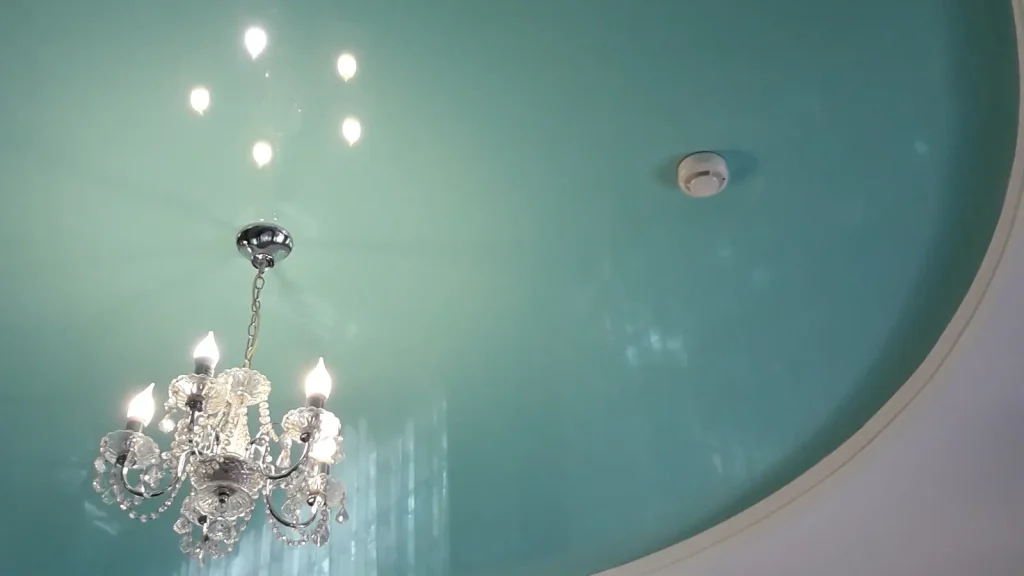
Residential smoke alarms usually detect particles made by combustion rather than flames themselves. Photoelectric alarms shine light through a dark sensing chamber and trigger when smoke scatters light toward a sensor. Ionization alarms maintain a tiny electric current through ionized air and trigger when smoke particles disrupt it. Multi-sensor devices combine signals, while electronic logic filters noise and activates the horn when a threshold is crossed.