
Animal Behavior
How Honey Bees Turn a Dance into a Map
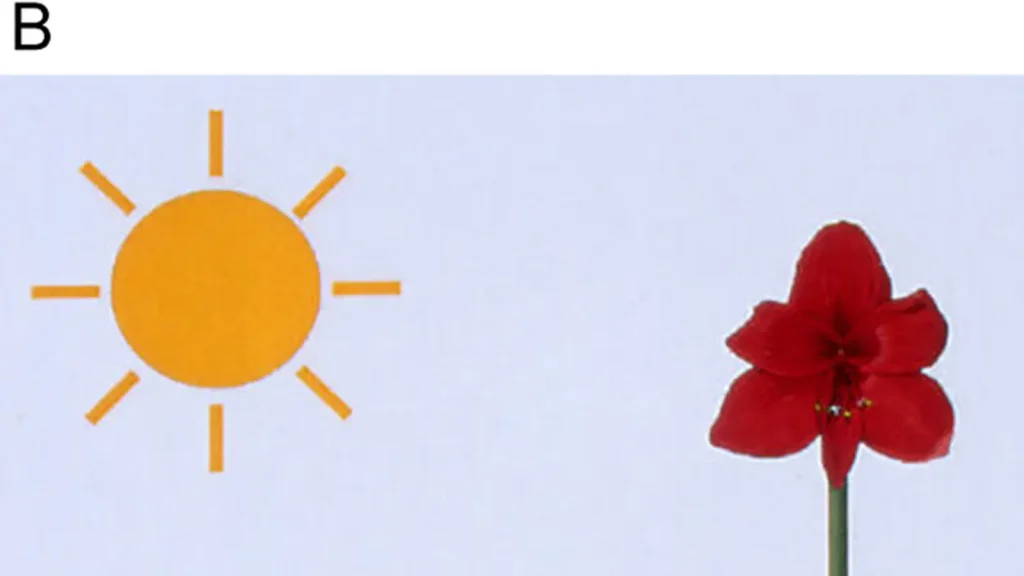
A honey bee’s waggle run encodes a direction relative to the Sun and information related to distance. Followers combine that imperfect signal with other…
Sep 29, 2026 • 3 min readExplore animal communication, movement, learning and social life, with attention to what observations reveal and what remains uncertain.
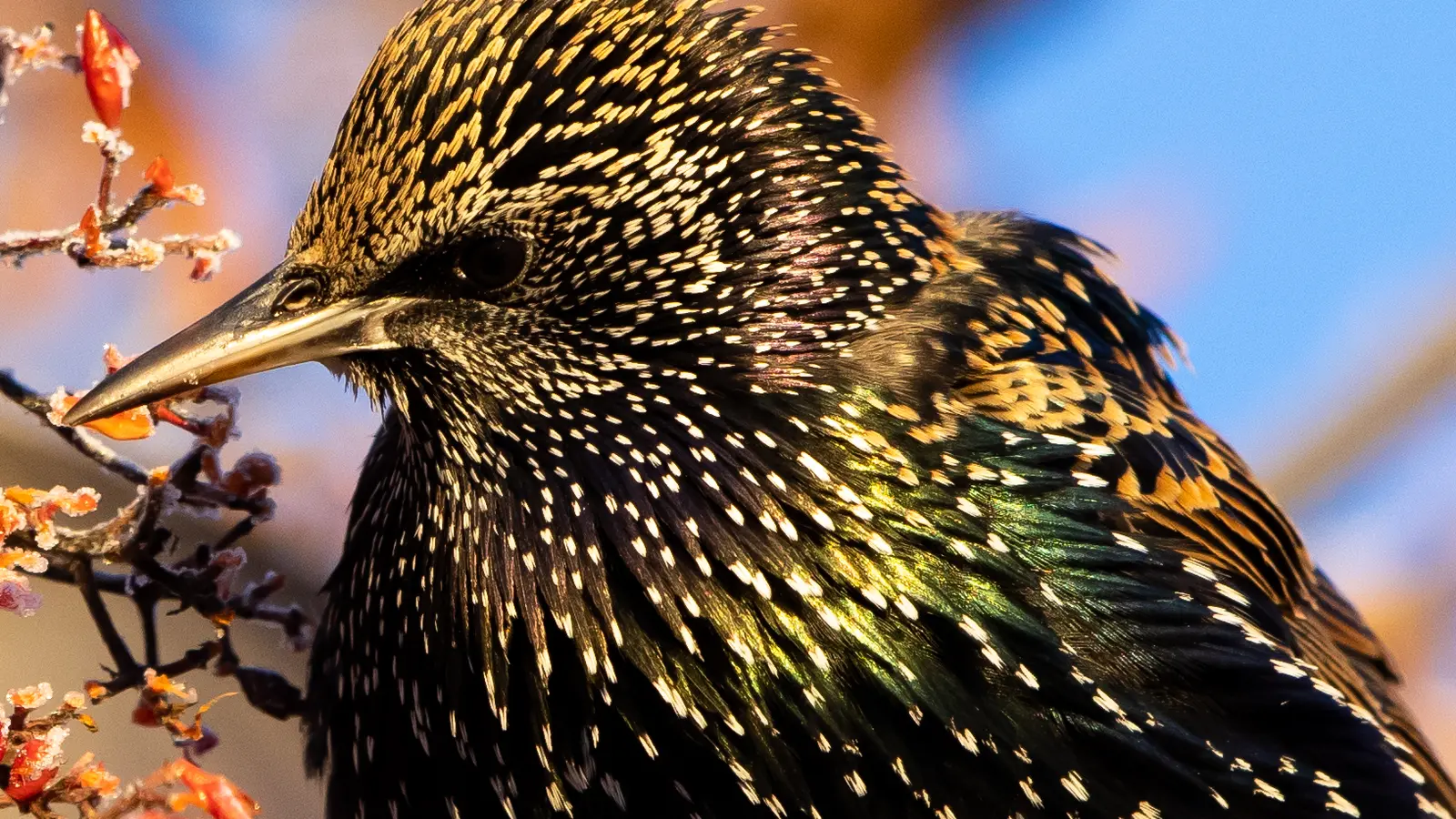
Many birds have four cone classes and can detect wavelengths humans cannot. Their view depends on retinal pigments, filtering and the light reaching the eye.
Sep 16, 2026 • 3 min readRead the discovery →New stories, explanations and research from Animal Behavior.
A honey bee’s waggle run encodes a direction relative to the Sun and information related to distance. Followers combine that imperfect signal with other…
Sep 29, 2026 • 3 min read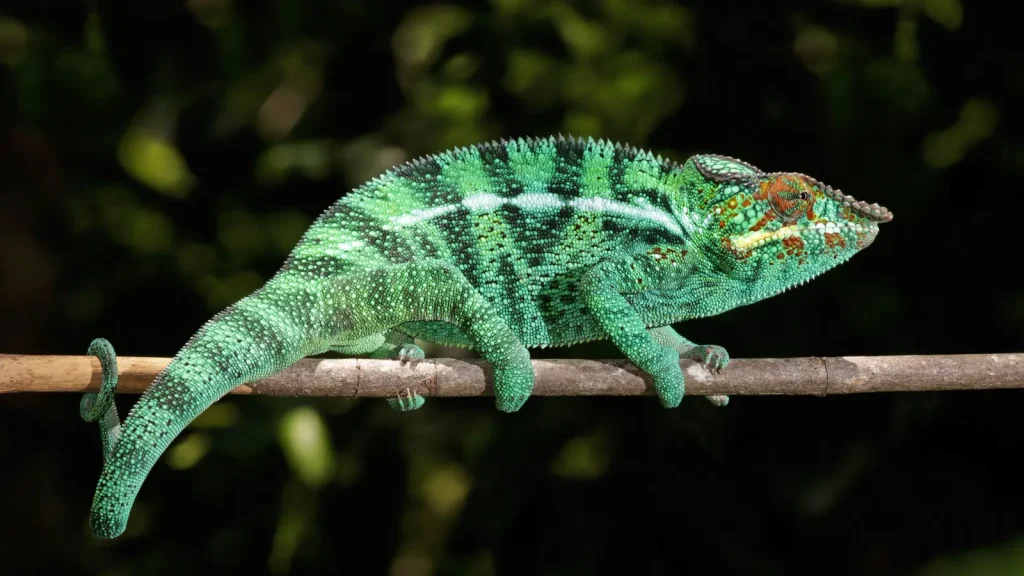
Pigments and microscopic guanine crystals create a living optical display. Social signals matter as much as the familiar camouflage story.
Sep 29, 2026 • 3 min read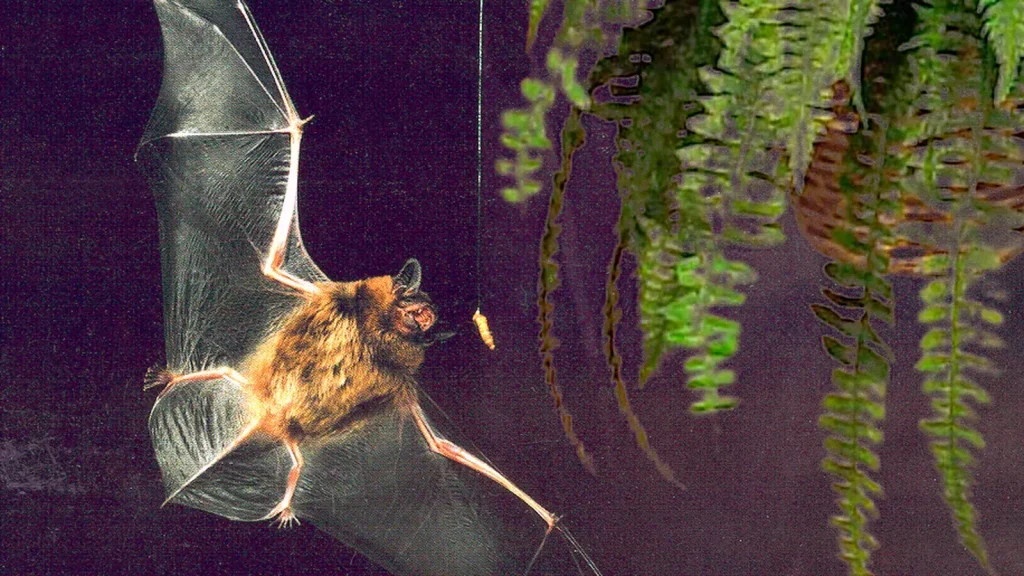
Echolocating bats emit precisely controlled calls and interpret returning echoes to estimate the direction, distance, size and movement of objects around them.
Sep 28, 2026 • 2 min read
Crowded flight challenges bat sonar with competing calls and moving obstacles. Experiments show several responses, rather than one universal anti-jamming trick.
Sep 23, 2026 • 3 min read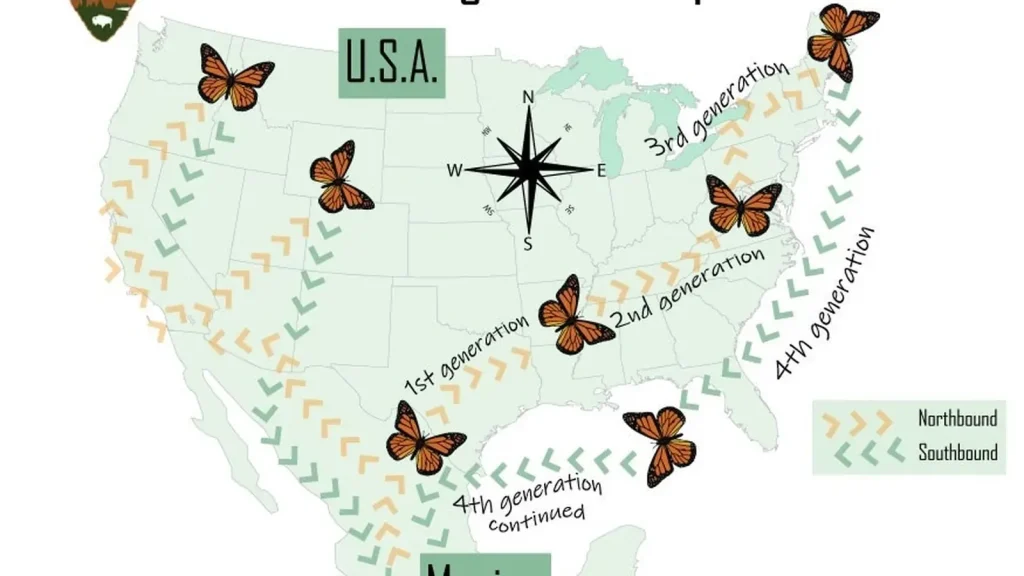
Migrating monarchs combine directional light with biological clocks, and experiments support a magnetic compass too. A compass mechanism is different from a complete position…
Sep 23, 2026 • 3 min read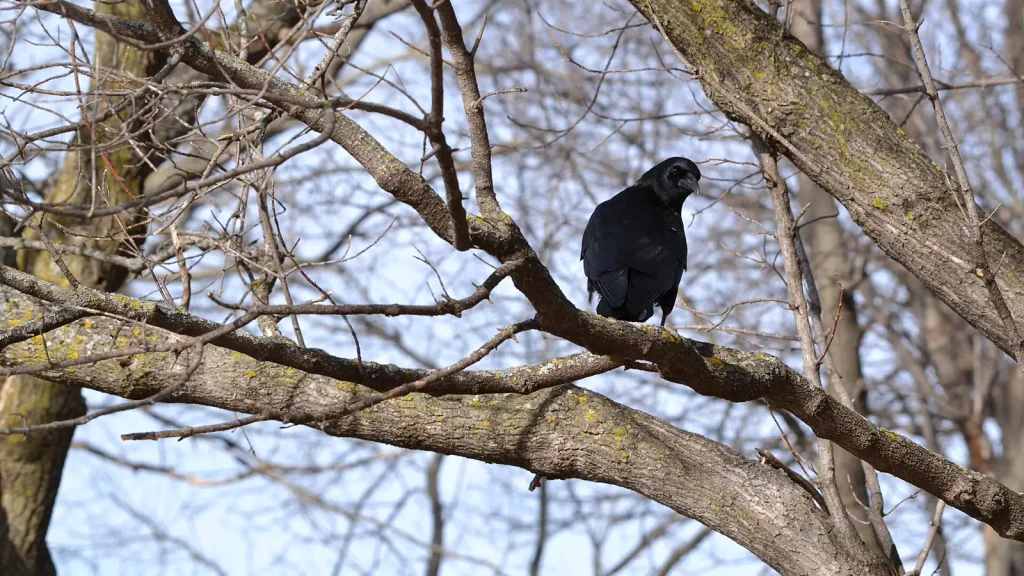
Mask experiments show that American crows can learn threatening faces and spread responses socially. These findings demonstrate memory and learning without implying human-style grudges.
Sep 19, 2026 • 3 min read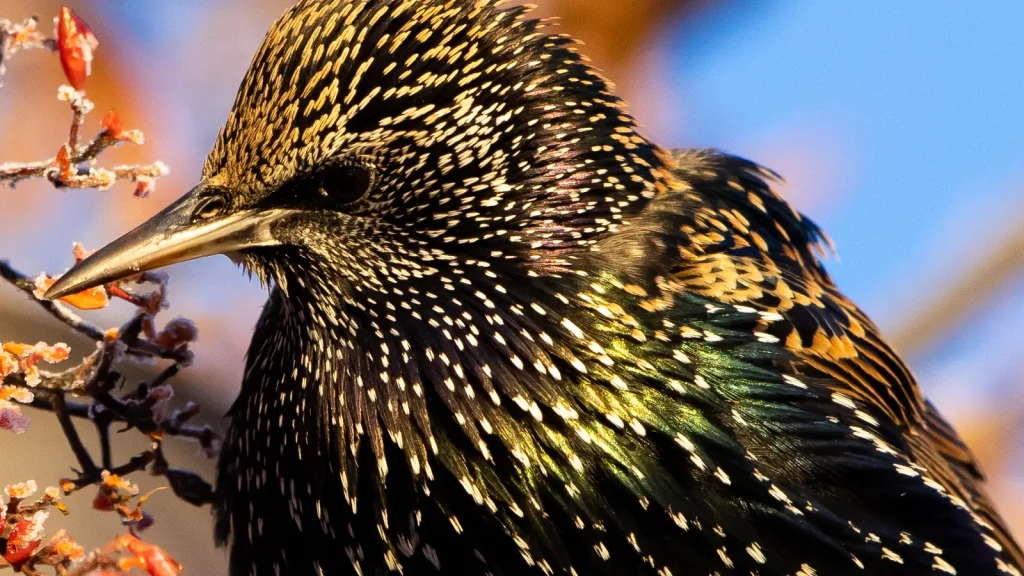
Many birds have four cone classes and can detect wavelengths humans cannot. Their view depends on retinal pigments, filtering and the light reaching the…
Sep 16, 2026 • 3 min read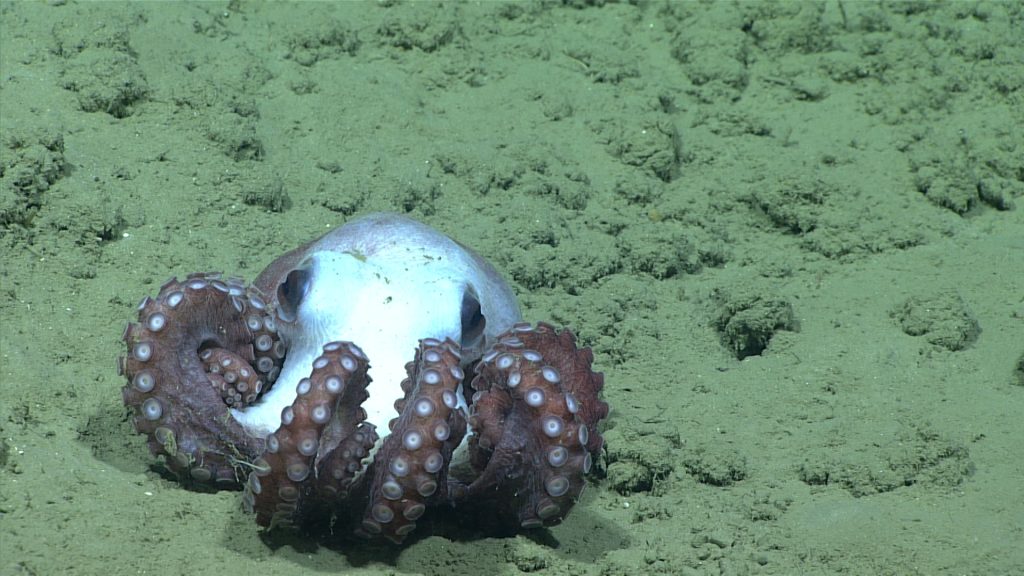
Explore octopus intelligence, learning, camouflage and distributed arm control—and why the popular claim that they have nine brains is misleading.
Sep 12, 2026 • 12 min read
Mask experiments show that American crows can learn threatening faces and spread responses socially. These findings demonstrate memory and learning without implying human-style grudges.
Sep 19, 2026 • 3 min read
Explore octopus intelligence, learning, camouflage and distributed arm control—and why the popular claim that they have nine brains is misleading.
Sep 12, 2026 • 12 min readOne remarkable idea at a time—nature, science, history and beyond.