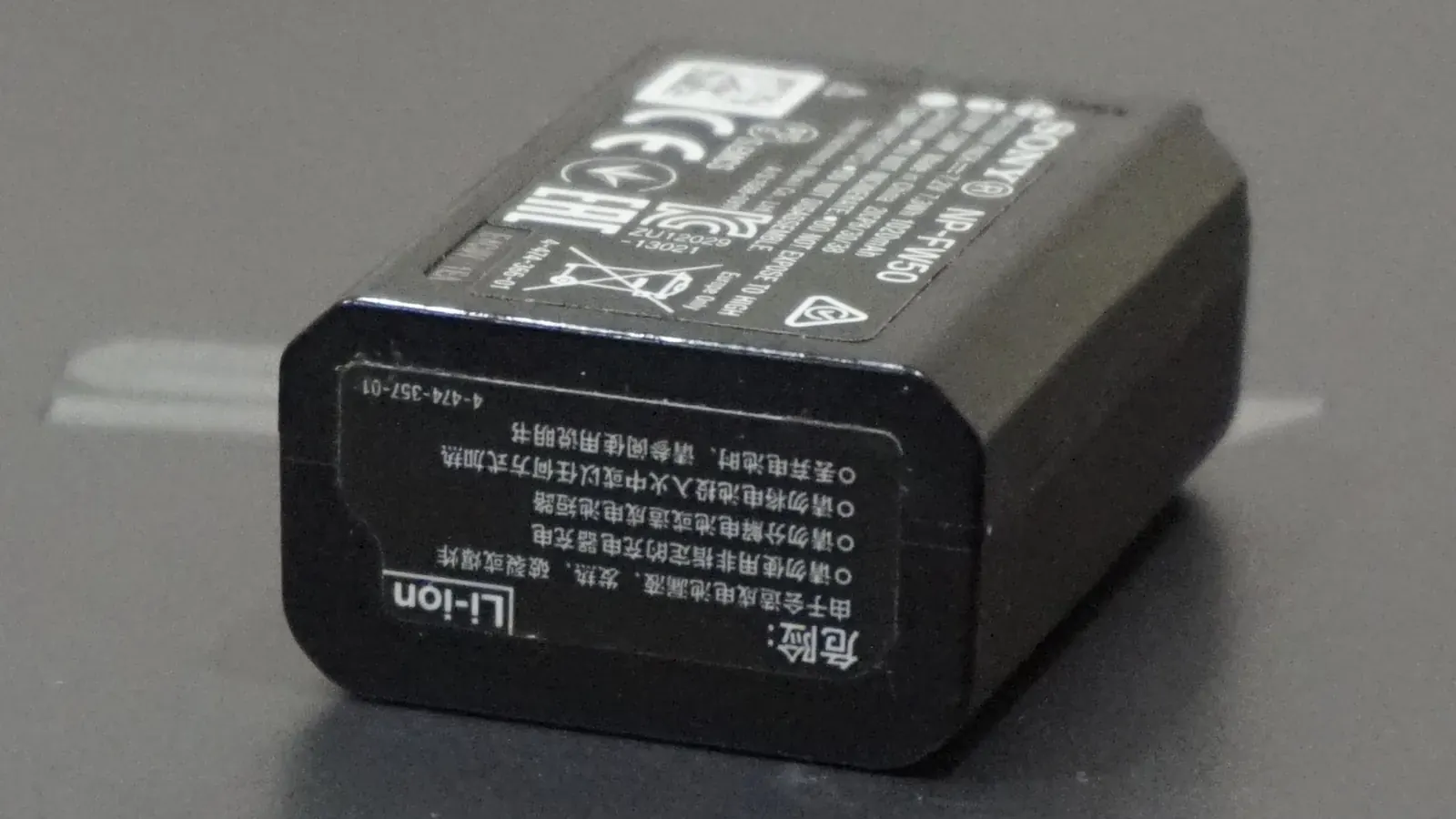
A used lithium-ion battery is a manufactured mixture of active electrode materials, metal foils, electrolyte, separator and packaging. Recycling aims to recover useful constituents from that mixture, not simply melt the whole object into a new battery of the same design.
Different processes recover different outputs. Their value depends on the battery chemistry, the quality of separation and the requirements of the next manufacturing step.
Preparation creates a manageable feedstock
Industrial recycling begins with controlled collection, sorting and preparation. Batteries can retain energy and contain reactive materials, so processing requires appropriate equipment and procedures. This is not a household dismantling task.
Mechanical treatment can separate components and produce a concentrated mixture of electrode materials, often called black mass. That material is an intermediate feedstock, not automatically a finished new cathode.
Heat-based routes recover selected materials
Pyrometallurgical processing uses high temperatures to separate or concentrate constituents. It can accommodate some mixed feedstocks, but the destination of each element matters. Some materials can enter slag or other streams rather than the main metal product.
The European Commission's Joint Research Centre notes that lithium recovery from such streams may require further treatment. Reporting a recycling process as successful therefore needs more detail than saying valuable metal came out of a furnace.
Solution chemistry separates elements
Hydrometallurgical routes dissolve and separate constituents through chemical processing. The resulting compounds can be refined for further use, including electrode-material production where quality requirements are met.
This approach has its own demands: reagents, water management, separation steps and control of impurities. A process that recovers a high proportion of one metal is not necessarily recovering every component of the original cell.
Direct recycling preserves more of the structure
Direct recycling aims to retain and restore engineered electrode material rather than break it entirely down into elemental ingredients. The US Environmental Protection Agency describes this as a cathode-to-cathode approach.
Preserving the structure can reduce some manufacturing work, but it increases the importance of identifying the input chemistry and managing contamination or degradation. Material from different cathode families cannot always be mixed without affecting the intended product.
A new cell needs verified material quality
Recovered material must meet the specifications of the process that uses it. Tests may examine composition, structure and performance in newly made cells. A demonstration with one chemistry does not establish equivalent results for every battery on the market.
Comparisons should state what was recovered, in what form and with what additional treatment. Energy use and waste streams also belong in the assessment. Recycling can return valuable resources to use, but its effectiveness is a chain of measurable outcomes rather than a single universal recovery percentage.
Explore a related question
How Transistors Switch and Amplify Electronic Signals
Sources and further reading
Keep exploring.
We’ll email you when the first edition is ready.
Last updated October 29, 2026.

Barnakle Editorial Team
Barnakle Editorial Team is the collective byline used for Barnakle’s editorial articles. The contributor profile explains the team identity and links to the publication’s editorial policies.
More from the editorial team →