
Pigments, shorter days and winter preparation
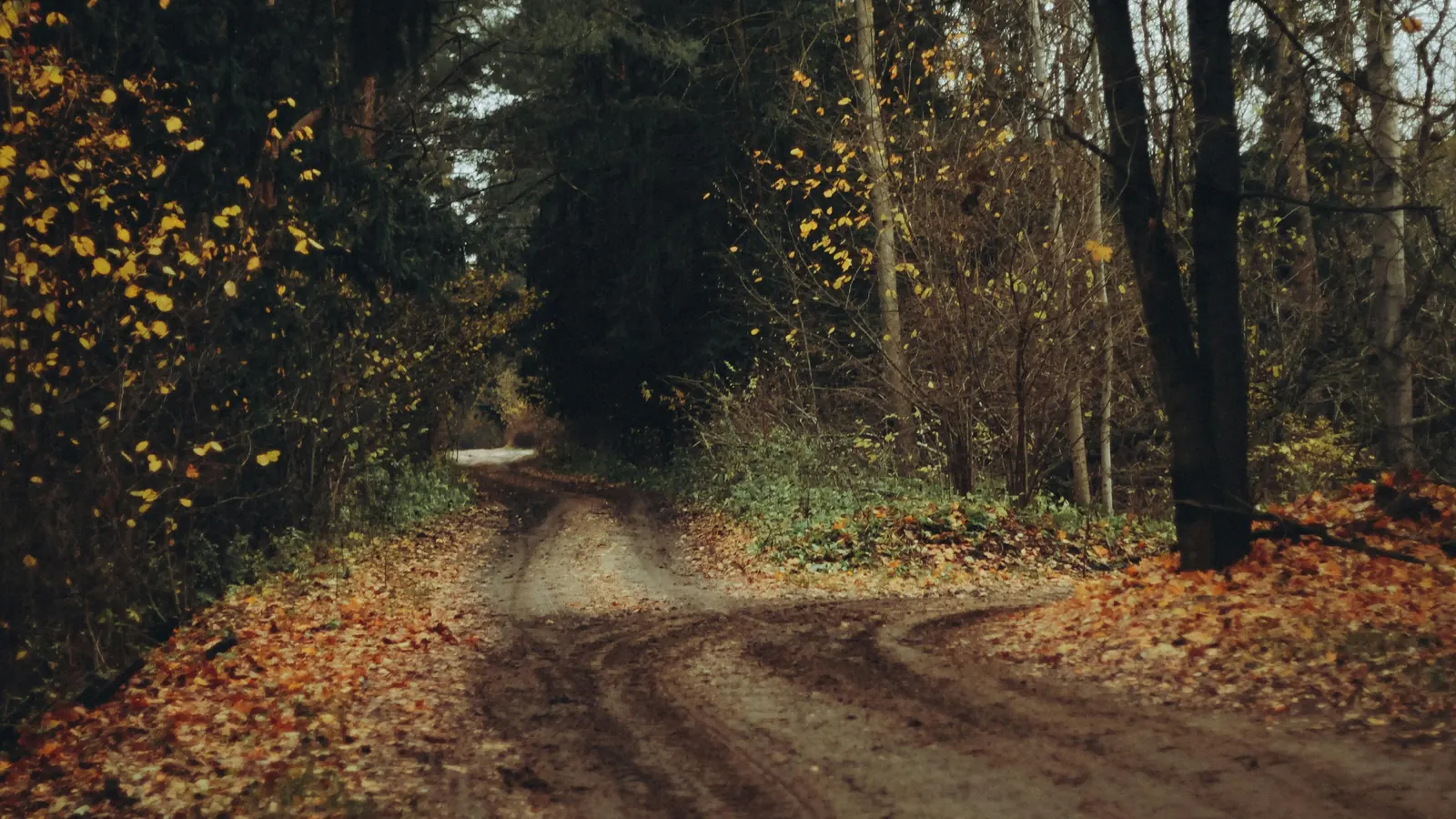
Leaves change colour as deciduous trees prepare for winter. Shorter days help trigger senescence, chlorophyll production stops and green pigment breaks down, revealing yellow and orange carotenoids. Some species also make red anthocyanins, while later chemical changes and drying produce brown tones.
Why Do Leaves Change Colour in Autumn? is a simple question with a layered answer. The sections below move from the central mechanism to the colours, timing, viewing conditions and misconceptions that generate the most common follow-up questions. Where a simplified classroom explanation leaves out an important qualification, the qualification is included rather than hidden.
The short answer
Autumn colour is part of leaf senescence, the controlled shutdown of a deciduous leaf. Shortening daylight provides a reliable seasonal signal. This distinction matters because the familiar appearance is the final result of several linked physical steps, not a single isolated event.
As chlorophyll declines, other pigments become visible or are newly produced. Species, weather, soil and individual tree condition shape the final display. The mechanism also predicts what should change when one part of the system changes, which makes the account scientifically useful rather than merely descriptive.
For readers asking about the short answer, the practical point is that observations depend on position, timing and conditions. A photograph or brief glance captures only one configuration, whereas the scientific explanation must account for the full range of repeatable appearances. That is why authoritative explanations combine direct observation with models, calibrated instruments and predictions that can be checked independently.
Why leaves are green in summer
Chlorophyll absorbs light used in photosynthesis, especially in red and blue regions. Reflected and transmitted green wavelengths make healthy leaves appear green. Researchers test the explanation by comparing measurements made under different geometries, conditions and observing methods.
Chlorophyll molecules are continually replaced during active growth. The green can mask substantial amounts of yellow and orange pigment already present. Scale is important here: processes that happen at the level of atoms or charged particles can create patterns visible across an entire sky.
For readers asking about why leaves are green in summer, the practical point is that observations depend on position, timing and conditions. A photograph or brief glance captures only one configuration, whereas the scientific explanation must account for the full range of repeatable appearances. That is why authoritative explanations combine direct observation with models, calibrated instruments and predictions that can be checked independently.
Shorter days start the transition
Trees detect changes in photoperiod through light-sensitive biological systems. Day length is more predictable than a single cold night. The mechanism also predicts what should change when one part of the system changes, which makes the account scientifically useful rather than merely descriptive.
Seasonal signals alter hormones, gene activity and transport within the leaf. Different species and populations respond on different schedules. Careful wording prevents a common mistake—confusing what an observer sees with the underlying object or process that produced the view.
For readers asking about shorter days start the transition, the practical point is that observations depend on position, timing and conditions. A photograph or brief glance captures only one configuration, whereas the scientific explanation must account for the full range of repeatable appearances. That is why authoritative explanations combine direct observation with models, calibrated instruments and predictions that can be checked independently.
Chlorophyll breaks down
As growth winds down, trees stop investing as heavily in chlorophyll maintenance. The green pigment is dismantled through an orderly biochemical pathway. Scale is important here: processes that happen at the level of atoms or charged particles can create patterns visible across an entire sky.
Nutrients including nitrogen can be recovered and moved into longer-lived tissues. The disappearance of green exposes colours that were previously hidden. This distinction matters because the familiar appearance is the final result of several linked physical steps, not a single isolated event.
For readers asking about chlorophyll breaks down, the practical point is that observations depend on position, timing and conditions. A photograph or brief glance captures only one configuration, whereas the scientific explanation must account for the full range of repeatable appearances. That is why authoritative explanations combine direct observation with models, calibrated instruments and predictions that can be checked independently.
Yellow and orange carotenoids
Carotenoids are pigments involved in light harvesting and protection. Many are present throughout the growing season. Careful wording prevents a common mistake—confusing what an observer sees with the underlying object or process that produced the view.
When chlorophyll fades, carotenoids make leaves appear yellow or orange. Birches, aspens and some maples can display especially strong carotenoid colours. Researchers test the explanation by comparing measurements made under different geometries, conditions and observing methods.
For readers asking about yellow and orange carotenoids, the practical point is that observations depend on position, timing and conditions. A photograph or brief glance captures only one configuration, whereas the scientific explanation must account for the full range of repeatable appearances. That is why authoritative explanations combine direct observation with models, calibrated instruments and predictions that can be checked independently.
Where red anthocyanins come from
Anthocyanins are often produced in leaves during senescence rather than merely uncovered. They absorb parts of the visible spectrum and can appear red or purple. This distinction matters because the familiar appearance is the final result of several linked physical steps, not a single isolated event.
Sugar levels, light and temperature influence their production. Scientists continue to investigate the protective advantages they may provide during nutrient recovery. The mechanism also predicts what should change when one part of the system changes, which makes the account scientifically useful rather than merely descriptive.
For readers asking about where red anthocyanins come from, the practical point is that observations depend on position, timing and conditions. A photograph or brief glance captures only one configuration, whereas the scientific explanation must account for the full range of repeatable appearances. That is why authoritative explanations combine direct observation with models, calibrated instruments and predictions that can be checked independently.
Why leaves turn brown
Tannins and other compounds contribute brown colours as pigments break down and tissues dry. Some species retain brown leaves after senescence. Researchers test the explanation by comparing measurements made under different geometries, conditions and observing methods.
Brown does not represent one single pigment pathway. The sequence from bright colour to brown reflects continuing chemical and structural change. Scale is important here: processes that happen at the level of atoms or charged particles can create patterns visible across an entire sky.
For readers asking about why leaves turn brown, the practical point is that observations depend on position, timing and conditions. A photograph or brief glance captures only one configuration, whereas the scientific explanation must account for the full range of repeatable appearances. That is why authoritative explanations combine direct observation with models, calibrated instruments and predictions that can be checked independently.
Why species have different colours
Pigment chemistry and senescence programs are genetically influenced. Sugar maples can produce vivid reds and oranges, while many birches favour yellow. The mechanism also predicts what should change when one part of the system changes, which makes the account scientifically useful rather than merely descriptive.
Even trees of the same species vary with age, health and local conditions. Identification should use more than autumn colour alone. Careful wording prevents a common mistake—confusing what an observer sees with the underlying object or process that produced the view.
For readers asking about why species have different colours, the practical point is that observations depend on position, timing and conditions. A photograph or brief glance captures only one configuration, whereas the scientific explanation must account for the full range of repeatable appearances. That is why authoritative explanations combine direct observation with models, calibrated instruments and predictions that can be checked independently.
How weather affects the display
Sunny days can support sugar production and anthocyanin formation. Cool nights may favour colour development when temperatures remain above damaging freezes. Scale is important here: processes that happen at the level of atoms or charged particles can create patterns visible across an entire sky.
Drought can cause early browning or leaf drop. Wind and heavy rain can shorten a display by removing leaves. This distinction matters because the familiar appearance is the final result of several linked physical steps, not a single isolated event.
For readers asking about how weather affects the display, the practical point is that observations depend on position, timing and conditions. A photograph or brief glance captures only one configuration, whereas the scientific explanation must account for the full range of repeatable appearances. That is why authoritative explanations combine direct observation with models, calibrated instruments and predictions that can be checked independently.
Why frost is not the main trigger
Shortening day length provides the primary seasonal clock for many temperate deciduous trees. Cool weather modifies timing and intensity. Careful wording prevents a common mistake—confusing what an observer sees with the underlying object or process that produced the view.
A severe early freeze can damage tissue rather than improve colour. The popular idea that one frost paints the forest overnight is misleading. Researchers test the explanation by comparing measurements made under different geometries, conditions and observing methods.
For readers asking about why frost is not the main trigger, the practical point is that observations depend on position, timing and conditions. A photograph or brief glance captures only one configuration, whereas the scientific explanation must account for the full range of repeatable appearances. That is why authoritative explanations combine direct observation with models, calibrated instruments and predictions that can be checked independently.
The abscission layer
Cells develop a separation zone where the leaf stalk meets the twig. Transport between leaf and tree becomes increasingly restricted. This distinction matters because the familiar appearance is the final result of several linked physical steps, not a single isolated event.
Eventually the connection weakens and wind or gravity removes the leaf. A protective scar helps seal the remaining twig tissue. The mechanism also predicts what should change when one part of the system changes, which makes the account scientifically useful rather than merely descriptive.
For readers asking about the abscission layer, the practical point is that observations depend on position, timing and conditions. A photograph or brief glance captures only one configuration, whereas the scientific explanation must account for the full range of repeatable appearances. That is why authoritative explanations combine direct observation with models, calibrated instruments and predictions that can be checked independently.
Why deciduous trees drop leaves
Broad leaves lose water and can be damaged by freezing conditions. Maintaining them through winter would be costly where water is unavailable or days are short. Researchers test the explanation by comparing measurements made under different geometries, conditions and observing methods.
Trees store resources in stems and roots and grow new leaves when conditions improve. Evergreens follow a different strategy and replace needles gradually. Scale is important here: processes that happen at the level of atoms or charged particles can create patterns visible across an entire sky.
For readers asking about why deciduous trees drop leaves, the practical point is that observations depend on position, timing and conditions. A photograph or brief glance captures only one configuration, whereas the scientific explanation must account for the full range of repeatable appearances. That is why authoritative explanations combine direct observation with models, calibrated instruments and predictions that can be checked independently.
Why autumn timing is changing
Temperature and moisture influence senescence alongside day length. Climate change can shift growing seasons, but responses differ among species and regions. The mechanism also predicts what should change when one part of the system changes, which makes the account scientifically useful rather than merely descriptive.
Later warmth does not guarantee brighter or later colour if drought or storms intervene. Long satellite records help researchers compare landscape-scale timing. Careful wording prevents a common mistake—confusing what an observer sees with the underlying object or process that produced the view.
For readers asking about why autumn timing is changing, the practical point is that observations depend on position, timing and conditions. A photograph or brief glance captures only one configuration, whereas the scientific explanation must account for the full range of repeatable appearances. That is why authoritative explanations combine direct observation with models, calibrated instruments and predictions that can be checked independently.
How satellites track colour
Earth-observing instruments measure reflected light across multiple wavelengths. Vegetation indices and seasonal time series reveal greening and senescence. Scale is important here: processes that happen at the level of atoms or charged particles can create patterns visible across an entire sky.
Cloud cover, viewing geometry and mixed land cover complicate interpretation. Ground observations remain valuable for checking satellite estimates. This distinction matters because the familiar appearance is the final result of several linked physical steps, not a single isolated event.
For readers asking about how satellites track colour, the practical point is that observations depend on position, timing and conditions. A photograph or brief glance captures only one configuration, whereas the scientific explanation must account for the full range of repeatable appearances. That is why authoritative explanations combine direct observation with models, calibrated instruments and predictions that can be checked independently.
What the colours reveal
Autumn foliage is not simply decorative decay; it is an organized resource-recovery process. Pigments reveal how plants manage light, nutrients and stress. Careful wording prevents a common mistake—confusing what an observer sees with the underlying object or process that produced the view.
Local displays integrate genetics with recent weather and long-term climate. The changing canopy is therefore both a seasonal spectacle and a measurable ecological event. Researchers test the explanation by comparing measurements made under different geometries, conditions and observing methods.
For readers asking about what the colours reveal, the practical point is that observations depend on position, timing and conditions. A photograph or brief glance captures only one configuration, whereas the scientific explanation must account for the full range of repeatable appearances. That is why authoritative explanations combine direct observation with models, calibrated instruments and predictions that can be checked independently.
Frequently asked questions
What is the simplest correct explanation?
Leaves change colour as deciduous trees prepare for winter. Shorter days help trigger senescence, chlorophyll production stops and green pigment breaks down, revealing yellow and orange carotenoids. Some species also make red anthocyanins, while later chemical changes and drying produce brown tones.
Can the appearance change without the underlying physics changing?
Yes. Viewing angle, distance, atmospheric conditions, brightness, local surroundings and the sensitivity of human vision or cameras can change what is perceived even when the governing physical process remains the same.
Why do photographs sometimes look different from direct observation?
Cameras collect and process light differently from the human visual system. Exposure time, sensor response, white balance, contrast and computational processing can reveal faint structure or amplify colour, so an image should be interpreted with its capture method in mind.
How do scientists know the explanation is reliable?
The explanation connects independently measured quantities and makes predictions across changing conditions. Spectroscopy, imaging, timing, field measurements, laboratory physics and observations from different locations provide checks with different strengths and limitations.
What should a reader remember?
Keep the geometry and the energy pathway in view. Ask where the light or sound began, what it interacted with, how it travelled and why the observer received that particular signal at that particular time.
Key takeaways
- Leaves change colour as deciduous trees prepare for winter. Shorter days help trigger senescence, chlorophyll production stops and green pigment breaks down, revealing yellow and orange carotenoids. Some species also make red anthocyanins, while later chemical changes and drying produce brown tones.
- The observed appearance is evidence of a physical process, but it is also shaped by viewing geometry and detection.
- Authoritative measurements support the central mechanism while leaving room to refine details.
- Related phenomena may share part of the physics without being the same event.
Continue exploring
What researchers will test next
Progress now depends on measurements that connect controlled experiments with the complexity of the wider world. Researchers need observations collected across different locations, instruments and timescales, with methods described clearly enough for independent teams to repeat them. Larger samples can reveal whether an apparent pattern is widespread or driven by a few unusual cases. Longer records can separate temporary variation from a durable change.
New instruments may improve precision, but precision alone does not guarantee a better explanation. Scientists must still test alternative causes, disclose uncertainty and check whether an analysis gives the same answer when reasonable assumptions change. Open data and carefully documented methods allow other researchers to find errors, reproduce results and combine evidence that was gathered for different purposes.
The most useful future studies will make competing explanations face distinct predictions. When several independent tests agree, confidence can grow. When they disagree, the mismatch becomes evidence about what the original account was missing. Barnakle treats this process as a strength of science: conclusions can be reliable without being final, and responsible reporting should explain both what is known and what observation could change the picture.
Sources and further reading
Keep exploring.
One remarkable idea at a time—nature, science, history and beyond.
Sources and further reading
Barnakle uses credible primary and authoritative sources wherever possible.
- NASA Earthdata — Why Do Leaves Change Color?
- https://www.earthdata.nasa.gov/learn/data-in-action/why-do-leaves-change-color
- NOAA — Why Do Leaves Change Color?
- https://www.nesdis.noaa.gov/about/k-12-education/understanding-our-planet/why-do-leaves-change-color
- NASA Earth Observatory — Fall Colors
- https://science.nasa.gov/earth/earth-observatory/collections/fall-colors/
- U.S. Forest Service — Fall Colors
- https://www.fs.usda.gov/visit/fall-colors
Last reviewed September 25, 2026.

Barnakle Editorial Team
A member of the Barnakle editorial team, exploring remarkable ideas with clarity, curiosity and care.
More from this author →