
How Radiocarbon Dating Turns Decay Into a Clock
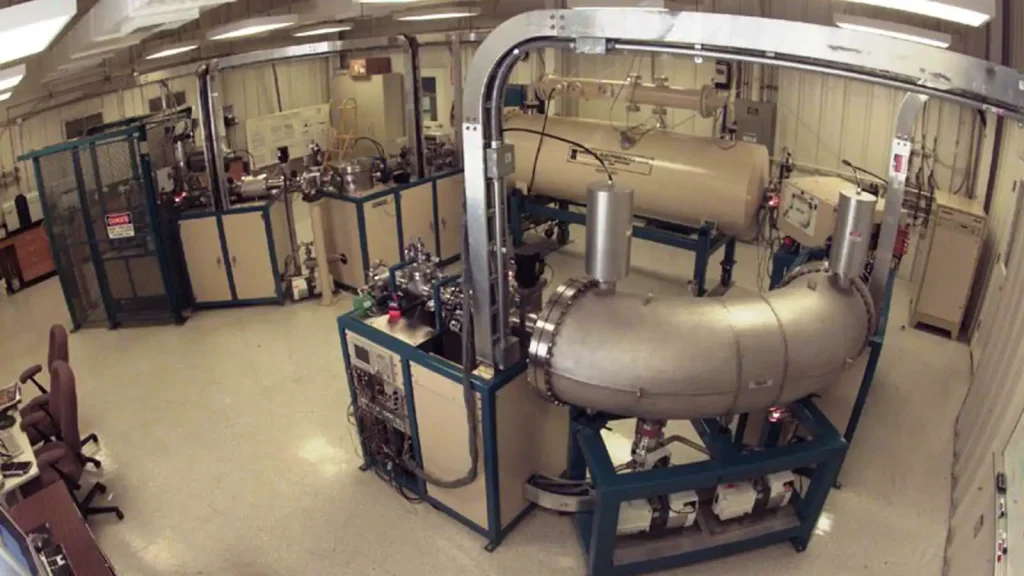
Radiocarbon dating measures the loss of carbon-14 after carbon exchange stops. Calibration and sample context turn that measurement into a useful calendar-age estimate.
How the Immune System Distinguishes Self From Threats
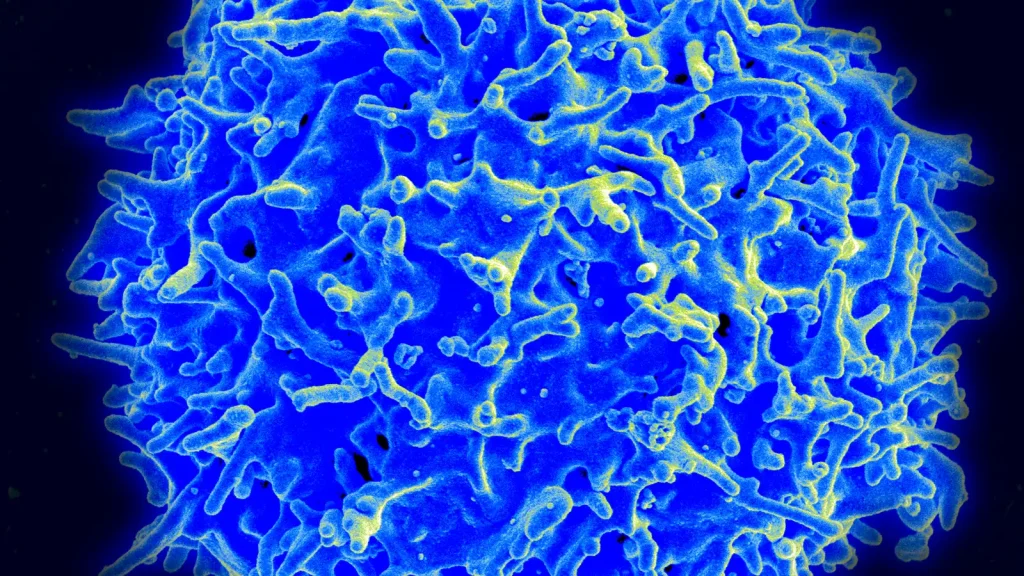
Layered recognition, cellular education and regulatory brakes let immunity respond to danger without routinely attacking the body it protects.
How CRISPR Finds and Edits a DNA Target
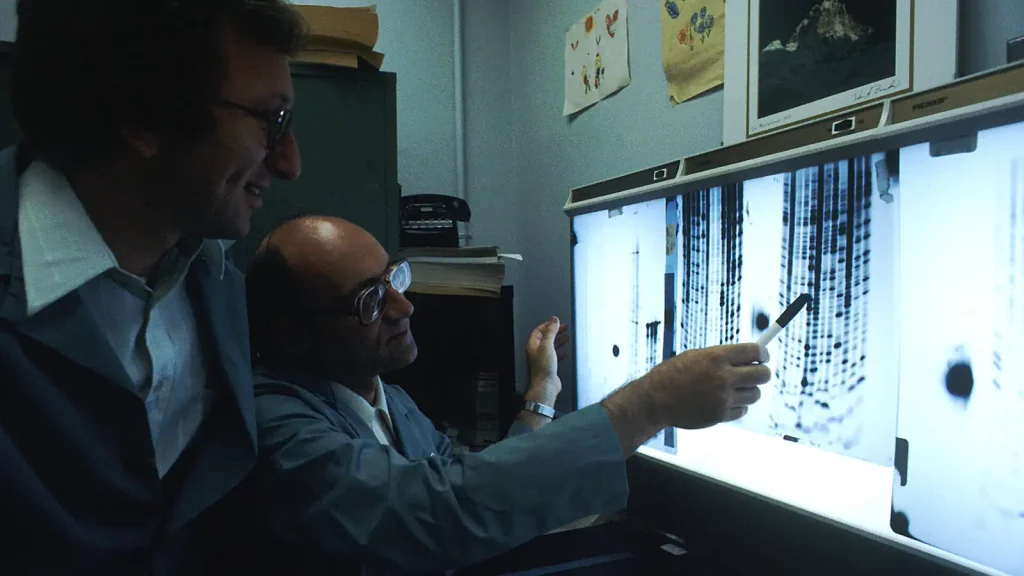
CRISPR-Cas9 uses a guide RNA and a DNA-cutting enzyme to target a sequence. The final edit depends on delivery, target recognition and what happens during DNA repair.
How Crows Recognize Faces and Share Threat Information
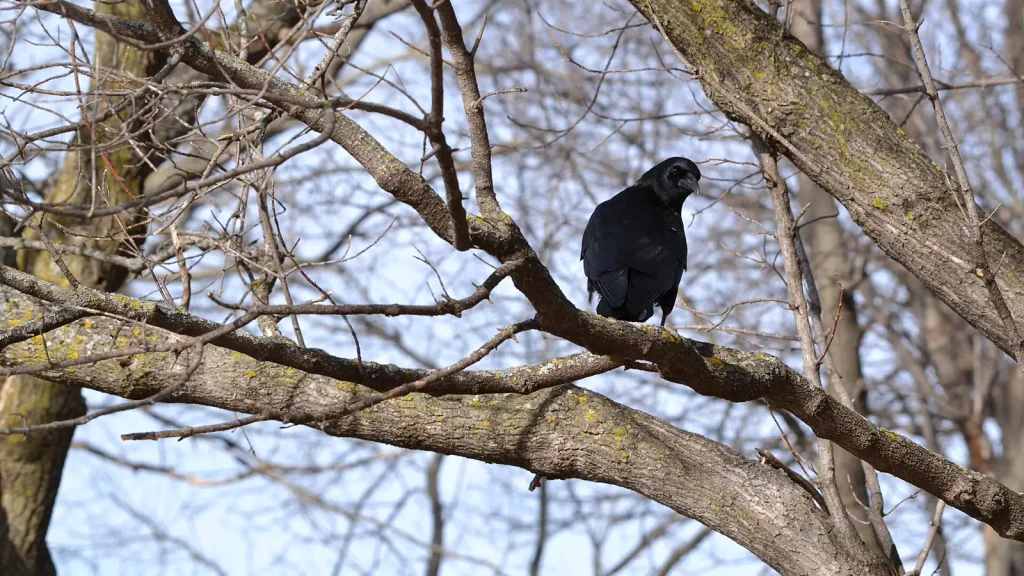
Mask experiments show that American crows can learn threatening faces and spread responses socially. These findings demonstrate memory and learning without implying human-style grudges.
How Seismic Waves Reveal Earth’s Hidden Interior
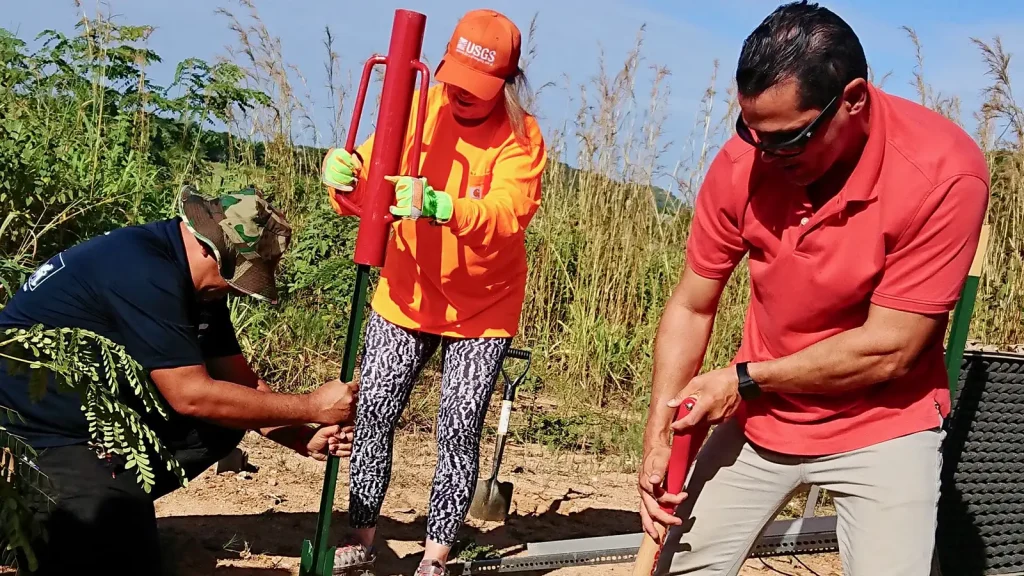
Earthquakes send different kinds of waves through the planet, allowing researchers to map boundaries, materials and motion far below any drill.
Why Some Ancient Roman Concrete Becomes More Resilient Around Cracks
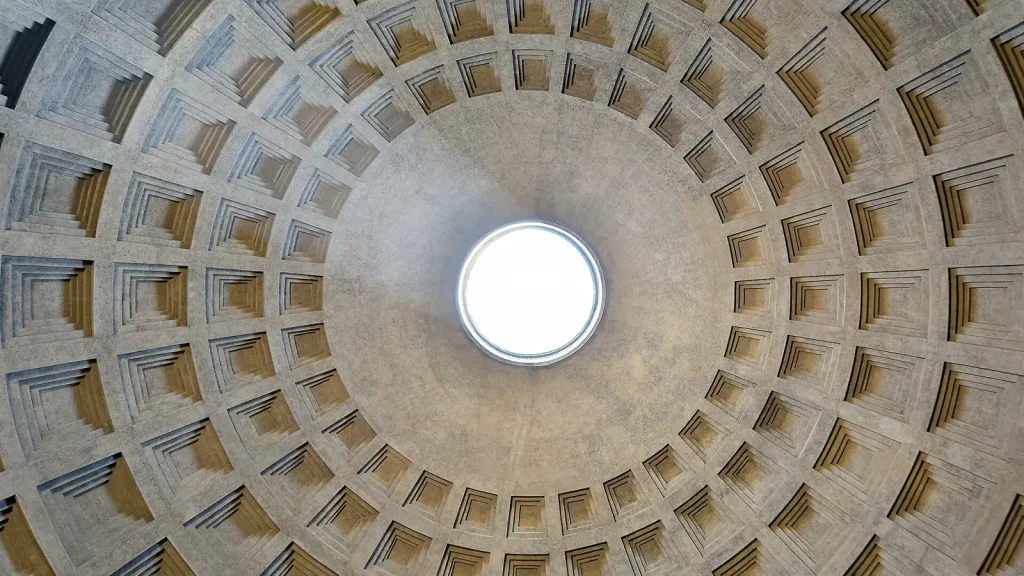
Lime clasts, volcanic materials and water-driven mineral reactions help explain why selected Roman structures endured—and what modern engineers can learn without repeating the myths.
How Coral Reefs Build Islands and Protect Coastlines

Living corals, algae, waves and sediments work across centuries to create reef frameworks, beaches and islands while reducing incoming wave energy.
Why Ice Sometimes Sings, Booms and Cracks
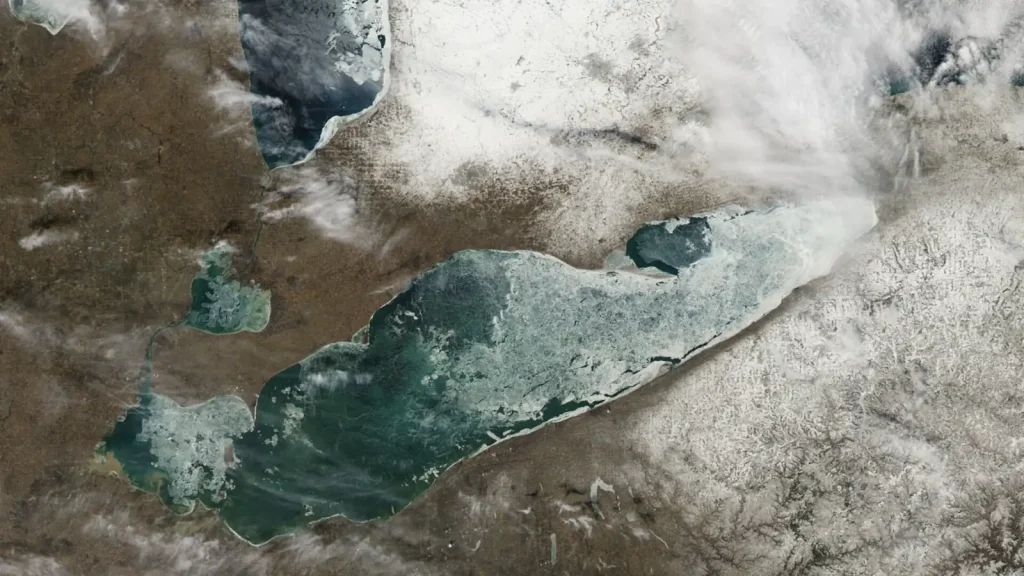
Temperature change, stress and flexing can send vibrations racing through lake ice, glaciers and sea ice as eerie tones and sudden booms.
How Fingerprints Form Before Birth
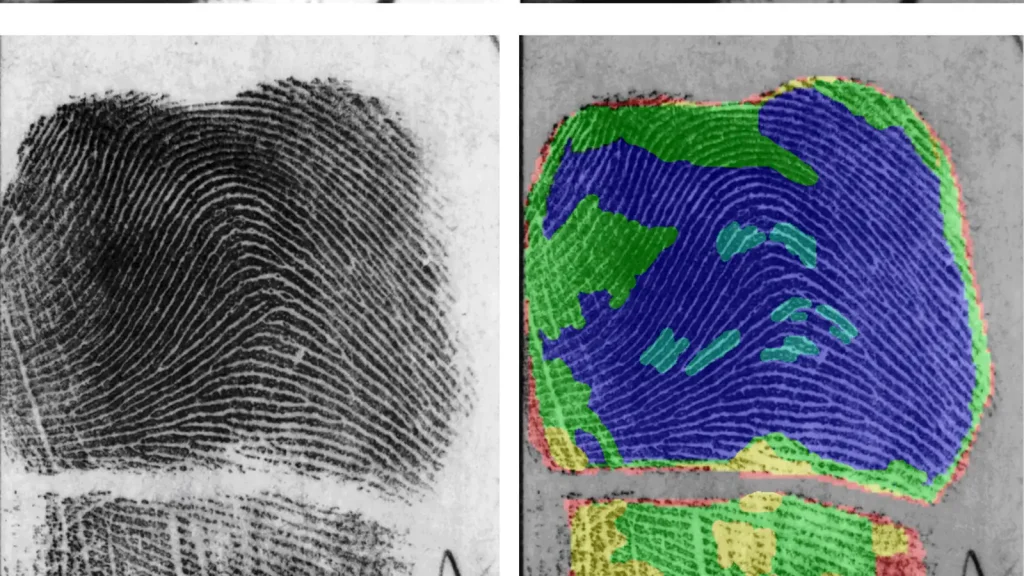
Genes guide the broad design, while growth, pressure and microscopic developmental differences produce ridge patterns that are highly individual.
How Undersea Cables Carry the Global Internet
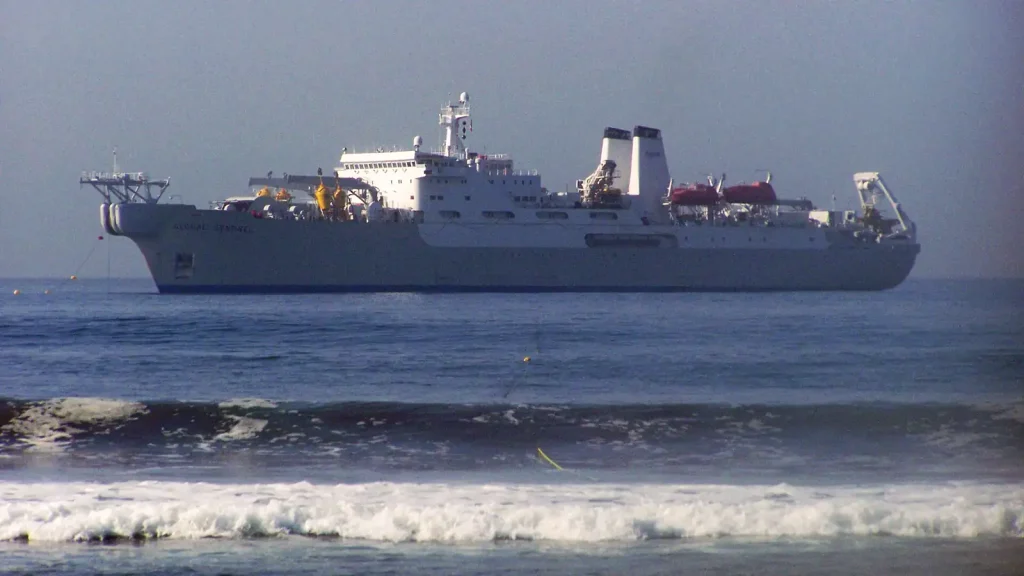
Hair-thin glass fibers inside armored ocean cables move most intercontinental data as pulses of light between landing stations.