
How the Domain Name System Finds a Website

DNS connects domain names with records used to reach internet services. Resolvers, authoritative servers and caches cooperate, while DNSSEC and encryption address different problems.
How Monarch Butterflies Navigate Across a Continent
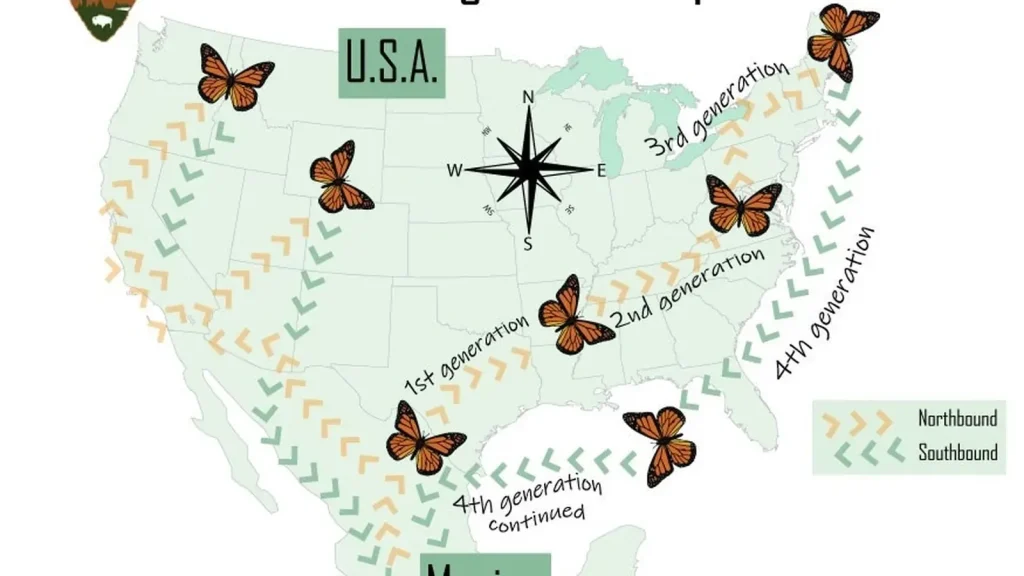
Migrating monarchs combine directional light with biological clocks, and experiments support a magnetic compass too. A compass mechanism is different from a complete position map.
How Scholars Learned to Read Maya Writing
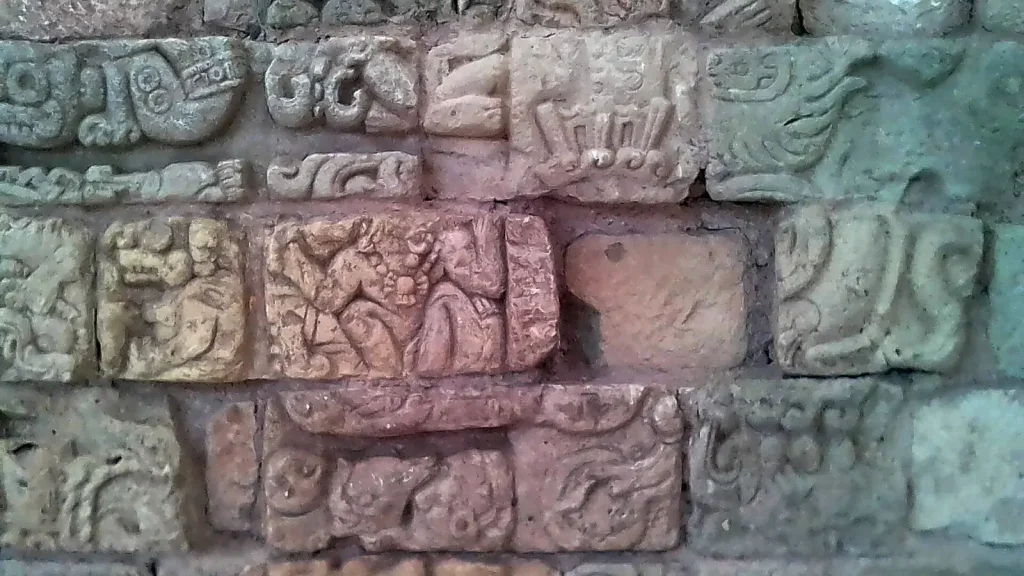
Maya writing combines word signs and syllabic signs. Decipherment advanced by linking sounds, repeated spellings and historical sequences—not by treating every glyph as a picture.
How the Inner Ear Keeps You Balanced
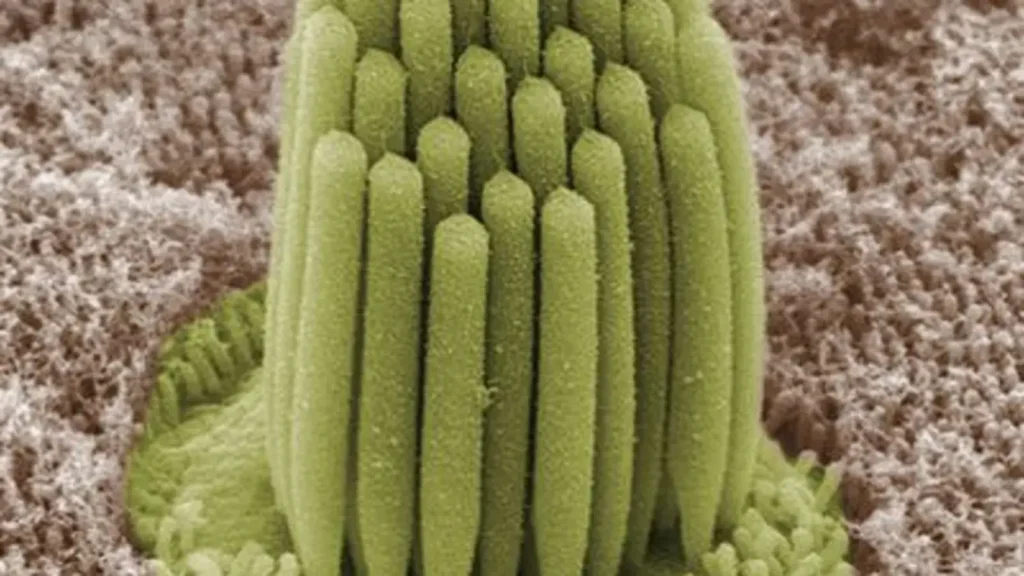
Fluid-filled canals and gravity-sensing organs in the inner ear measure head motion, while the brain combines those signals with vision and body sensation to stabilize movement.
How Trees Lift Water Hundreds of Feet Without a Pump

A continuous hydraulic pathway connects moisture in soil to evaporation from leaves high above the ground.
How Ice Cores Preserve Earth’s Ancient Atmosphere
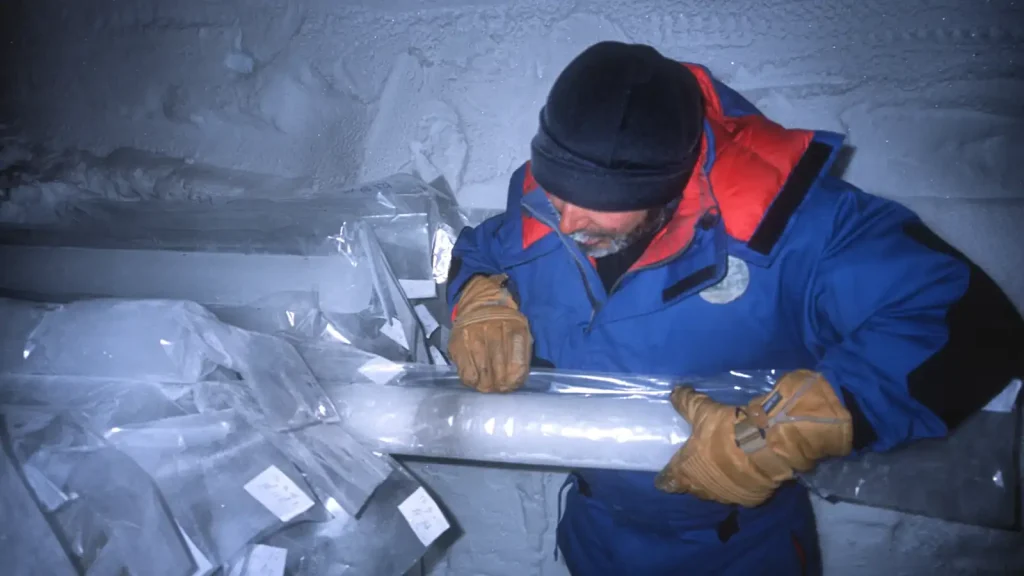
Layered polar ice stores old air, volcanic fallout, dust and water chemistry that scientists use to reconstruct past climates.
How Gravitational Waves Reveal Colliding Black Holes
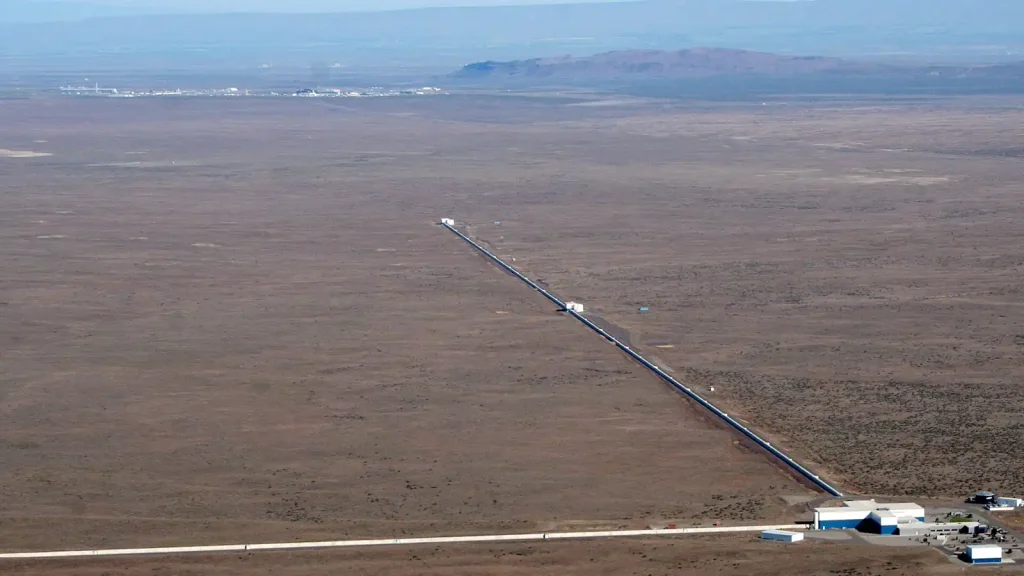
Kilometre-scale laser interferometers measure minute changes in spacetime and reconstruct mergers far beyond the Milky Way.
How Ancient Pollen Reconstructs Lost Landscapes

Microscopic grains preserved in sediment reveal changing forests, wetlands, farms, fires and human land use.
How Electric Eels Generate Powerful Shocks

Thousands of specialized cells fire in sequence, turning ordinary ion gradients into precisely controlled electrical pulses.
How Solar Storms Disturb Earth’s Technology
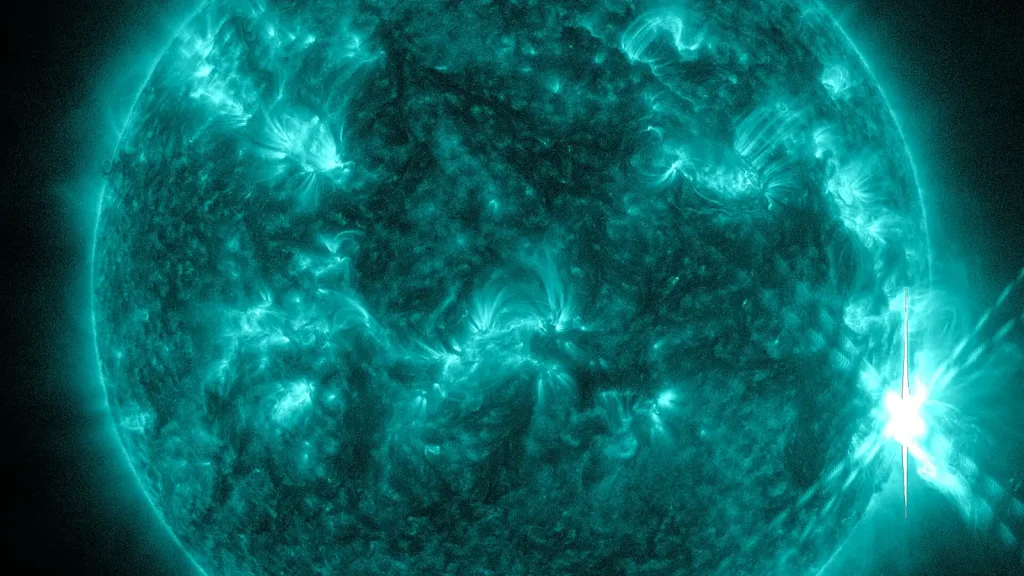
Solar flares, energetic particles and geomagnetic disturbances affect technology through different mechanisms. Impacts depend on the event, its connection to Earth and the system exposed.