
How Quantum Sensors Measure Tiny Changes
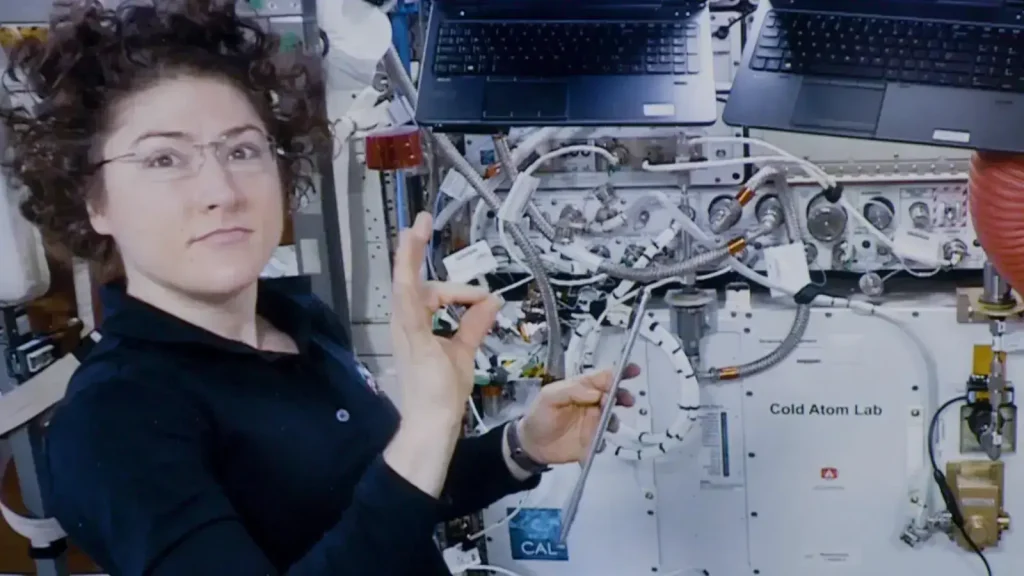
Quantum sensors turn changes in atomic states, spin or interference into measurements of time, fields and motion. Sensitivity still depends on controlling noise.
How Bats Avoid Collisions in Crowded Skies

Crowded flight challenges bat sonar with competing calls and moving obstacles. Experiments show several responses, rather than one universal anti-jamming trick.
How Kelp Forests Reshape Coastal Ecosystems

Kelp creates underwater structure, food and shelter. Grazers, predators, temperature and storms help determine whether a forest persists or becomes an urchin barren.
How Glaciers Create Signals Scientists Can Hear

Cracking ice, sliding and calving generate vibrations. Seismic instruments help separate these processes, but a glacier recording needs context before it becomes an explanation.
How Neutrinos Reveal What Happens Inside the Sun
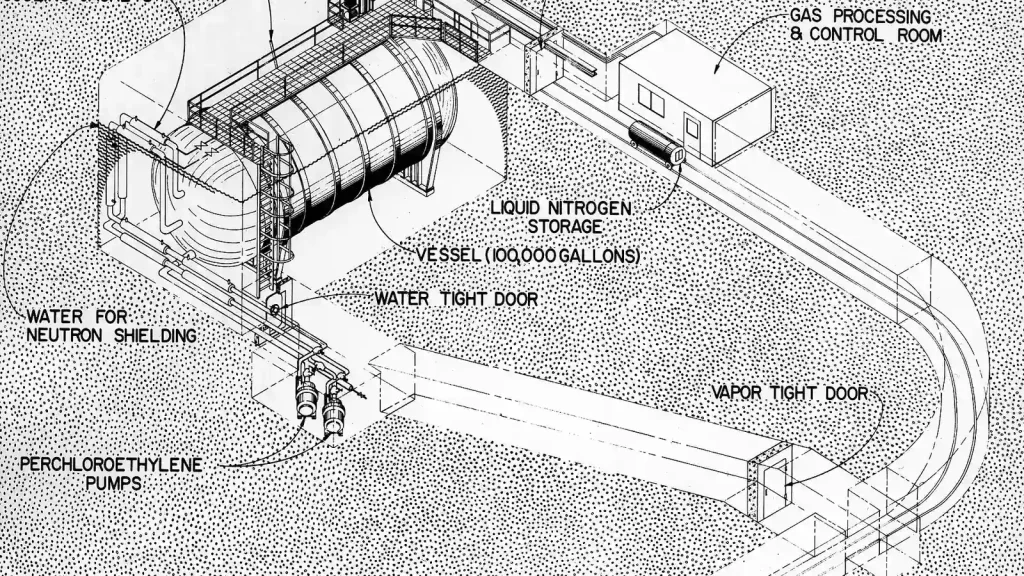
Solar neutrinos carry evidence of fusion from deep inside the Sun. Underground detectors measure rare interactions and distinguish changes in flavour from missing energy.
How Starlight Reveals the Elements in Distant Suns

A star’s spectrum contains patterns tied to atomic energy levels. Reading those patterns reveals composition, while temperature, motion and line blending complicate the analysis.
How Cells Keep Time Without Watching a Clock

Networks of clock genes create near-24-hour cycles inside cells, and light helps a brain-based master clock coordinate those rhythms with the outside world.
How the Blood–Brain Barrier Controls What Reaches the Brain
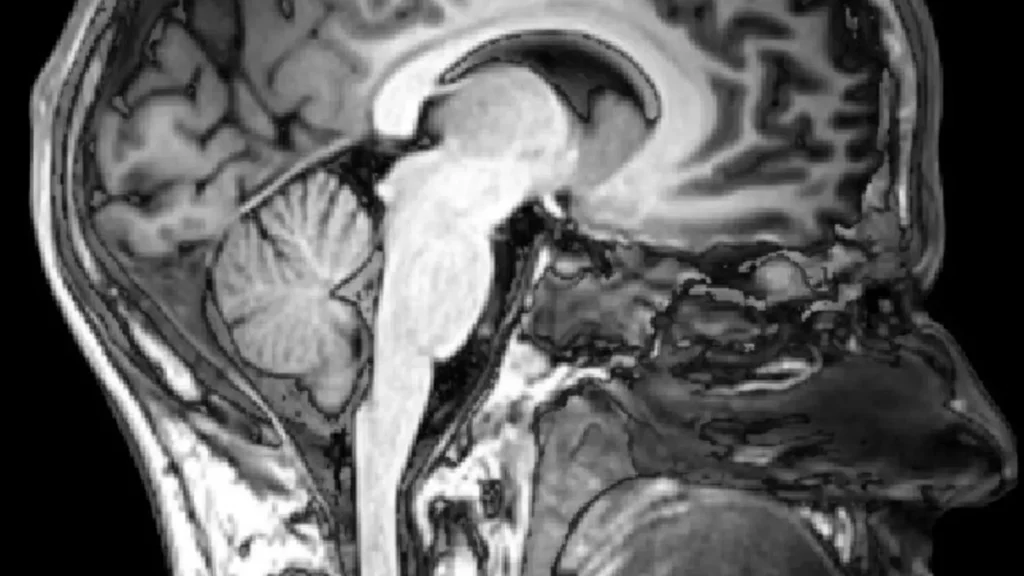
Specialized blood-vessel cells, supporting cells and transport systems tightly regulate movement between circulating blood and brain tissue while still delivering oxygen and essential nutrients.
How the Liver Rebuilds Lost Tissue
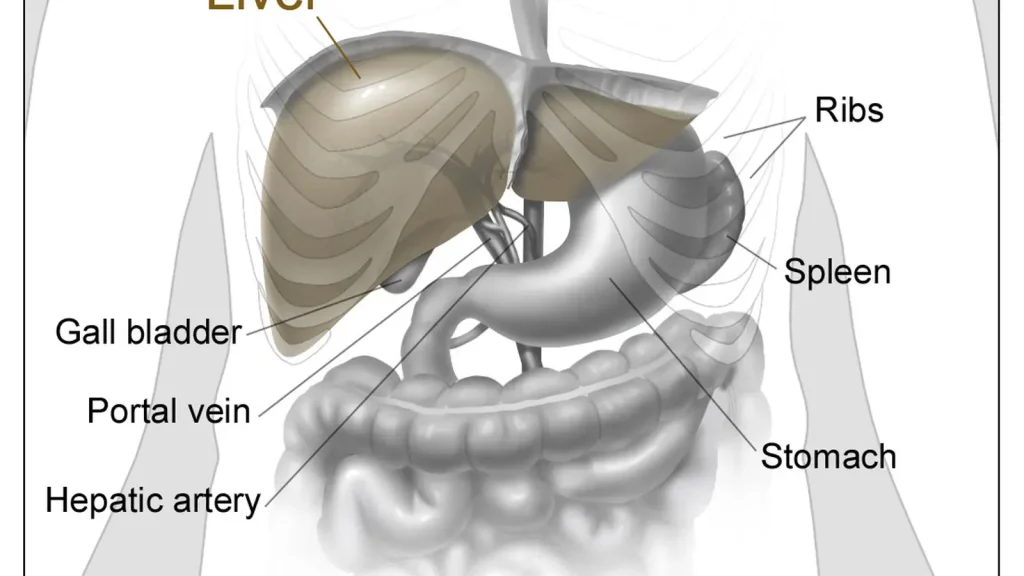
The liver can restore much of its functional mass after injury or surgery mainly by prompting surviving mature cells to re-enter the cell cycle, although severe or repeated damage can overwhelm that capacity.
How Heat Pumps Move More Heat Than the Electricity They Use
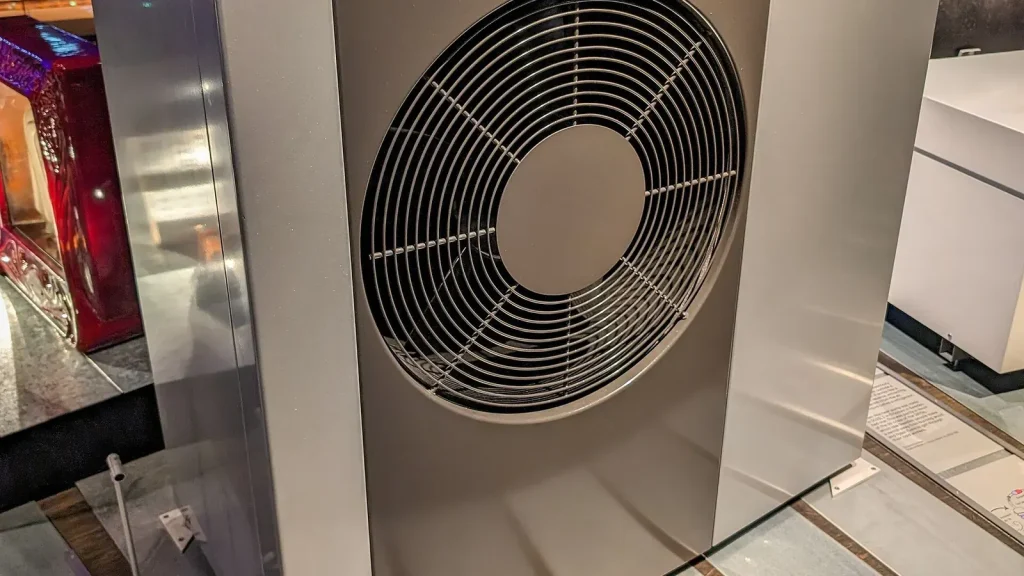
Heat pumps deliver energy collected from their surroundings alongside electrical work. Their heating output can exceed their electricity use without violating energy conservation.