
Animal Adaptations
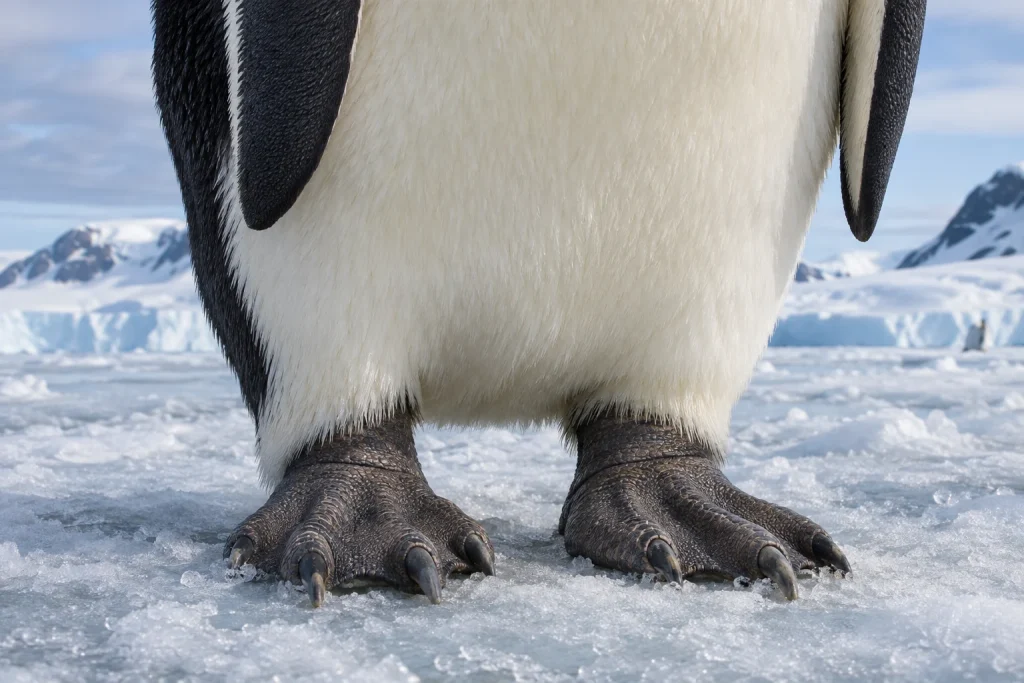
Why Don’t Penguins’ Feet Freeze on Ice?
Keeping every toe at body temperature would waste precious energy. Penguins use a more subtle combination of circulation, insulation and posture.
Nov 8, 2026 • 6 min readExplore how animals meet the challenges of their environments, from camouflage and migration to feeding, reproduction and survival.
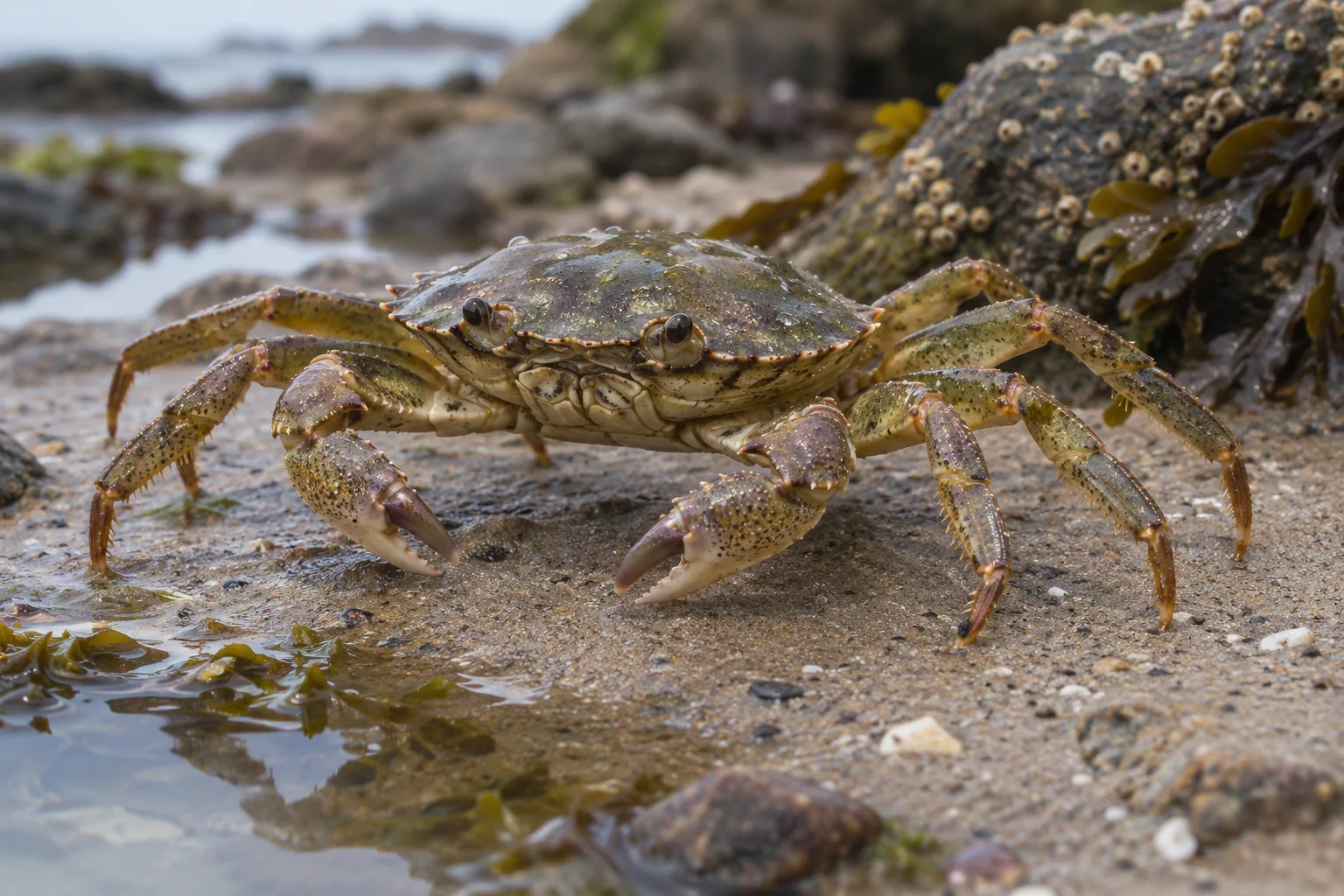
Sideways walking suits the joint movements of many crabs, but it is a preference with important exceptions rather than a rule for every crab.
Nov 16, 2026 • 6 min readRead the discovery →New stories, explanations and research from Animal Adaptations.
Keeping every toe at body temperature would waste precious energy. Penguins use a more subtle combination of circulation, insulation and posture.
Nov 8, 2026 • 6 min read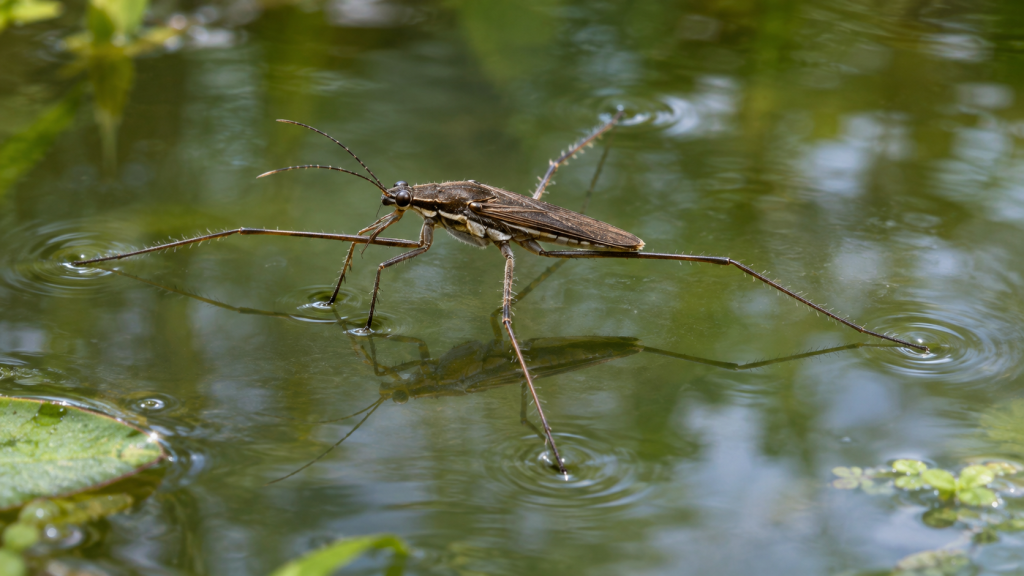
Water striders are supported by the forces around the curved water surface beneath their long, water-repellent legs. Fine leg structures help resist wetting, while…
Nov 3, 2026 • 7 min read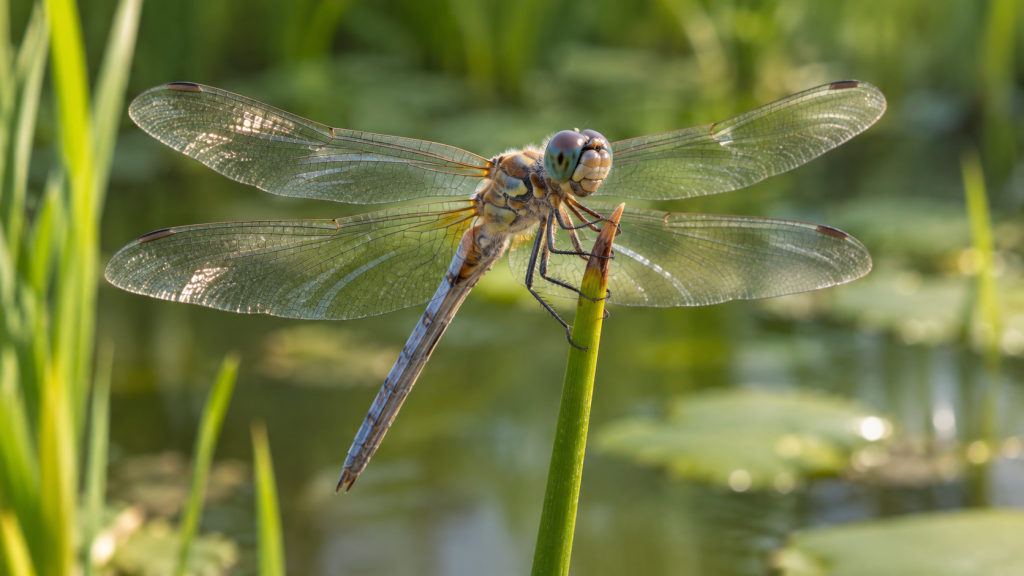
Dragonflies generate aerodynamic forces by flapping and rotating two pairs of wings. They can vary the timing and motion of their forewings and hindwings,…
Nov 1, 2026 • 8 min read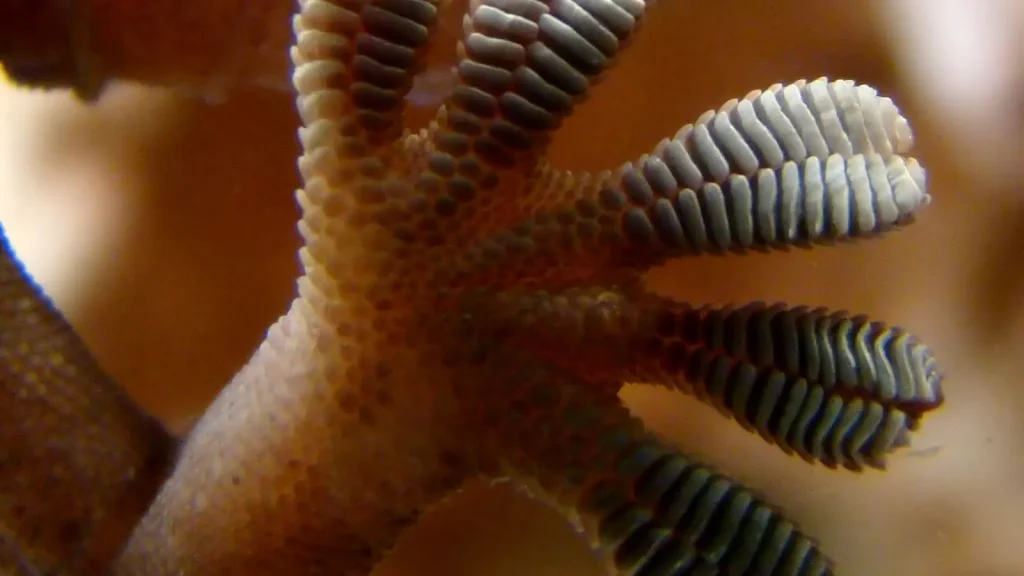
Many geckos cling without glue or suction cups. Microscopic hairs called setae branch into nanoscale tips that make extremely close contact with a surface.…
Oct 1, 2026 • 4 min read
Keeping every toe at body temperature would waste precious energy. Penguins use a more subtle combination of circulation, insulation and posture.
Nov 8, 2026 • 6 min read
Water striders are supported by the forces around the curved water surface beneath their long, water-repellent legs. Fine leg structures help resist wetting, while…
Nov 3, 2026 • 7 min read
Dragonflies generate aerodynamic forces by flapping and rotating two pairs of wings. They can vary the timing and motion of their forewings and hindwings,…
Nov 1, 2026 • 8 min read
Many geckos cling without glue or suction cups. Microscopic hairs called setae branch into nanoscale tips that make extremely close contact with a surface.…
Oct 1, 2026 • 4 min readOne remarkable idea at a time—nature, science, history and beyond.