
How Do Vinyl Records Make Sound?
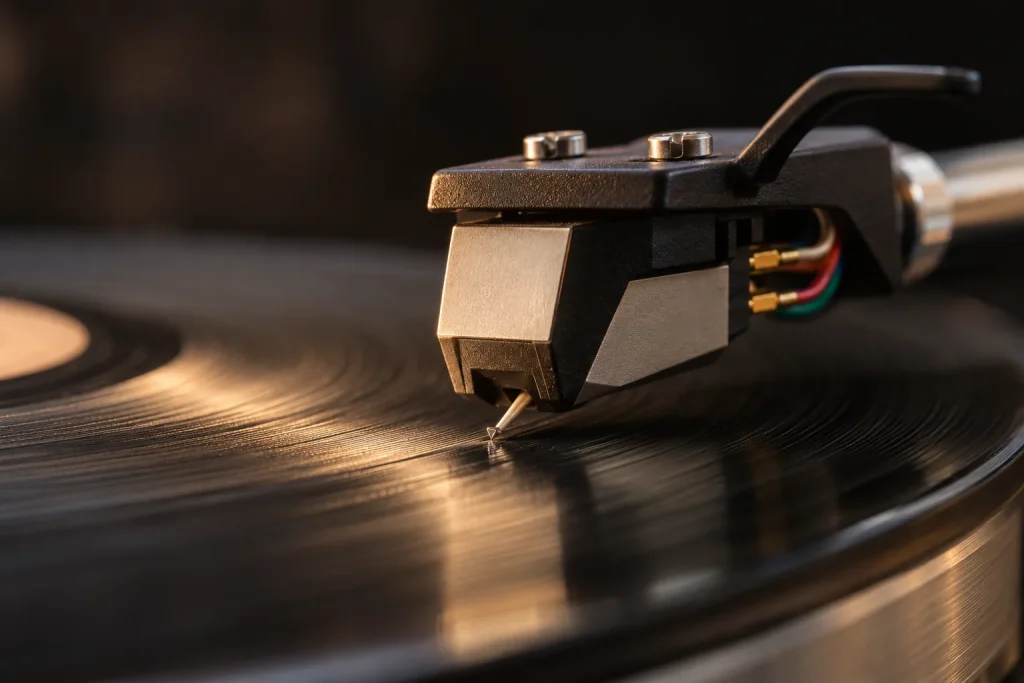
A record holds a physical pattern of recorded sound. The stylus follows that pattern, and the playback system turns its tiny movements into music.
How Do Scallops Swim?
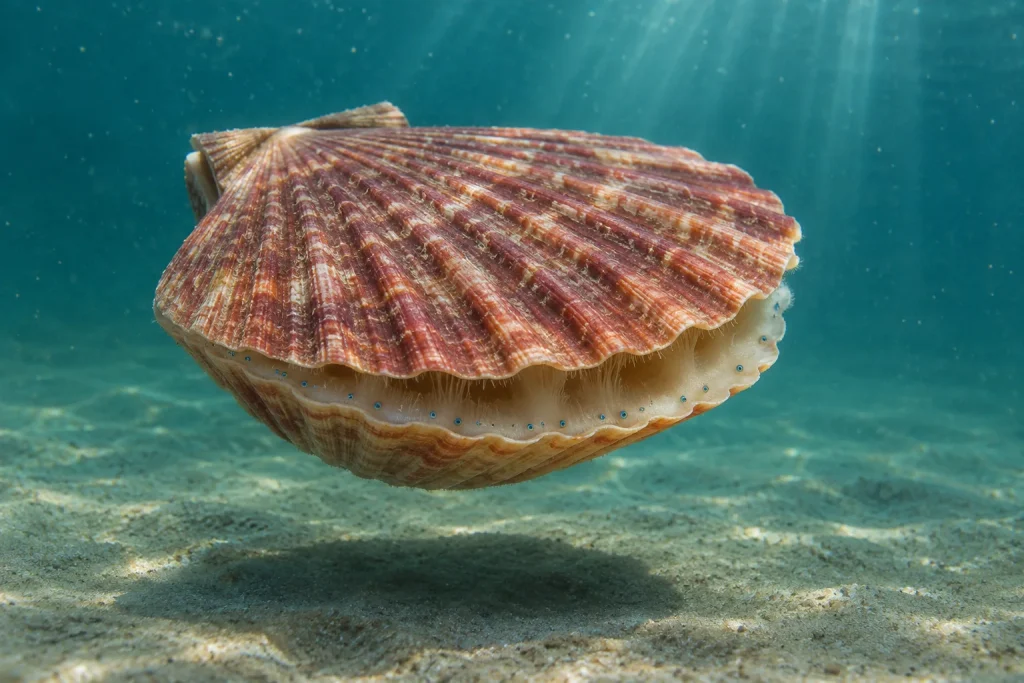
A scallop can turn its shell into a pump. Rapid muscle contractions expel water, while an elastic hinge helps reset the shell for another stroke.
Why Does Cork Float?
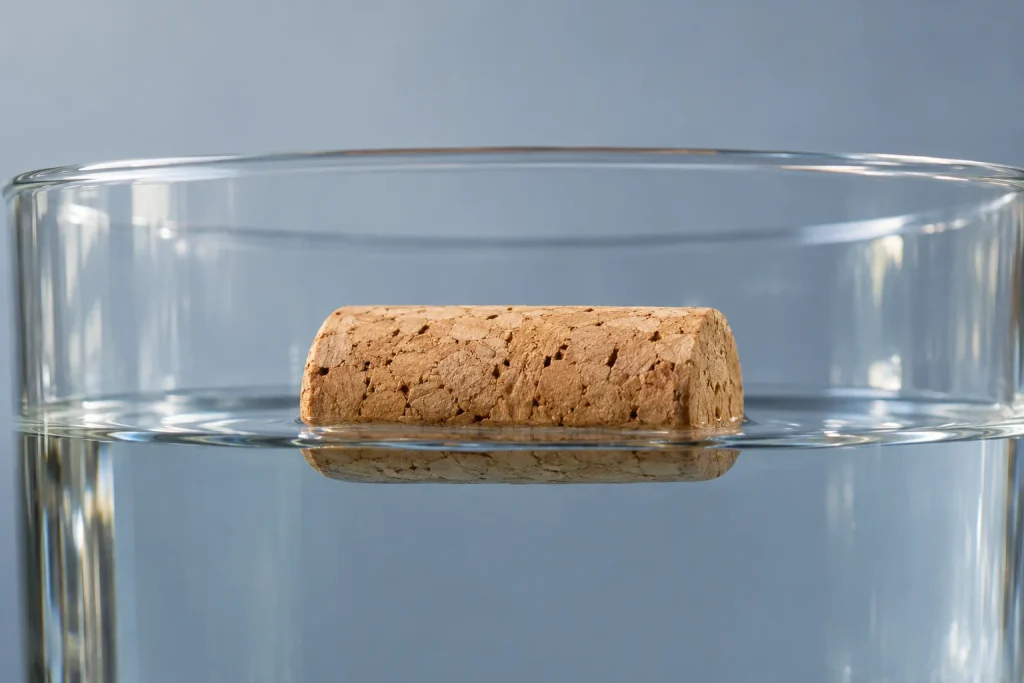
The solid walls inside cork are not exceptionally light. Its floating ability comes from the much larger structure those thin walls enclose.
How Do Lightning Rods Protect Buildings?
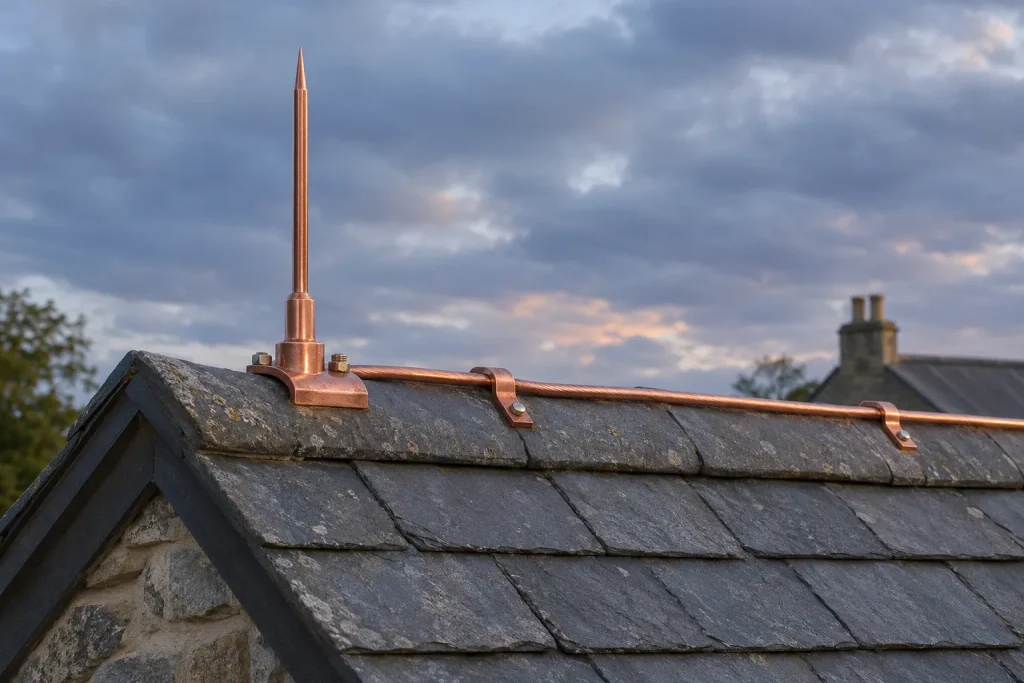
The metal point on a roof is the visible part of a much larger system designed to intercept a strike and give its current a controlled route toward earth.
Why Do Goats Have Rectangular Pupils?

A goat’s horizontal pupils are part of a visual system suited to watching for danger while feeding. Their shape is only one piece of the explanation.
How Does Petrified Wood Form?
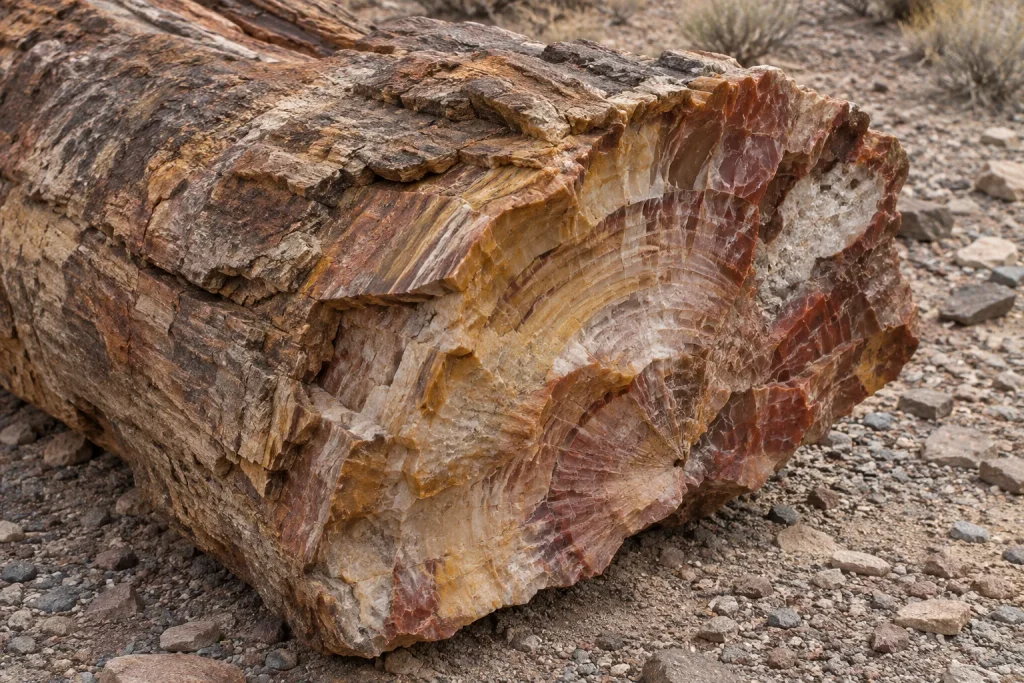
A stone can preserve the grain and cells of a tree. Petrified wood records a race between decay, groundwater movement and mineral deposition.
Why Does the Moon Always Show the Same Face?
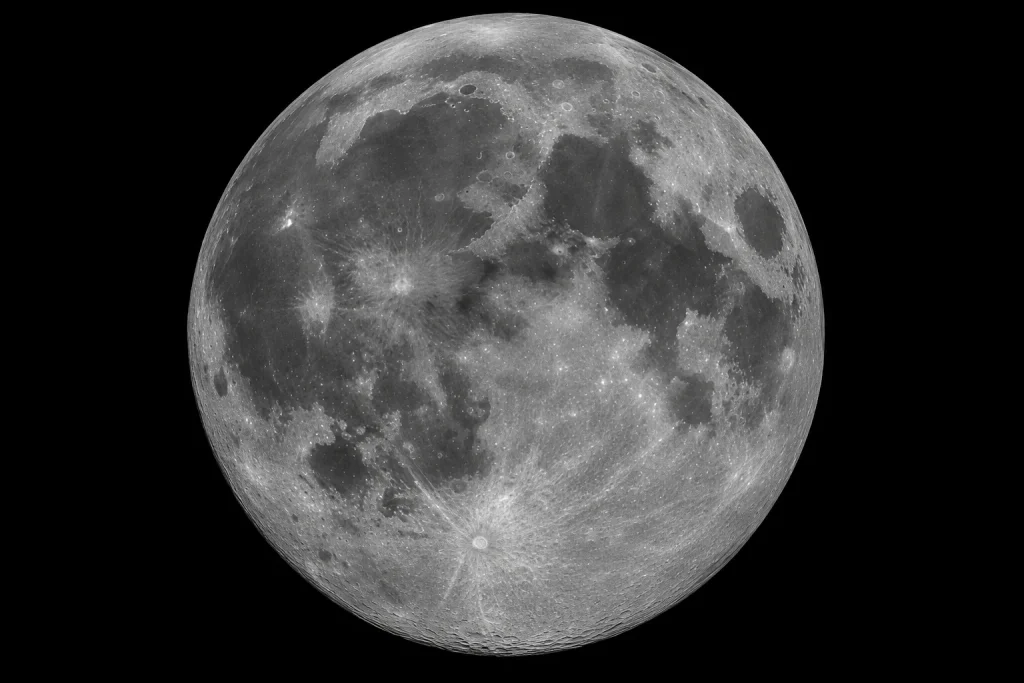
The Moon keeps familiar features facing Earth because its spin and orbit are synchronized. That does not mean it has stopped rotating—or that its far side lacks sunlight.
How Do Sea Sponges Pump Water?
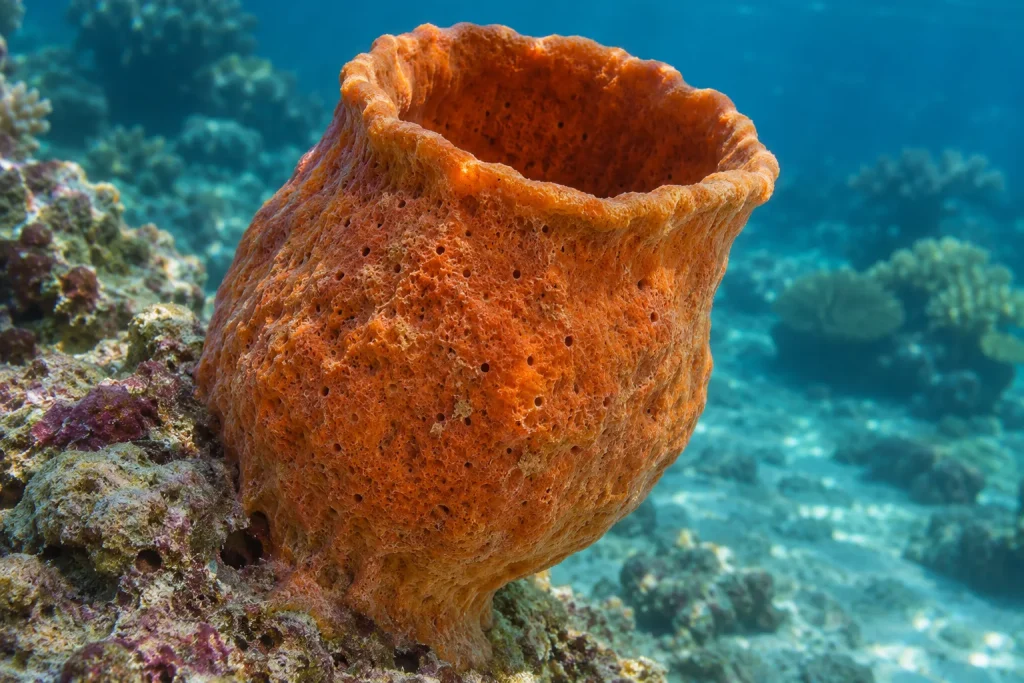
A sponge can remain fixed to a reef while continually moving water through itself. Its pumping machinery works at the scale of cells.
How Do Suction Cups Stick?
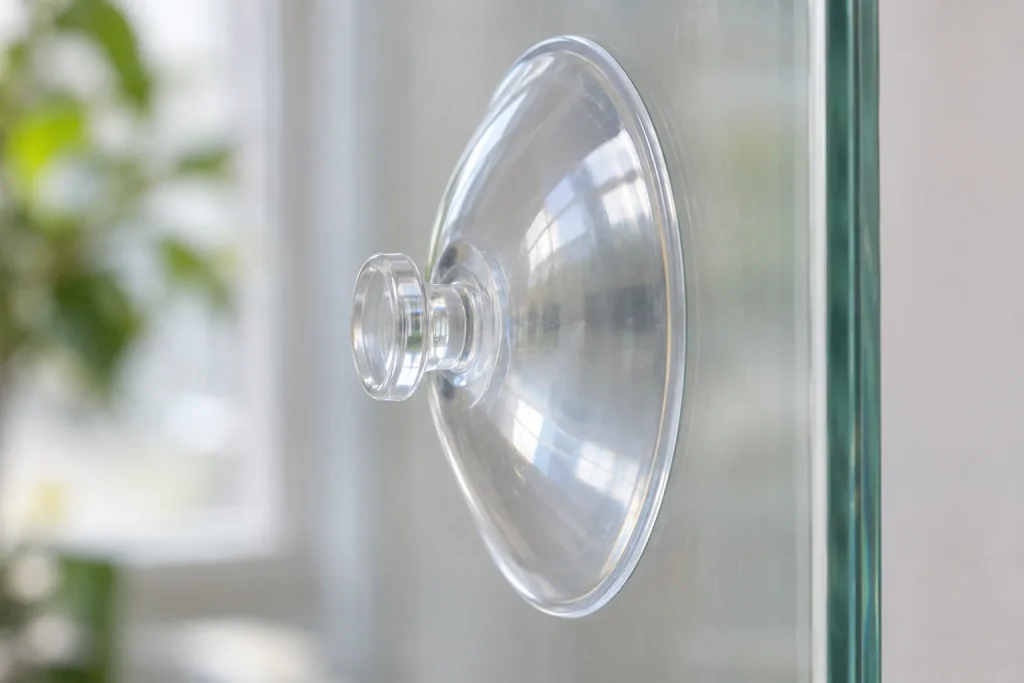
A suction cup turns a small sealed pocket into a useful pressure difference. Its soft rim matters as much as the space beneath its dome.
Why Do Cacti Have Spines?
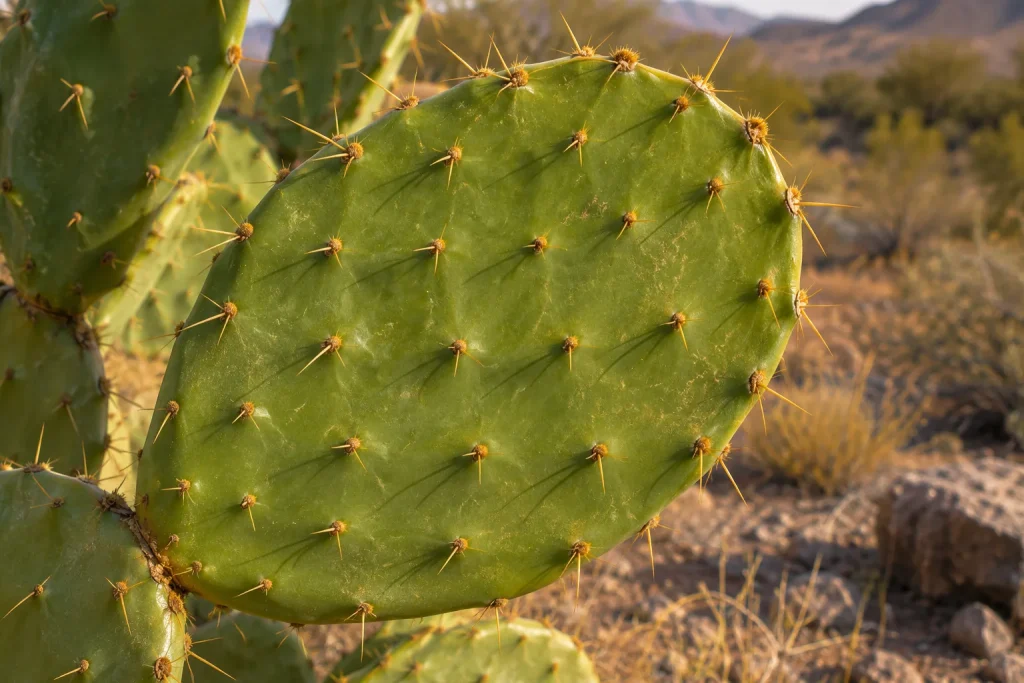
A cactus’s spiny covering does more than discourage a bite. Its geometry can change the light, air and moisture around the water-storing stem.