
How Do Parachutes Slow a Fall?
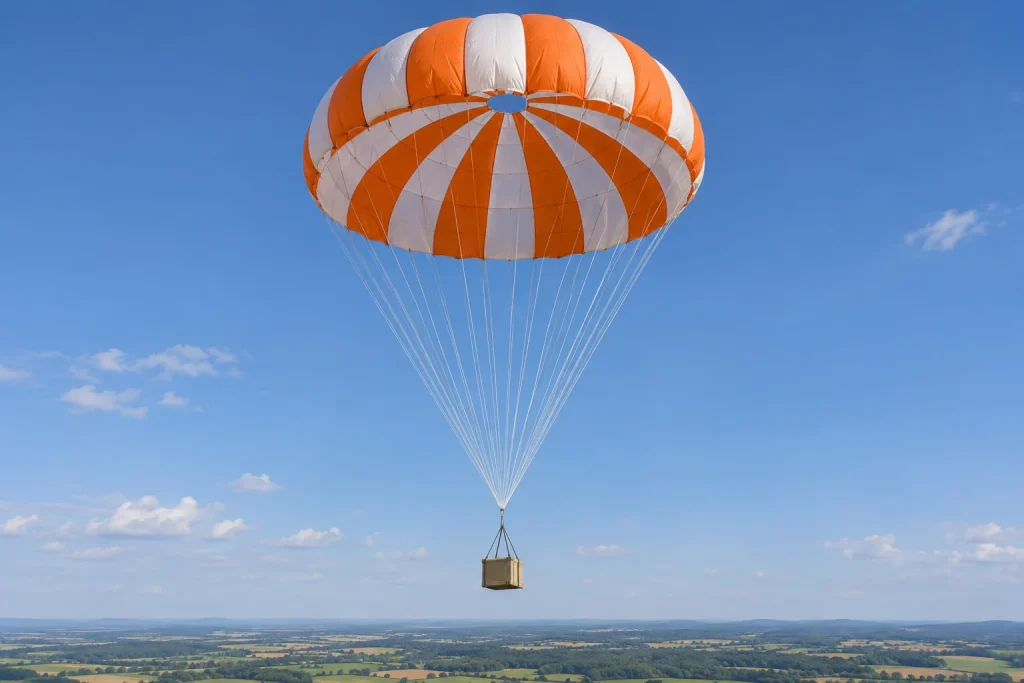
An inflated canopy changes the balance between weight and aerodynamic forces. Its job is to reshape a fall, not switch gravity off.
How Does a Siphon Move Water Uphill?
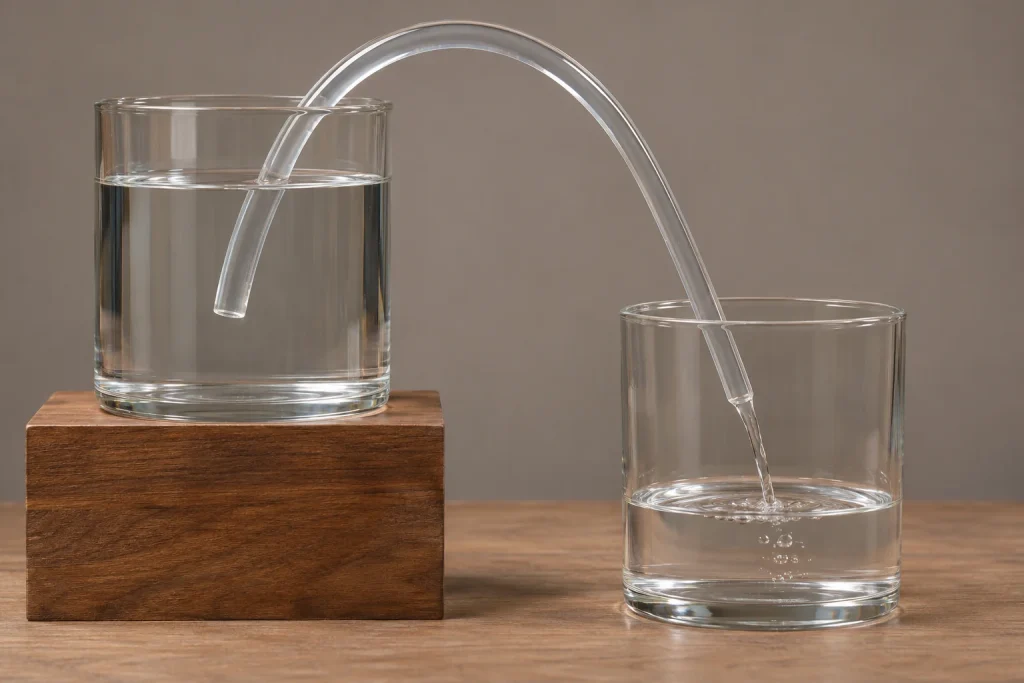
Part of the water climbs, but the complete flow loses height. A siphon works because pressure and gravity act through a connected moving liquid.
Why Do Deer Shed and Regrow Their Antlers?

A deer’s antlers are not permanent horns. They are a seasonal structure built from living tissue, exposed as hard bone and eventually cast off before the next cycle.
Why Does Ferrofluid Form Spikes Near a Magnet?
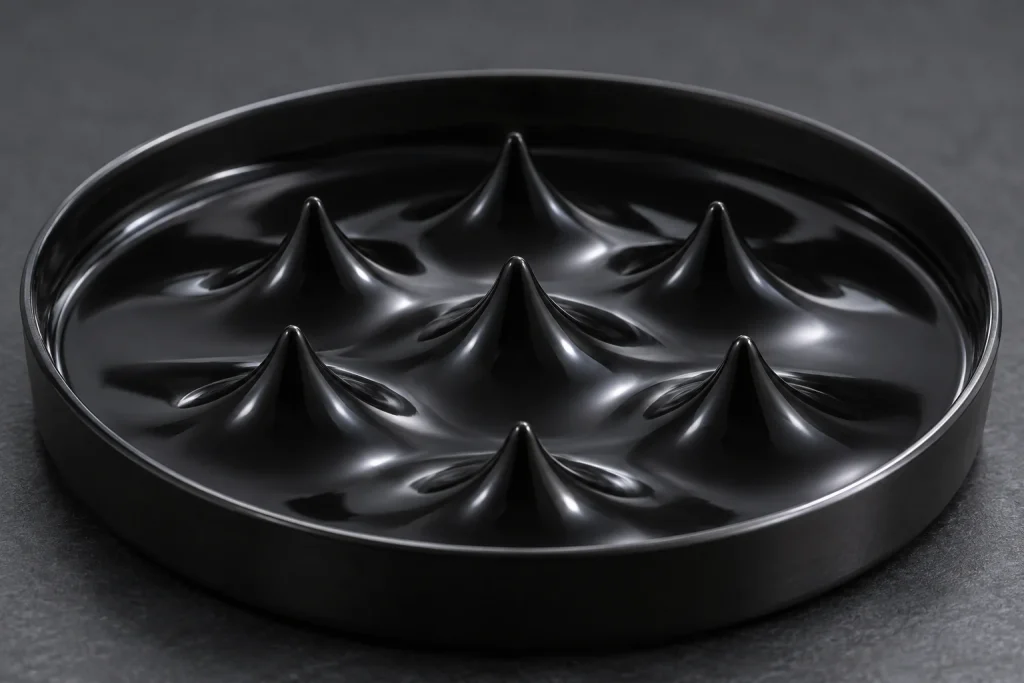
A glossy liquid can rise into an orderly field of peaks without turning into a solid. The shape reflects a competition between magnetism and the forces that flatten its surface.
How Do Avalanches Start?
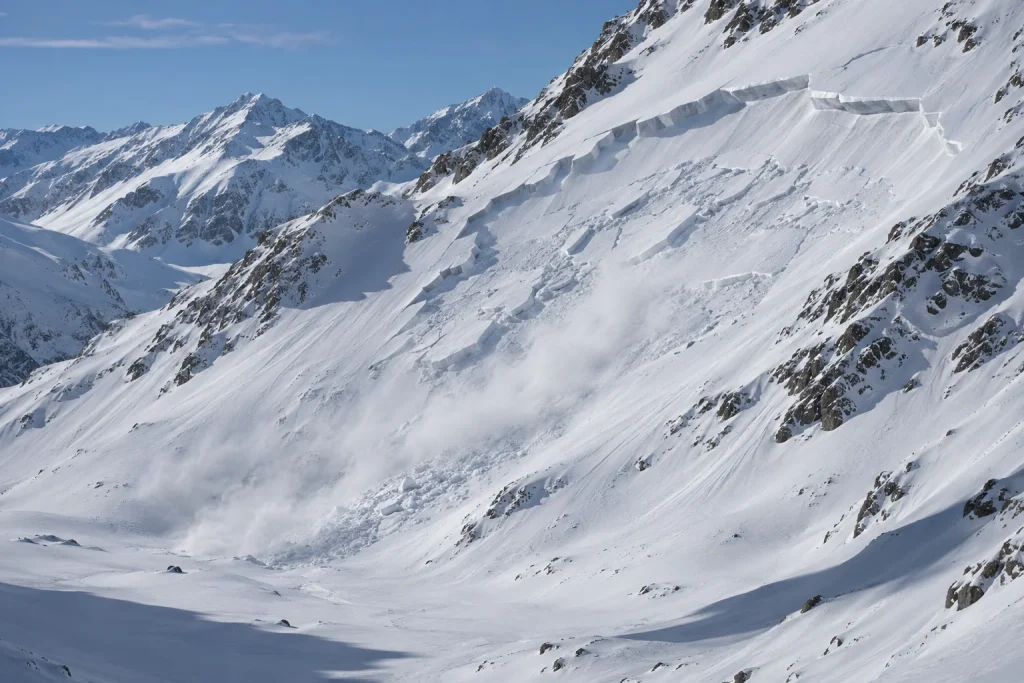
A mountainside’s snow is a layered material with a changing internal structure. In a slab avalanche, a local failure can grow into a fracture that releases a much larger mass.
How Do Tuning Forks Produce a Clear Note?
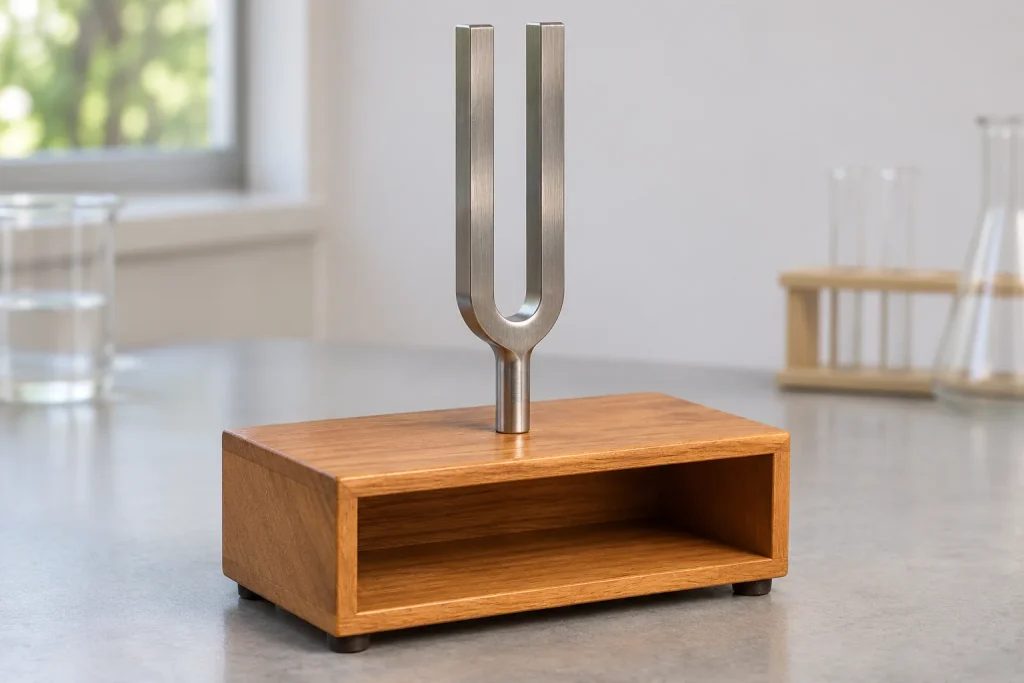
Two metal prongs can turn an untidy impact into a remarkably clear note. Their geometry selects a vibration, while resonance makes that small movement easier to hear.
How Do Pufferfish Inflate?
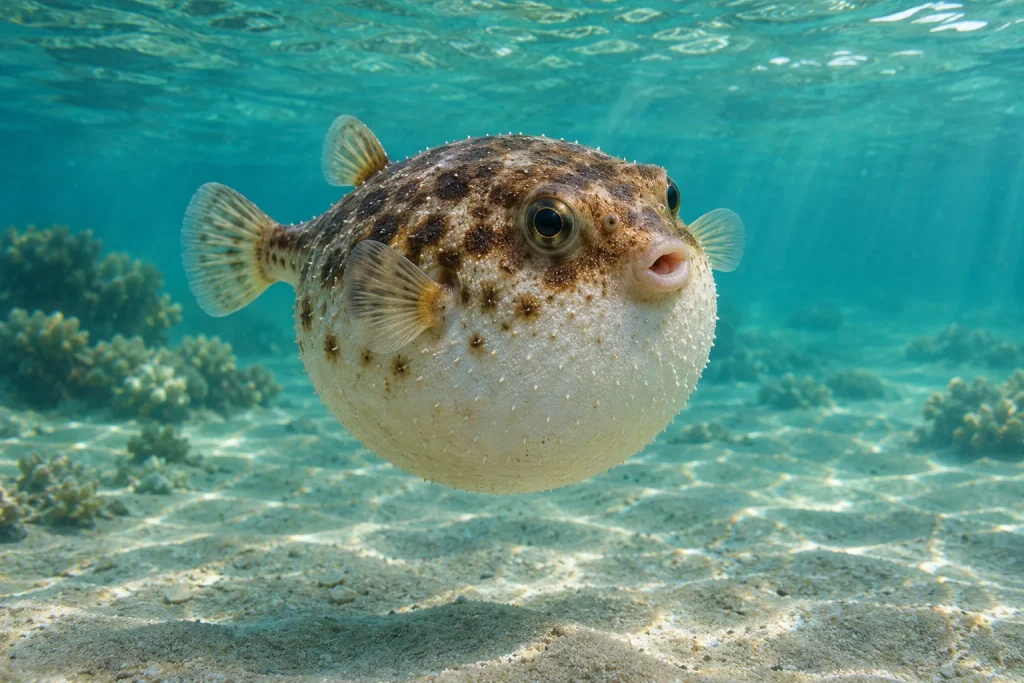
A pufferfish changes shape by moving water into its stomach. The transformation depends on a coordinated pump, specialized tissues and a surprisingly separate breathing system.
Why Do Golf Balls Have Dimples?

Small hollows change the airflow around a sphere. The surprising advantage comes from the wake behind the ball, not simply the smoothness of its surface.
Why Do Some Beaches Have Black Sand?
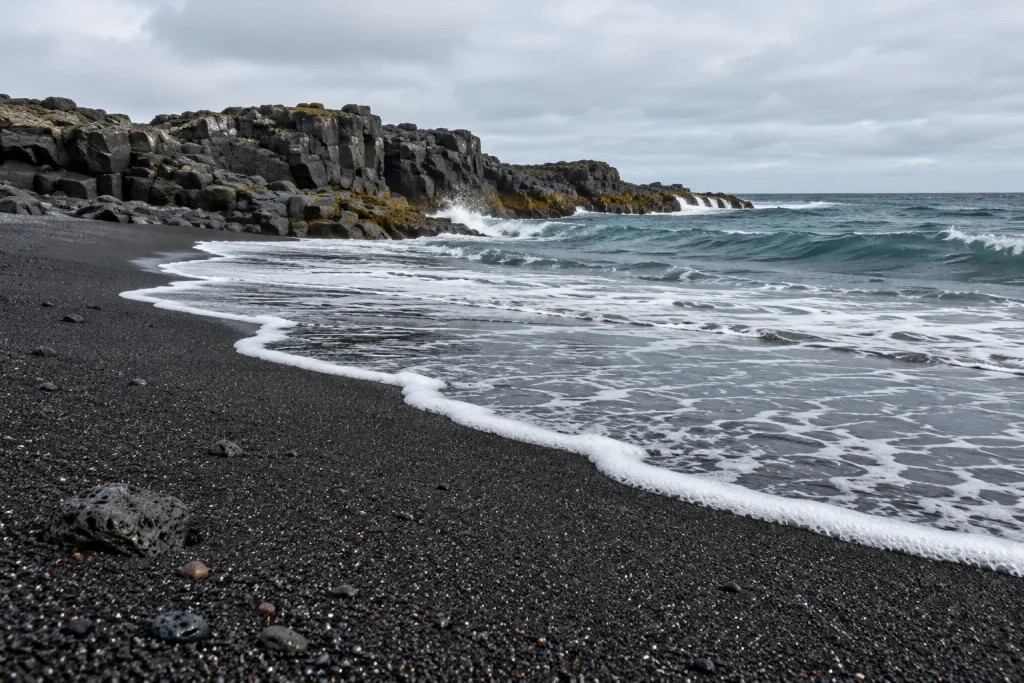
A black beach can record volcanic fragmentation, erosion or mineral sorting. Its colour is a clue to a journey, not one universal recipe.
How Do Piezoelectric Materials Turn Pressure into Electricity?
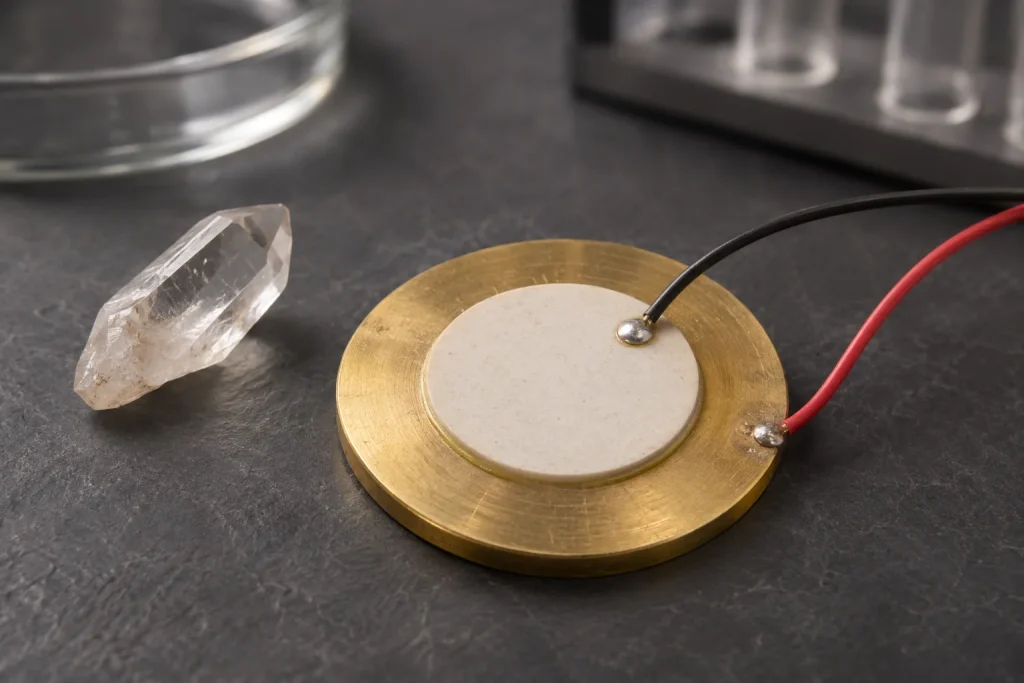
A tap can produce a signal, and a voltage can produce motion. Piezoelectricity connects the two through the internal structure of particular materials.