
How Do Cuttlefish Control Their Buoyancy?
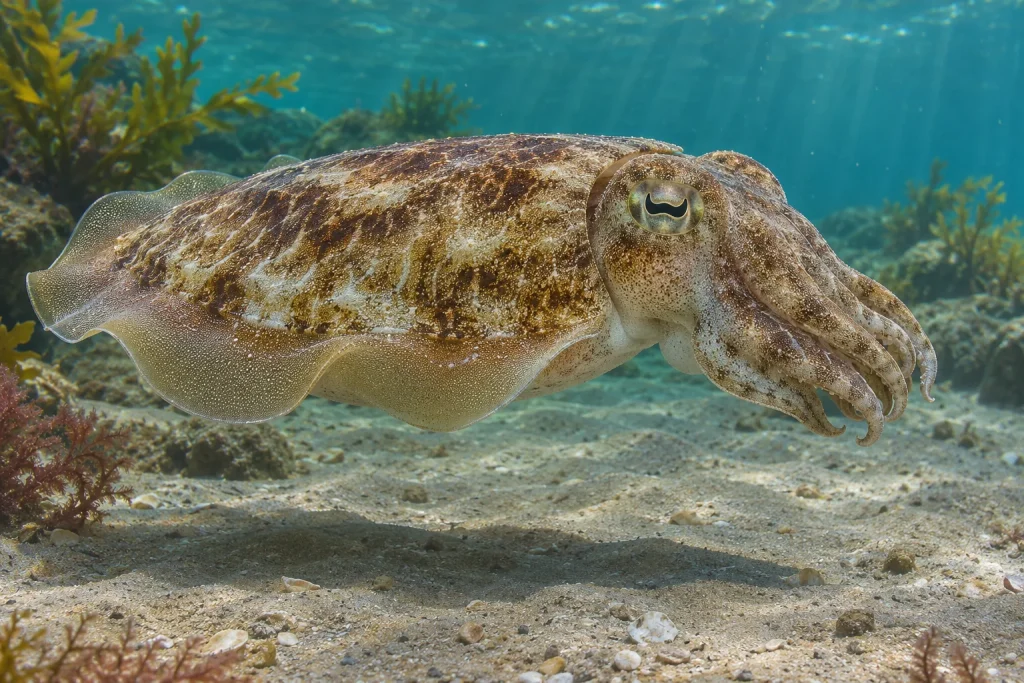
A lightweight internal shell helps a cuttlefish hover. Its buoyancy system changes the distribution of liquid while a rigid structure supports gas-filled space.
How Do Archerfish Shoot Down Insects?
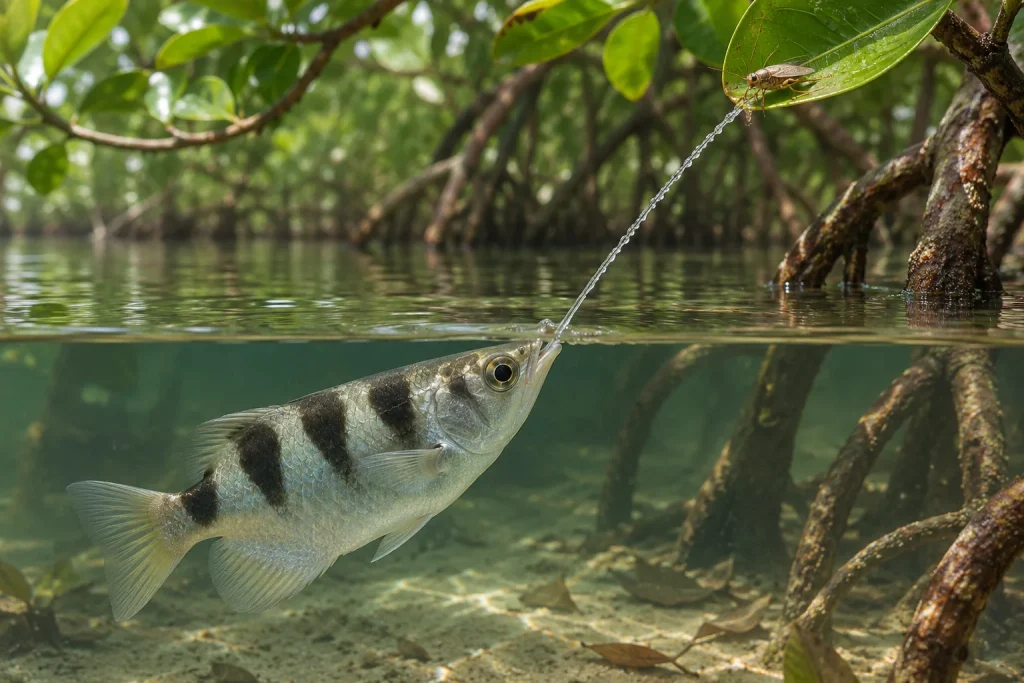
A fish’s accurate water jet links vision, fluid mechanics and rapid movement. Its hunting skill depends on when the water arrives as well as where it goes.
How Do Transformers Change Voltage?
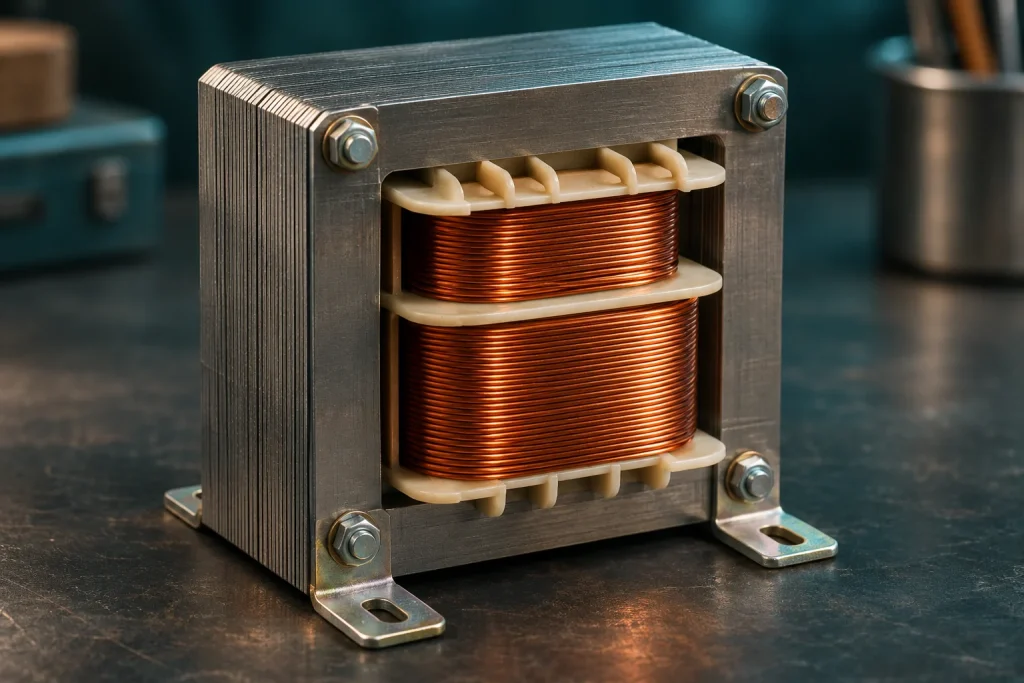
Two coils and a changing magnetic field let a transformer trade voltage for current. That simple relationship helps electricity travel across a continent.
Why Do Ducks’ Feathers Repel Water?
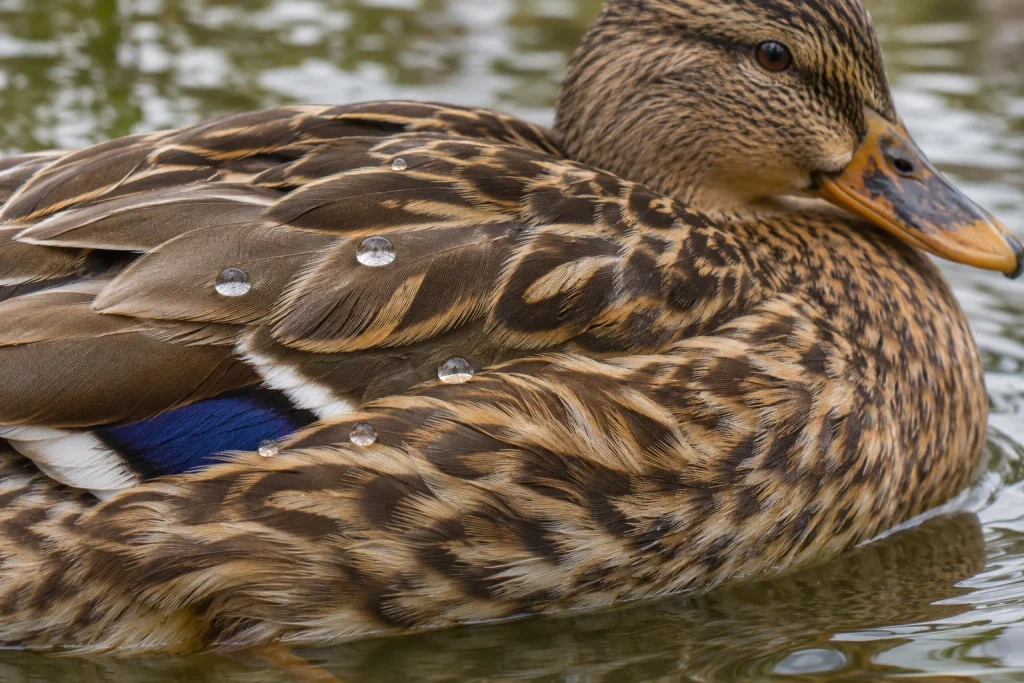
Water beads on a duck’s plumage because a living feather coat combines fine structure, surface chemistry and constant care. Preen oil is only part of the explanation.
Why Does a Whip Crack?
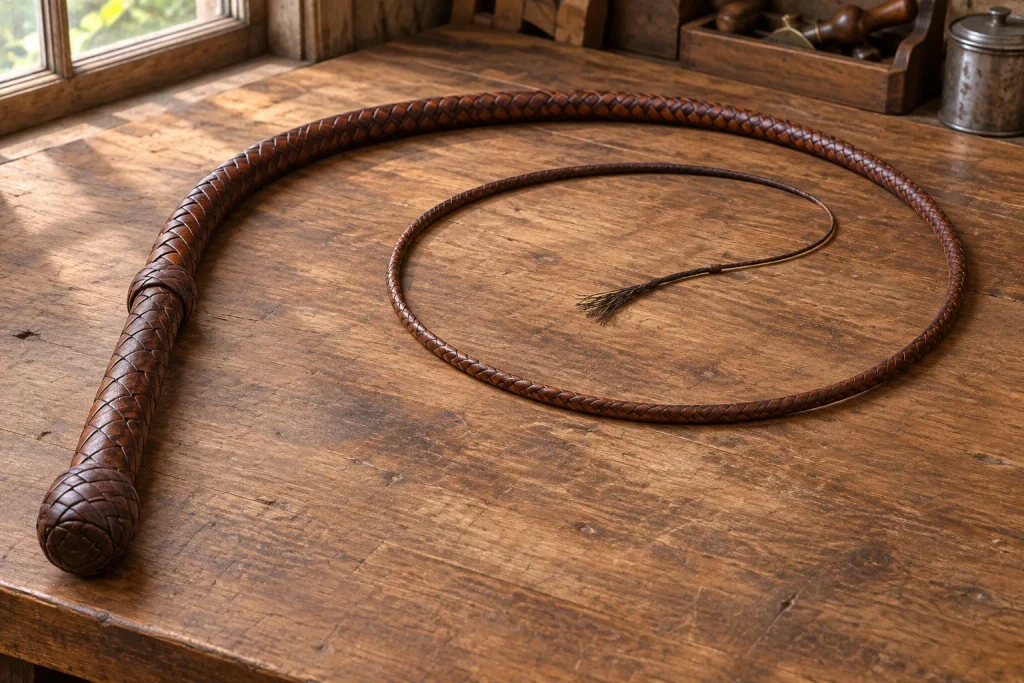
The sharp report comes from supersonic motion near the whip’s end. A flexible, tapered object turns a comparatively slow input into a very fast local event.
How Do Wood Frogs Survive Freezing?
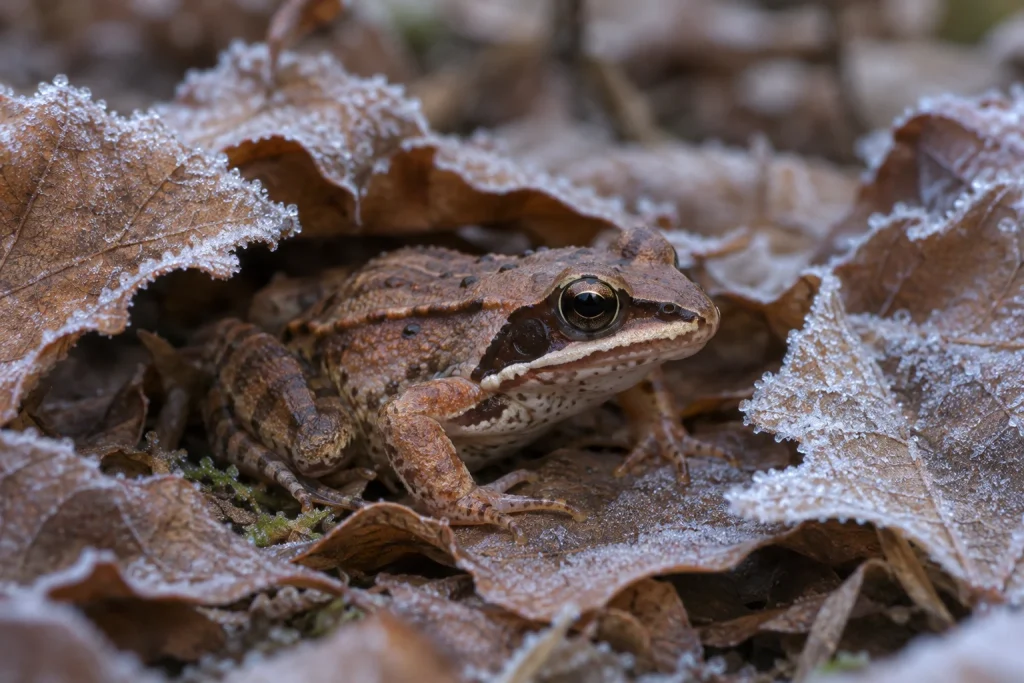
A frozen wood frog is not a dead animal returning to life. Its winter survival depends on keeping cells viable through an extraordinary physiological state.
Why Do Some Lakes Turn Pink?
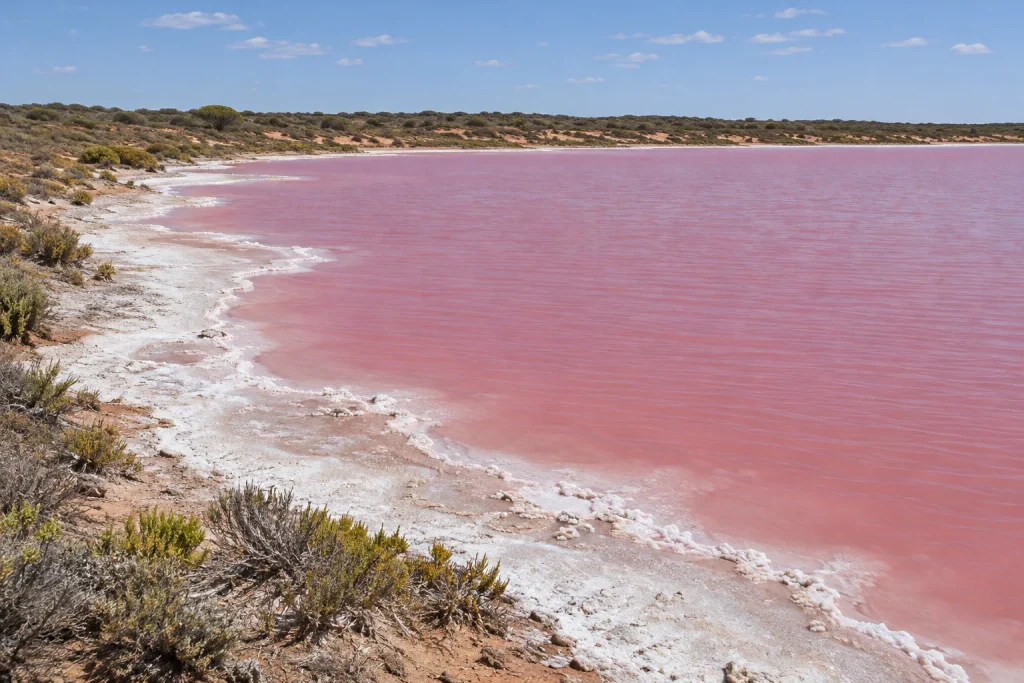
A rose-coloured lake can be a living optical effect: enormous numbers of microscopic pigment producers changing the light that leaves the water.
How Do Hydraulic Brakes Work?
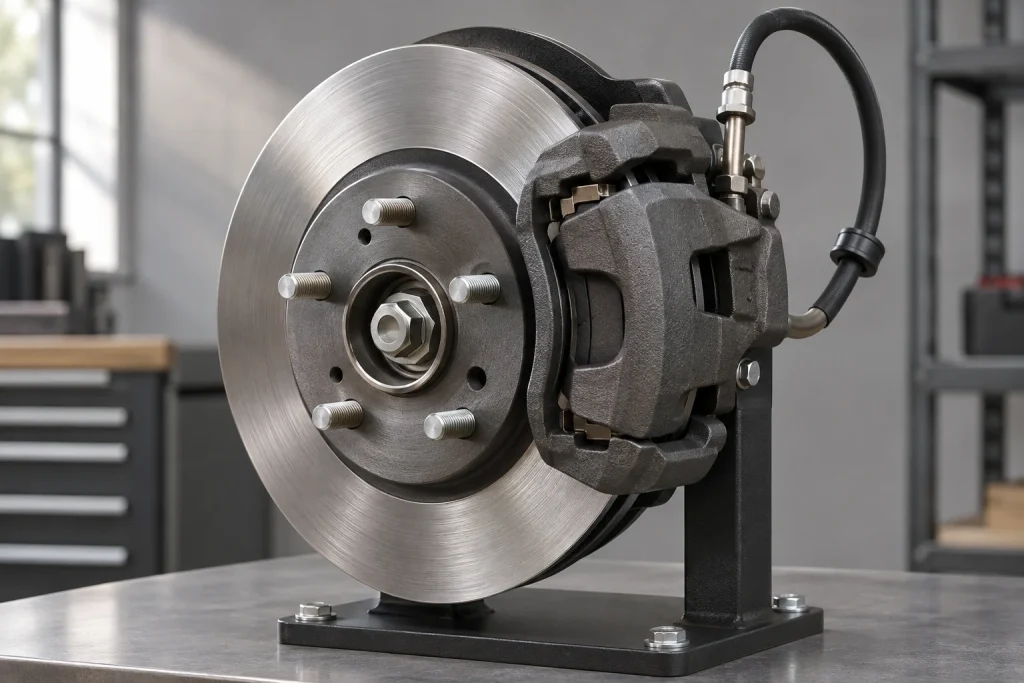
A foot press becomes a strong clamp at the wheel through levers, fluid pressure and pistons. The hydraulic system transmits force; friction removes motion.
How Do Thermal Cameras See Heat?
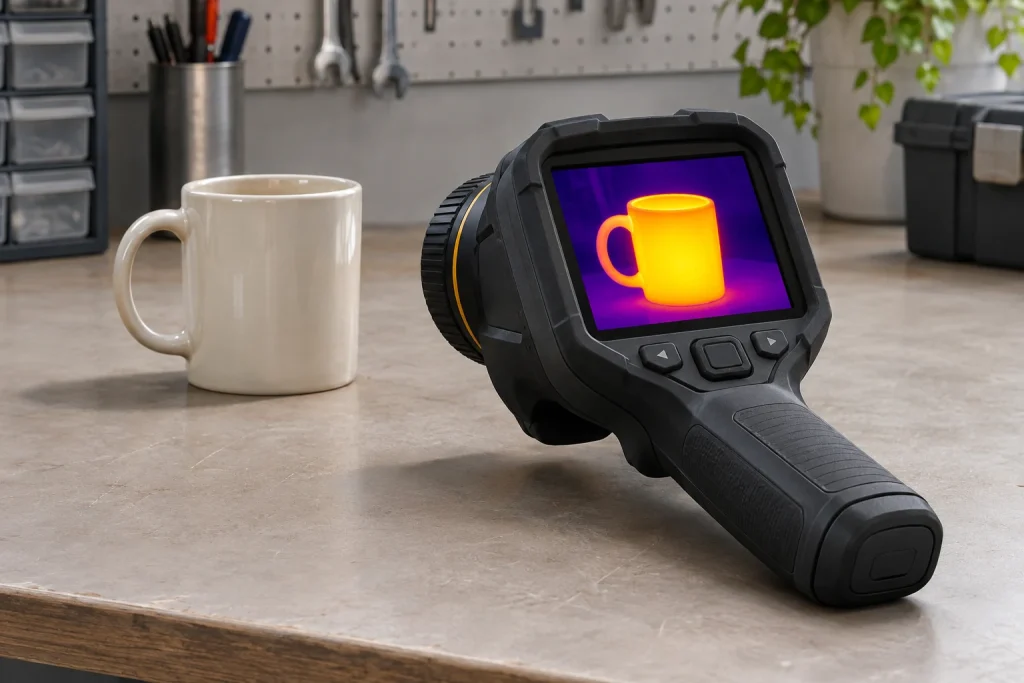
Thermal cameras turn invisible infrared radiation into a visible image. Reading that image correctly requires more than deciding which colour looks hottest.
How Do Snails Crawl Without Legs?
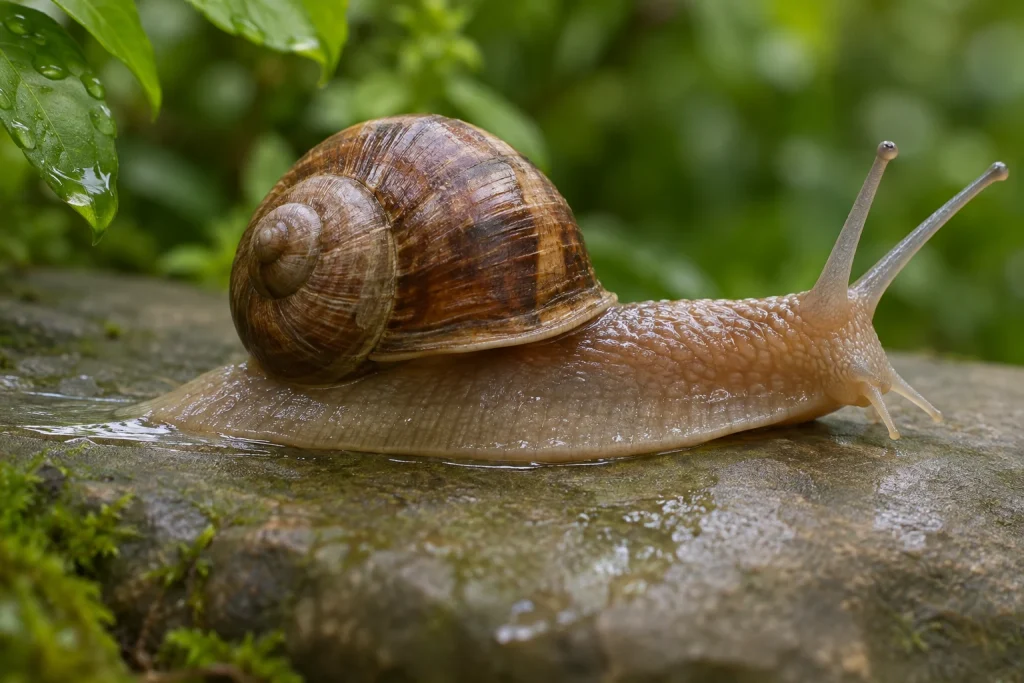
A land snail’s smooth glide hides coordinated muscle waves and a complex contact layer. Mucus is part of the propulsion system, not just a slippery trail.