
Why Do Wool Sweaters Shrink?
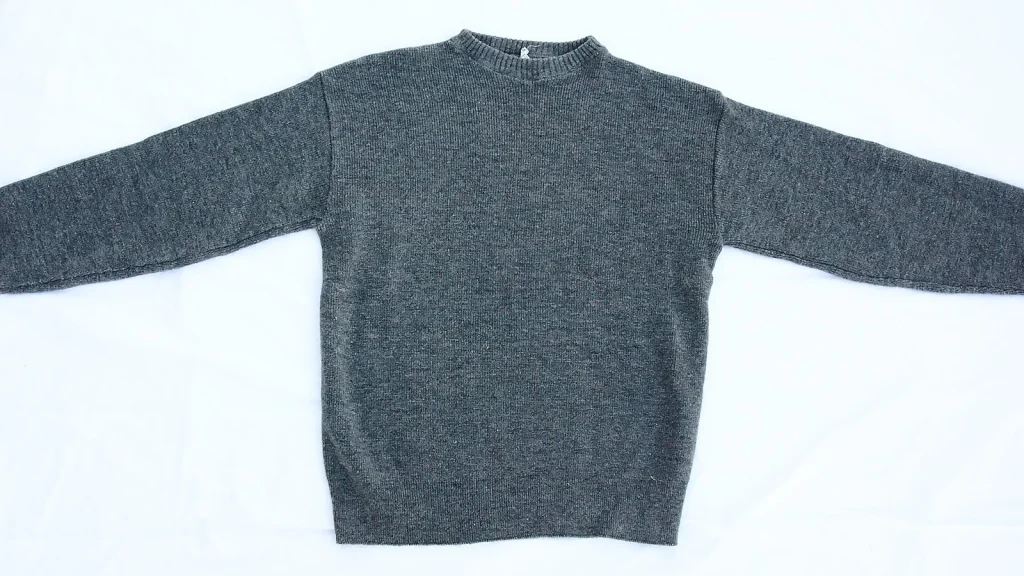
Wool fibres are keratin structures covered by overlapping microscopic cuticle scales. Water allows fibres and yarns to swell and move; heat, detergent and mechanical agitation increase that movement. Because friction differs depending on the direction a fibre is pulled, repeated rubbing makes fibres migrate through the fabric and interlock. Stitches tighten, air spaces collapse and the sweater becomes smaller, thicker and less elastic. This felting shrinkage is difficult to reverse because the fibres are mechanically entangled, not merely temporarily contracted.
How Do Keys Open Pin-Tumbler Locks?
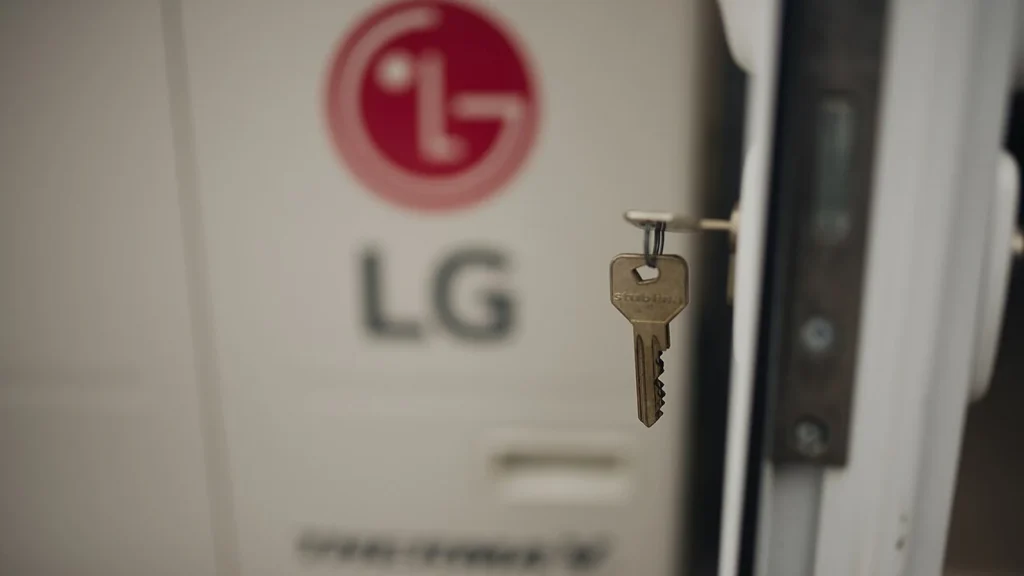
A pin-tumbler lock contains a rotating plug inside a fixed cylinder. Spring-loaded stacks, usually split into key pins and driver pins, pass through holes crossing the boundary between them. With no key or the wrong key, at least one driver pin or key pin straddles that boundary and blocks rotation. The hills and valleys of the correct key lift each stack by a different amount so every split aligns at the shear line. The plug can then turn and operate the latch or bolt.
Why Do Rubber Bands Snap Back?
A rubber band is made from long flexible polymer chains joined at occasional crosslinks. In its relaxed state, thermal motion leaves those chains curled and tangled in many possible arrangements. Pulling the band straightens and aligns segments, reducing the number of configurations available to them. The material’s free energy rises, and the chains exert a restoring force that favours the more disordered coiled state. Crosslinks keep chains from sliding permanently apart, so releasing the load lets the network recoil.
Why Does Honey Crystallize?
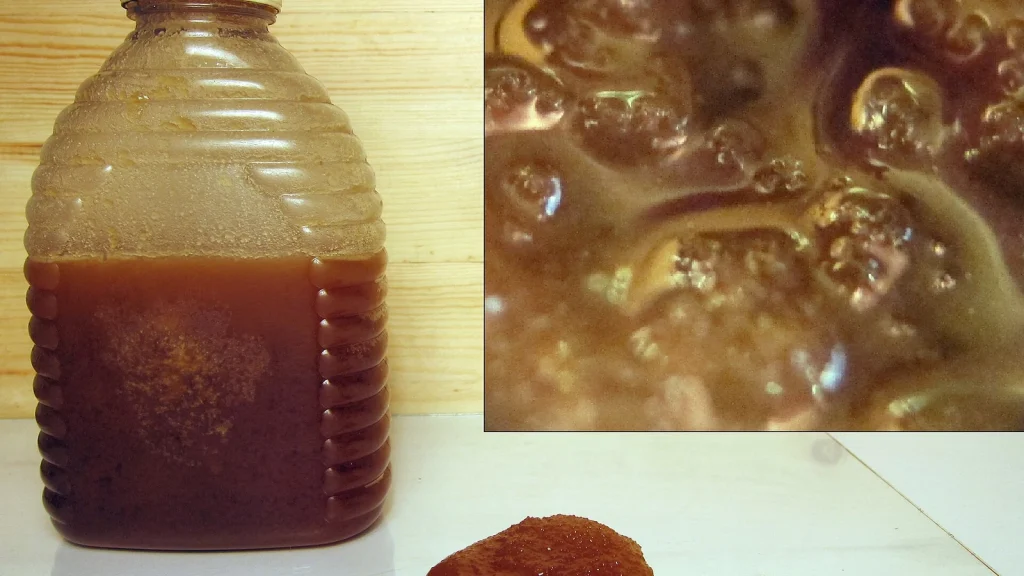
Honey crystallizes because it contains more dissolved sugar than its water can permanently hold in a stable liquid state. Glucose is less soluble than fructose, so glucose molecules can gather around pollen grains, wax particles, tiny bubbles or existing crystals and form an ordered solid lattice. Temperature, glucose-to-water ratio, floral source and processing affect how quickly this happens. Crystallization is normally a natural texture change, not evidence of spoilage.
How Do Barcodes Work?
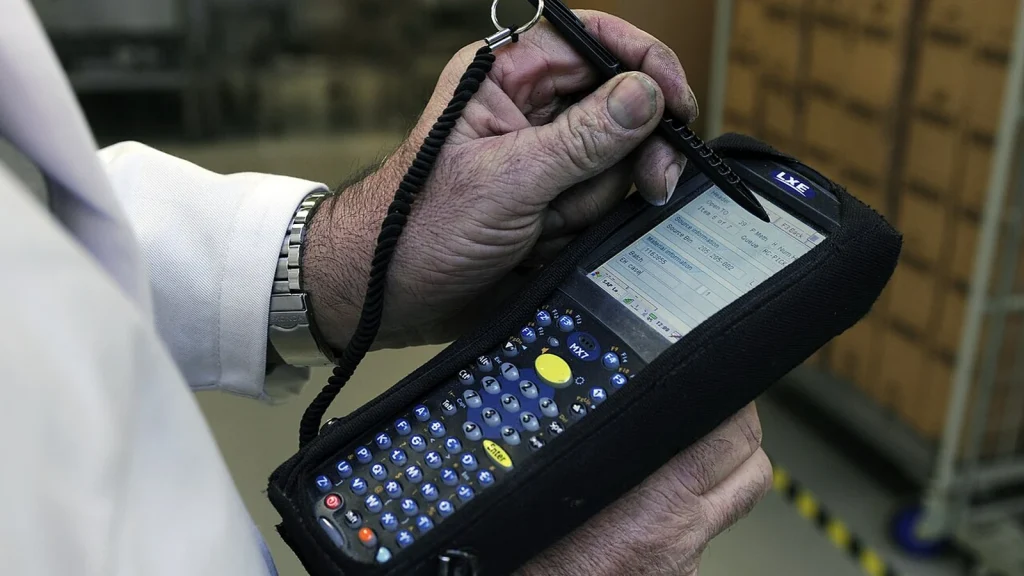
A one-dimensional barcode represents digits or characters as a standardized sequence of dark bars and light spaces with specific widths. A scanner illuminates the symbol and measures reflected light as it moves across the pattern. Electronics convert the changing signal into modules, identify start and stop patterns, decode groups according to the barcode symbology and apply the format’s error checks. For familiar retail UPC and EAN symbols, the result is an identifier, not the product’s full description; software uses that identifier to retrieve price, inventory or tracking data from a database.
How Do Pencil Erasers Work?
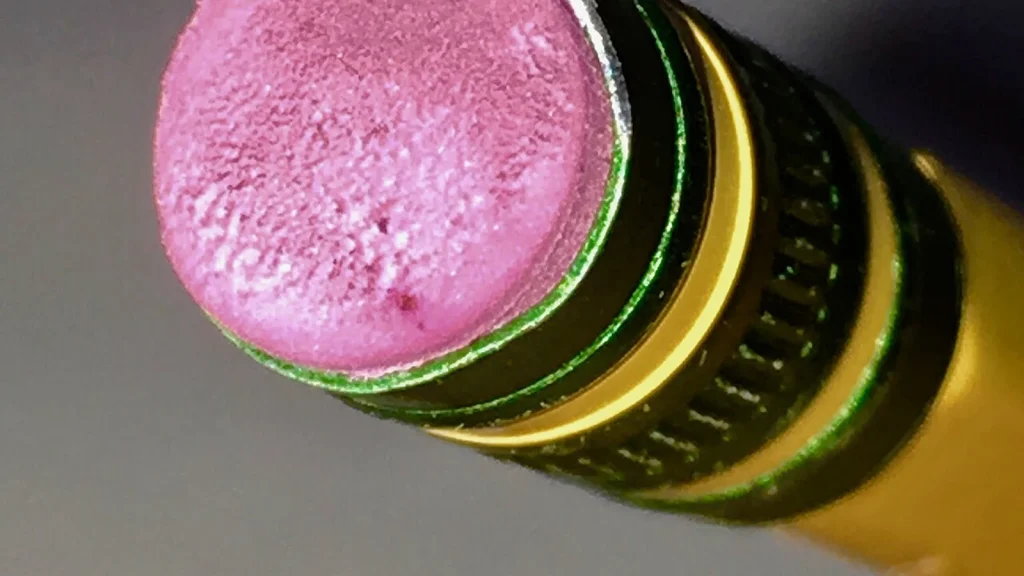
A pencil mark is mostly graphite and clay particles deposited on and among paper fibres. An eraser is made from a soft, high-friction polymer compounded with fillers and abrasives. Rubbing creates shear that loosens graphite from the fibre surface. The eraser deforms to make contact, captures loosened particles and sheds tiny crumbs that carry graphite away. Mild abrasives can also remove a minute amount of paper surface, which is why aggressive erasing roughens or tears a sheet.
How Do Airbags Work?
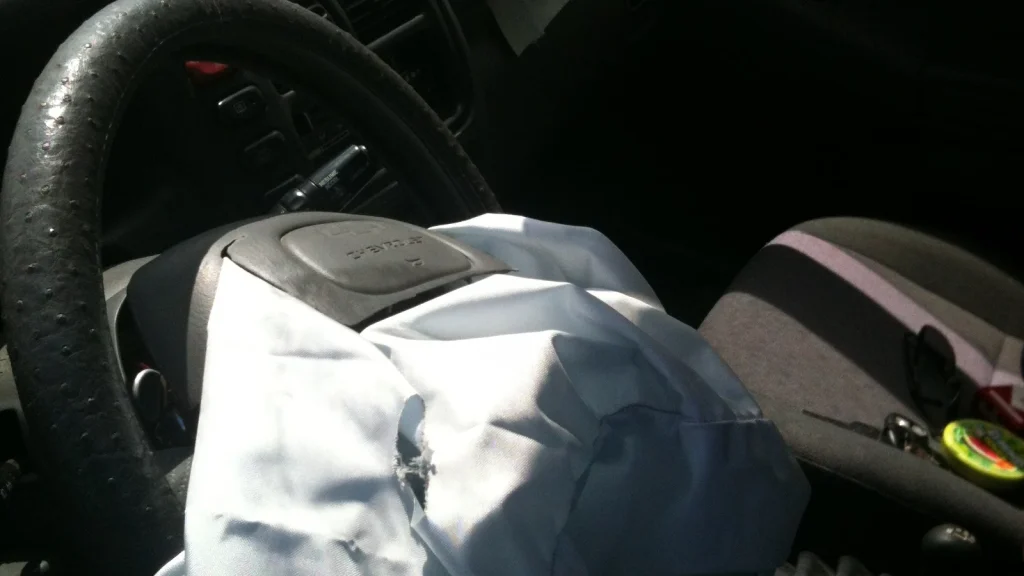
Airbags combine crash sensing, a fast inflator and a yielding cushion to supplement seat belts. Frontal, side and curtain designs manage different collision geometries; their deployment and gas-retention behaviour differ.
How Do Self-Cleaning Ovens Work?
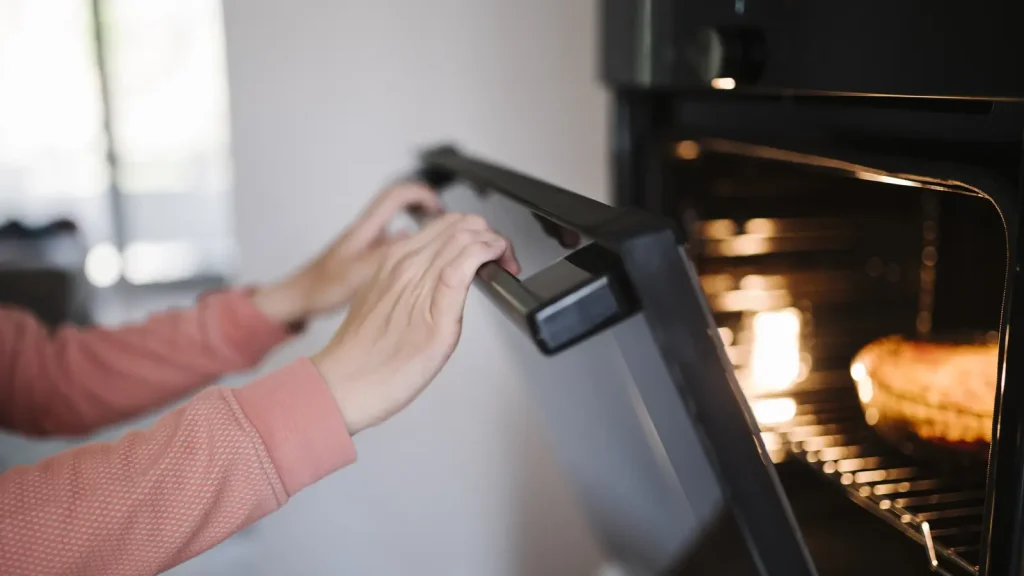
Traditional self-cleaning ovens use pyrolytic cleaning. They lock the door and heat far above ordinary baking temperatures. Heat drives decomposition and oxidation of food and grease, converting much residue into vapour and gases while leaving mineral-rich ash. Insulation, sensors, controls and a lock contain the cycle. Steam and catalytic ovens use different methods.
How Do Rainbows Form?

A rain rainbow forms when sunlight enters water droplets, changes direction, reflects inside them and emerges again. Because water bends different wavelengths by different amounts, the returning light is separated into colours. Many droplets at suitable angles send different colours toward an observer, producing an apparent arc centred opposite the Sun. The bow is a viewing geometry, not a coloured object fixed in the sky.
Why Does Copper Turn Green?
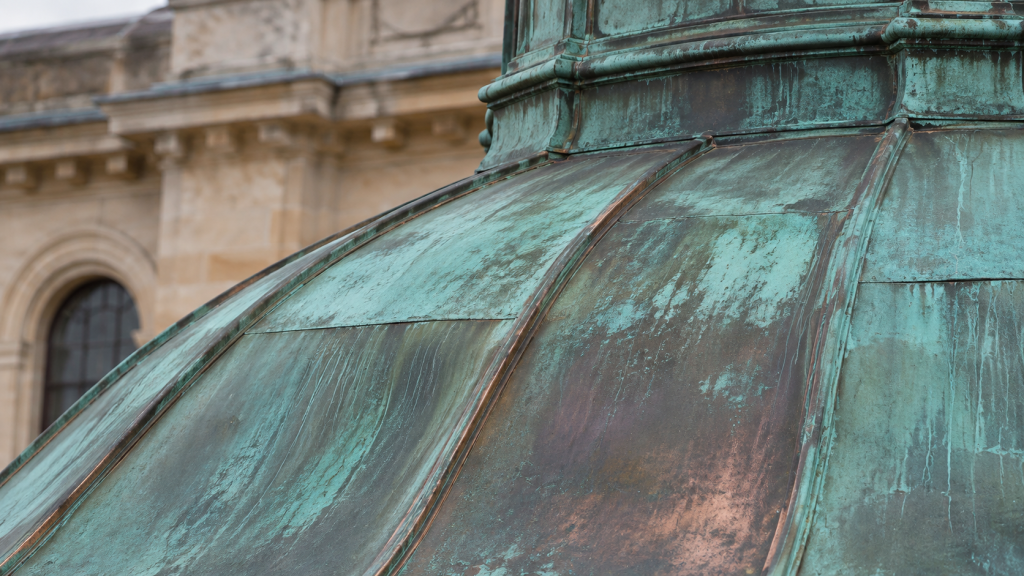
Copper turns green when chemical reactions at its surface produce a patina containing copper compounds. Weathering can first darken the metal, then develop blue-green products whose composition depends on moisture, pollutants, salts and exposure. A stable patina can slow further attack, but green colour alone does not prove that a surface is stable or harmless to the object.